 52:03
52:03The Big Lie
When the hired guns of British American Tobacco came to Australia to appeal a decision in favour of a terminally-ill wife and mother, they didn't stop once they had the award overturned. They then set out to pursue the family of Rolah McCabe in order to cover their own legal costs in the case. Combining tense legal action with the highly-charged emotional fallout that is the legacy of those who put themselves in the sights of Big Tobacco, The Big Lie is an eloquent essay in deceit and corporate thuggery.
 49:21
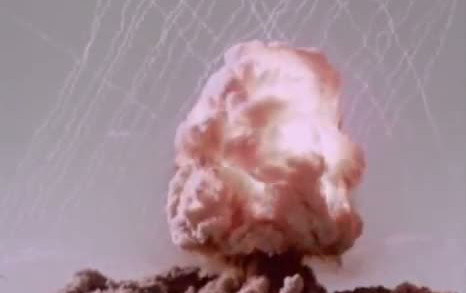
49:21Atomic Confessions investigates the devastating effects of atomic weapons testing carried out in Australia by the British military during the 1950s. Members of the Australian Army, Air Force and Navy detail former top-secret aspects of the tests, while prominent Aboriginal Elders describe the real impacts on the ground. Using archival film and photographs, as well as eye witness accounts, Atomic Confessions chronicles the consequences of nuclear testing imposed on the Australian people, and the land, showing that these tests are not just skeletons of the past...
 1:39:04
Is American foreign policy dominated by the idea of military supremacy? Why We Fight examines America's policies regarding making war, most recently the Iraq invasion and what is termed "the Bush doctrine" that includes pre-emptive strikes. This policy has been in the works for many years on reflection of the past wars of the 20th century alone. In this film, a variety of people are asked "Why We Fight?" with a variety of answers, followed by a look at today's U.S. military industrial complex via interviews with individuals involved with it...
 48:42
48:42After many experiments with cloning and genetically manipulation on other species, technology and genetic science is now turning to the frontier of the human. Every parent wants their child to be healthy, but does this extend to picking their genes for them? What about those who are unable to have children naturally for whatever reason, who turn to artificial insemination or genetic modification? Is this designing children? What are the repercussions in a world dominated by genetically modified people? Will we evolve into a new species and transcend our history to one of inclusion and harmony? Or, will we simply end up in a world that is further divided -- by genetic apartheid?

The Dark Side of Porn is a six part series of films that each examine an aspect of the modern porn industry. Using specific examples of films, and by speaking directly with former performers, filmmakers and families themselves; the series of films journey through the firsthand and often unseen issues that are pervasive to modern pornography--such as STIs, the use and abuse of relationships, rape, human trafficking, the recruitment process, and the seen and unseen cultural impacts of films such as Deep Throat and Emmanuelle, to name a few. Consequently, this series offers a disturbing account of the tip of the iceberg of modern mainstream pornography...
 1:48:41
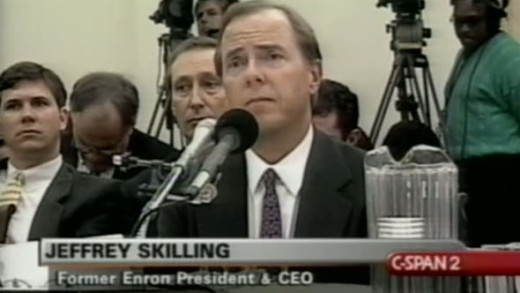
In 2001, the collapse of the Enron Corporation was of one of the largest business scandals in American history. The collapse resulted in criminal trials for several of the company's top executives, bringing the facts of exposure to Enron's involvement in the California electricity "crisis," where the company had rigged the market in order to generate huge speculative profits during the power shortages and blackouts of the time that effected millions of people.
 53:51
53:51For the people of Vietnam, war is not over. Three generations on from 1975, babies are still being born with serious birth defects and genetic abnormalities -- the legacy of the United States intensive use of chemical weapons. To this day, it is still unknown just how many have been affected. In 2005, on the eve of a historic lawsuit to determine the culpability of the United States, this film directly portrays the powerful effects of Agent Orange.
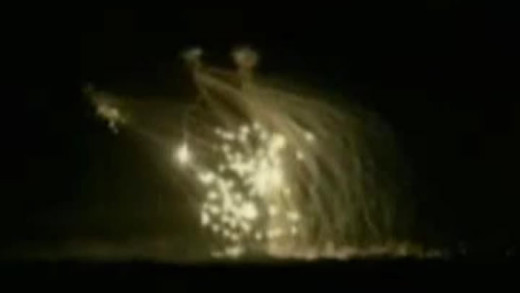 27:12
27:12This film comprehensively documents the use of chemical weapons--particularly the use of incendiary bombs--along with hordes of other horrific indiscriminate violence against civilians and children by the United States military in the city of Fallujah during the invasion of Iraq in November 2004. The cases portrayed involve the use of white phosphorus and other substances similar to napalm, such as Mark-77, which constitute clearly defined war crimes involving chemical weapons. Interviews with ex-military personnel involved in the Fallujah offensive back up the case for the use of such weapons by the United States, while reporters stationed in Iraq discuss the government's attempts to suppress the news by covert means.
 1:35:39
Every day in Vienna the amount of unsold bread that is sent back and thrown away is enough to supply Austria's second-largest city, Graz. Around 350,000 hectares of agricultural land, above all in Latin America, are dedicated to the cultivation of soybeans to feed Austria’s livestock, while one quarter of the local population starves. Every European eats ten kilograms a year of artificially irrigated greenhouse vegetables from southern Spain, with water shortages as the result. We Feed The World is a film about food and globalisation, fishermen and farmers, long-distance truck drivers and high-powered corporate executives, the flow of goods and cash flow, a film about scarcity amongst plenty.
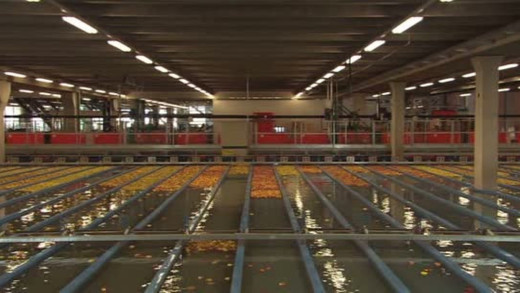 1:31:58
Welcome to the world of industrial food production and high-tech factory farming. Set to the pace of conveyor belts, immense machines, surreal landscapes and bizarre sounds, Our Daily Bread takes an inside look at the industrial environment that mass-produces today's food. Made entirely of visuals, without commentary, this film provides a raw view of the strange realities of industrial food production, which isn't always easy to digest...
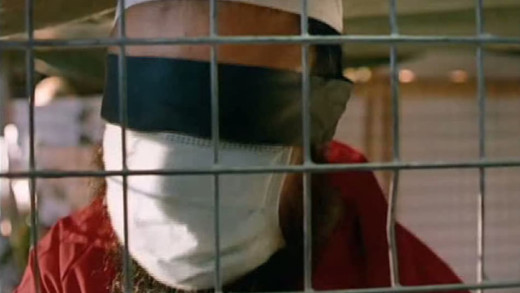 1:15:57
In the wake of the attacks of September 11th 2001, the United States opened a prison camp in Guantánamo Bay, Cuba. The hundreds of prisoners detained there are not afforded prisoners of war status according to the Geneva Convention, they are labelled "unlawful combatants" and are held indefinitely and tortured with no right to a lawyer or a trial. Gitmo -- The New Rules Of War cuts through the official political rhetoric surrounding Guantánamo to expose what really goes on at the United States central gulag in the 'war on terror'.
 1:00:19
Filmmaker Brian Flemming documents his journey exploring Christianity by questioning the existence of Jesus, examining evidence that supports the Myth of a Christ against the existence of a historical Jesus, as well as examining other aspects of the religion such as the questions of ethics of indoctrinating children in schools at a young age with the fear of god and other principles of faith instilled in them institutionally.
 1:37:38
Walmart is an iconic American company, known worldwide for selling cheap retail goods. While economists and global marketers call Walmart a success, there are many stories of mistreatment of employees, and a general feeling of mistrust and discontent among the businesses it has destroyed, such as local community stores. Walmart -- High Cost Of Low Prices highlights that it is worth being aware of the labour, social and corporate governance practices of companies that you do business with...
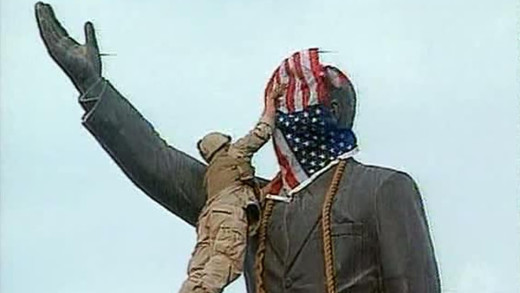 1:23:46
Enemy Image
Enemy Image overviews the history of the portrayal of war in television news from the perspective of the United States. The film starts with the coverage of Vietnam where reports happened with little supervision, control or interference. Following this, The Pentagon takes action to control access by journalists to battle areas in subsequent invasions--such as the Invasion of Grenada, where journalists were excluded completely--to the first Gulf War, where 'news packages' were provided directly from the military; to the embedded churnalism of the invasion of Iraq. Shown is the progressive tightening of control by the US military on the contact journalists have with soldiers and civilians in the war zone, in order that "never again will television raise the moral and political questions that face a people during war."
 1:28:53
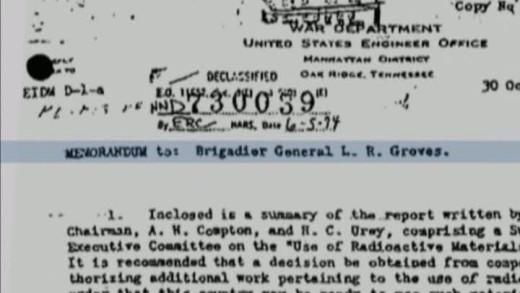
Department of Defense documents obtained through the Freedom of Information Act expose horrific government funded experimentation upon citizens conducted without their knowledge or consent. Is the United States knowingly using a dangerous battlefield weapon banned by the United Nations because of its long-term effects on the local inhabitants and the environment? Beyond Treason explores the illegal worldwide sale and use of one of the deadliest weapons ever invented. Was "Gulf War Illness" actually known by the military before hand?
 1:17:54
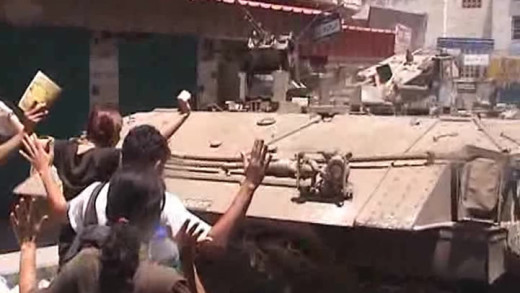
What drives a young Westerner to volunteer as a peace activist in the Middle East? Visit Palestine follows Caiomhe Butterly—a young woman from Dublin, Ireland; who is one of a growing number of volunteers who risk their own lives to intervene in the long-running and bloody conflict of the occupation of Palestine. Activists such as Butterly are usually stereotyped as lunatics, meddlers or saints. This film offers a first-hand insight into a brave, honest, determined yet self-critical woman who takes direct action to the limit, with no quest for glory. The film also serves as a real conduit into the everyday lives of Palestinians, fighting for their lives...
 54:33
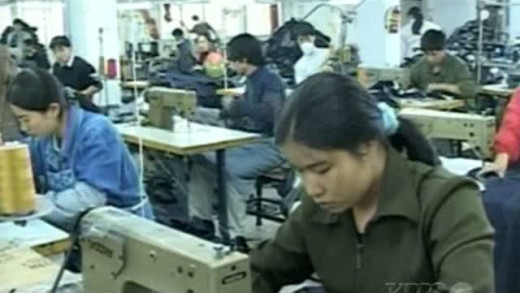
54:33China Blue
Shot clandestinely at a blue jeans factory in southern China where a young girl and her friends work around the clock for pennies a day, China Blue reveals what international retail companies don't want us to see: how the clothes are actually made...
 46:47
46:47In the "race to feed the planet", scientists have discovered how to manipulate DNA and produce what they claim are stronger, more disease-resistant crops. However, fears that Genetically Modified Food may not be safe for humans or the environment has sparked intense protest. Are we participating in a dangerous global nutritional experiment? This film asks is the question -- is the production of genetically modified food a panacea for world hunger or a mass poisoning of the worlds food supply?
 1:12:12
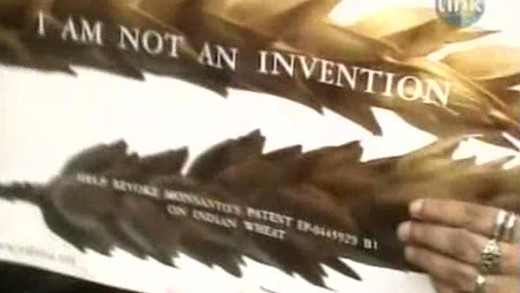
Bullshit follows environmental activist Vandana Shiva as she travels around the world to in her quest to eliminate the use of genetically modified foods and seeds in her home country of India and other developing countries. Shiva argues that the “ownership of life” through the patenting of natural products, namely grains altered through genetic modification (GMOs), is not in our best interests, and is in fact harmful to agriculture in developing countries...
 1:35:25
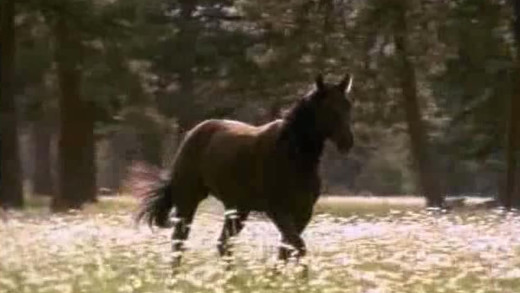
Humanity is absolutely dependent on animals as part of life. In industrial society however, this has extended to animals as pets, 'entertainment' and for expendable use in scientific research -- animals are tortured for 'scientific tests', locked in cages as pets and at the zoo and are bred on mass for cheap meat. What does this say about industrial civilisation? Earthlings conducts an in-depth study into pet stores, puppy mills and animals shelters, as well as factory farms, the leather and fur trades, sports and entertainment industries, and the medical and scientific profession, using hidden cameras to directly show the day-to-day practices of some of the largest industries in the world...
 1:22:13
McLibel
McDonald's loved using the UK libel laws to suppress criticism. Major media organisations like the BBC and The Guardian crumbled and apologised. But then they sued environmental activists Helen Steel and Dave Morris. In what then became the longest trial in English legal history, McLibel documents the two activists who represent themselves against McDonald's £10 million legal team with the marathon battle finally concluding at the European Court of Human Rights. The result takes everyone by surprise -- especially the British Government...
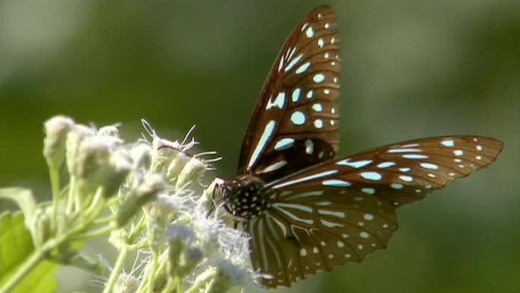
Life In The Undergrowth specifically focuses on the life, evolution and habits of invertebrates from all over the world.
 1:22:28
For close to a century, a great tale played out in the tiny town of Caledonia, Illinois. The Real Dirt On Farmer John tells this story of John Peterson, his farm and his family -- a story that parallels the history of American farming. But Farmer John is no laconic, Grant Wood-type with a scowl and a pitchfork. With the help of friends, John transformed his farm into an organic commune flooded with art and music, all in the centre of conformist Midwestern America...
 1:24:58
Sir! NO Sir!
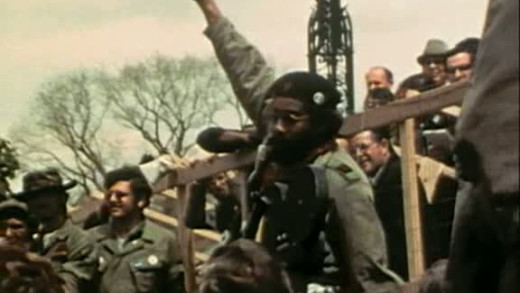
Sir! NO Sir! tells the story of how--from the very start of the war, such as with the Green Berets--there was resentment within the ranks over the difference between the war in Vietnam and (as persons state in the film) the "good wars" that their fathers had fought. In the beginning some simply left the military as individuals, though over time, it became apparent that so many were opposed to the war that they could speak of a movement -- which over time eventually made the military almost inoperable...
 1:04:21
Class Dismissed examines the role of television in the ways in which race, gender, and sexuality intersect with class, offering a more complex reading of television's often one-dimensional representations. The patterns inherent in the depictions of working class people are as either clowns or social deviants, stereotypical portrayals that reinforce the myth of meritocracy and have systemic social implications. By citing plenty of examples from today's sitcoms, reality shows, police dramas, and daytime talk shows, Class Dismissed links television's portrayals to negative cultural attitudes and public policies that directly affect the lives of working class people. A new media must be envisioned and created.
 47:16
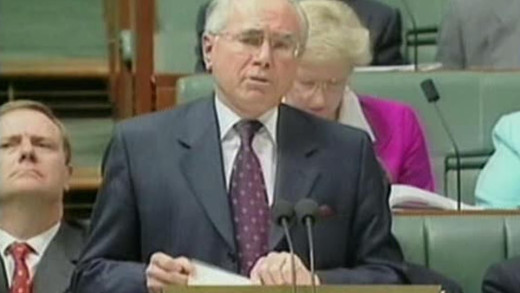
47:16In March 2003 thousands of Australian troops and others were sent to fight a 'war' as part of a pre-emptive strike on the sovereign nation of Iraq, a country from whom there was no threat. Two years on, in the wake of hundreds of thousands of Iraqi casualties, the Australian military reports its first casualty in the conflict while the American death toll stands at nearly two thousand. This being the a result of an invasion which has all but destroyed a foreign nation and seen millions made homeless, families destroyed, hundreds of thousands of deaths, leaving a legacy of destruction and religious division instilled in its wake. How did the Australian government come to play a part in this terror?
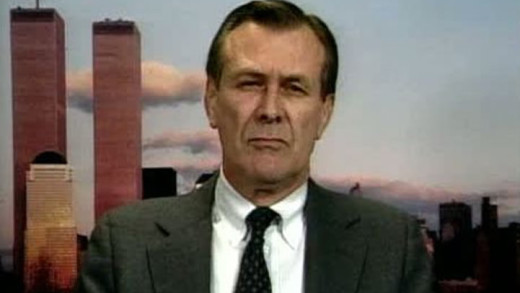
Is the threat of radical Islamism as a massive, sinister organised force of destruction—specifically in the form of al-Qaeda—a myth perpetrated by politicians across the globe, but particularly the American neo-conservatives, in order to unite and justify empire? This series of films charts the rise of both groups and movements, drawing comparisons between them and their origins, to provide much-needed and missing context to the War of Terror.
 26:41
26:41Moving Beyond Myth focuses on the sexual dilemmas and difficult life choices young girls face as they come of age in contemporary American culture. Challenging long-held myths about girlhood, the film draws on the insights of girls themselves to explore and shed light on their actual lived experience as they navigate an increasingly hyper-sexualized society. The voices of a diverse range of girls are supplemented with accessible analysis from leading experts on sexuality and society.