 1:13:43
Bones of the Forest traverses the topic of deforestation through the lens of colonisation. Told through the eyes of both native and non-native elders, current and former loggers, environmentalists and protesters, the film shows the experience of the sights and sounds of threatened forest, alongside the plight of loggers and their families. The voices at times coalesce--loggers made redundant due to over-foresting, align with environmental activists who wish to save the forest from the destruction of this culture.
 1:32:29
Is the human population going to outstrip the Earth's food supply? The effects of modern agriculture not only lead to a short term food surplus which quickly slipped as population boomed, but agriculture itself causes huge environmental problems such as soil erosion, salinity and chemical pollution—all further illustrating an impossible system in perpetuity. Food or Famine looks at projects in North America, Chile, Indonesia, Africa and India which are participating in a worldwide movement to return to local food growing methods based on the land and healthy ecological principles. The film also examines the worldwide imbalance between food consumption and production, stoking the need to confront the mounting challenges ahead...
 51:00
51:00In 1975, John Pilger reported the end of the Vietnam War from the American Embassy in Saigon, where the last American troops fled from the roof-top helicopter pad. Twenty years later, he returns to Vietnam to revive the Vietnamese past and present from the plethora of fake Hollywood images which pity the invader, and overshadow one of the most epic struggles of the 20th century.

The Living Dead: Three Films About the Power of the Past is a series of films that investigate the way that history and memory (both national and individual) have been manipulated and distorted by politicians and others for various means of control...
The Private Life of Plants studies the growth, movement, reproduction and survival of plants. The series looks at various aspects of a plant's life-cycle, using examples of species from all around the world.
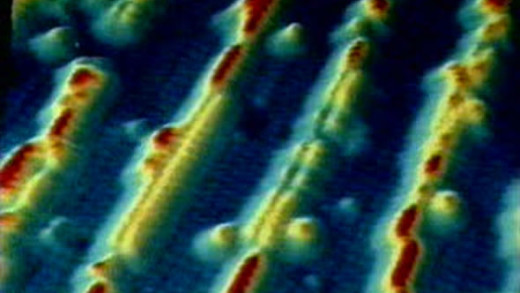 45:44
45:44Nanotechnology has the potential to create many new materials and devices with a vast range of applications -- such as in medicine, electronics or energy production for example. On the other hand, nanotechnology raises many of the same issues as with any introduction of new technology, including concerns about toxicity and the impact on the environment. The difference in this case being that nanomaterials are in use in products and industry right now and these concerns are seemingly going unaddressed...
 31:06
31:06Slim Hopes
Slim Hopes shows how the stories advertising tells us about food, femininity, and the female body directly contribute to anorexia, bulimia, and other life-threatening eating disorders. From ads that glamorise emotional eating with catch-phrases like "you can never have too much," to ads that promote thinness and tell women to watch what they eat, Slim Hopes takes the advertising industry to task for sending young women in particular, a set of deeply contradictory and unhealthy messages about food and body image.
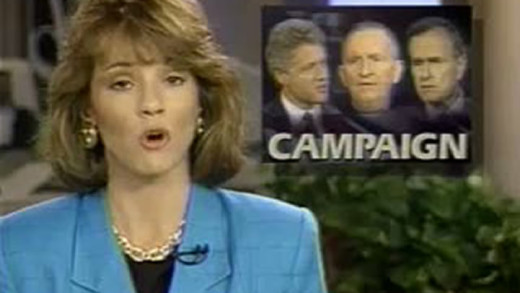 57:26
57:26Spin
Using the 1992 presidential election as his springboard, film-maker Brian Springer captures the behind-the-scenes manoeuvrings of politicians and newscasters in the early 1990s. Pat Robertson banters about "homos," Al Gore learns how to avoid abortion questions, George Bush talks to Larry King about halcyon and other drugs—all presuming they're off-air. Composed of 100% unauthorised satellite footage, Spin is a surreal expose of media-constructed reality, posing larger questions about the functioning of not only corporate media, but the political systems in which they support and how this in-turn plays to the media-constructed reality and so on.
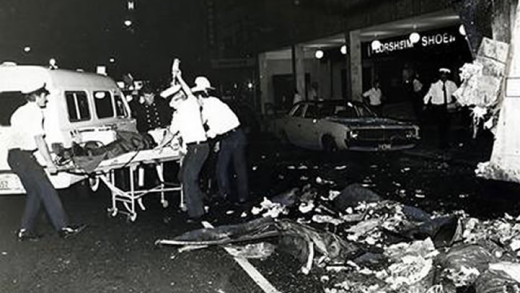 58:37
58:37In 1978, Australia was shocked by the explosion of a massive bomb placed in a rubbish bin outside the Sydney Hilton Hotel in NSW. The perpetrators were never found. However, evidence that the Australian security and intelligence forces may have been responsible resulted in the NSW State Parliament unanimously calling for an inquiry in 1991 and then again in 1995. The Federal Government vetoed any inquiry. No investigation was held. The government then set-up the Australian Federal Police and increased support for "anti-terrorist measures"...
 50:02
50:02John Pilger and David Munro look behind political rhetoric to discover the hidden world of international arms dealing...
 40:37
40:37By addressing the question of violence and the media from a number of different angles, The Killing Screens presents a comprehensive view on how to think about the effects of the media environment in new and complex ways. In contrast to the relatively simplistic behaviourist model, that "media violence causes real-world violence," renowned media scholar and researcher George Gerbner shows us how to think about the psychological, political, social, and developmental impacts of growing up and living within a cultural environment of pervasive violent imagery and narratives. What are some of the impacts of this culture and what can be done about it?
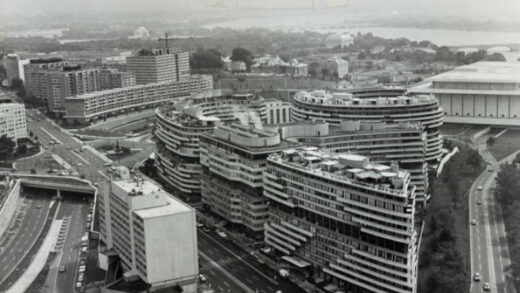
Watergate is a mini-series that provides insight on the presidential corruption scandal in the United States involving Richard M. Nixon through the early 1970s. The scandal eventually led to his resignation as America's president. The series is based on the book Watergate: The Corruption and Fall of Richard Nixon, by Fred Emery.
 57:22
57:22By the early 1990s, solid research and overwhelming evidence had prompted a growing awareness of the epidemic nature of date rape, especially on college campuses. But, starting in 1993, the media used the anecdotal comments of one young woman, Katie Roiphe, to undermine efforts to stop this continuing crime against women. How did this happen?
 58:31
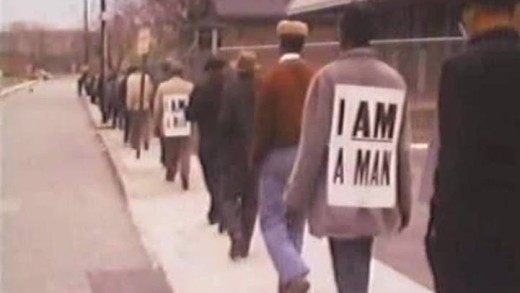
58:31Spring of 1968 in Memphis Tennessee marked the peak of the Civil Rights movement in the United States. At the River I Stand sets out to reconstruct the eventful months leading up to this period by looking at what started as a strike by sanitation workers which quickly soared into a national conflagration. The film disentangles the complex historical forces that came together for the struggle as well the inevitability of tragedy at the death of many, including Martin Luther King. At the River I Stand brings into sharp relief issues that have only become more urgent in the intervening years: the connection between economic and civil rights; debates over strategies for change, and the questions of effectiveness of pacifist tactics for social change; the demand for full inclusion of African Americans in life; as well as the pressing fight for dignity for all working people...
 51:20
51:20John Pilger travels to Cambodia to investigate how the United Nations has allowed the Khmer Rouge regime to grow stronger. Why has Pol Pot's organisation grown stronger and more menacing since the arrival of the UN? Cambodia -- Return To Year Zero looks behind the façade of the so-called 'peace process' and asks: Has the unthinkable for Cambodia at last been made acceptable for the rest of the world?
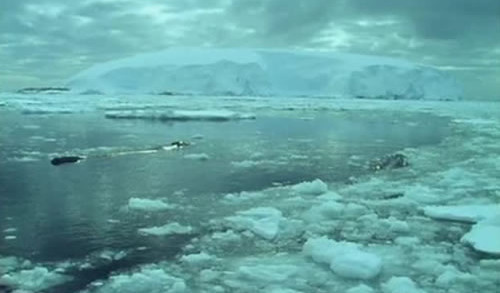
Life In The Freezer is a study of the seasonal cycle of Antarctica, exploring how different species survive throughout the course of a year.
 1:59:21
Kanehsatake: 270 Years of Resistance documents the 'Oka Crisis' of 1990 in which the government of Oka, Canada, pushed for plans to develop a private golf course and new luxury housing on sacred indigenous land. The film captures the events as they unfold, from the beginnings as frivolous government 'negotiations' to the resulting siege by the Canadian Army and local police...
 1:31:10
The Panama Deception documents the invasion of Panama in December 1989—codenamed Operation 'Just Cause.' The film gives context to the events which led to the invasion, and explores the real impact on the ground and devastating aftermath—all contrary to the views portrayed by mainstream media and rhetoric espoused at the time by government officials in the Bush administration. News footage and media critics reveal the extent of media control and self censorship of the invasion, relevant to any news coverage today, particularly during times of war.
 51:54
51:54War By Other Means examines the policy of western banks making loans to so-called 'third world' countries, which are then unable to meet the crippling interest charges—debt used as a weapon. The film primarily analyses 'Structural Adjustment Programs,' which are proclaimed to enable countries to compete in the 'global economy,' but have the opposite effect of lowering wages which in turn further transfers the wealth from the poor to the rich.
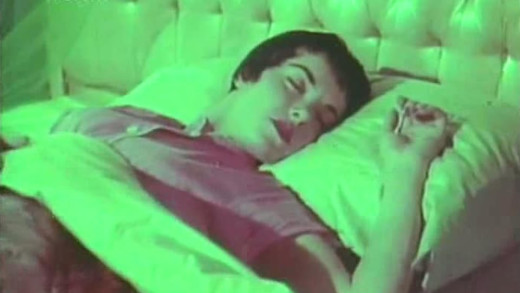
Pandora’s Box
Pandora's Box -- A fable from the age of science, is a six part series examining the consequences of political and technocratic rationalism, tying together communism in the Soviet Union, systems analysis and game theory during the Cold War, economy in the United Kingdom during the 1970s, the insecticide DDT, Kwame Nkrumah's leadership in Ghana during the 1950s and 1960s and the history of nuclear power.
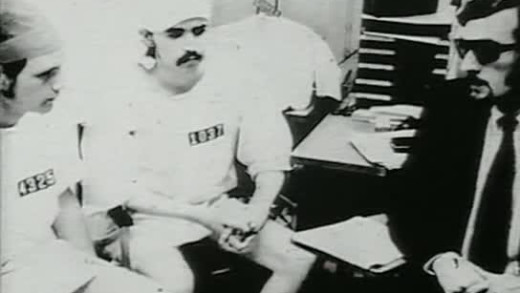 50:55
50:55In the summer of 1971, Philip Zimbardo, Craig Haney, and Curtis Banks carried out a psychological experiment to test a simple question: What happens when you put ordinary people in positions of power, enabling abuse? Does humanity win over evil, or does evil triumph? To explore this, student volunteers were selected and randomly assigned to play the role of prisoner or guard in a simulated prison at Stanford University. Although the students were mentally healthy and knew they were taking part in an experiment, some guards quickly became sadistic, while prisoners showed signs of acute stress, depression and trauma. After only six days, the planned two-week study was a disaster...
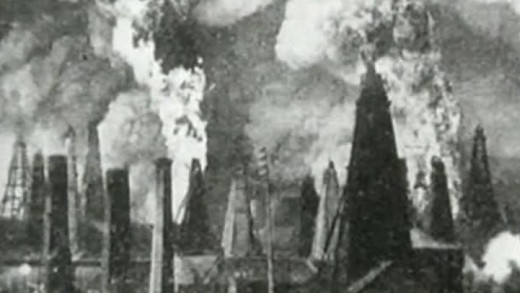
The Prize: The Epic Quest for Oil, Money, and Power is an 8-part series based on Daniel Yergin's book by the same name, that captures the panoramic history of the largest industry in the world and traces it's changing face over the decades. Each episode in the series focuses on an era of oil, from beginning to today; while examining the connections and ramifications of an industry that literally transformed global political and economic landscapes--while continuing to make its mark...
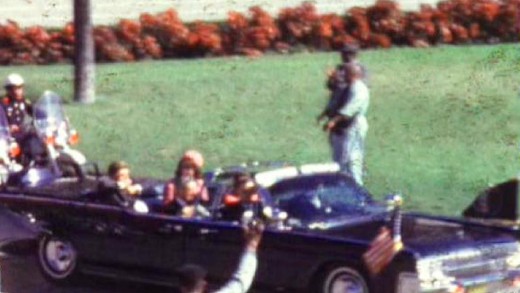 1:30:01
Using Oliver Stone's epic film "JFK" as a springboard, Beyond JFK: The Question of Conspiracy brings together extensive research around the assassination of John F Kennedy in 1963, to challenge serious flaws in the official narrative. Featuring interviews with Jim Garrison, the District Attorney who brought the conspiracy case of Clay Shaw in 1969, as well as interviews with his staff, Numa Bertel, Lou Ivon and Perry Russo; in addition to numerous reporters, eyewitnesses, archivists, and others, Beyond JFK is a cumulative look into the huge amounts of public research that went into the counter-narrative of the JFK assassination, forming the basis of the production of the JFK movie as a way of presenting the research to the public through pop-culture.
 38:14
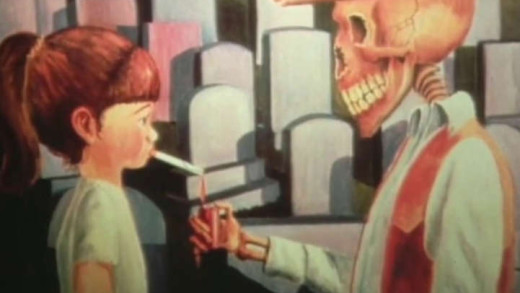
38:14Through powerful insider information, Pack of Lies reveals the deception of the tobacco industry's claims that they do not seek to addict children to nicotine. The film provides important analytical background. Jean Kilbourne is a nationally recognized researcher and lecturer on media, advertising, and health issues. Rick Pollay teaches advertising and marketing management at the University of British Columbia, and has been an expert witness in trials involving the tobacco industry. They team up to provide important insights on the power of advertising dollars to counter the influence of scientific research, to affect news coverage, and to put private profit ahead of public health.
 55:48
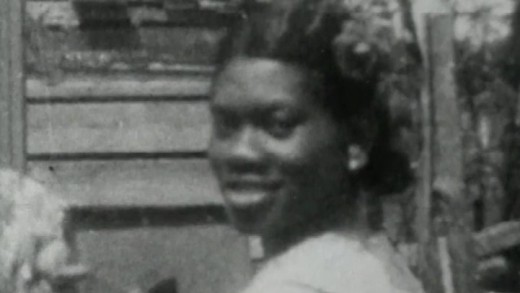
55:48Through a series of portraits that reach across different class, ethnic and generational experiences, The Double Burden speaks to the diversity of pains and pleasures of working motherhood. What is it like to grow up in a family where mothers have always worked outside the home? Through the lives of three families--one Mexican-American, one Polish-American, and one African-American--each with three generations of women who worked outside the home while also raising families, this film aims to instil tremendous respect for the accomplishments of women and for women of different races, social classes and life-styles through the generations, against social odds, pressures and expectations.
 2:47:16
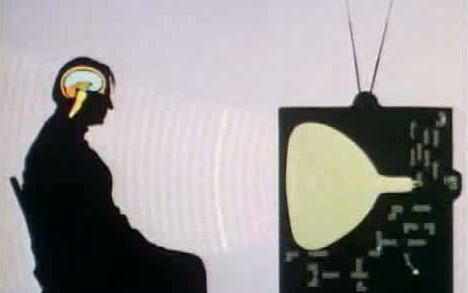
Manufacturing Consent -- Noam Chomsky and the Media explores the political life and ideas of Noam Chomsky, the renowned American linguist and political activist. Drawing on specific examples such as the corporate media coverage of the Indonesian occupation of East Timor and the atrocities of the Khmer Rouge regime of Cambodia, Manufacturing Consent shows how the collusion of government and media running the powerful propaganda machines that manipulate the opinions of the masses, is manufacturing consent.
Making Sense of the Sixties is a six part series analysing certain facets of the social and political upheaval of the 1960s and beyond in the United States. The series chronologically examines the cultural and political changes which shaped the era and left an indelible mark on later decades. From the assassinations of John F. Kennedy, Robert Kennedy and Martin Luther King; to the rapidly escalating atrocities in Vietnam; to the height of the Cold War and the Space Race, Making Sense of the Sixties weaves historical retrospect with the experiences of ordinary people to capture the mood and mindset of the era.
 14:47
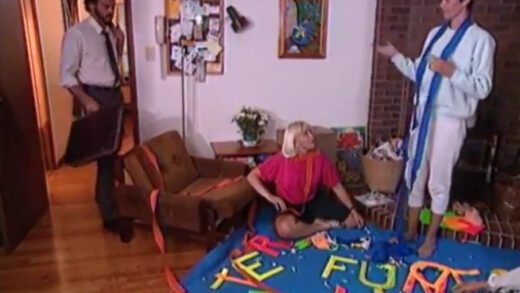
14:47The combination of detailed descriptions by abused women and great dramatisations helps both male and female viewers to understand the realities of spousal abuse, what motivates this kind of activity, and reveals the myths that surround it. Low self-esteem, rather than straight anger, is the central causal issue and the ability to quit habitual spousal abuse is as problematic as recovery from any other addiction.