 46:31
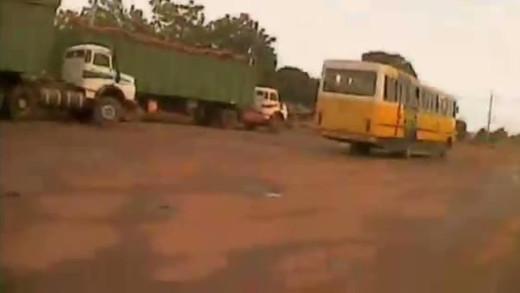
46:31The Dark Side Of Chocolate follows a team of investigative reporters into Africa where human trafficking and child labour fuel the chocolate industry worldwide. The film travels to Mali where hidden footage reveals the trafficking of small children to the cocoa fields in the neighbouring Ivory Coast and elsewhere. What is happening behind the sweet imagery of the chocolate industry?
 29:12
29:12Perfect Storm offers an initial analysis of the underlying causes and wider context surrounding the riots throughout England in 2011. Contrary to the portrayals presented by mainstream media and trite political rhetoric around law and order, the riots were sparked by poverty, inequality and frustration over police killing a young man in Tottenham. How does the damage weigh up to the criminal conduct of banks and corporate tax avoiders when the costs of the riots are over four thousand times less than the recent financial crisis? Whose priorities are at play here?
 43:44
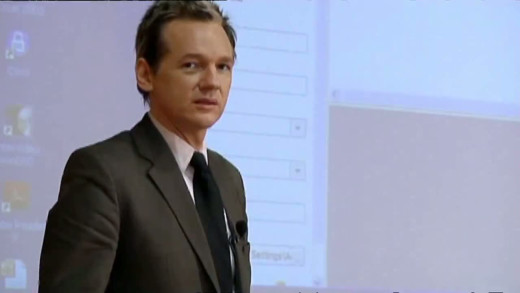
43:44When Julian Assange arrived in Sweden in August 2010 he was greeted like a hero. But within weeks there was a warrant out for his arrest and he was being investigated on allegations of rape and sexual misconduct. Today, Assange is cornered in the Ecuadorean Embassy in London, arguing he won't receive justice if he's taken to Sweden and that authorities in the United States are building a case for his extradition. In Sex Lies And Julian Assange, Andrew Fowler retraces what happened in those crucial weeks while Julian Assange was in Sweden. What was the nature of his relationship with the two women? And what happened with the police and prosecutors?
 1:13:33
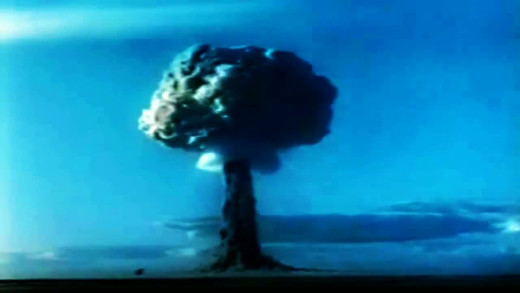
The myth that humans are superior to all other life forms is a fundamental and unquestioned premise of dominant culture. It is an old historical idea, rooted in colonialism, and is deeply embedded in religion and science. It is one of the root causes for the destruction of the natural world, animal cruelty, war, the extinction of species and other immense problems. The Superior Human? challenges this arrogant and self-destructive ideology; unwinds the myths, using examples and common sense.
 15:27
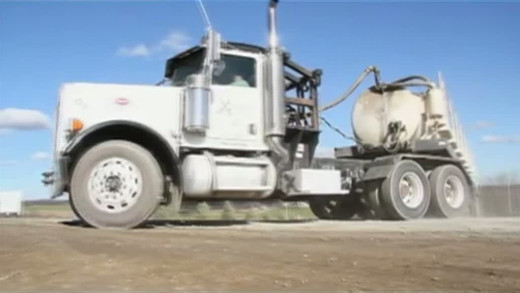
15:27Fracking Hell -- The Untold Story looks at the risks of natural gas development in the Marcellus Shale throughout the United States. From toxic chemicals in drinking water to interstate dumping of radioactive waste that cataclysmically contaminates water supplies, to fracking plans in major population centres including New York City -- are the health consequences worth the supposed economic gains?
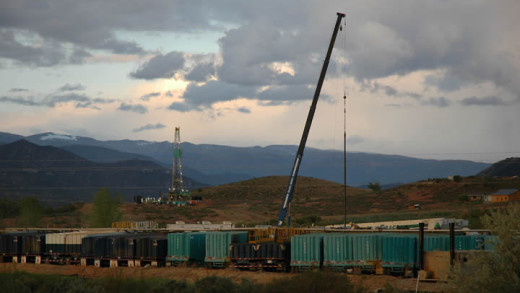 52:18
52:18Exempt from environmental protection laws, the oil and gas industry has left idyllic landscapes and rural communities throughout the United States pockmarked with abandoned homes, polluted waterways and aquifers, as well as plenty of sick people. Split Estate zeroes in on Garfield County in Colorado, and the San Juan Basin where more demonstrations of water that can be set on fire are found, but industry isn't just stopping there -- fracking is spreading across the United States, with plans to even drill in the New York City watershed, as well as elsewhere around the globe. As the appetite for fossil fuels increases, Split Estate debunks claims by an industry that assures the public that it is a good neighbour, driving home the need to stop fracking, both here and abroad...
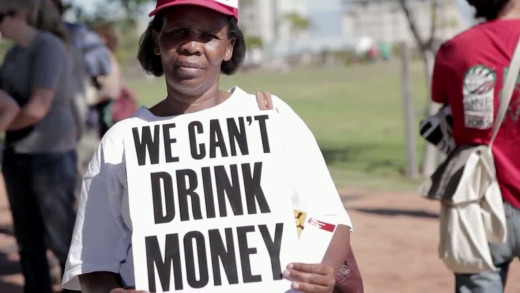 24:16
24:16Sales pitches and PR for gas drilling are quick to dismiss claims that gas drilling and hydraulic fracturing processes are controversial. The direct evidence on the ground throughout the United States tells a different story however -- toxic chemical spills, gas leeching, contaminated water supplies throughout the country, as well as many documented cases of ill health and sickness. As energy companies look to frack elsewhere outside the United States -- in Europe, South Africa, Australia -- The Fracking Façade provides yet more timely evidence of the warnings to heed from fracking and it's devastating ecological impact so far...
 44:50
44:50While advertising is clearly a visible component of the corporate system, perhaps even more important and pervasive is the often-invisible partner—the public relations industry. Toxic Sludge Is Good For You illuminates this hidden sphere of the corporatocracy, examining the way in which the management of public discourse has become central to how society has been usurped and is controlled by political and economic elites. The film tracks the development of the PR industry from its early efforts to win popular support for World War I, to the role of crisis management in controlling damage to the corporate image, while analysing the tools PR people use to manipulate public perceptions.
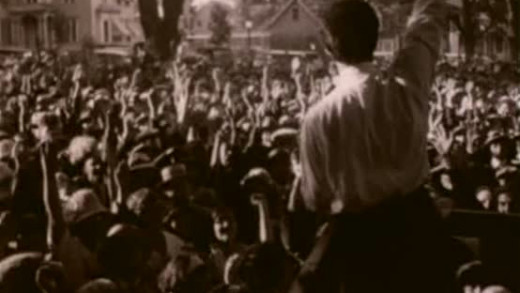 1:29:38
Along the way to winning an eight-hour workday and fair wages in the early 20th century, the Wobblies were one of the few unions to be racially and sexually integrated and often met with imprisonment, violence, and the privations of prolonged strikes. The Wobblies airs a provocative look at the forgotten American history of this most radical of unions, screening the unforgettable and still-fiery voices of Wobbly members -- lumberjacks, migratory workers, and silk weavers -- in their 70s, 80s, and 90s.
 51:15
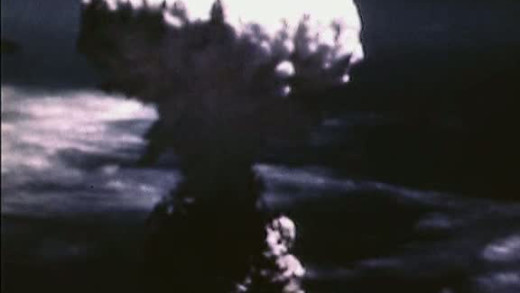
51:15On 8th August 1945, the United States dropped its second atomic bomb on Nagasaki, Japan, three days after the bombing of Hiroshima. The city was a veritable apocalyptic vision, devastated by this new type of weapon. Nagasaki -- The Horror Of Fat Man documents the memories of survivors, both Japanese civilians and Western Prisoners Of War, as they relate the morbid aftermath of the bombings, the United States occupation, and the segregation that still effects fallout victims to this day.
 1:35:39
Every day in Vienna the amount of unsold bread that is sent back and thrown away is enough to supply Austria's second-largest city, Graz. Around 350,000 hectares of agricultural land, above all in Latin America, are dedicated to the cultivation of soybeans to feed Austria’s livestock, while one quarter of the local population starves. Every European eats ten kilograms a year of artificially irrigated greenhouse vegetables from southern Spain, with water shortages as the result. We Feed The World is a film about food and globalisation, fishermen and farmers, long-distance truck drivers and high-powered corporate executives, the flow of goods and cash flow, a film about scarcity amongst plenty.
 24:32
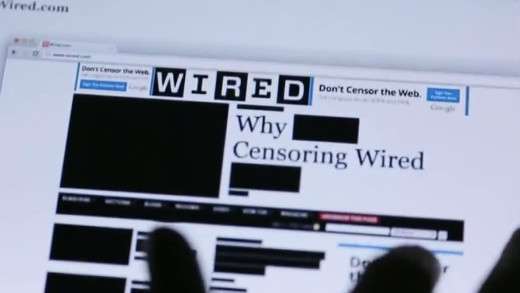
24:32In January 2012, two controversial pieces of legislation were making their way through the United States Congress. SOPA, the "Stop Online Piracy Act", and PIPA, the "Protect Intellectual Property Act", were meant to 'crack down' on the illegal sharing of digital media. The laws were drafted on request of the 'content industry' -- Hollywood studios and major record labels. But websites reacted against the government to speak out against SOPA, and the bill was effectively killed off after the largest online 'protest' in history. But it was only one win in a long battle between authorities and online users over Internet regulation. SOPA and PIPA were just the latest in a long line of 'anti-piracy' legislation that governments have been pressing since the 1990s. Can and should the internet be controlled? Who gets that power? How far will the United States government go to control the Internet?
 52:09
52:09Consumed -- The Human Experience explores the impacts of consumerism across the globe. The film visits consumed landscapes, looking at the personal, social and community implications of consumption along the way...
 48:38
48:38A Farm For The Future follows wildlife film maker Rebecca Hosking as she investigates how to transform her family's farm in Devon, England, into a low energy farm with future peak energy concerns considered. With her father close to retirement, Rebecca returns to the farm to become the next generation to work the land, and the journey begins as she realises that all food production in the UK is completely dependent on cheap, abundant fossil fuel, particularly oil. After setting out to discover just how 'secure' the oil supply is and being alarmed by the answers, Rebecca is motivated to explore ways of farming without using fossil fuel. With the help of pioneering farmers and growers, A Farm For The Future shows that it is actually a return to nature that holds the key to farming in a low-energy future.
 24:55
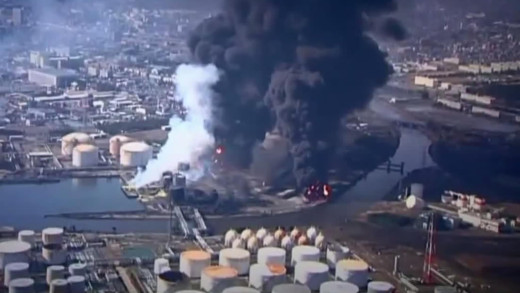
24:55On 11th March 2011, a 9.0 magnitude earthquake unleashed a devastating tsunami destroying whole Japanese towns and villages. It also hit the Fukushima Daiichi nuclear power plant, damaging four reactors and leaking radiation. As the toxic fallout affects the health, safety and livelihood of millions, Japan faces its biggest-ever backlash towards nuclear power. Anti-nuclear activism in Japan has been on the rise along with calls for changes in energy policies generally. And from being the world's third-highest user of nuclear energy, the country now has only five of its 54 reactors working, but lengthened the time-span of its oldest reactors by 20 years. What's going on?
 21:55
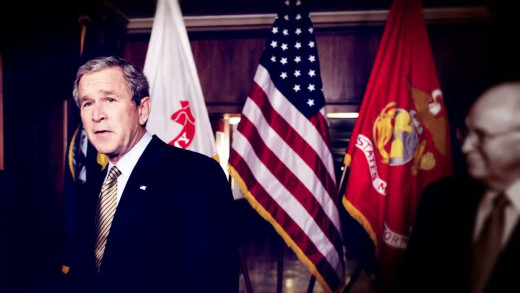
21:55To this day, questions remain about what really happened in New York and Washington DC on 11th September 2001. All over the world and over a decade later, people still question the official story and the veracity of the explanations given for the events that took place that day. The Sensible Doubt meets with 6 Danes who talk about their doubt and scepticism of the official story espoused by the United States government and global mainstream media, and how they've come to their conclusions...
 49:21
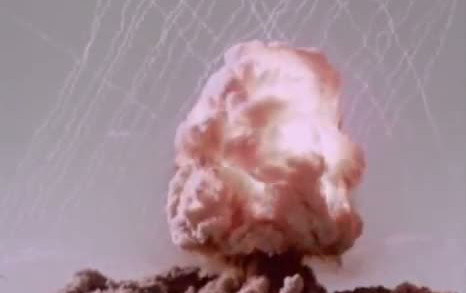
49:21Atomic Confessions investigates the devastating effects of atomic weapons testing carried out in Australia by the British military during the 1950s. Members of the Australian Army, Air Force and Navy detail former top-secret aspects of the tests, while prominent Aboriginal Elders describe the real impacts on the ground. Using archival film and photographs, as well as eye witness accounts, Atomic Confessions chronicles the consequences of nuclear testing imposed on the Australian people, and the land, showing that these tests are not just skeletons of the past...
 44:10
44:10Spoil
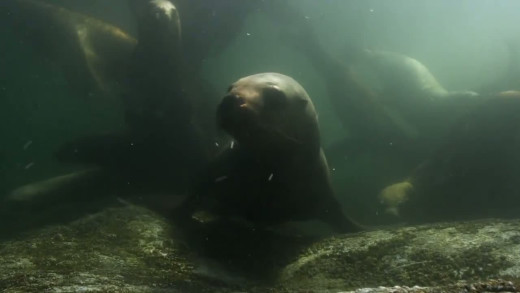
A group of conservation photographers travel to British Columbia, Canada, to capture the region in response to plans by several oil companies who want to build a pipeline for export from the Alberta tar sands, across British Columbia to the coast of the Great Bear Rainforest. The tar sands in northern Alberta are the largest, most destructive industrial projects in human history. The proposed pipeline not only threatens this area, but many others across Canada and indeed the world. Spoil follows several renowned photographers and videographers who show the Great Bear Rainforest's landscapes, wildlife, and indigenous culture; calling to act before it's too late...
 1:30:17
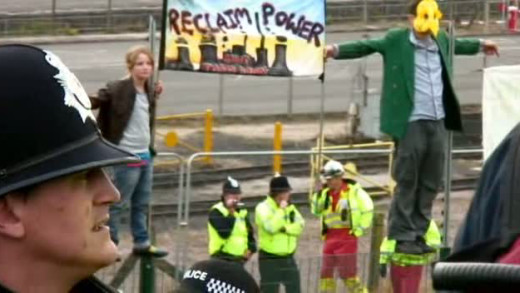
Just Do It -- A Tale of Modern-Day Outlaws follows a group of activists in the UK to document their protests and actions over one year dealing with issues around climate change. Demonstrations at Copenhagen’s 2009 G20 summit and at the Drax coal power station in North Yorkshire, England, are just some of the events documented.
 53:53
53:53Tough Guise
Tough Guise -- Violence, Media and the Crisis in Masculinity examines the relationship between the images pervasive in popular culture, and the construction of so-called masculine identities from them.
 53:48
53:48What stories do contemporary music videos tell about girls, women, boys, men, sexuality and gender? What are the cultural values portrayed? And from whose perspective? Dreamworlds encourages viewers to consider how these narratives shape individual and cultural attitudes about sexuality. Illustrated with hundreds of examples, the film accounts both the continuing influence of music videos and how popular culture generally filters the identities of young men and women through a narrow and dangerous set of myths about sexuality and gender; asking viewers to re-look at the images that have been normalised and meanings taken for granted throughout popular culture...
 1:53:35
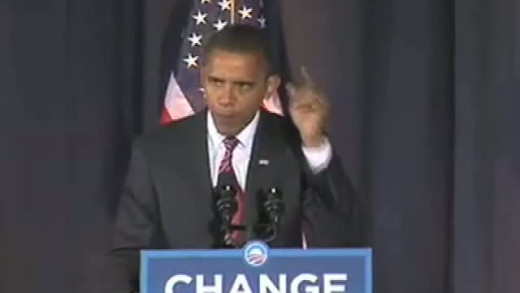
Lifting The Veil explores the historical role of political parties in the United States as the graveyard of social movements, the massive influence of corporate financing in elections, the absurd disparities of wealth, the continuity and escalation of neoconservative policies with the Obama administration, the insufficiency of mere voting as a path to reform, and differing conceptions of democracy itself. Lifting The Veil exposes the vast hypocrisy of the United States government, with a sense of urgency to bring about real systemic social and political change...
 16:14
16:14Robot Wars
Robot Wars visits companies in the United States that are producing robots for the military to disarm bombs, fly unmanned aircraft (drones), withstand repeated attacks and even choose targets and fire without any human intervention. The rapid development of autonomous robots and the use of them right now is surging ahead at a crazy rate, all with little regard to ethical and psychological questions, concerns about technological privilege and other obvious impacts. With military robots currently being operated using video game controllers, is the line being blurred between fantasy and reality?
 1:30:02
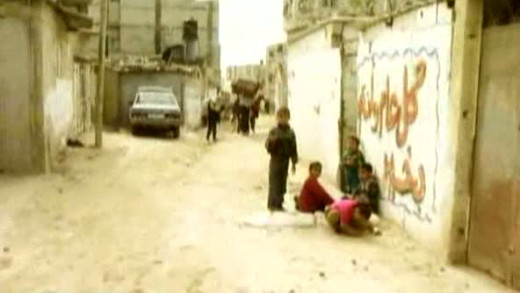
Occupation 101: Voice of the Silenced Majority details life in the West Bank and Gaza Strip under Israeli military occupation. Examining events from the rise of Zionism to the Second Intifada and Israel's unilateral disengagement plan, as well as the role of the United States in the occuption, this film gives voice to many American and Israeli scholars, religious leaders, humanitarian workers, and NGO representatives—more than half of whom are Jewish—who are critical of the injustices and human rights abuses stemming from Israeli policy in the West Bank, East Jerusalem, and Gaza.
 16:28
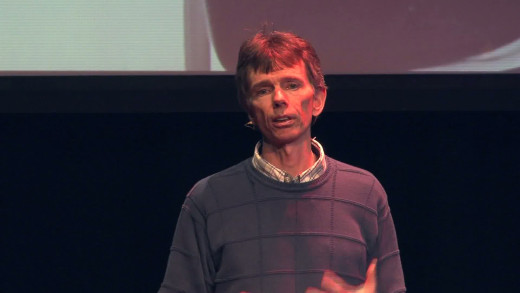
16:28The Great Porn Experiment asks the question: What is the hyperstimulation of today's Internet enticements doing to our brains?
 24:50
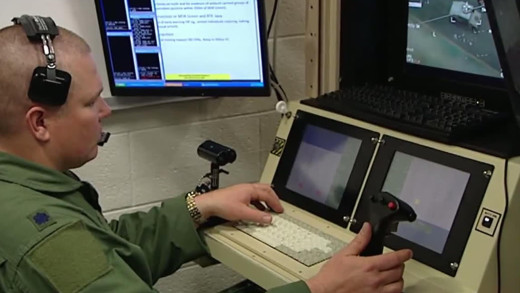
24:50The latest in the string of controversies as part of the United States' ongoing "war on terror", is the military's growing reliance on "Unmanned Aerial Vehicles" otherwise known as 'drones', evidenced by the international reaction to recent drone missile attacks along the border in Pakistan. The military is also deploying other technological advancements alongside, such as robots in the battlefield and drones that work in swarms. Is this just a big computer game? A new tech-driven arms race? It doesn't end there though -- drones are now creeping into use by police and the intelligence services as a surveillance tool, and even into commercial and civilian use...
 28:46
28:46Fire and Water
In 1983, the Australian Government approved the construction of Olympic Dam uranium mine at Roxby Downs in central South Australia, despite overwhelming opposition by the traditional indigenous land owners—the Kokotha and Arabunna people—and other Australian's in the community. With an approval for expansion of the mine 14 years later, this film documents one of the many events organised in protest of the mine, as well as other actions to raise awareness of the many impacts of uranium mining in Australia.
 42:43
42:43Payback Time
Payback Time recounts the experiences of Ramin Bakhtiarvandi as an asylum Seeker in Australia's Detention Centres from June 2000. After his release from a 4 year long detention, Ramin receives a $227,000 bill from the government. Payback Time raises serious questions about the conduct of the Australian Government to this day when dealing with asylum seekers, as well as revealing the harsh realities of a racist culture and complicit mainstream media.