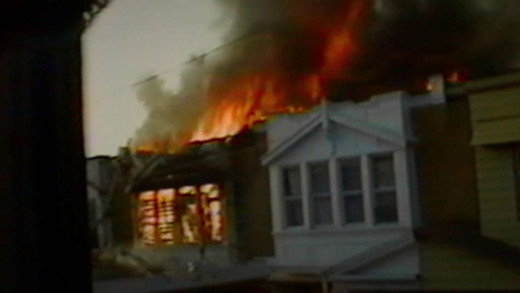
 1:35:04
Let the Fire Burn documents the conflict of the City of Philadelphia and the Black Liberation organisation MOVE, that led to a disastrously violent confrontation in 1985. MOVE was originally established as a "back to nature" movement that practised green methods, and in May 1985, the Philadelphia Police Department decided to take action to evict the group from their row house at 6221 Osage Avenue. When gunfire broke out and tear gas was not enough to pull the MOVE members out of the house, the police decided to drop explosives on the house. A fire soon began to blaze, endangering the several children now trapped inside the house. In a controversial decision, the police opted to let the fire burn, resulting in the destruction of over 60 homes and the death of five children and six adults. Eleven people died in the resulting fire, and more than 250 people in the neighbourhood were left homeless. Ramona Africa, one of the two survivors, said that police fired at those trying to escape. The investigation commission that followed found that city leaders and law enforcement had acted negligently, but no criminal charges were filed.
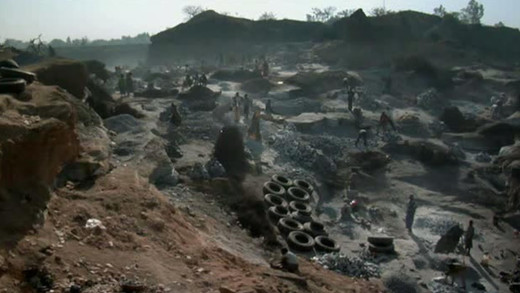 1:47:39
Let's Make Money investigates the development of the world-wide financial system, showing that elitists economically exploit the rest of society, especially in the developing world, but also in western nations. Using the savings of a typical depositor as a case study, the film moves around the global system, showing exploitation at many levels. There are several interviews with investment managers, politicians, economists as well as homeless people and workers who give their take on the system and its impacts...
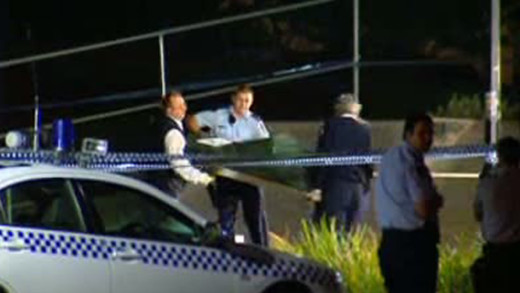 45:10
45:10Lethal Force takes a detailed look at four incidents, in different parts of Australia, where people suffering mental illness or psychological distress died after being shot or tasered by police. Specifically detailed is how in certain cases, the victims had even sought help at hospital and after having left of their own free will, were shot dead by police...
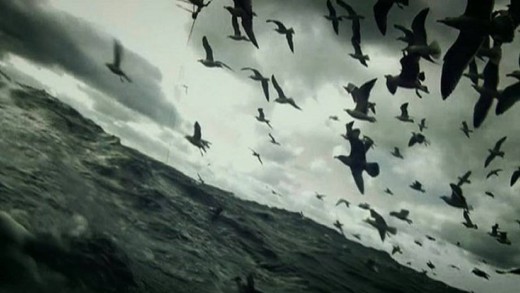 1:28:01
Leviathan is an immerse film documenting the toll that commercial fishing continues to take on the life of the ocean. The message is explicit in the imagery of the film, which largely avoids exposition and context; goes on without narration, unfolding largely in the dark of night. Attesting to the power of estrangement and visceral imagery, Heavy-metal music coincides with heavy machinery, grinding gears and chains, to also similarly portray the repetitive hard-work of trawling life, against the collapse of ocean-life.
 21:52
21:52The terms 'liberal' and 'radical' have been thrown around a lot in political discourse over the past decades, largely with lost meaning. This is a significant gap in our political understandings as the worldview of liberal activists and radical activists are conceptually different--an education that most of us never had. Writer and activist Lierre Keith regrounds these differences as part of a larger understanding of how effective resistance can be nurtured and sustained.
Life
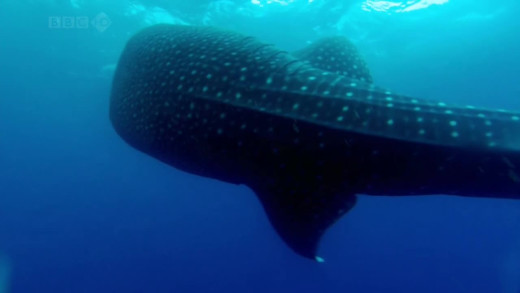
Life is a ten part series that takes a global view of the specialised strategies and behaviour that living things have developed in order to survive. The series illustrates the common features that have contributed to the success of each species, focusing in on specific groups as the series progresses.
 49:04
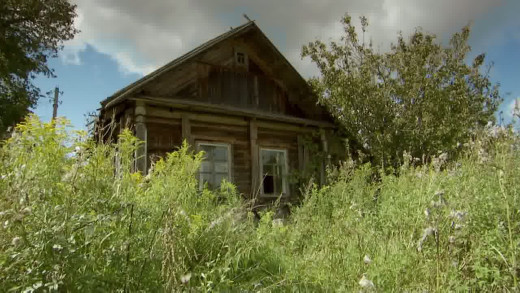
49:04In 1986, a catastrophic nuclear accident occurred at the Chernobyl Nuclear Power Plant in Ukraine. An explosion and fire released large quantities of radioactive contamination into the atmosphere, which spread over much of Western USSR and Europe. Life After Chernobyl uses this event to show how wild nature reacts and survives when the world is suddenly rid of the impacts of industrialisation. Travelling to the site of Chernobyl, animals return, forests regrow, buildings disintegrate into grass -- perhaps saying in a rather horrific way that a nuclear accident is better for the natural world than industrial civilisation...

Life In Cold Blood is a five part series studying the evolution and habits of amphibians and reptiles, presented by David Attenborough.
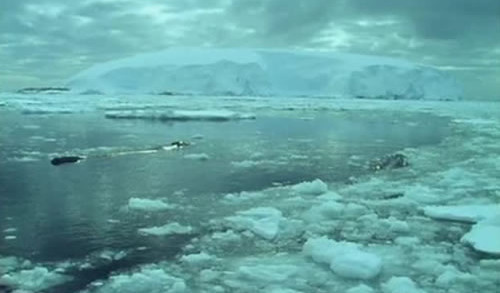
Life In The Freezer is a study of the seasonal cycle of Antarctica, exploring how different species survive throughout the course of a year.
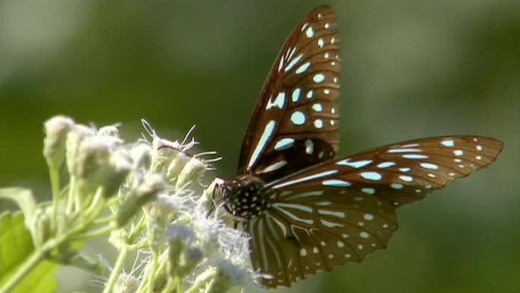
Life In The Undergrowth specifically focuses on the life, evolution and habits of invertebrates from all over the world.
 59:50
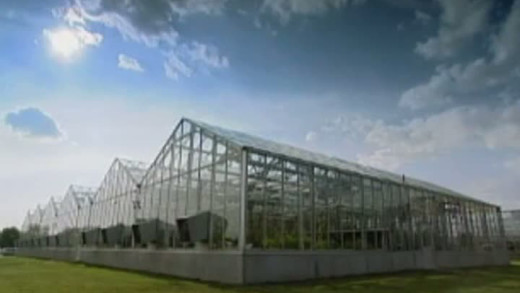
59:50The controversies of corporations owning DNA, enforcing patents on living species, and pushing Genetically Modified seeds and crops across the globe, come together in Life Running Out Of Control. The battle between corporations and farmers is central to the film, with rapacious corporations such as Monsanto making claims that they are "improving upon nature," only to be met with fierce opposition from farmers, activists and local communities that show this is not the case. The film also explores the issues of the loss of biodiversity, to health concerns about Genetically Modified food, to the effects of GMOs in the environment.
 1:53:35
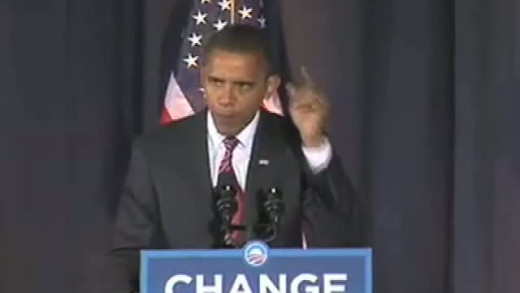
Lifting The Veil explores the historical role of political parties in the United States as the graveyard of social movements, the massive influence of corporate financing in elections, the absurd disparities of wealth, the continuity and escalation of neoconservative policies with the Obama administration, the insufficiency of mere voting as a path to reform, and differing conceptions of democracy itself. Lifting The Veil exposes the vast hypocrisy of the United States government, with a sense of urgency to bring about real systemic social and political change...
 56:24
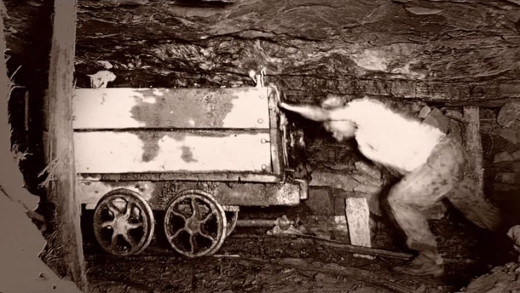
56:24In 1929, in the face of collapsing demand for coal and a deepening economic crisis, mine owners in the Hunter Valley of New South Wales, Australia; announced, with the support of government, that they would cut miners' wages and strip them of their workers rights. When the workers refused to agree to these terms the mine owners locked the gates. 10,000 miners, pit boys and their families now found themselves without a job. What began as an dispute about industrial labour ended up overpowering a government, crippling an industry and besieging a community. This event challenged the rights of every Australian worker, and redefined the political and industrial landscape of a country that witnessed an event forever remembered as 'The Great Australian Lockout.'
 1:38:35
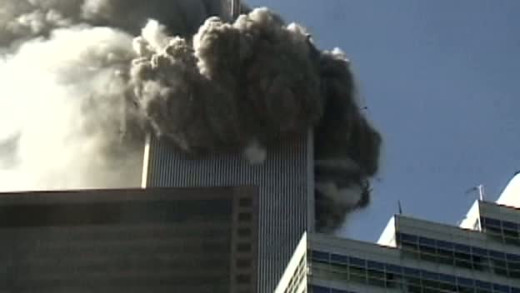
Loose Change is a series of films that present evidence that the September 11, 2001 attacks were planned and conducted by elements of the United States government. The series also examines anomalies in the historical record of the attacks while drawing comparisons from some of the many mysterious and renowned events that have reshaped world history, such as the Reichstag Fire in 1933 that catapulted Hitler to dictatorship and the Gulf of Tonkin Incident in 1964 that led to the Vietnam War.
 51:10
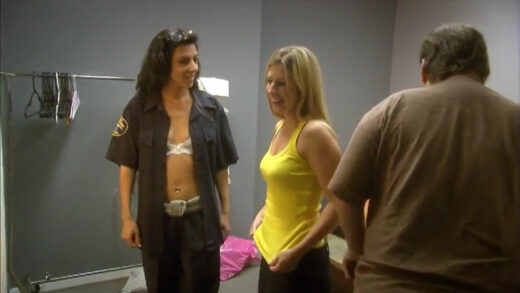
51:10How has a culture of readily-accessible and ubiquitous pornography that is largely free-to-view on laptops, mobile phones, and televisions, shaped young peoples' nascent ideas and expectations of love, sex and relationships? This short follows a group of teenagers who, with unflinching honesty and realism, reflect on the influence of porn on their lives. Has it changed their sexual tastes and behaviours? What are the differences between boys and girls in their approach to porn? What is the effect of the porn industry's move into ever more hardcore scenes? With exclusive behind the scenes access to the stars and directors at the centre of the international porn industry in LA and Budapest, Love and Sex in an Age of Pornography provides intimate insights into all sides of the porn industry--from the gritty details of porn's production, to its effects on curious youngsters.
 1:13:39
Love Child
In 2010, the death of a three-month-old baby in South Korea named Sarang (translated as Love) became an international news story—the parents had neglected her to play an online fantasy game. She died primarily of malnutrition. But instead of merely condemning the parents, Love Child takes a different approach by looking at some issues that led to the parents addiction and how their child became oblivious to them. The film then expands to view the way South Korea's standing as a world leader in Internet technologies has adversely affected its society, speaking also globally, where the virtual world now trumps the real world for many millions of people, with extreme consequences.
 31:44
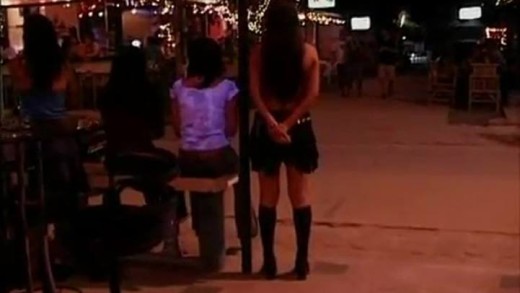
31:44With its tropical beaches and buzzing nightlife, the island of Koh Samui in the Gulf of Thailand attracts many hundreds of thousands of tourists each year. The island is renowned in the West for sex tourism, and every year many male tourists form relationships with women working in the bars of Koh Samui. But how does this work? And what dynamics are at play? Love Me Long Time is a film that speaks to the men that travel back and forth to Thailand for these holiday romances that are for sale in a country ravaged by the oppression of the west, human trafficking and prostitution driven by poverty. Do these men know what they're doing?
 1:46:41
Lucent
Lucent is a grim accounting of the realities of factory farming in Australia. Documented are some of the conditions and day-to-day operations of industrial meat production—from farrowing crates or cages, to artificial insemination, to so-called free range; and of course, to mechanistic slaughter devoid of exchange. The film focuses mainly on pigs but also briefly looks at the issues facing other animals raised and killed for food in industrial conditions.
 1:29:20
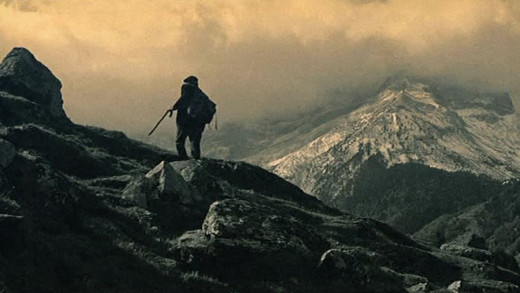
There are plenty of anarchists in the world. Many have committed robbery or smuggling for their cause. Fewer have discussed strategies with Che Guevara or saved the skin of Eldridge Cleaver, the leader of the Black Panthers. There is only one who has done all that, and also brought to its knees the most powerful bank in the world by forging travellers cheques, without missing a single day of work bricklaying. He is Lucio Urtubia from a tiny village in Navarra in North of Spain. Lucio, 75, now lives in Paris, still doing valued political work. Lucio has been protagonist and witness to many of the historic events of the second half of the 20th century. His family was persecuted by Franco's regime; he was on the streets of Paris for the phenomenon of May of 1968; he actively supported Castro's revolution; and helped thousands of exiled people by providing false documents to them. But without a doubt, his greatest triumph came in the second half of the 1970s where he swindled 25 million dollars from the First National Bank--or Citibank--to later invest the money in causes he believed in.
 25:01
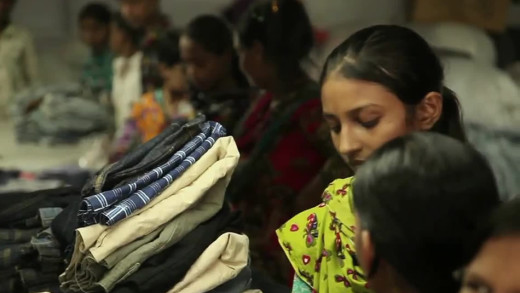
25:01In November 2012, yet another incident at a textiles factory in Bangladesh killed at least 112 people. Walmart’s brand shorts were among the clothing found in the charred remains. Walmart blamed its supplier, saying the order had been sub-contracted without its permission. With this example among the many, Made in Bangladesh illustrates the complex organisation of corporate obfuscation--the industries that continue to drive sweat shops, slave labour and child labour under a very clever hall of mirrors...
 2:08:02
Maïdan
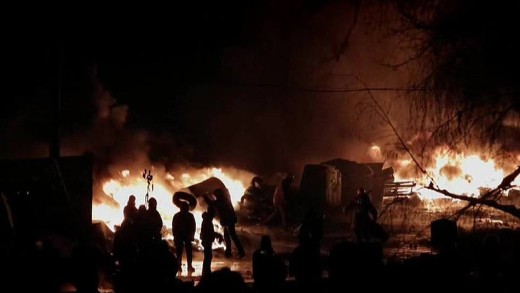
Maïdan is an observational film that documents the civil uprising and revolution that toppled the government of president Victor Yanukovich of Ukraine in 2014, and has since developed into an international crisis between Russia and the West. In long unedited strides, the film portrays the protests progressing over time from peaceful rallies, half a million people strong, to bloody street battles between protesters and riot police in Kiev's Maidan Nezalezhnosti (Independence Square).
Making Sense of the Sixties is a six part series analysing certain facets of the social and political upheaval of the 1960s and beyond in the United States. The series chronologically examines the cultural and political changes which shaped the era and left an indelible mark on later decades. From the assassinations of John F. Kennedy, Robert Kennedy and Martin Luther King; to the rapidly escalating atrocities in Vietnam; to the height of the Cold War and the Space Race, Making Sense of the Sixties weaves historical retrospect with the experiences of ordinary people to capture the mood and mindset of the era.
 2:47:16
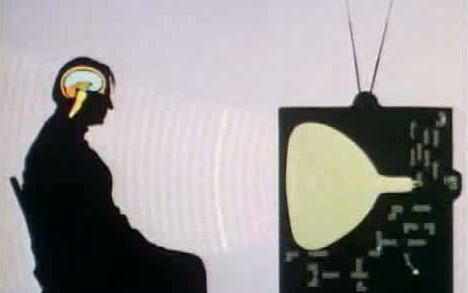
Manufacturing Consent -- Noam Chomsky and the Media explores the political life and ideas of Noam Chomsky, the renowned American linguist and political activist. Drawing on specific examples such as the corporate media coverage of the Indonesian occupation of East Timor and the atrocities of the Khmer Rouge regime of Cambodia, Manufacturing Consent shows how the collusion of government and media running the powerful propaganda machines that manipulate the opinions of the masses, is manufacturing consent.
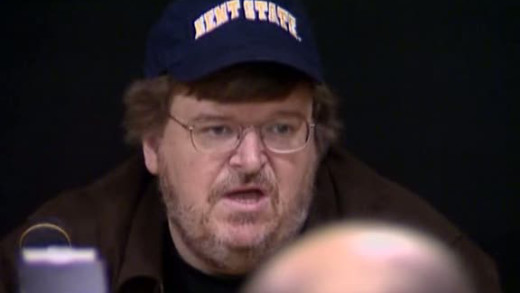 1:37:17
To the movie-going public, Michael Moore is known as a corporate big-wig buster and perhaps the mainstream media's most vocal opponent of the Republican Party. But what happens when the hunter becomes the hunted? In this film, Canadian creators Debbie Melnyk and Rick Caine find out first hand. While originally intending to create a biography of Moore stemming from their own great admiration for his work, the creators find that they have become disenchanted with many of Michael Moore's 'tactics' and the story takes an interesting twist...
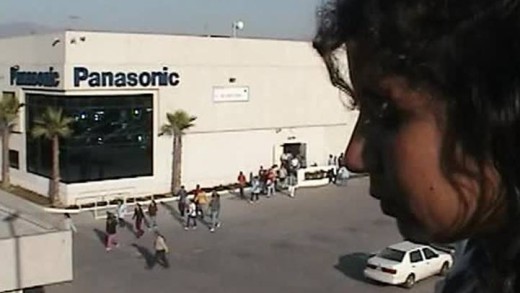 1:08:17
In Mexico, 'maquiladoras' is a word used to describe the sort of factories that have become commonplace with globalisation—mass assembly and manufacturing plants primarily staffed by women for low wage and long hours in unsafe and toxic conditions. Tijuana has attracted so many such factories that it has gained the nickname Maquilapolis. Delving into the landscape of this, this film asks the question: What is the human price of globalisation? Maquilapolis brings American and Mexican-American filmmakers together with Tijuana factory workers and community organisers to answer that question and tell the story of globalisation through the eyes and voices of the workers themselves. The result is a film to inform and inspire, as each day the workers confront labor violations, environmental devastation and urban chaos...
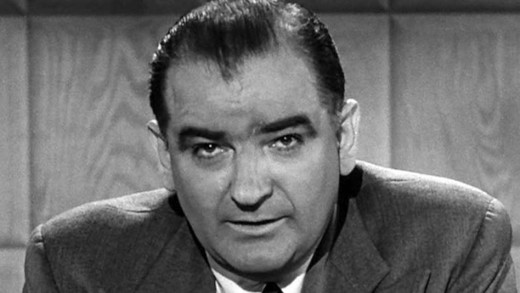 1:50:13
McCarthy chronicles the rise and fall of Joseph McCarthy, the United States senator who came to power after a stunning victory in an election that no one thought he could win. Once in office, he declared that there was a vast conspiracy threatening the United States--not emanating from a rival superpower, but from within. Then, without restraint or oversight, he conducted a vast crusade against those he accused of being "enemies of the state," a chilling campaign marked by groundless accusations, bullying, intimidation, grandiose showmanship, and cruel victimisation. With lawyer Roy Cohn at his side, McCarthy belittled critics, spinning a web of lies and distortions while spreading fear and confusion. After years in the headlines, he was brought down by his own excesses and overreach.
 1:22:13
McLibel
McDonald's loved using the UK libel laws to suppress criticism. Major media organisations like the BBC and The Guardian crumbled and apologised. But then they sued environmental activists Helen Steel and Dave Morris. In what then became the longest trial in English legal history, McLibel documents the two activists who represent themselves against McDonald's £10 million legal team with the marathon battle finally concluding at the European Court of Human Rights. The result takes everyone by surprise -- especially the British Government...
 1:46:18
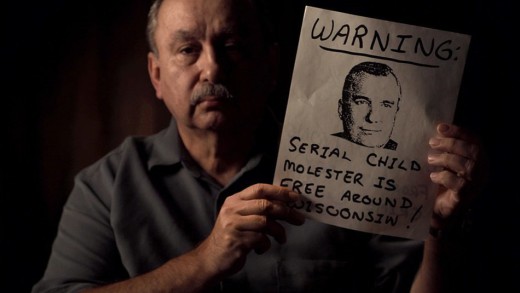
Mea Maxima Culpa: Silence in the House of God examines the systemic abuse of children in the Catholic Church told through the story of four deaf men who set out to expose the priest who abused them during the mid-1960s. Each of the men brought forth the first known case of public protest against clerical sex abuse, which later lead to the sex scandal case known as the Lawrence Murphy case. Through their case, the film follows a cover-up that winds its way from the row houses of Milwaukee, Wisconsin, through to Ireland's churches, and all the way to the highest office of the Vatican.