 48:42
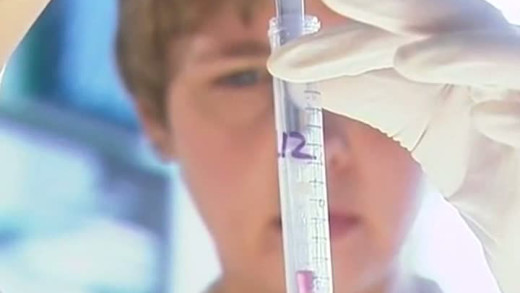
48:42Ever since February 1997, when genetic scientists first unveiled 'Dolly' the cloned sheep, has genetic engineering pushed towards the desire to clone and genetically modify human beings. Since then, cloned cattle, pigs, goats and mice have been produced amongst other things, fuelling the belief that humans can be next. But what are the problems with this manipulation? Cloning The First Human follows the latest research, which not only shows complications from an ethical position, but much more dangerous ones too...
 54:23
54:23Agent Orange was the codename for one of the herbicides and defoliants used by the United States military as part of its chemical warfare program--Operation Ranch Hand--which ran for ten years during the Vietnam War from 1961 to 1971. During this time, the military sprayed nearly 80,000,000 litres of toxic chemical and defoliants mixed with jet fuel in Vietnam, eastern Laos and parts of Cambodia. The supposed goal being to destroy forested and rural land, depriving guerrillas of cover and to induce forced-draft-urbanisation, destroying the ability of peasants to support themselves, forcing them to flee to the cities dominated by US forces, depriving the guerrillas of their rural support base and food supply...
 48:42
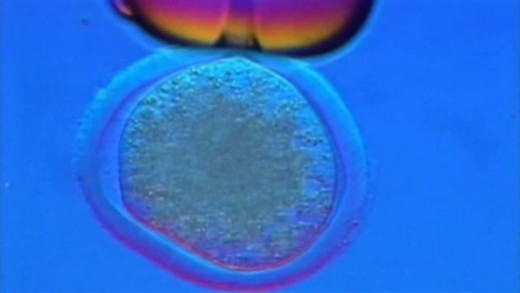
48:42After many experiments with cloning and genetically manipulation on other species, technology and genetic science is now turning to the frontier of the human. Every parent wants their child to be healthy, but does this extend to picking their genes for them? What about those who are unable to have children naturally for whatever reason, who turn to artificial insemination or genetic modification? Is this designing children? What are the repercussions in a world dominated by genetically modified people? Will we evolve into a new species and transcend our history to one of inclusion and harmony? Or, will we simply end up in a world that is further divided -- by genetic apartheid?
 46:31
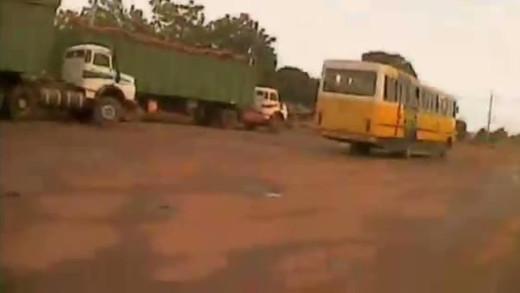
46:31The Dark Side Of Chocolate follows a team of investigative reporters into Africa where human trafficking and child labour fuel the chocolate industry worldwide. The film travels to Mali where hidden footage reveals the trafficking of small children to the cocoa fields in the neighbouring Ivory Coast and elsewhere. What is happening behind the sweet imagery of the chocolate industry?
 29:12
29:12Perfect Storm offers an initial analysis of the underlying causes and wider context surrounding the riots throughout England in 2011. Contrary to the portrayals presented by mainstream media and trite political rhetoric around law and order, the riots were sparked by poverty, inequality and frustration over police killing a young man in Tottenham. How does the damage weigh up to the criminal conduct of banks and corporate tax avoiders when the costs of the riots are over four thousand times less than the recent financial crisis? Whose priorities are at play here?
 49:21
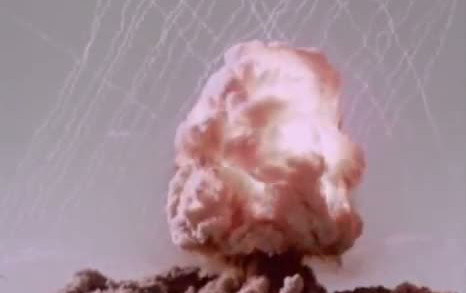
49:21Atomic Confessions investigates the devastating effects of atomic weapons testing carried out in Australia by the British military during the 1950s. Members of the Australian Army, Air Force and Navy detail former top-secret aspects of the tests, while prominent Aboriginal Elders describe the real impacts on the ground. Using archival film and photographs, as well as eye witness accounts, Atomic Confessions chronicles the consequences of nuclear testing imposed on the Australian people, and the land, showing that these tests are not just skeletons of the past...
 44:10
44:10Spoil
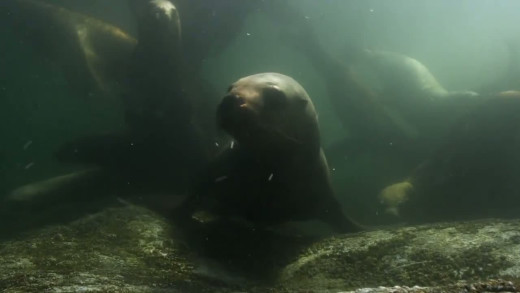
A group of conservation photographers travel to British Columbia, Canada, to capture the region in response to plans by several oil companies who want to build a pipeline for export from the Alberta tar sands, across British Columbia to the coast of the Great Bear Rainforest. The tar sands in northern Alberta are the largest, most destructive industrial projects in human history. The proposed pipeline not only threatens this area, but many others across Canada and indeed the world. Spoil follows several renowned photographers and videographers who show the Great Bear Rainforest's landscapes, wildlife, and indigenous culture; calling to act before it's too late...
 1:30:17
Just Do It -- A Tale of Modern-Day Outlaws follows a group of activists in the UK to document their protests and actions over one year dealing with issues around climate change. Demonstrations at Copenhagen’s 2009 G20 summit and at the Drax coal power station in North Yorkshire, England, are just some of the events documented.
 53:53
53:53Tough Guise
Tough Guise -- Violence, Media and the Crisis in Masculinity examines the relationship between the images pervasive in popular culture, and the construction of so-called masculine identities from them.
 53:48
53:48What stories do contemporary music videos tell about girls, women, boys, men, sexuality and gender? What are the cultural values portrayed? And from whose perspective? Dreamworlds encourages viewers to consider how these narratives shape individual and cultural attitudes about sexuality. Illustrated with hundreds of examples, the film accounts both the continuing influence of music videos and how popular culture generally filters the identities of young men and women through a narrow and dangerous set of myths about sexuality and gender; asking viewers to re-look at the images that have been normalised and meanings taken for granted throughout popular culture...
 1:53:35
Lifting The Veil explores the historical role of political parties in the United States as the graveyard of social movements, the massive influence of corporate financing in elections, the absurd disparities of wealth, the continuity and escalation of neoconservative policies with the Obama administration, the insufficiency of mere voting as a path to reform, and differing conceptions of democracy itself. Lifting The Veil exposes the vast hypocrisy of the United States government, with a sense of urgency to bring about real systemic social and political change...
 16:14
16:14Robot Wars
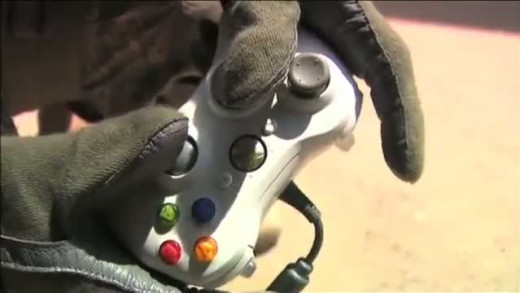
Robot Wars visits companies in the United States that are producing robots for the military to disarm bombs, fly unmanned aircraft (drones), withstand repeated attacks and even choose targets and fire without any human intervention. The rapid development of autonomous robots and the use of them right now is surging ahead at a crazy rate, all with little regard to ethical and psychological questions, concerns about technological privilege and other obvious impacts. With military robots currently being operated using video game controllers, is the line being blurred between fantasy and reality?
 1:35:39
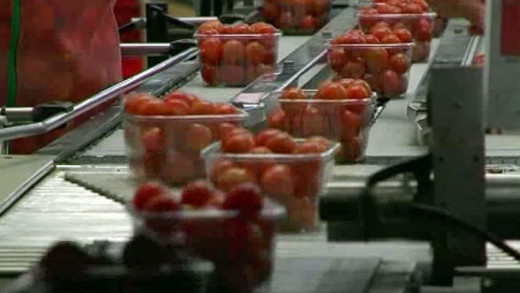
Every day in Vienna the amount of unsold bread that is sent back and thrown away is enough to supply Austria's second-largest city, Graz. Around 350,000 hectares of agricultural land, above all in Latin America, are dedicated to the cultivation of soybeans to feed Austria’s livestock, while one quarter of the local population starves. Every European eats ten kilograms a year of artificially irrigated greenhouse vegetables from southern Spain, with water shortages as the result. We Feed The World is a film about food and globalisation, fishermen and farmers, long-distance truck drivers and high-powered corporate executives, the flow of goods and cash flow, a film about scarcity amongst plenty.