 1:20:48
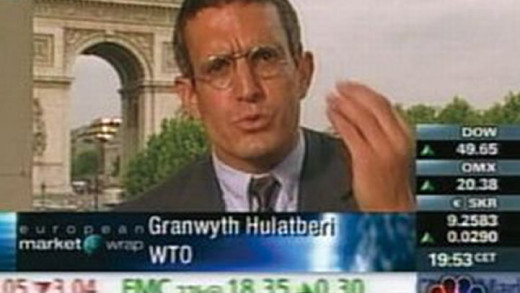
The Yes Men are a culture-jamming activist-duo from the United States that are known for their impersonations of entities that they dislike as a form of protest. Using spoofed personas, they spread awareness of problematic social issues through the mainstream media. The two have also created and maintained fake websites, which have even led to numerous interviews, conferences, and TV invitations for their spoofed personas to espouse the truth about just how corporations and governmental organisations often act in dehumanising ways toward the unwitting public. In this film, we see how the two Yes Men take on the World Trade Organisation and confront the brutal realities of globalisation using satire and tactical media to get their message across, culture-jamming the corporate interest.
 51:58
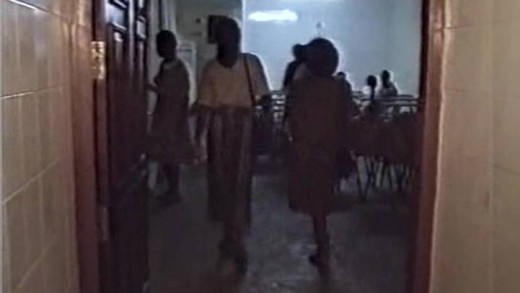
51:58Globalisation has gone to great lengths to coerce many countries around the world to open 'free trade zones' for Western markets, where businesses receive special tax benefits and other rewards for operating factories and exploiting cheap labour. The argument, as is always cited, is for growth of the global economy. Free Trade Slaves sets out to examine these ideas by looking at the realities of such practice. Told from the perspective of the workers in Sri Lanka, El Salvador, Mexico and Morocco; the film exposes systemic human rights abuses, harrowing environmental destruction, birth defects and other long lasting health problems and social issues. The filmmakers suggest that workers around the world need to assert the right to unionise and organise together to demand and retain decent conditions, and that consumers should do their part by boycotting companies that continue to abuse people and the environment.
 1:16:07
From the front-lines of conflicts in Mexico, Argentina, South Africa, Palestine, Korea, and the North; from Seattle to Genova and the "War on Terror" in New York, Afghanistan, and Iraq, The Fourth World War documents the stories of women and men all around the world who resist being annihilated in this war. Centred around economics and systems such as NAFTA, GATT, the G20, APEC and others, this is a war which plays along with the spread of rapacious globalisation, a feat that has pervasive consequences in the real world...
 1:36:16
Trashed
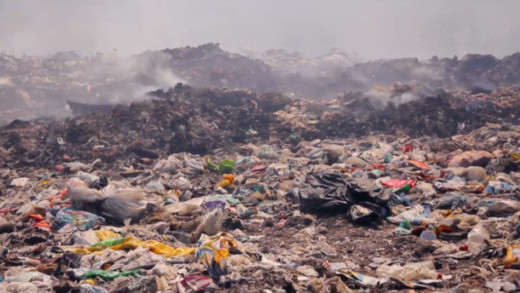
Trashed sets out to discover the extent and effects of garbage on the natural world. The film travels to beautiful destinations now tainted by pollution, through conversations with scientists, politicians, and people whose health and livelihoods have been fundamentally effected by waste. We see unfettered garbage dumping in Lebanon effecting its own coastline, but also the entire Mediterranean sea; toxic waste mounds set near a school and a future hospital in England; garbage incinerators in Iceland and Japan; the effects of plastic, microplastics, chemical sludge, flame retardants, pesticides, herbicides, dioxins, and other chemicals from waste and their synergistic impacts the world over. Trashed is a call for urgent action to resolve the issue of existing waste, to drastically reduce consumption and output to significantly less harmful levels, while demonstrating how this is already being reached for in many communities around the world.