 41:57
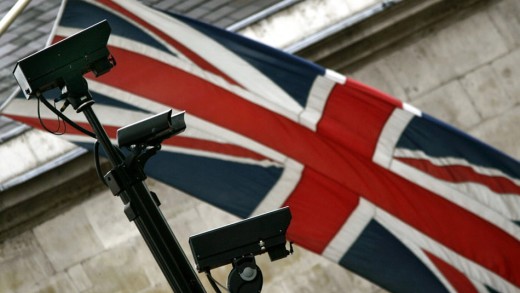
41:57Governments all around the world are using high-tech mass surveillance tools to monitor their citizens. Western corporations, including Britain's largest weapons manufacturer, BAE, are among those which are creating and selling mass surveillance infrastructures all across the globe, but especially to particularly repressive regimes. Weapons of Mass Surveillance makes example of what is happening throughout the Middle East where journalists, human rights advocates and activists are being targeted with surveillance tools developed by western corporations with extreme real-world consequences. Political opponents to tyrannical power are targeted, jailed, and in some cases, tortured or "disappeared." This shows the power of mass surveillance tools for great harm, and how the west is culpable in perpetuating systemic repression both at home and abroad.
 58:37
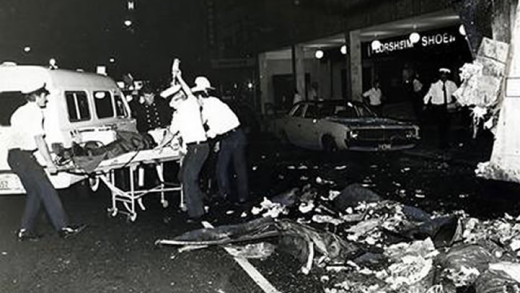
58:37In 1978, Australia was shocked by the explosion of a massive bomb placed in a rubbish bin outside the Sydney Hilton Hotel in NSW. The perpetrators were never found. However, evidence that the Australian security and intelligence forces may have been responsible resulted in the NSW State Parliament unanimously calling for an inquiry in 1991 and then again in 1995. The Federal Government vetoed any inquiry. No investigation was held. The government then set-up the Australian Federal Police and increased support for "anti-terrorist measures"...
 8:21
8:21The Program
The Program is a short film focusing on William Binney—a former highly placed intelligence official with the United States National Security Agency, turned whistleblower after revelations that a system he created for foreign intelligence gathering was turned inward for domestic spying at the behest of the Bush administration in 2001. For this, Binney resigned in October of that year and later began speaking publicly. He is among a group of NSA whistle-blowers, including Thomas A. Drake, who have each risked everything—their livelihoods, freedom, and personal relationships—to warn everyone about the dangers of the current era of mass surveillance.
 1:25:49
Nothing to Hide questions the growing surveillance state and its acceptance by the general public through the thought-terminating cliché, "If you've got nothing to hide, you've got nothing to fear" argument. What is shown is that this logic is incredibly complacent and dangerous, even just from a historical perspective, considering authoritarian regimes, past and present. Nothing to Hide sets out to turn this acquiescence around, by weaving together expert commentary through real-life examples. A person agrees to be tracked as part of a small experiment, to show a small insight into the sorts of data trails that are revealed throughout our every-day lives. What is extrapolated from there is the incredible power and insight into our lives that these technologies provide. Insights which corporations and governments alike use for social control and profiling. What kind of society is being perpetuated for ourselves and future generations?