 1:56:32
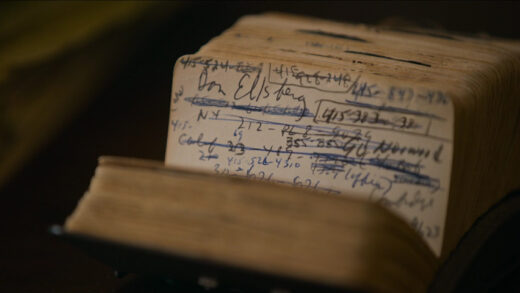
Cover-Up explores the investigative journalism career of Seymour Hersh, a Pulitzer Prize-winning journalist, exposing the United States' war crimes during the Vietnam War and the secret US bombing of Cambodia, the Watergate scandal, the CIA's program of domestic spying, and the torture and abuse of prisoners at Abu Ghraib during the war on terror and the invasion of Iraq.
 1:00:42
Surveilled follows journalist Ronan Farrow as he investigates the growing business of commercial spyware, from New York to Tel Aviv. The film documents the center of espionage cybertechnology in Israel with the NSO Group, developing the spyware Pegasus. Once a target of covert surveillance himself, Farrow explores the multi-billion-dollar industry, addressing the contradictory uses and implications of phone hacking: the ability to monitor criminal activity and the attendant threats to civil liberties. NSO Group markets Pegasus as a product for fighting crime and terrorism. But governments and corporations around the world routinely use the spyware to surveil journalists, lawyers, political dissidents, and human rights activists.
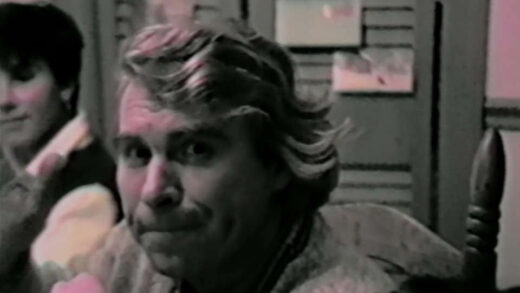
A documentary series that explores an investigation led by freelance writer Danny Casolaro on what he called "The Octopus," an elaborate conspiracy network involving the United States government and its covert operations. The series stems from the circumstances around Casolaro eventually being found dead in a hotel room. Researcher Christian Hansen revisits Casolaro's work and questions whether Casolaro actually died by suicide. The series tracks Casolaro investigating the circumstances around Inslaw's PROMIS software, a database system built to to aid law enforcement and legal prosecutors in tracking court cases, which the Department of Justice began using, stopped paying for, and then was later accused of stealing. The Iran-Contra affair also features, and the 1980 'October Surprise', where Ronald Reagan's presidential campaign covertly negotiated with Iran to delay the release of American hostages until after the election to influence its outcome. Through a cast of shady characters, the corporate world, spies, and interesting real and theorised information, The Octopus Murders is a murder mystery wrapped in major 20th-century scandals.
 1:31:38
Skandal!
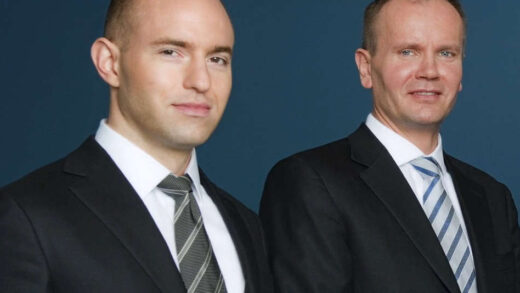
Skandal! Bringing Down Wirecard is a thriller documentary of one of the largest world-wide financial crimes. It follows journalist Dan McCrum, who reveals the inside story of a 6-year investigation into the German corporation Wirecard and the dirty tricks that were deployed against him and the Financial Times, as they battle to expose a multi-billion euro fraud at the centre of one of Germany's most successful online payment corporations of the time. The film traverses the colourful characters of the scam, such as the mafia, porn barons, gambling outfits, Libyan and Russian intelligence agencies, corporate spies, private investigators, hired thugs and surveillance operatives, demanding answers of the chief executive officer, Markus Braun, awaiting trial in Munich, and its mysterious chief operating officer, Jan Marsalek, who vanishes.
 3:50
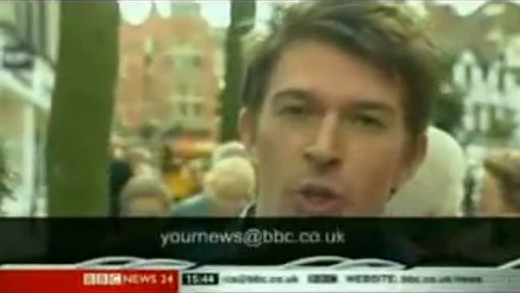
3:50This short film chronicles a metamorphosis of mainstream media and political power throughout the last decades, by looking at the role of the television journalist. In the early 1950s, not long after the invention of television itself, TV journalists essentially served as prompters for government figureheads and official viewpoints. This function changed somewhat however, with the political scandals of the 1960s and 70s, exemplified by Watergate, where some journalists joined the mainstream shift in society of questioning political power, big business and bureaucracy. Out of this boomed a new era of investigative journalism. But this ended with the fall of the Berlin Wall as the old certainties of "good and bad" and "right and left" were blurred and no longer simple. But rather than working to make sense of the complexity, journalism turned from moral principles to a simple reporting of experience, devoid of context. TV journalists now plead with the audience to send in photos and videos as a kind of so-called "democratised" media, but what actually functions as a vast echo-chamber of uncertainty and unaccountability.