 1:32:29
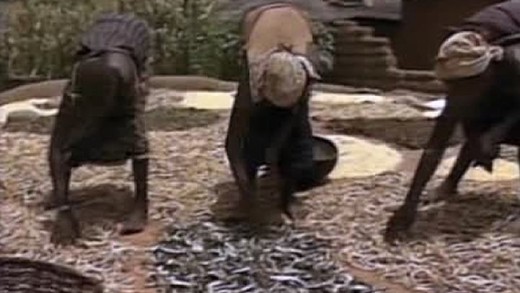
Is the human population going to outstrip the Earth's food supply? The effects of modern agriculture not only lead to a short term food surplus which quickly slipped as population boomed, but agriculture itself causes huge environmental problems such as soil erosion, salinity and chemical pollution—all further illustrating an impossible system in perpetuity. Food or Famine looks at projects in North America, Chile, Indonesia, Africa and India which are participating in a worldwide movement to return to local food growing methods based on the land and healthy ecological principles. The film also examines the worldwide imbalance between food consumption and production, stoking the need to confront the mounting challenges ahead...
 45:23
45:23Controlling Interest is one of the first documentary films to provide a critical analysis on the growth of multinational corporations, and their impacts on people and the environment. Upon its release, Controlling Interest quickly became a standard audio-visual text for those concerned about the growing impact of multinational corporations, examining how the ever-increasing concentration of money and power affects employment in the United States, shapes patterns of development across the world, and influences foreign policy. This is the film that helped kick-off the anti-globalisation movement. Remarkably candid interviews with business executives provide a rare glimpse of the reasoning behind corporate global strategy, and the never-ending search for resources, ever-cheaper labour, and the commodification of life. The film documents the impact of corporate decisions on people around the world, including how "freedom" has come increasingly to mean the freedom of global corporations to operate without restriction. Some of the case studies include Massachusetts' declining machine tool industry, Brazil's "economic miracle," and Chile before and after the 1973 coup.