 54:23
Agent Orange was the codename for one of the herbicides and defoliants used by the United States military as part of its chemical warfare program--Operation Ranch Hand--which ran for ten years during the Vietnam War from 1961 to 1971. During this time, the military sprayed nearly 80,000,000 litres of toxic chemical and defoliants mixed with jet fuel in Vietnam, eastern Laos and parts of Cambodia. The supposed goal being to destroy forested and rural land, depriving guerrillas of cover and to induce forced-draft-urbanisation, destroying the ability of peasants to support themselves, forcing them to flee to the cities dominated by US forces, depriving the guerrillas of their rural support base and food supply...
 1:19:03
When the United States devastated Hiroshima and Nagasaki with nuclear weapons in 1945, the bombs dropped were code-named 'Fat Man' and 'Little Boy' -- as part of the new propaganda campaign to create acceptable images of war, propagating the illusion that the world should live securely with nuclear weapons, and that it is the only way to 'enable peace'. By using reassuring and even soothing language, this new kind of propaganda spread all over the world...
 26:27
An Unjustifiable Risk investigates the many risks of plutonium usage in nuclear power generation and the use of fast-breeder reactors argued for the UK in the 1970s. The film turns to Hiroshima, Japan to illustrate the powerful destructive capacities of plutonium, feeding-back the personal experiences of those effected by nuclear weapons into the debate against nuclear power and its consequences...
 26:50
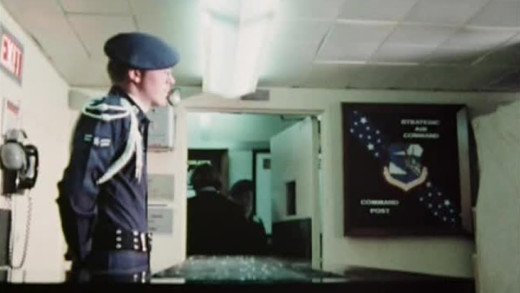
Mr Nixon's Secret Legacy covers the absurdity of the supposed logic behind "Mutual Assured Destruction" or MAD--a doctrine of military strategy and the national security policy of the United States during the cold war. During this time, MAD is supposedly disassembled, but replaced with a strategy called "Counterforce." This film investigates the propositions of "Counterforce," questioning the rhetoric of executing a "flexible, acceptable nuclear war."