 1:32:49
Merchants of Doubt looks at the well established Public Relations tactic of saturating the media with shills who present themselves as independent scientific authorities on issues in order to cast doubt in the public mind. The film looks at how this tactic, that was originally developed by the tobacco industry to obfuscate the health risks of smoking, has since come to cloud other issues such as the pervasiveness of toxic chemicals, flame retardants, asbestos, certain pharmaceutical drugs and now, climate change. Using the icon of a magician, Merchants of Doubt explores the analogy between these tactics and the methods used by magicians to distract their audiences from observing how illusions are performed. For example, with the tobacco industry, the shills successfully delayed government regulation until long after the health risks from smoking was unequivocally proven. Likewise with manufacturers of flame retardants, who worked to protect their sales after the toxic effects and pervasiveness of the chemicals were discovered. This is all made analogous to the ongoing use of these very same tactics to stall governmental action in regards to global climate change today.
 1:43:40
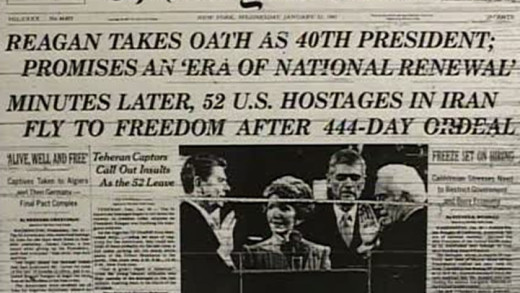
Could a media system, controlled by a few global corporations with the ability to overwhelm all competing voices, be able to turn lies into truth? This documentary examines the relationship between the media, corporations, and government. In a country where the top 1% control 90% of the wealth, the film argues that the media system is nothing but a subsidiary of the corporate world. Have we entered an Orwellian world of doublespeak where outright lies can pass for the truth?
 51:25
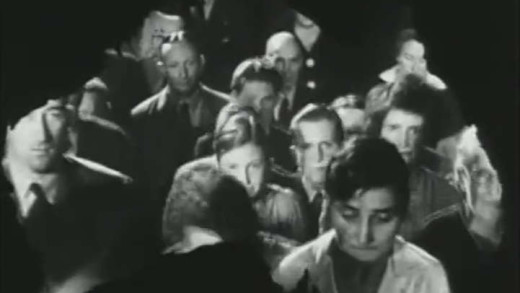
51:25Thanks Girls and Goodbye recounts the story of a group of women who worked on farms during the Second World War in Australia, dubbed "the land girls." Officially established by the government in 1942, the Australian Women's Land Army was set up to help fill the shortage of people-power in agriculture. Its story is symbolic of a far-greater number of women who participated in the vital activity of food production during the war. Through interviews with former Land Army members, combined with home-movies, photographs, original Land Army songs and archival newsreels, Thanks Girls and Goodbye presents an engaging account of women and work against the backdrop of world war.