 58:31
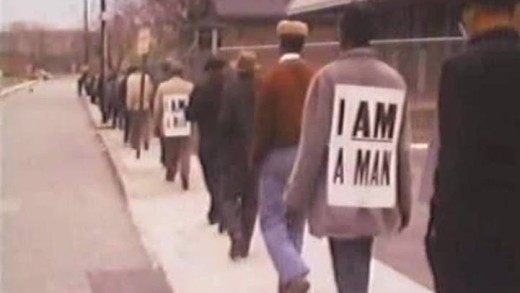
58:31Spring of 1968 in Memphis Tennessee marked the peak of the Civil Rights movement in the United States. At the River I Stand sets out to reconstruct the eventful months leading up to this period by looking at what started as a strike by sanitation workers which quickly soared into a national conflagration. The film disentangles the complex historical forces that came together for the struggle as well the inevitability of tragedy at the death of many, including Martin Luther King. At the River I Stand brings into sharp relief issues that have only become more urgent in the intervening years: the connection between economic and civil rights; debates over strategies for change, and the questions of effectiveness of pacifist tactics for social change; the demand for full inclusion of African Americans in life; as well as the pressing fight for dignity for all working people...
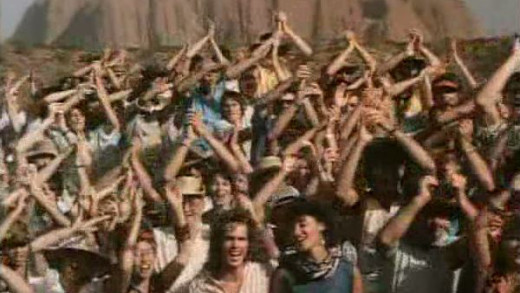
In these three films, John Pilger and Alan Lowery return to Australia to celebrate the country’s bicentenary, interviewing an extraordinary range of Australians from diverse backgrounds, each of whose views are a long way from those of the treasured Aussie stereotypes...
 52:54
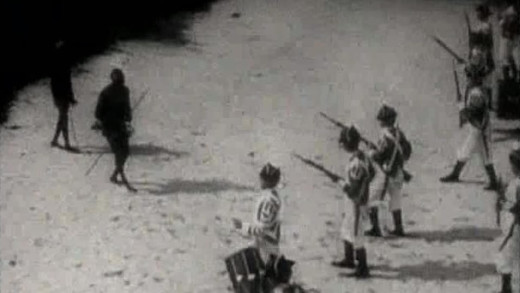
52:54The secret history of Australia is a historical conspiracy of silence. Written history has long applied selectivity to what it records, largely ignoring the shameful way that the Indigenous people were, and continue to be, treated...
 1:51:56
Patu!
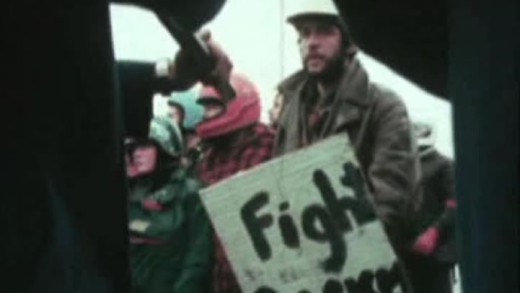
In 1981, the New Zealand government invited the South African rugby team to tour New Zealand. This effectively split the country in half as the rugby tour was seen by some as endorsement of South Africa's apartheid regime. Patu! recounts the mass civil disobedience that took place throughout New Zealand during the winter of 1981, in protest against the South African rugby tour. Sports grounds and suburban streets became battlefields as the film recounts visceral images of massive protest actions met with police brutality. Patu! is a record of heroism, and for many young people taking to the streets, it was their 1968. Māori and Pākehā, children and grandparents, gang members and clergymen—all in a moment of rare consensus, stood together to affirm shared values.
 27:02
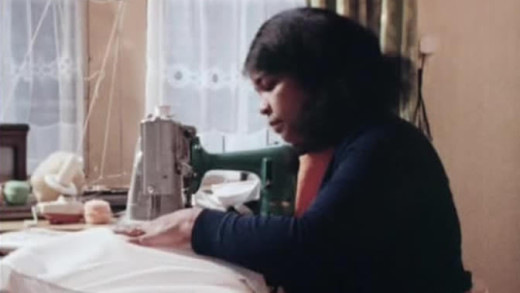
27:02One British Family portrays the racial minefield of British society through the eyes of a black family. The film is set in Newcastle during 1974, revealing the multifaceted aspects of internalised racism that still exists today...