 1:31:50
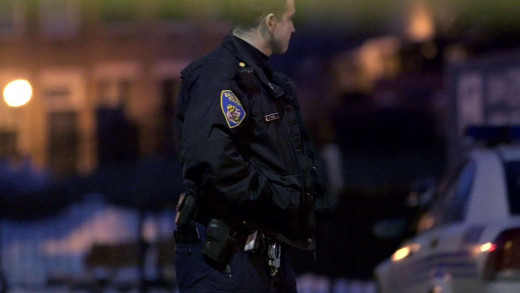
In 2015, peaceful protests and destructive riots erupted when Freddie Gray, a 25-year-old African American, died in police custody in Baltimore, United States. While the city waited to see the fate of the six police officers involved in the incident, who were all ultimately not punished, Baltimore Rising shows activists, police officers, community leaders, and gang affiliates, who struggled to hold the city together, as the homicide rate hit record levels. The death of Gray by police catalysed the longstanding fault lines in a distraught community, damaged by corruption and inequality. Baltimore Rising chronicles the determined efforts of people on all sides who are working to make their community better, sometimes coming together in unexpected ways.
 37:29
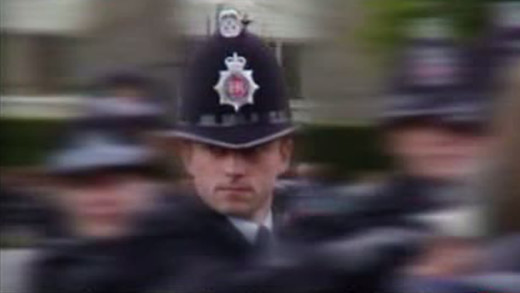
37:29The Secret Policeman exposes first hand evidence of racism in the British police forces, revealing how much it has been driven underground since 2002 when a government inquiry branded the police as institutionally racist. Undercover journalist Mark Daly joins the Greater Manchester Police as a trainee, and infiltrates Bruche Police Training Centre in Warrington, Cheshire for several months using hidden cameras to capture direct instances of racism throughout the police force.
 1:42:29
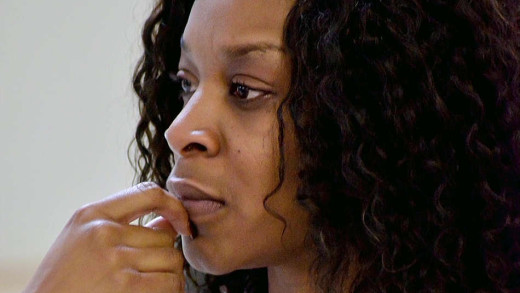
In 2015, Sandra Bland, a politically-active 28-year-old black woman from Chicago was stopped by police for a minor traffic offence in a small Texas town. Three days later, she was found dead in a police cell. Though the state claimed it was a suicide, her death enraged the public amid allegations of racially-motivated police murder. This film begins in the days after Sandra's death, tracking the ensuing two-year battle between Sandra's aggrieved family and the State of Texas. Following the details about the case, Say Her Name is punctuated by Sandra’s own passionate and moving commentary in 30-second “Sandy Speaks” video blogs. We see an empowered, enlightened woman, whose sharp, humorous, charismatic remarks address subjects from educating kids about black history to police brutality to the importance of natural hair. Say Her Name takes viewers inside this story that galvanised activists across the United States and the world.
 1:45:37
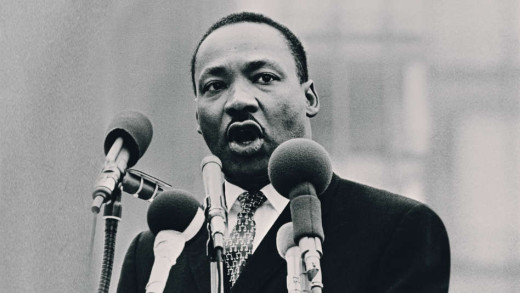
MLK/FBI documents the extent of the FBI's surveillance and harassment of Martin Luther King based on newly declassified files and documents obtained through the Freedom of Information Act and unsealed by the National Archives. Using these, as well as restored historical video footage, the film explores the United States government's history of targeting Black activists through surveillance programs specifically aimed the Civil Rights Movement. The film covers the attempts by J. Edgar Hoover and the FBI to personally discredit King by collecting recordings and images of his private sexual life with women other than his wife. This was used to denigrate his status within the civil rights movement in the United States. Not all FBI documents have been declassified, but the whole record will be made available public in 2027.
 1:55:53
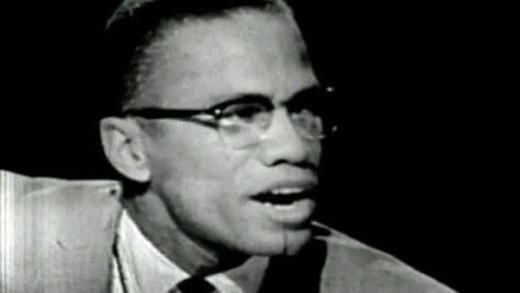
Using government documents, archive footage and direct interviews with activists and former FBI/CIA officers, All Power to the People documents the history of race relations and the Civil Rights Movement in the United States during the 1960s and 70s. Covering the history of slavery, civil-rights activists, political assassinations and exploring the methods used to divide and destroy key figures of movements by government forces, the film then contrasts into Reagan-Era events, privacy threats from new technologies and the failure of the "War on Drugs", forming a comprehensive view of the goals, aspirations and ultimate demise of the Civil Rights Movement...