 39:38
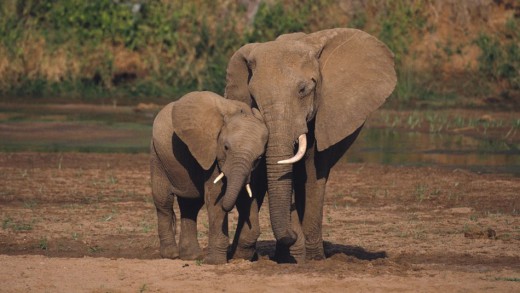
39:38By taking the example of documenting the conditions in zoos and circus shows, An Apology to Elephants is a film about the institutional cruelty to animals and their environments. In the circus, elephants are whipped, beaten and struck with hooks—a pain-compliance technique called bull-hooking—to perform tricks and behave according to the requirements of captivity. The film also looks at the prevalence of the ivory trade, stating that the current elephant killing rate would lead to extinction of the species in ten years. The film is a call to more than an apology, it's a call to stop these sadistic institutions and repair the damage done to animals and the environment by this culture.
 49:38
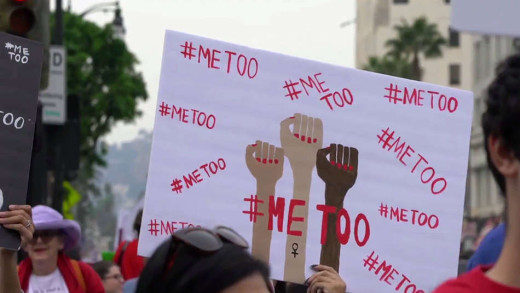
49:38The 'MeToo' movement has brought the pervasiveness of sexual abuse and harassment in this culture to the mainstream, creating an unprecedented demand for sexual violence prevention models that actually work. The Bystander Moment tells the story of one of the most prominent and proven of these models developed by activist and writer Jackson Katz and his colleagues. Illustrated through archival footage and clips from news, sports, and entertainment media, Katz explores the role of bystanders--especially friends, teammates, classmates, and co-workers--in perpetuating sexual harassment and sexual assault. Katz also gives attention to peer culture dynamics--in particular the male peer culture dynamics across race and ethnicity--that help normalise sexism and misogyny while silencing other men in the face of abuse. The Bystander Moment qualifies the crucial importance of appealing to people not as potential perpetrators or passive spectators, but as active bystanders and allies who have a positive role to play in challenging and changing sexist cultural norms, to stopping abuse and violence.
 1:55:53
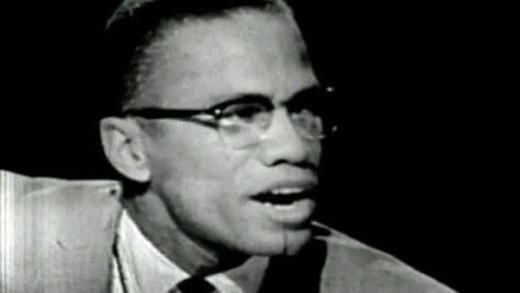
Using government documents, archive footage and direct interviews with activists and former FBI/CIA officers, All Power to the People documents the history of race relations and the Civil Rights Movement in the United States during the 1960s and 70s. Covering the history of slavery, civil-rights activists, political assassinations and exploring the methods used to divide and destroy key figures of movements by government forces, the film then contrasts into Reagan-Era events, privacy threats from new technologies and the failure of the "War on Drugs", forming a comprehensive view of the goals, aspirations and ultimate demise of the Civil Rights Movement...
 1:11:57
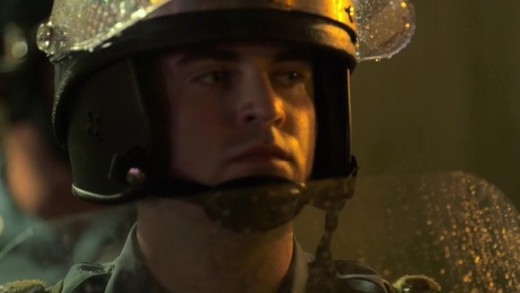
Do Not Resist documents, from the perspective of the police, their view of the social unrest following the shooting and killing of Michael Brown by police in Ferguson, 2014, against a backdrop of the routine and escalating use of military tactics and high-powered weaponry by local police forces throughout the United States in the past two decades. Military equipment deployed throughout the Middle East returns home to be used against the citizenry. Local police recruitment and training is awash in military commandments backed by views of escalating 'righteous' violence and sadism. Meanwhile curfews are imposed, along with frivolous drug raids and incessant racial profiling. The voices of concerned citizens ignored. What is the cultural and technological trajectory here?
 1:36:49
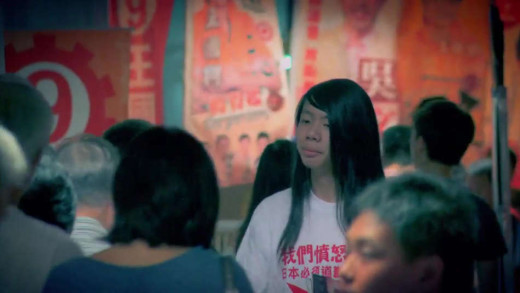
Filmed over 18 months, Lessons in Dissent is a kaleidoscopic portrait of a new generation of Hong Kong democracy activists. 18-year-old Joshua Wong dedicates himself to stopping the introduction of National Education. His campaign begins to snowball when an interview goes viral on social media. With the new school year fast approaching, a showdown with the government seems inevitable. So with a microphone in hand, and still in his school uniform, he takes to the streets to protest, along with 120,000 people in support. Meanwhile, former classmate Ma Jai fights against political oppression on the streets and in the courts. Having dropped out of school and dedicated himself to the movement, he endures the persecution suffered by those not lucky enough to be protected by the glare of the media. Lessons in Dissent catapults the viewer on to the streets of Hong Kong, confronting the viewer with the country's rising energy of dissent.
 1:23:40
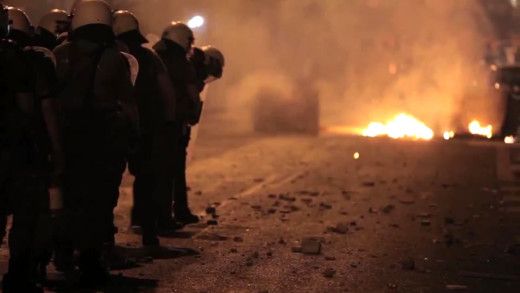
Fascism Inc. examines a series of historical events to compile a view of the past, the present and the future of fascism and its relation to the economic interests of each era—including the current era. The film travels from Mussolini's Italy, to Greece under the Nazi occupation; the civil war and the dictatorship; and from Hitler's Germany to the modern European and Greek fascism. Following on from the foundations of earlier films such as Debtocracy and Catastroika which described the causes of the debt crisis, the impact of the austerity measures, the erosion of democracy and the sell-out of the country’s assets; Fascism Inc. aspires to continue to motivate anti-fascist resistance movements across Europe, and the world.
 1:04:53
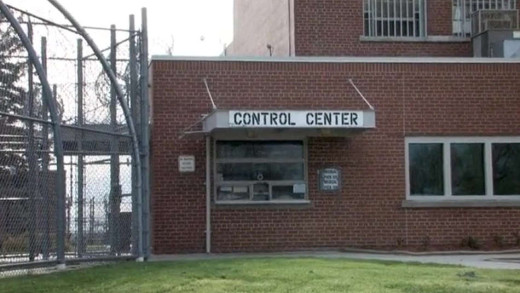
The number of women in prison in the United States has grown by over 800% in the past three decades. Two thirds are mothers and are incarcerated for non-violent offenses. More than 80% have been victims of domestic violence or sexual assault at some point in their lives. The Grey Area is a discussion of the complex factors behind these statistics, portraying an intimate look at women's issues from inside the criminal justice system. A small group of female inmates at a maximum women's security prison, share their diverse experiences with motherhood, drug addiction, sexual abuse, murder, and life in prison. The women explore the "grey area" that is often invisible within the prison walls and delve into issues of race, class, sexuality and gender.
 1:45:37
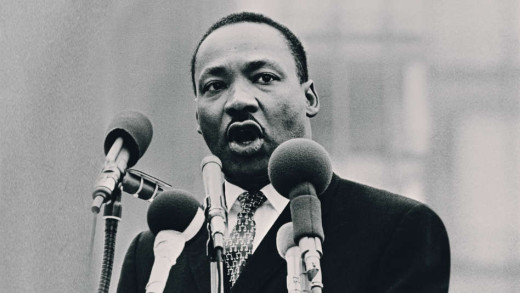
MLK/FBI documents the extent of the FBI's surveillance and harassment of Martin Luther King based on newly declassified files and documents obtained through the Freedom of Information Act and unsealed by the National Archives. Using these, as well as restored historical video footage, the film explores the United States government's history of targeting Black activists through surveillance programs specifically aimed the Civil Rights Movement. The film covers the attempts by J. Edgar Hoover and the FBI to personally discredit King by collecting recordings and images of his private sexual life with women other than his wife. This was used to denigrate his status within the civil rights movement in the United States. Not all FBI documents have been declassified, but the whole record will be made available public in 2027.
 1:08:51
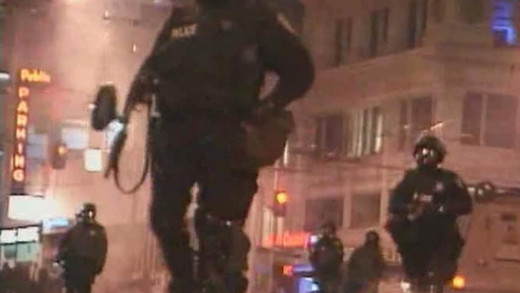
Recorded by over 100 media activists, this film tells the story of the enormous street protests in Seattle, Washington in November 1999, against the World Trade Organisation summit. Vowing to oppose--among other faults--the WTO's power to arbitrarily overrule nations' environmental, social and labour policies in favour of unbridled corporate greed, thousands of people from all around the United States came out in force to stop the summit. Against them was a brutal police force and a hostile media. This Is What Democracy Looks Like documents the struggle, as well as providing a narrative to the history of success and failure of modern political resistance movements.
 1:08:32
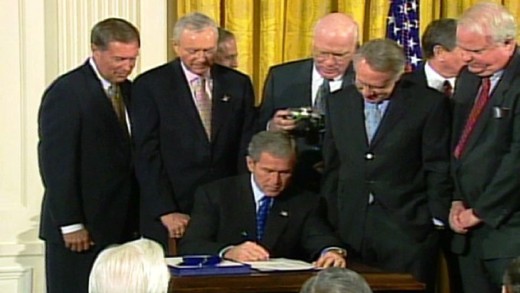
A few weeks after the September 11 attacks in 2001, the United States congress quickly passed the USA PATRIOT Act--a complicated and controversial law which was purportedly required to help with tracking future terrorist threats. Unconstitutional sets out to explain this law and examine its true impact. Citing a trove of examples from people whose lives have been directly effected, what we see is how law enforcement has rounded up Muslims and people with Arabic names to detain them for wild unspecified lengths of time without due process or even charges; the massive curtailment of civil liberties; erosion of enshrined privacy rights, increases in surveillance; and the abuses of Guantanamo Bay and Abu Ghraib.
 1:03:33
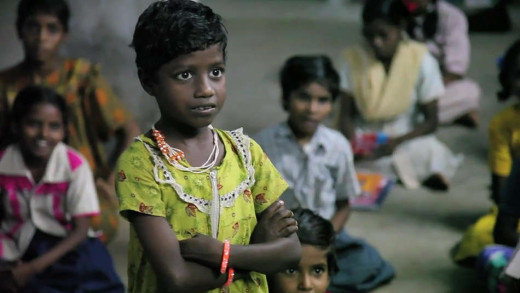
In India, China, and many other parts of the world today, girls are killed, aborted and abandoned simply because they are girls. The United Nations estimates as many as 200 million girls are missing in the world today because of this. Then, girls who survive infancy are often subject to neglect, and many grow up to face extreme violence and even death at the hands of their own husbands or other family members. The war against girls is rooted in centuries-old tradition and sustained by deeply ingrained cultural dynamics which, in combination with government policies, accelerate the oppression of women and girls. Shot on location in India and China, It's a Girl reveals these issues through the stories of abandoned and trafficked girls, of women who suffer extreme dowry-related violence, of brave mothers fighting to save their daughters' lives, and of other mothers who would kill for a son. Global experts and grassroots activists put the stories in context and advocate different paths towards change, while collectively lamenting the lack of any truly effective action against injustice.
 49:53
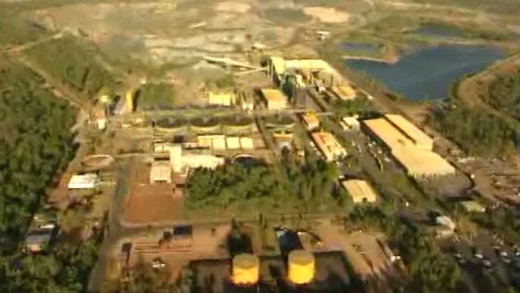
49:53Fight For Country tells the story of one of Australia's largest ever land rights and environmental campaigns, to stop the building of a second uranium mine within the World Heritage listed Kakadu National Park in the Northern Territory, Australia. In 1998 the issue came to a head when Indigenous elders and activists called on people to come from around Australia and the world to blockade the construction of the mine and proposed 'uranium deposits', collectively called Jabiluka. The film follows activists and speaks with Aboriginal people about the impacts of the mine, following the community response and protest actions against the mines development, where over 500 people were arrested in the course of the eight-month blockade.
 1:18:40
Drone
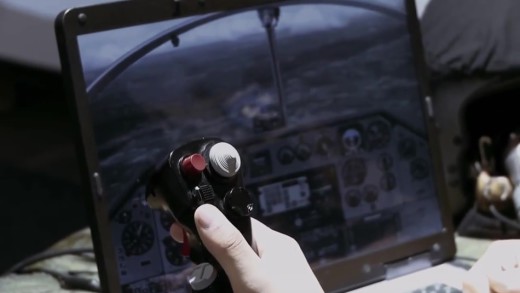
In the wake of the September 11th attacks, amongst the ravaging of war, the United States has been secretly deploying drones to carry out assassinations throughout the Middle East. The drones are increasingly piloted by the likes of young computer gamers groomed by screen culture and computer games of war, where in many cases, the Pentagon is directly involved in the creation of such games as recruitment tools, actively working to lure young people proficient with technology into the new era of the military-industrial-complex. Drone unravels this complex phenomenon while travelling to places such as Waziristan, where innocent civilians, including children and rescue workers are routinely secretly killed, where families and communities ravaged by the drone strikes search for understanding, accountability and adjustment to the daily horrors. The film also takes a look at the young people sitting behind the screens of the new war machines, half a world away, that actually pull the trigger, asking what kind of world is being built in the rise of seemingly endless and lucrative war driven by technological escalation.
 1:10:39
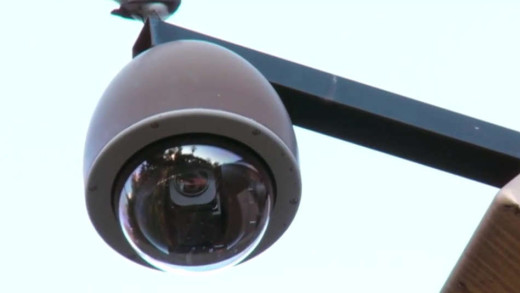
For the past 15 years, the misnomer "War on Terror" has been used by the United States to justify everything from mass surveillance and spying on its own citizens, to the use of secret drone strikes to kill people without trial or sometimes even evidence. Governments have always applied surveillance to those they consider a political threat, but the scale of the clandestine PRISM programme, which collects the data of billions of innocent people all across the globe, is unprecedented. Likewise is the call for the journalists who published the documents revealing the PRISM programme to be prosecuted. In the wake of relations about sustained, systematic abuses of power, it is apparent that in many areas, the United States operates on spurious interpretations of law, often explained in confidential memos, hidden from the public. Other times, the law is disregarded entirely. So what does this mean for resistance? How can citizen rights be reconciled with a rogue state security apparatus?
 14:04
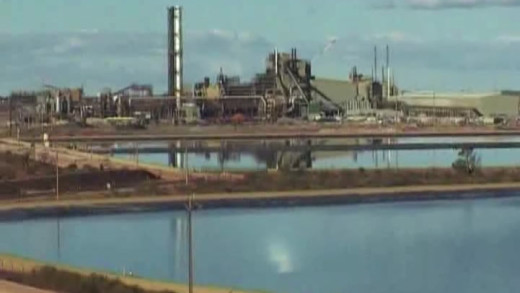
14:04Atomic Footprints uses archival footage and new material from the outback of Australia to examine the nuclear fuel chain, and the current push to expand uranium mines throughout Australia. This film speaks with local indigenous communities about the impact of already-existing uranium mining and refinement, and shows in clear examples some of the reasons why we should continue to oppose it around the world.
 24:09
24:09A young woman is raped when a one-night stand far from home goes terribly wrong. In the aftermath, as she struggles to make sense of what happened, she decides to make a film about the relationship between her own experience and the tangle of political, legal, and cultural questions that surround issues of sex and consent. Using a hidden camera, filmmaker Nancy Schwartzman goes head-to-head with the man who assaulted her, recording their conversation in an attempt to move through the trauma of her experience and achieve a better understanding of the sometimes ambiguous line between free will and coercion. The result is a powerful documentary about the terrible reality of rape and sexual violence, and the more complicated and ambivalent ways sexual assault is often framed and understood in the wider culture, examining issues too often deemed embarrassing, shameful, or taboo.
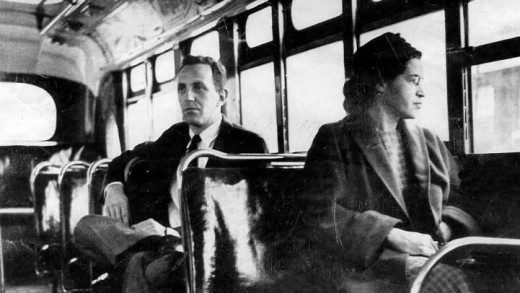
Eyes on the Prize tells the story of the civil rights era from the point of view of the women and men whose extraordinary actions launched a movement that changed the fabric of American society, and embodied a struggle whose reverberations continue to be felt today. It is the story of the people--young and old, male and female, northern and southern--who, compelled by a meeting of conscience and circumstance, worked hard to eradicate a world where whites and blacks could not go to the same school, ride the same bus, vote in the same election, or participate equally in society. It was a world in which peaceful demonstrators were met with resistance and brutality--a reality that is now nearly incomprehensible to many young Americans. Through contemporary interviews and historical footage, Eyes on the Prize traces the civil rights movement from the Montgomery bus boycott to the Voting Rights Act; from early acts of individual courage through the flowering of a mass movement and its eventual split into factions.
 1:12:12
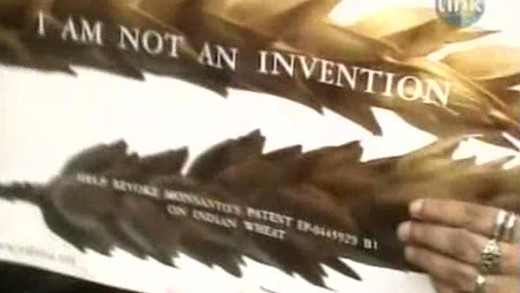
Bullshit follows environmental activist Vandana Shiva as she travels around the world to in her quest to eliminate the use of genetically modified foods and seeds in her home country of India and other developing countries. Shiva argues that the “ownership of life” through the patenting of natural products, namely grains altered through genetic modification (GMOs), is not in our best interests, and is in fact harmful to agriculture in developing countries...
 1:15:01
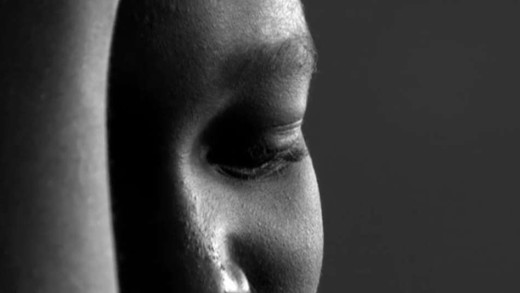
Filmed over three years in the war-zone of northern Uganda, Children of War follows a group of former child soldiers as they escape the battlefield, enter a rehabilitation centre, and undergo a process of trauma recovery and emotional healing. Having been abducted from their homes and schools, and forced to become fighters by the Lord's Resistance Army--a militia led by self-proclaimed prophet and warlord Joseph Kony--the children struggle to confront and break through years of captivity, extreme religious indoctrination, and participation in war crimes with the help of a team of trauma counsellors. As fearless allies guide the children into new lives, Children of War illuminates a powerful and cathartic story of forgiveness and hope in the aftermath of horrific war.
 1:35:34
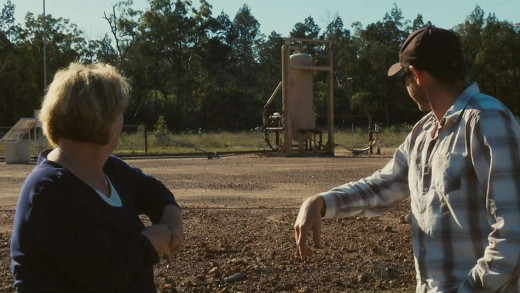
Frackman
Frackman introduces us to Dayne Pratzky, who is looking to build a simple home on his block of land in central Queensland, Australia. But one day the gas company comes and demands access to his land for gas mining. Dayne doesn't want that, but is told he has no right to refuse access to his land, and so begins his transformation into a reluctant activist on a journey that takes him around the world. Through his efforts, we see other people drawn into the battle of fending off rapacious coal-seam gas miners. Frackman presents this story, crossing ideological divides, bringing together an alliance of farmers, conservationists, political conservatives, and a cast of colourful Aussie bush characters, determined in different ways to stop fracking from destroying the land.