 26:55
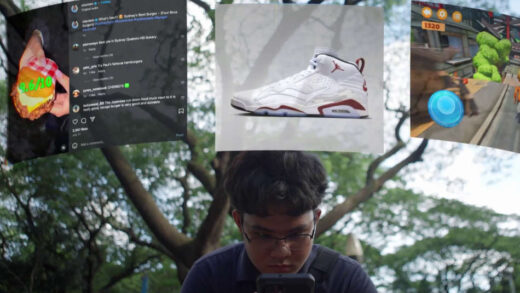
Philippines-based investigative journalist and Nobel Peace Prize winner Maria Ressa is alarmed by the pollution of the online information system. She's reported from war zones, written about terrorism and online radicalisation, and been jailed for fighting for press freedom. Through these experiences, she notes how social media poses an existential threat because of the way it proliferates disinformation, lies, and highly emotive engagement that can lead to real-world violence. Ressa's concerns are well founded. MIT study from 2018 found that lies travelled six times faster than the facts on Twitter, and that was before Elon Musk took over the platform and removed moderators tracking hate speech and other harmful content. The same with Facebook when it stopped doing any fact checking in 2016. Whistleblowers from the companies have since raised the same concerns about manipulation and social harm. The concern now vamps to AI, where an audit found that 17% of chatbots' answers amplified false narratives they were fed.
 51:50
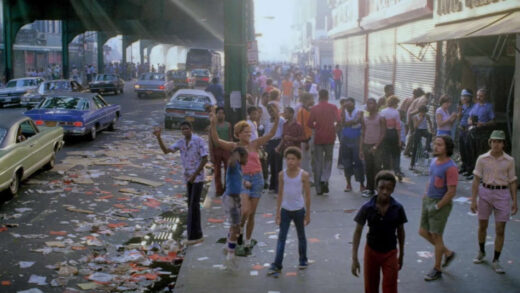
As Wednesday, July 13, 1977 dawned hot and humid, New Yorkers prepared themselves for another sweltering day. It was the first day of a nine-day heat wave that would become the hottest in New York City history. The once-booming city had been suffering years of economic decline. It was on the verge of bankruptcy--both unemployment rates and crime rates were high, police and fire-fighters had been laid off, municipal services including sanitation and after-school programs had been cut, and a serial killer named 'Son of Sam' was still on the loose, keeping everyone on edge. When a severe thunderstorm hit, the lights went out, and some eight million people plunged into darkness in New York City and surrounding areas. By the time the power was fully restored more than a day later, some 1,600 businesses had been looted, more than 3,000 people had been arrested, and fire-fighters had battled more than 1,000 fires.