 46:18
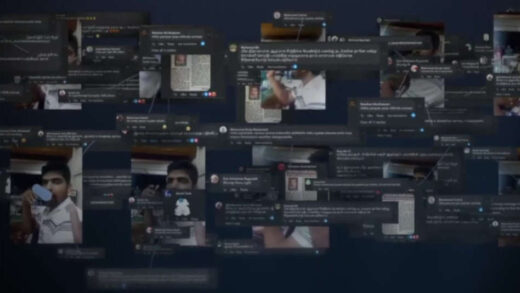
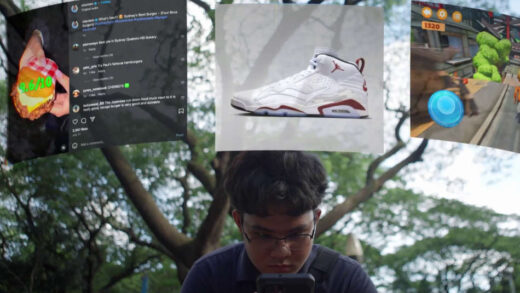
Inside The Rage Machine highlights new whistleblowers, engineers, and managers from inside tech corporations to show how algorithms that spread disinformation, social harms, and contribute to violence erupting in the real world are knowingly deployed by the companies to have these harms and incentives built-in. Through the lived experience and documents obtained from employees such as Matt Motyl from Facebook, Ruofan Ding from TikTok, and Lisa Jennings Young from Twitter, Inside The Rage Machine exposes the system itself that thrives on outrage and division as part of its business model, with radicalisation, real-world violence and fractured societies as just some of the consequences of the system that has been built to manipulate how users think, feel and perceive the world.
 26:55
Philippines-based investigative journalist and Nobel Peace Prize winner Maria Ressa is alarmed by the pollution of the online information system. She's reported from war zones, written about terrorism and online radicalisation, and been jailed for fighting for press freedom. Through these experiences, she notes how social media poses an existential threat because of the way it proliferates disinformation, lies, and highly emotive engagement that can lead to real-world violence. Ressa's concerns are well founded. MIT study from 2018 found that lies travelled six times faster than the facts on Twitter, and that was before Elon Musk took over the platform and removed moderators tracking hate speech and other harmful content. The same with Facebook when it stopped doing any fact checking in 2016. Whistleblowers from the companies have since raised the same concerns about manipulation and social harm. The concern now vamps to AI, where an audit found that 17% of chatbots' answers amplified false narratives they were fed.