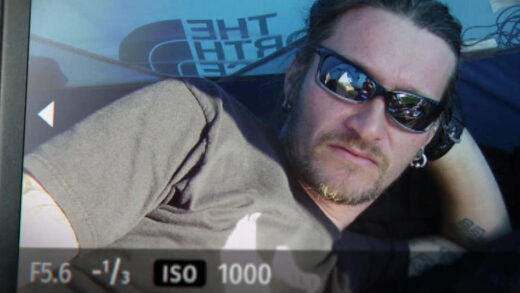
Five women come together for the first time on camera to reveal their experiences of being deceived into decades-long intimate relationships with undercover police officers as part of the Spycops scandal in the United Kingdom. The series examines the secret unit of UK undercover police who undertook these extensive spying operations on the public for over 40 years, including deceiving over 60 women into intimate relationships. Undercover police used false personas, including the identities of dead children to the relationships with members of targeted groups, and in some cases proposed marriage or got protesters pregnant, conceiving children with them.
 1:41:38
The Janes
Roe v. Wade, the 1973 Supreme Court decision that protected a women's right to an abortion, had not yet been handed down, meaning the procedure was illegal throughout most of the United States, forcing women with unwanted pregnancies to turn to exploitative abortion providers (like the Mafia) or resort to dangerous methods to self-induce an abortion. Using code names, blindfolds, and safe houses, a group of brave women built an underground service for women seeking safe, affordable, illegal abortions calling themselves JANE. Ultimately, the Jane Collective provided close to 11,000 abortions by the time Roe v. Wade came into effect. Through interviews with the former Janes, this film portraits the history of JANE, and reminds the viewer of their commitment to ensuring the safety and well-being of other women was a measured, intelligent response to the inadequacies of a system that refused to fend for its own.
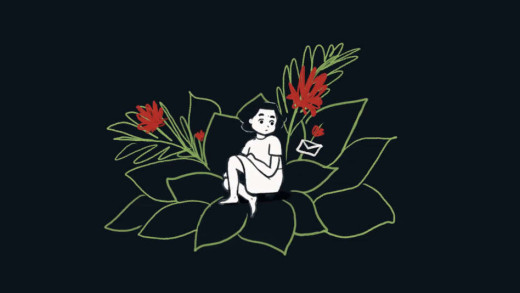
Misogyny is rampant in this culture, and corporations capitalise on making women hate their bodies. Indeed all aspects of womanhood are commodified, hypersexualised, and squeezed into gender stereotypes. Being female comes at a cost. So it's no wonder that young people growing up can feel horrible about themselves and their bodies, and further feel confused about what it means to be a woman in today's world. Into this perfect storm steps queer theory, an ideology born in the 1990s, that tells people that all the confusing feelings they may experience about the world they live in can be fixed not by changing the world, but by changing themselves. The past decade has seen a steep rise in the number of young girls seeking to alter their bodies by undergoing life threatening, irreversible procedures. Dysphoric is a series that explores this concept of gender transition, told through the voices of clinicians, psychiatrists, sociologists, feminists, academics, detransitioners, and concerned citizens and parents. The series also discusses the permanent medical side-effects of hormones and surgeries, the propaganda of corporations that glorify thousands of stereotypical gender presentations coalesced as fashion, the surge in pronoun policing, censorship and the curtailment of speech, language hijacking that calls women "menstruators," and the many other hurdles women face while trying to question this modern-day misogyny.
 52:49
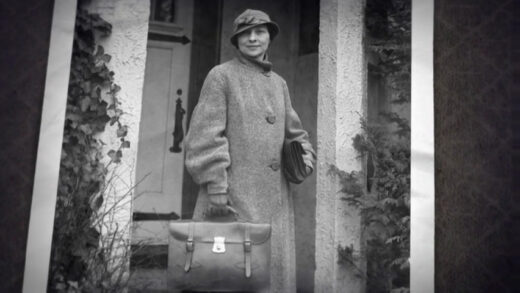
52:49The Codebreaker charts the story of the ground-breaking cryptoanalyst Elizebeth Smith Friedman, whose work in decoding the messages of organised crime in the United States, bringing down Al Capone and breaking up a Nazi spy ring in South America, lays the foundation for the National Security Agency (NSA). Her work also during World War II was instrumental to ending the war and was classified work and completely unknown until recently.
 1:28:38
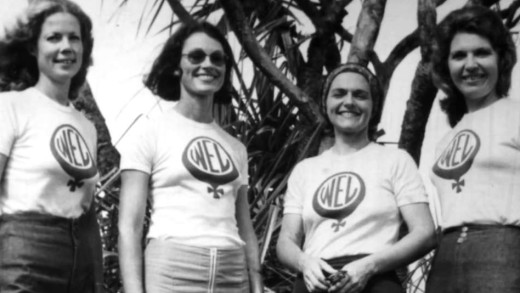
Brazen Hussies documents how a daring and diverse group of women joined forces in Australia to create profound social change, contributing to one of the greatest social movements of the 20th Century. The film weaves archival footage, personal photographs, memorabilia, and lively accounts from the women who reignited the feminist movement in Australia, at times at great personal cost, to show how women began organising around issues such as equal pay, reproductive rights, affordable childcare, and the prevention of family violence and rape. As the story unfolds, these issues go from being dismissed as the outrageous demands of a few "brazen hussies" to becoming crucial elements of mainstream politics. The film documents how ASIO spied on the movement, the pushback from male-dominated media, and the impact of internal struggles, such as the inclusion of lesbians and the relevance of the movement to Aboriginal women. 50 years on, the work of this movement paved the way for where feminism finds itself today. And while the landscape, breadth and diversity of feminism is vastly different, without this movement and the changes it achieved, we wouldn’t be where we are now. Recording and celebrating this important history, offers a valuable opportunity to reassess and discuss where we are now as a society, what gains have been made, what is at risk, and where we are headed.
 1:23:49
9to5
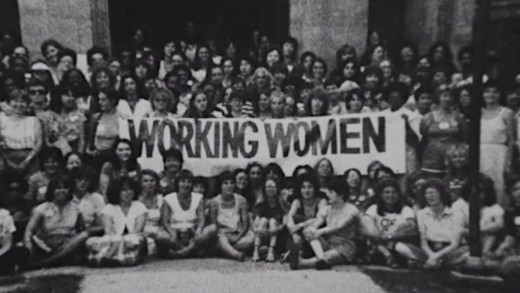
When Dolly Parton sang “9 to 5,” she was doing more than just shining a light on the fate of working women in the United States. Parton was singing the true story of the 9to5 movement that started with a group of secretaries in the early 1970s that wanted change in their workplaces. Their goals were simple: equal pay, fair work, and an end to sexual harassment. As the movement went national, it encapsulated the unique intersection of the women’s movement and the labour movement, as the women worked hard to unionise and press for real change in their workplaces. Featuring interviews with 9to5’s founders, 9to5: The Story of a Movement documents the struggle that changed workplace culture in the United States, and echos today.
 9:31
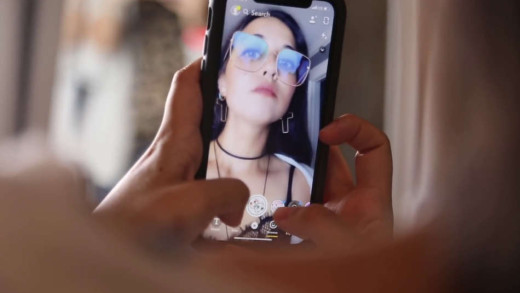
9:31A 37-year old mum goes undercover as an 11-year old girl to expose the dangers facing kids on social media platforms like Instagram, Snapchat, TikTok, and Kik. Left unsupervised, young children can be exposed to online predators, grooming, and psychological abuse within minutes. In 2018 alone, the filmmakers of this project alerted the FBI to 99 child predators. In 2019 that number is more than 300 and counting. Each of these cases represents a real child experiencing real harm, and the challenge of this short film is to help parents and schools understand this new reality, while also acting to bring online predators, groomers, and paedophiles to justice.
 1:28:30
At the Heart of Gold: Inside the USA Gymnastics Scandal reveals a dangerous athletic culture that prioritised winning over everything else, including protecting young female athletes. For more than 30 years, Larry Nassar worked with gymnasts, as a respected trainer and doctor. He was charming, taught at church, volunteered in the community, and was seemingly well-liked throughout. He treated girls' aches and pains, becoming a friend and confidant to many along the way, while also sexually abusing them during sessions for many years. When some girls began to speak up about their experiences, they were silenced, gaslighted or denied, all the way up to the highest levels of management, across multiple sporting institutions. After many complaints and eventually a cumulative legal investigation, Nassar ends up exposed as a serial sex offender. This film unpacks the scandal, its cover-up, and aftermath, through interviews with dozens of survivors, as well as coaches, lawyers and journalists, as one of the most high-profile paedophile trials in recent years. It documents the grooming, methods, and psychology of a charismatic sexual abuser, as well as the culture that enables and perpetuates it.
 27:09
27:09Cases of 'rent for sex' in the UK are on the increase, where landlords offer free rooms in their properties in exchange for 'sexual favours'. Investigative journalist Ellie Flynn goes undercover to get a closer look at this issue. Armed with undercover cameras, she meets landlords who post these ads to find out what they really expect in exchange for rent. The landlords she confronts protest that what they're doing is acceptable, contrasted with young women who have taken up these arrangements and talk about how much consent they felt able to give when the alternative was a life on the streets. Despite laws that exist to criminalise this practice, Ellie asks why there doesn't seem to be anyone doing anything to prevent it. From police forces to the Ministry of Justice, she uncovers a vacuum of responsibility that currently exists.
 41:53
41:53Fuelled by popular personalities on Instagram, YouTube and Snapchat, cosmetic surgery is pushing further into the mainstream. Huge numbers of people, predominantly young women, are choosing to alter their appearance forever as though it's as simple as buying a new set of clothes. Social-media "influencers" get free procedures in exchange for promoting certain doctors or agencies or products to their audiences. Going on the numbers alone, audiences seem to respond to this blatantly cacophonous advertising, following their social media stars closely, and taking out huge personal loans to get surgery and "keep up with the Kardashians." Doctors offering the surgery are even becoming media stars themselves, and it's redefining the meaning of doctor/patient relations. Underpinning this entire industry, is a business model of targeting women who can barely afford procedures by selling the dream of a "new you." Social-media laps it up, and the cycle repeats. But as this investigation shows, when things go wrong, the physical and financial costs are devastating. Real doctors who are left to pick up the pieces, are warning that the booming industry is creating a dangerous legacy, and not just to the concept of beauty.
 1:49:56
In 1992, Bhanwari Devi, an Indian social worker hailing from the Kumhar caste in rural Rajasthan, was gang-raped by upper caste men for having the temerity to intervene and stop the child-marriage of an infant. The subsequent acquittal of the accused in connivance with the State machinery outraged India and galvanized women’s activism that led to the Vishaka Guidelines, and subsequently, the Sexual Harassment of Women at Workplace Act in 2013. In this feature-length documentary shot by an all-women crew, Director Vaishnavi Sundar juxtaposes the law on paper with the ground realities, through this first-of-its-kind log of stories and experiences of over two dozen Indian women; tales of sexual violence that they face--from opulent corporate offices, to construction sites, to manual scavenging--and their fight for justice against an obstinate patriarchal State. But What Was She Wearing? attempts to portray the impotence of this law and the impossible odds Indian women are up against in pursuit of justice.
 49:38
49:38The 'MeToo' movement has brought the pervasiveness of sexual abuse and harassment in this culture to the mainstream, creating an unprecedented demand for sexual violence prevention models that actually work. The Bystander Moment tells the story of one of the most prominent and proven of these models developed by activist and writer Jackson Katz and his colleagues. Illustrated through archival footage and clips from news, sports, and entertainment media, Katz explores the role of bystanders--especially friends, teammates, classmates, and co-workers--in perpetuating sexual harassment and sexual assault. Katz also gives attention to peer culture dynamics--in particular the male peer culture dynamics across race and ethnicity--that help normalise sexism and misogyny while silencing other men in the face of abuse. The Bystander Moment qualifies the crucial importance of appealing to people not as potential perpetrators or passive spectators, but as active bystanders and allies who have a positive role to play in challenging and changing sexist cultural norms, to stopping abuse and violence.
 57:15
57:15Servant or Slave follows the lives of five Aboriginal women who were stolen from their families and forced into indentured labour to be domestic "servants" for white people during the late 1890s and into 1900s in Australia. With the government exercising complete control over their wages and livelihood, many thousands of Aboriginal children were condemned to a treadmill of abuse, battery, rape, and slavery, only to discover that even today they've had to fight for recognition, respect and reparation for their treatment in the past. This film recounts their experiences, as a portrait of courage, strength and the fortitude to pursue justice for the crimes committed against them.
 1:37:22
Audrie & Daisy is a documentary about the trend of teenage girls in the United States being sexually assaulted by their male classmates, and having the assaults recorded and shared on social media. It looks at the trend that the legal system tends to systematically minimise and dismiss cases, resulting in victimised girls not receiving justice. Girls often end up getting bullied both in school as well as online for being rape victims, and the pictures and videos are posted online--almost as trophies--by teens that have committed and witnessed these crimes. The online forum for sharing these images and comments has become the new public square of shame for adolescents. Audrie & Daisy aims to shed light on this dark corner of life facing young adults, and serves to form a powerful tool for honest conversation, analysis, and real justice.
 48:57
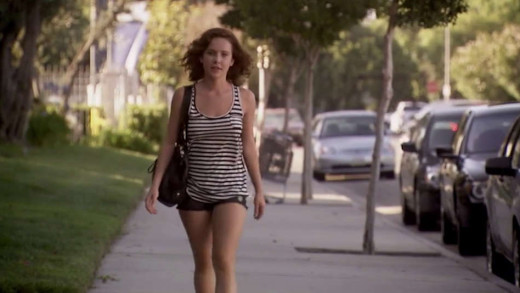
48:57The Porn Factor takes viewers on a journey of discovery, from regional and urban Australia to the centre of the international porn industry in Los Angeles and back. Through candid interviews with young people, pornstars, and other industry professionals, The Porn Factor explores how pornography is shaping young people’s sexual expectations and experiences. Readily available and aggressively marketed online, exposure to hardcore pornography is now mainstream. The classroom or parent talk is now no match for porn--with its endless array of gyrating bodies, offering a quick, easy and anonymous sexual charge. Porn has become the default sexuality educator for young people growing up online. It brings into compelling focus the 21st century challenges faced by parents, schools and others as they seek to equip young people for a sexuality that is safe, respectful and fully consenting.
 40:22
40:22UnSlut
In 2013, seventeen-year-old Rehtaeh Parsons took her own life. She had been gang-raped a year and a half earlier by her classmates and labeled a "slut" as a result. Despite transferring schools many times, she could not escape constant online harassment and in-person bullying. But Rehtaeh's story is horribly not the only one like this to make headlines in recent years. Why is the sexual shaming of girls and women, especially sexual assault victims, still so prevalent throughout this culture? UnSlut tackles this question through a series of conversations with those who have experienced sexual shaming and how it manifests, while also offering immediate and long-term goals for personal and institutional change.
 1:31:46
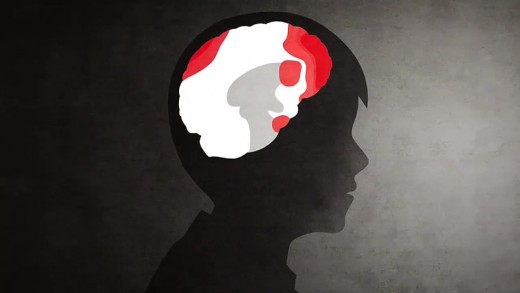
The Mask You Live In unpacks how this culture's narrow and harmful definition of masculinity effects boys, young men; girls and women; and society in general in myriad ways, as our children struggle to stay true to themselves when confronted by this culture. Pressured by their peer group, heavily influenced by a barrage of media messages, and even their very own parents and other adults in their lives, our protagonists confront messages encouraging them to disconnect from and suppress their emotions, devalue authentic friendships, objectify and degrade women, and resolve conflicts through violence, control and manipulation. These traits and stereotypes closely interconnect with problems of race, class, and circumstance, creating a maze of identity issues boys and young men must navigate to become "real" men as the culture expects and perpetuates. Experts in neuroscience, psychology, sociology, sports, education, and media also weigh in, offering empirical evidence of how these issues intersect, and what we can do about it.
 1:29:10
Milk
Traversing the judgement placed on women who bottle-feed their babies, to the stigma surrounding mothers who breast-feed their toddlers, and the stigma of breast-feeding in public, the polarised topic surrounding breast-feeding sets off an emotional and personal debate in a highly eroticised culture, where it is hard for some to remember that breasts have a purpose that is not selling cars, beer, and sex. Milk investigates the overarching themes surrounding the commercialisation of infant feeding and its effects on child mortality, as well as the challenges it presents to adequate health worker training and the judgement placed on women regardless of how they choose to feed their babies. Milk also shows the natural world juxtaposed to the industrialised way in which we receive a new life into this world. Milk follows stories of mothers from different cultures spanning 11 countries, as it reveals the universal issues and challenges facing motherhood and birth today.
 53:16
53:16Rape on the Night Shift is a harrowing investigation into the rampant sexual abuse of the many thousands of unseen women who clean the shopping centres, banks and offices of some of the largest companies throughout the United States. The cleaning companies and contractors themselves are some of the largest companies throughout the country and the world. This report follows a prior investigation about systemic abuse of migrant women working in America's fruit and vegetable fields, as well as packing plants and industry. Both set out to document the many aspects of a booming rape culture, driven in part by the synergy of a failure of criminal prosecutions, the legal system, a culture of pornography, the realities for migrant workers, and a perfect storm for human trafficking.
 53:23
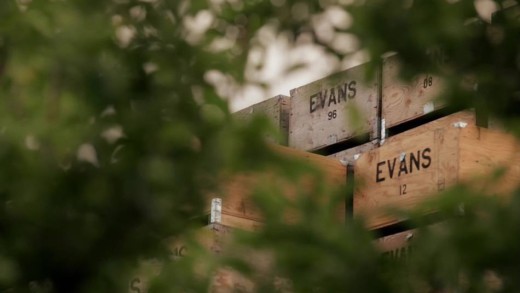
53:23Rape in The Fields is the first part of a year-long reporting effort into the systemic abuse of migrant women working in the fruit and vegetable fields, packing plants and industry of the United States. The film travels from the almond groves of California's Central Valley to the packing plants of Iowa, from the apple orchards of Washington's Yakima Valley to the tomato fields of Florida, speaking with dozens of women who have been sexually assaulted and abused on the job. What is shown is that in the vast fields and orchards of today's vast agribusiness, it's easy for a rapist to stalk his victims, and the systems function in such a way to protect the rapist, rather than the workers. Many workers are also immigrants who dare not even denounce their attackers for fear they'll be deported. The situation on the whole is rife for ensuring abuses. A Human Rights Watch report published in May of 2014 found that rape and other forms of sexual abuse and harassment of female workers was a common problem. This report sets out to shed a light on that problem and expose the new-style slavery and abuse of workers that still continues to this day.
 25:41
25:41Behind Closed Doors addresses the impact that witnessing domestic violence has on the developing brain of infants and children, and demonstrates the effect on their behaviour, relationships, and the long term consequences for their future. It also documents steps that parents and caregivers can take to help children survive this experience with the best possible outcome. The video's intent is not to blame but rather to help parents become aware of what is happening for their children, help teachers, and caregivers understand the behaviours that are a result of the impact of witnessing abuse in the home, and provide suggestions to assist in addressing the behaviours in order to achieve more healthy outcomes and safety.
 35:04
35:04Pornland
Pornography has moved from the outskirts of society into the very mainstream of this culture in over less than a span of a generation. From MTV to Internet pornography everywhere, pop culture industries continue to bombard all of us with sexualised images of idealised women and men that jump off the screen and go straight into our lives, profoundly shaping our identity, the ideas and acceptability of body image, and our most intimate relationships. In this video essay, based on the book of the same name, leading scholar and activist Gail Dines argues that the dominant images and stories disseminated by the porn industry, produce and reproduce a system that perpetuates social inequality and encourages violence against women at its very core. In direct opposition to the claims that pornography has delivered a more liberated, equitable and edgy sexuality, Pornland reveals a mass-produced vision of sex that is profoundly sexist, destructive and pervasive in this culture—a world that severely limits and undermines our collective ability to live authentic, truly equal relationships, free of systemic violence and degradation.
 59:01
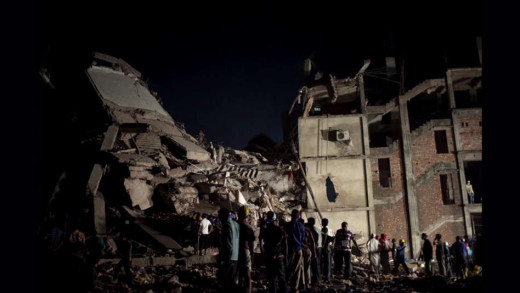
59:01Clothes to Die For documents the worst industrial disaster of the 21st century--the collapse of the Rana Plaza building in Bangladesh, in which more than 1,100 people died and 2,400 were injured. The eight-storey building housed factories that were making clothes for many western companies--Prada, Gucci, Primark, Walmart, H&M, Gap, and others. Through a series of compelling interviews and footage from the scene, this film gives a voice to those directly affected, and highlights the greed and high-level corruption that led to the tragedy. It also provides an insight into how the incredible growth in the garment industry has transformed Bangladesh, in particular the lives of women. Clothes to Die For raises fundamental questions about the global fashion industry and the responsibilities of all those involved.
 1:16:46
Private Violence focuses on the issue of domestic violence, as told through two survivors: Kit Gruelle, a domestic violence victim turned advocate who seeks justice for all female violence survivors; and Deanna Walters, whose estranged husband Robbie kidnapped and beat her for four days in the cab of his truck. They were pulled over by police and she was taken to the hospital, but in spite of Deanna's devastating injuries, Robbie was not arrested. The film follows Deanna's journey as she rebuilds her life and fights to place Robbie behind bars. Ultimately, Private Violence centers on dispelling the logic of the commonly asked question: “Why didn’t she just leave?”
 47:17
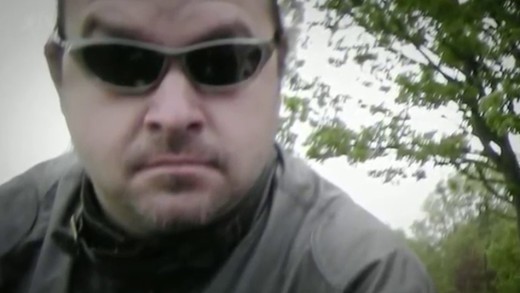
47:17Peter Francis, a former undercover police spy turned conscientious whistleblower, breaks ranks by speaking to the media after becoming troubled by the unaccountable culture of secret police operations throughout the United Kingdom targeting peace activists for decades. Tactics included undercover police officers having sexual relationships with activists, even going as far as commonly having children with the women they were spying on. Undercover agents also often assumed the identities of dead children in order to have "solid cover stories." We also see how undercover police were asked to look for intelligence that could be used to discredit the family of murdered teenager Stephen Lawrence and their campaign. The Lawrence family both speak of their shock at hearing about that the police did this to them. This short investigation opens a flood of questions about the secret history of covert police operations, and indeed the future of them in the context of the sprawling surveillance state of today.
 1:16:30
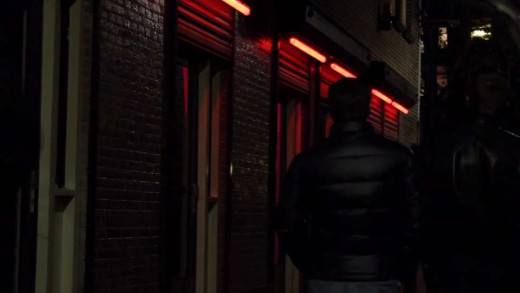
As nations around the globe attempt to fight sex trafficking, many consider legalising prostitution. Two filmmakers travel across ten countries to explore the issue, attempting to answer the question: "How can we prevent sexual exploitation before it happens in the first place?" Though governments are getting better at prosecuting traffickers and providing aftercare to victims, it is time we begin to ask the question of what lies at the root.
 51:10
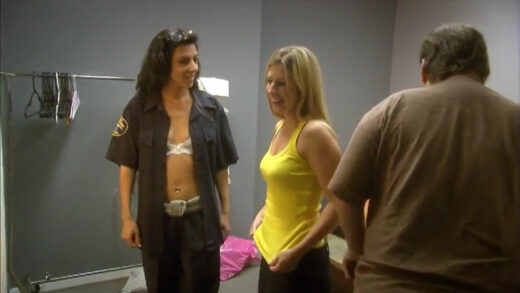
51:10How has a culture of readily-accessible and ubiquitous pornography that is largely free-to-view on laptops, mobile phones, and televisions, shaped young peoples' nascent ideas and expectations of love, sex and relationships? This short follows a group of teenagers who, with unflinching honesty and realism, reflect on the influence of porn on their lives. Has it changed their sexual tastes and behaviours? What are the differences between boys and girls in their approach to porn? What is the effect of the porn industry's move into ever more hardcore scenes? With exclusive behind the scenes access to the stars and directors at the centre of the international porn industry in LA and Budapest, Love and Sex in an Age of Pornography provides intimate insights into all sides of the porn industry--from the gritty details of porn's production, to its effects on curious youngsters.
 27:34
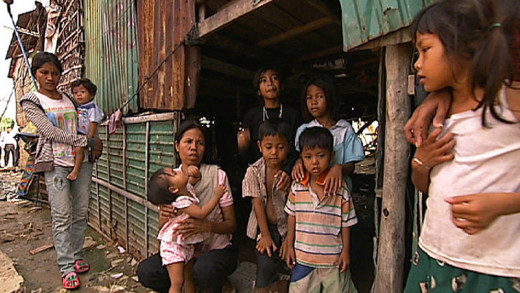
27:34We Will Not Be Moved documents the unpredictable reality for thousands of Cambodia's poor that are being forcibly evicted from their houses in the name of urban development. Cambodia's land ownership was thrown into chaos when Pol Pot's Khmer Rouge extinguished private title but now money and corruption are playing havoc with the country's attempts to bring back private property. There is one brave group known as the BK13--a group of 13 women--that are not prepared to let greedy developers take the very, very little they have. But with half a million residents forcibly evicted in recent years, it's an enormous fight they have on their hands...