 27:01
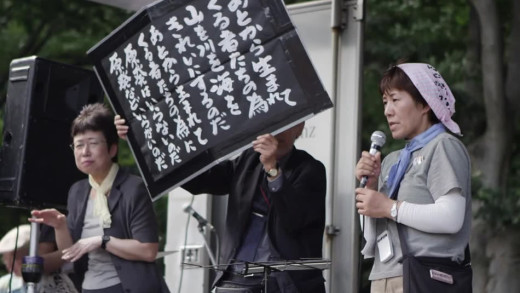
27:01Ever since three reactors went into meltdown at the Fukushima Daiichi Nuclear Power Plant in 2011; a broad, disparate, anti-nuclear movement is growing in Japan. Nowhere is that more apparent, perhaps, than in Fukushima prefecture, where a group of local women boldly protest the deafening silence of the Japanese government over the worst nuclear accident of this century. Largely ignored by their own media, these brave women brush aside cultural shyness and share their honest views on the state of the cleanup, the cover-ups, the untruths and the stagnant political climate in today’s Japan...
 55:48
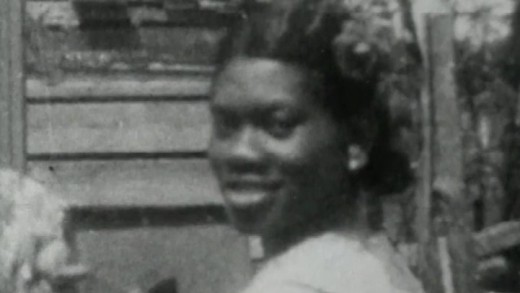
55:48Through a series of portraits that reach across different class, ethnic and generational experiences, The Double Burden speaks to the diversity of pains and pleasures of working motherhood. What is it like to grow up in a family where mothers have always worked outside the home? Through the lives of three families--one Mexican-American, one Polish-American, and one African-American--each with three generations of women who worked outside the home while also raising families, this film aims to instil tremendous respect for the accomplishments of women and for women of different races, social classes and life-styles through the generations, against social odds, pressures and expectations.
 1:41:38
The Janes
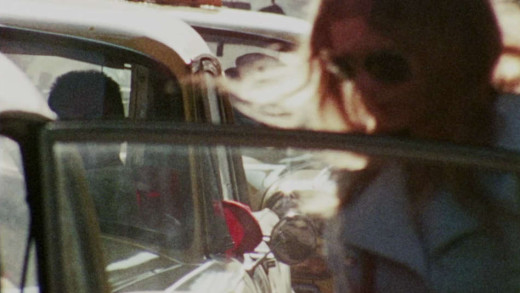
Roe v. Wade, the 1973 Supreme Court decision that protected a women's right to an abortion, had not yet been handed down, meaning the procedure was illegal throughout most of the United States, forcing women with unwanted pregnancies to turn to exploitative abortion providers (like the Mafia) or resort to dangerous methods to self-induce an abortion. Using code names, blindfolds, and safe houses, a group of brave women built an underground service for women seeking safe, affordable, illegal abortions calling themselves JANE. Ultimately, the Jane Collective provided close to 11,000 abortions by the time Roe v. Wade came into effect. Through interviews with the former Janes, this film portraits the history of JANE, and reminds the viewer of their commitment to ensuring the safety and well-being of other women was a measured, intelligent response to the inadequacies of a system that refused to fend for its own.
 35:04
35:04Pornland
Pornography has moved from the outskirts of society into the very mainstream of this culture in over less than a span of a generation. From MTV to Internet pornography everywhere, pop culture industries continue to bombard all of us with sexualised images of idealised women and men that jump off the screen and go straight into our lives, profoundly shaping our identity, the ideas and acceptability of body image, and our most intimate relationships. In this video essay, based on the book of the same name, leading scholar and activist Gail Dines argues that the dominant images and stories disseminated by the porn industry, produce and reproduce a system that perpetuates social inequality and encourages violence against women at its very core. In direct opposition to the claims that pornography has delivered a more liberated, equitable and edgy sexuality, Pornland reveals a mass-produced vision of sex that is profoundly sexist, destructive and pervasive in this culture—a world that severely limits and undermines our collective ability to live authentic, truly equal relationships, free of systemic violence and degradation.
 1:04:18
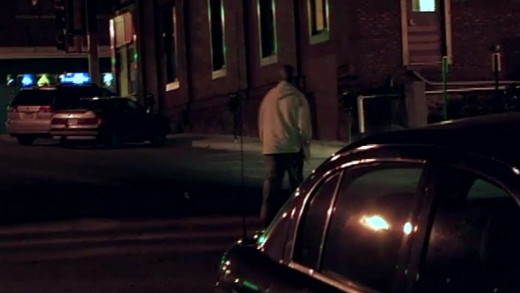
With economic collapse besieging the United States, domestic violence statistics show a sharp increase in violence against women. States are closing shelters and cutting support programs, and the culture ignores domestic violence, except when celebrities are involved on TV. In the meantime, more spouses have been killed by their partners in the past several years than soldiers have been killed in Iraq. Power and Control addresses this life and death issue during a time of urgent crisis, a timely and comprehensive exploration of physical and emotional abuse in dominant culture, as refracted through the story of Kim Mosher, a mother of three who has recently left her abusive husband. As Kim and her fragile daughters take up residence in a domestic violence shelter, the film follows the harrowing struggles in a single-parenting survivor's quest to find work, housing and peace of mind. We also meet Kim's husband, Josh, himself a survivor of abuse. His attempts to explain his behaviour are troubling--shocking in the context of the story's final twist. The multi-level narrative also examines the root causes of domestic violence and the solutions that have evolved to stop it, celebrating the battered women's movement activists who demanded revolutionary change in the 1980s, and examining alternative approaches now being advocated.
 14:47
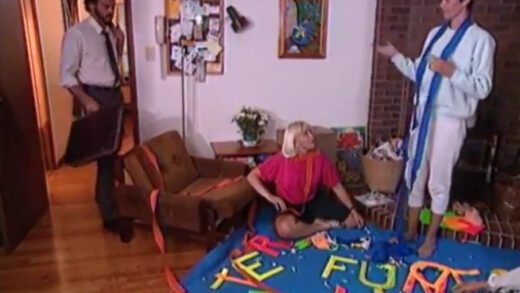
14:47The combination of detailed descriptions by abused women and great dramatisations helps both male and female viewers to understand the realities of spousal abuse, what motivates this kind of activity, and reveals the myths that surround it. Low self-esteem, rather than straight anger, is the central causal issue and the ability to quit habitual spousal abuse is as problematic as recovery from any other addiction.
 48:57
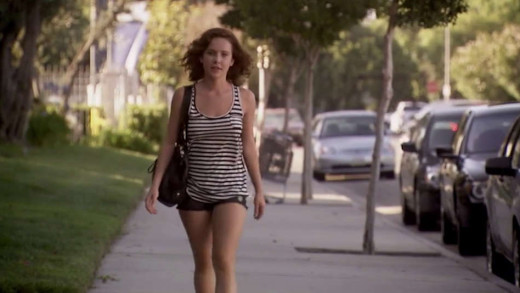
48:57The Porn Factor takes viewers on a journey of discovery, from regional and urban Australia to the centre of the international porn industry in Los Angeles and back. Through candid interviews with young people, pornstars, and other industry professionals, The Porn Factor explores how pornography is shaping young people’s sexual expectations and experiences. Readily available and aggressively marketed online, exposure to hardcore pornography is now mainstream. The classroom or parent talk is now no match for porn--with its endless array of gyrating bodies, offering a quick, easy and anonymous sexual charge. Porn has become the default sexuality educator for young people growing up online. It brings into compelling focus the 21st century challenges faced by parents, schools and others as they seek to equip young people for a sexuality that is safe, respectful and fully consenting.
 45:11
45:11Demand
Demand investigates the commercial sex trade, across four countries: The United States, Netherlands, Japan, and Jamaica. The film reveals a harrowing first-hand account of the impact of soaring consumer demand for vulnerable women and children, to be victimised in sex trafficking markets. By exploring the entrenched connections of pornography, to widespread sexual assault, to a pervasive globalised human trafficking market, Demand questions the conditions that keep the inertia of the commercial sex trade roaring across the globe...
 33:37
33:37War Zone is a short film about street harassment. Filmmaker Maggie Hadleigh-West walks crowded urban streets armed with a camera and microphone, trailed by one or two women also with cameras. Whenever a man harasses her, with ogling or words, she turns the camera on him, moves in close, and questions his behaviour. The questions are not usually for dialogue but more for making him as uncomfortable as he's made her. More than 50 such encounters are included: the men react with bravado, embarrassment, or anger. None apologise. Interspersed are the filmmaker's voice-over stories of growing up and dealing with men, as well as interviews with several women who talk about how they handle similar street harassment and what they feel about it. What does it feel like to be a woman on the street in a cultural environment that does nothing to discourage men from heckling, following, touching or disparaging women in public spaces?
 31:46
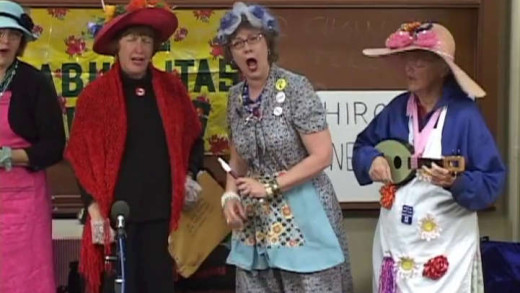
31:46Raging Grannies is a short film that tells the story of The Action League of the San Francisco Bay Area Peninsula. They are women over 50, some as old as 90, who are enraged by the conditions under which some people are forced to live, by threats to our environment, by war, and by injustice wherever they find it. The Action League have been spied on by the California National Guard, and they've been written about in Time magazine, the San Francisco Chronicle, and the San Jose Mercury News. They've appeared on Fox News with Bill O'Reilly, Jon Stewart's Comedy Central, and are regulars in Bay Area evening news stories. In public, they've been both booed and cheered, but they continue to protest with a sense of outrage, a sense of humor, and a commitment to non-violence. How do these older women keep doing what they do? As we travel with the Grannies to their many gigs, we see that life isn't over at 50 or 60 or even 90.
 1:31:46
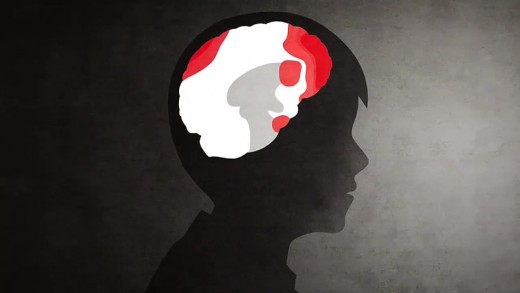
The Mask You Live In unpacks how this culture's narrow and harmful definition of masculinity effects boys, young men; girls and women; and society in general in myriad ways, as our children struggle to stay true to themselves when confronted by this culture. Pressured by their peer group, heavily influenced by a barrage of media messages, and even their very own parents and other adults in their lives, our protagonists confront messages encouraging them to disconnect from and suppress their emotions, devalue authentic friendships, objectify and degrade women, and resolve conflicts through violence, control and manipulation. These traits and stereotypes closely interconnect with problems of race, class, and circumstance, creating a maze of identity issues boys and young men must navigate to become "real" men as the culture expects and perpetuates. Experts in neuroscience, psychology, sociology, sports, education, and media also weigh in, offering empirical evidence of how these issues intersect, and what we can do about it.
 1:03:33
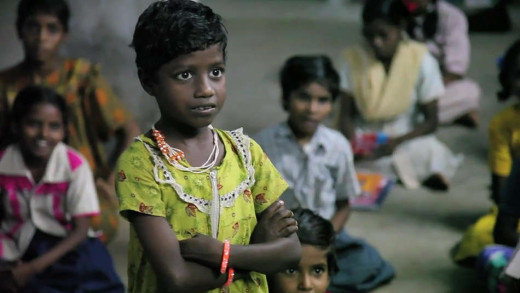
In India, China, and many other parts of the world today, girls are killed, aborted and abandoned simply because they are girls. The United Nations estimates as many as 200 million girls are missing in the world today because of this. Then, girls who survive infancy are often subject to neglect, and many grow up to face extreme violence and even death at the hands of their own husbands or other family members. The war against girls is rooted in centuries-old tradition and sustained by deeply ingrained cultural dynamics which, in combination with government policies, accelerate the oppression of women and girls. Shot on location in India and China, It's a Girl reveals these issues through the stories of abandoned and trafficked girls, of women who suffer extreme dowry-related violence, of brave mothers fighting to save their daughters' lives, and of other mothers who would kill for a son. Global experts and grassroots activists put the stories in context and advocate different paths towards change, while collectively lamenting the lack of any truly effective action against injustice.
 45:44
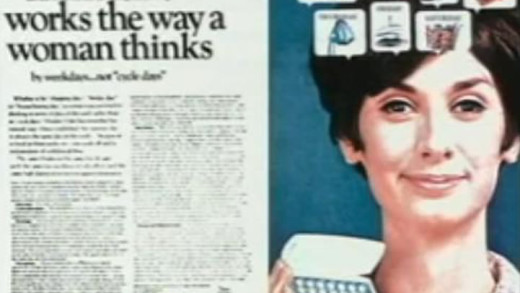
45:44Author and activist Jean Kilbourne analyses the depiction of women in advertising and media by decoding a large array of print and television ads. What is revealed is a torrent of stereotypes; sexist and misogynistic images and messages; laying bare a world of frighteningly thin women in positions of subservience; collectively, the restrictive code of femininity that works to undermine girls and women in the real world. By examining these messages, Killing Us Softly asks us to take advertising seriously, and to think critically about its relationship to sexism, eating disorders, violence against women, popular culture, and contemporary politics.
 57:04
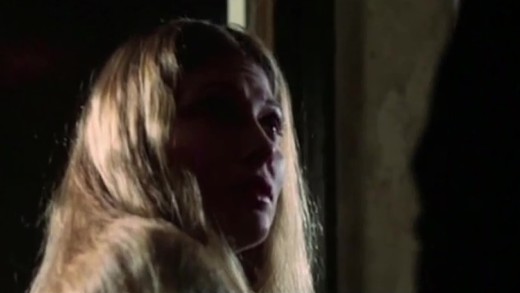
57:04Rape Myths on Trial is a provocative presentation by a career criminal prosecutor and advocate for victims of sexual violence, Anne Munch. She examines how cultural attitudes shape the outcomes of rape and sexual assault cases by drawing on years of experience prosecuting sex crimes, showing how rape cases often turn on the involvement of an "unnamed conspirator" -- the often-unexamined complex of myths and stories we tell ourselves as a culture about sex, gender, power, and responsibility. By using examples from real cases, and harrowing evidence from actual emergency calls, Munch reveals how these assumptions that juries bring into the courtroom often stack the odds against victims, and at the same time challenges us to think critically about how our own assumptions might unintentionally reinforce victim-blaming. The result is a stunning look inside the criminal justice system and an incisive analysis of this culture's warped views of women's sexuality and rights as human beings.
 1:16:46
Private Violence focuses on the issue of domestic violence, as told through two survivors: Kit Gruelle, a domestic violence victim turned advocate who seeks justice for all female violence survivors; and Deanna Walters, whose estranged husband Robbie kidnapped and beat her for four days in the cab of his truck. They were pulled over by police and she was taken to the hospital, but in spite of Deanna's devastating injuries, Robbie was not arrested. The film follows Deanna's journey as she rebuilds her life and fights to place Robbie behind bars. Ultimately, Private Violence centers on dispelling the logic of the commonly asked question: “Why didn’t she just leave?”
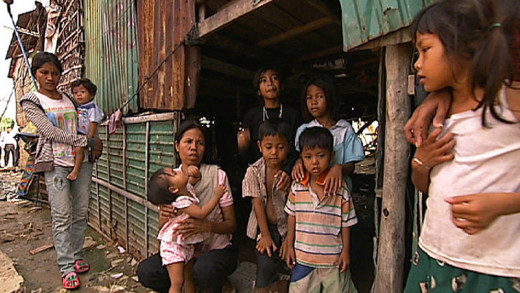 27:34
27:34We Will Not Be Moved documents the unpredictable reality for thousands of Cambodia's poor that are being forcibly evicted from their houses in the name of urban development. Cambodia's land ownership was thrown into chaos when Pol Pot's Khmer Rouge extinguished private title but now money and corruption are playing havoc with the country's attempts to bring back private property. There is one brave group known as the BK13--a group of 13 women--that are not prepared to let greedy developers take the very, very little they have. But with half a million residents forcibly evicted in recent years, it's an enormous fight they have on their hands...
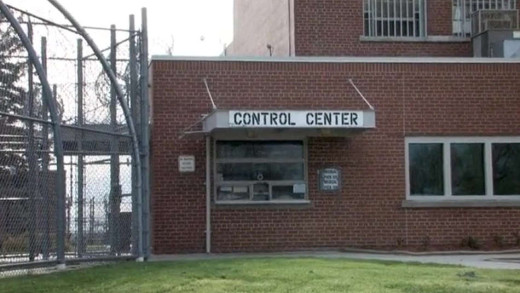 1:04:53
The number of women in prison in the United States has grown by over 800% in the past three decades. Two thirds are mothers and are incarcerated for non-violent offenses. More than 80% have been victims of domestic violence or sexual assault at some point in their lives. The Grey Area is a discussion of the complex factors behind these statistics, portraying an intimate look at women's issues from inside the criminal justice system. A small group of female inmates at a maximum women's security prison, share their diverse experiences with motherhood, drug addiction, sexual abuse, murder, and life in prison. The women explore the "grey area" that is often invisible within the prison walls and delve into issues of race, class, sexuality and gender.
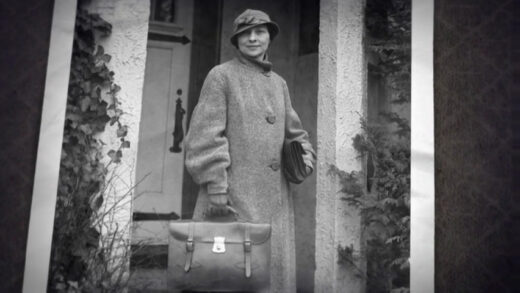 52:49
52:49The Codebreaker charts the story of the ground-breaking cryptoanalyst Elizebeth Smith Friedman, whose work in decoding the messages of organised crime in the United States, bringing down Al Capone and breaking up a Nazi spy ring in South America, lays the foundation for the National Security Agency (NSA). Her work also during World War II was instrumental to ending the war and was classified work and completely unknown until recently.
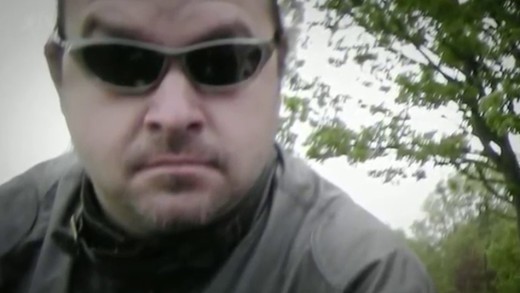 47:17
47:17Peter Francis, a former undercover police spy turned conscientious whistleblower, breaks ranks by speaking to the media after becoming troubled by the unaccountable culture of secret police operations throughout the United Kingdom targeting peace activists for decades. Tactics included undercover police officers having sexual relationships with activists, even going as far as commonly having children with the women they were spying on. Undercover agents also often assumed the identities of dead children in order to have "solid cover stories." We also see how undercover police were asked to look for intelligence that could be used to discredit the family of murdered teenager Stephen Lawrence and their campaign. The Lawrence family both speak of their shock at hearing about that the police did this to them. This short investigation opens a flood of questions about the secret history of covert police operations, and indeed the future of them in the context of the sprawling surveillance state of today.
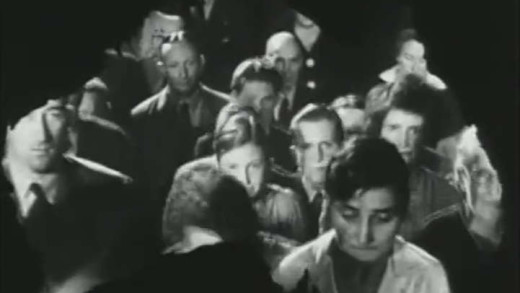 51:25
51:25Thanks Girls and Goodbye recounts the story of a group of women who worked on farms during the Second World War in Australia, dubbed "the land girls." Officially established by the government in 1942, the Australian Women's Land Army was set up to help fill the shortage of people-power in agriculture. Its story is symbolic of a far-greater number of women who participated in the vital activity of food production during the war. Through interviews with former Land Army members, combined with home-movies, photographs, original Land Army songs and archival newsreels, Thanks Girls and Goodbye presents an engaging account of women and work against the backdrop of world war.
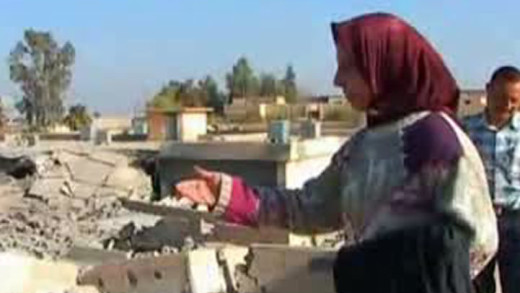 47:49
47:49The United States heralded many grandiose promises of freedom and equal rights as they invaded Iraq. But still years on from the invasion, the reality of everyday life for women inside Iraq is of course a different story. To make this film, two Iraqi women risk their lives to spend three months travelling all over the country with a camera to record the lives and experiences of women they meet. Iraq -- The Women's Story provides a compelling account of a life inside Iraq that is never seen on news bulletins...
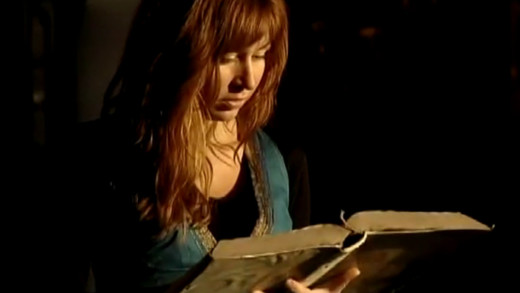 53:45
53:45Red Moon
With humour and refreshing candour, Red Moon provides a fascinating, often ironic, take on the absurd and frequently dangerous cultural stigmas and superstitions surrounding women's menstruation. As educational as it is liberating, the film functions as both a myth-busting overview of the realities of menstruation, and a piercing cultural analysis of the ways in which struggles over meaning and power have played out through history on the terrain of women's bodies.
 1:37:22
Audrie & Daisy is a documentary about the trend of teenage girls in the United States being sexually assaulted by their male classmates, and having the assaults recorded and shared on social media. It looks at the trend that the legal system tends to systematically minimise and dismiss cases, resulting in victimised girls not receiving justice. Girls often end up getting bullied both in school as well as online for being rape victims, and the pictures and videos are posted online--almost as trophies--by teens that have committed and witnessed these crimes. The online forum for sharing these images and comments has become the new public square of shame for adolescents. Audrie & Daisy aims to shed light on this dark corner of life facing young adults, and serves to form a powerful tool for honest conversation, analysis, and real justice.

The Dark Side of Porn is a six part series of films that each examine an aspect of the modern porn industry. Using specific examples of films, and by speaking directly with former performers, filmmakers and families themselves; the series of films journey through the firsthand and often unseen issues that are pervasive to modern pornography--such as STIs, the use and abuse of relationships, rape, human trafficking, the recruitment process, and the seen and unseen cultural impacts of films such as Deep Throat and Emmanuelle, to name a few. Consequently, this series offers a disturbing account of the tip of the iceberg of modern mainstream pornography...
 24:09
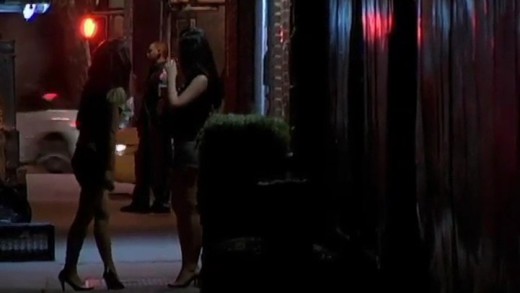
24:09A young woman is raped when a one-night stand far from home goes terribly wrong. In the aftermath, as she struggles to make sense of what happened, she decides to make a film about the relationship between her own experience and the tangle of political, legal, and cultural questions that surround issues of sex and consent. Using a hidden camera, filmmaker Nancy Schwartzman goes head-to-head with the man who assaulted her, recording their conversation in an attempt to move through the trauma of her experience and achieve a better understanding of the sometimes ambiguous line between free will and coercion. The result is a powerful documentary about the terrible reality of rape and sexual violence, and the more complicated and ambivalent ways sexual assault is often framed and understood in the wider culture, examining issues too often deemed embarrassing, shameful, or taboo.

Five women come together for the first time on camera to reveal their experiences of being deceived into decades-long intimate relationships with undercover police officers as part of the Spycops scandal in the United Kingdom. The series examines the secret unit of UK undercover police who undertook these extensive spying operations on the public for over 40 years, including deceiving over 60 women into intimate relationships. Undercover police used false personas, including the identities of dead children to the relationships with members of targeted groups, and in some cases proposed marriage or got protesters pregnant, conceiving children with them.
 28:59
28:59It has been 30 years since Title IX legislation granted women equal playing time, but the male-dominated world of sports journalism has yet to catch up with the law. Coverage of women's sport lags far behind men's, and focuses on female athletes femininity and sexuality over their achievements on the court and field. While female athleticism challenges the narrative of gender roles, women athletes continue to be depicted in traditional roles that reaffirm their femininity as wives and mothers or sex objects. By comparison, male athletes are framed according to heroic masculine ideals that honour courage, strength, and endurance. Playing Unfair is the first video to critically examine the post-Title IX media landscape in terms of the representation of female athletes, using numerous media examples to catalyse debate among women and men, athletes and non-athletes, about the meaning of images in a world transformed by the presence of women in sport.
 49:30
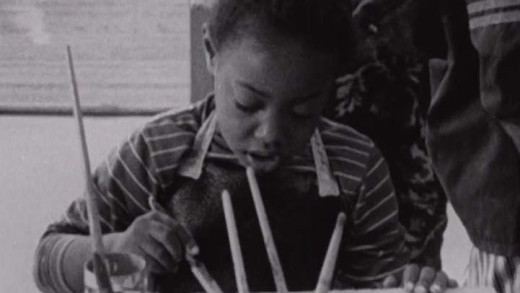
49:30As the first film to emerge from the women's movement in the early 1970s in the United States, Growing Up Female focuses on the socialisation of women at the time, traversing cultural themes through the personal stories of six women and girls. By capturing the way women were viewed by society, men, and themselves, Growing Up Female documents the female experience from a female perspective.