 23:33
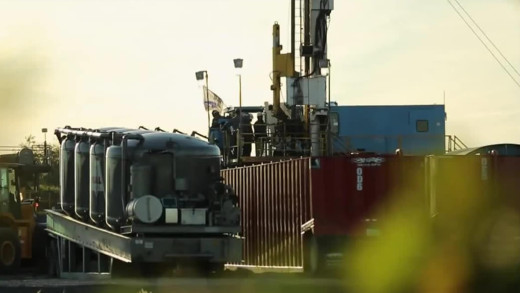
23:33Fracking In America takes a look at the continuing instances of water contamination and environmental damage occurring throughout the United States as a result of hydraulic fracturing--an industrial process used to fracture rock in the search to exploit natural gas deposits. As the frantic effort to extract gas accelerates, the impact of fracking expands also, with increasing pressures on fresh water supplies, continuing threats to health and wider ecosystems...
 1:35:34
Frackman
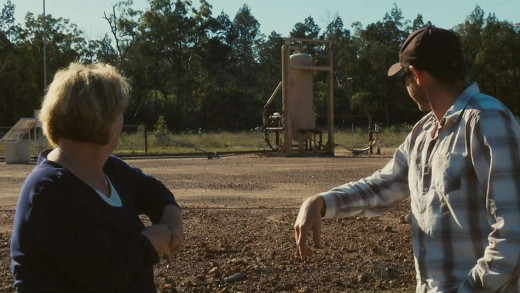
Frackman introduces us to Dayne Pratzky, who is looking to build a simple home on his block of land in central Queensland, Australia. But one day the gas company comes and demands access to his land for gas mining. Dayne doesn't want that, but is told he has no right to refuse access to his land, and so begins his transformation into a reluctant activist on a journey that takes him around the world. Through his efforts, we see other people drawn into the battle of fending off rapacious coal-seam gas miners. Frackman presents this story, crossing ideological divides, bringing together an alliance of farmers, conservationists, political conservatives, and a cast of colourful Aussie bush characters, determined in different ways to stop fracking from destroying the land.
 1:33:08
Freakonomics is a segmented adaptation of the book by the same name, by Steven Levitt and Stephen Dubner about incentives-based thinking. The film presents segments to examine the theories of human behaviour and data mining presented in the book through case studies. Subjects include: the influence a person's name has on their personal and social development; corruption in an honor-bound sport such as sumo wrestling; what alleged factors lead to a statistical reduction in crime rates in the United States during the 1990s; and a school experiment to see if cash payments could incentivise students to get good grades. Through these examples and others, the film exposes the problems with data-driven economic incentive models, and the society obsessed with quantitative measuring and data, rather than a focus on quality of outcomes or even what the outcomes are.
 1:41:41
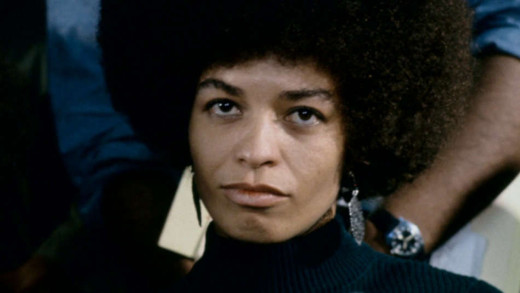
Free Angela and All Political Prisoners chronicles the life of college professor and civil rights activist Angela Davis, whose affiliation with the Communist Party and the Black Panthers in the 1970s landed her on the FBI's Ten Most Wanted list. This film documents her early years as a student, through to her highly publicised arrest, trial, and subsequent acquittal after 22 months of prison, following a botched kidnapping attempt of Marin County judge Harold Haley in California. The film explores every remarkable detail of Davis' life, as told through her own stories and a series of intimate interviews.
 30:54
30:54Centred around the concept of open computer networks that contradictorily end up running closed corporate-controlled communication portals like Facebook and Twitter, Free The Network follows two young men who camp out at Zuccotti Park building wireless access points to connect their devices as part of the 'Occupy movement.' Through interviews along the way, Free The Network examines the current state of the Internet in the midst of the protest, and shows how the myth of the 'democratisation of technology,' along with the widespread emergence of clicktivism, is a flawed framework for driving social and political change...
 51:58
51:58Globalisation has gone to great lengths to coerce many countries around the world to open 'free trade zones' for Western markets, where businesses receive special tax benefits and other rewards for operating factories and exploiting cheap labour. The argument, as is always cited, is for growth of the global economy. Free Trade Slaves sets out to examine these ideas by looking at the realities of such practice. Told from the perspective of the workers in Sri Lanka, El Salvador, Mexico and Morocco; the film exposes systemic human rights abuses, harrowing environmental destruction, birth defects and other long lasting health problems and social issues. The filmmakers suggest that workers around the world need to assert the right to unionise and organise together to demand and retain decent conditions, and that consumers should do their part by boycotting companies that continue to abuse people and the environment.
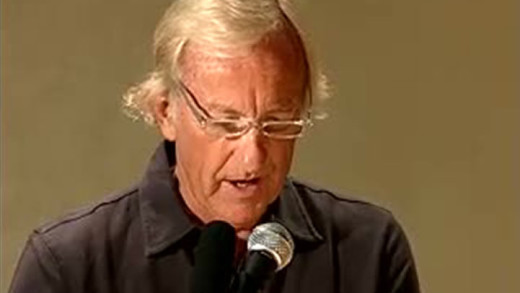 43:46
43:46Australian journalist, author and film maker John Pilger speaks about global media consolidation, war by journalism, the US military and its quest for domination/hegemony in the post 9-11 era and the false history that is presented in the guise of 'objective' journalism...
 52:23
52:23In 1998, university professor Kembrew McLeod successfully trademarked the phrase "freedom of expression" as an experiment of startling comment on the way that intellectual property law restricts creativity and expression of ideas. This film explores the battles being waged in courts, classrooms, museums, film studios, and the Internet over control of cultural commons. Based on McLeod's book of the same title, Freedom of Expression charts the many successful attempts to push back this assault by overzealous copyright holders.
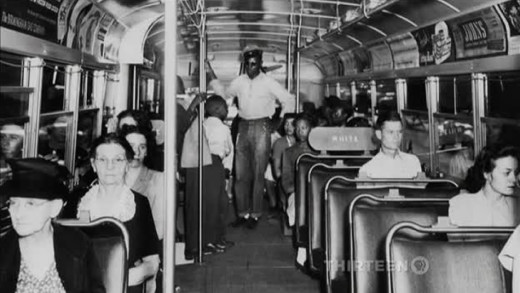 1:52:05
Freedom Riders follows the story of hundreds of civil rights activists who rode interstate buses into the segregated southern United States during the 1960s to challenge local laws enforcing segregation in seating. The Freedom Rides, and the violent reactions they provoked, bolstered the credibility of the American Civil Rights Movement. They called national attention to the disregard for the federal law and the local violence used to enforce segregation in the southern United States. This is the story of the numerous waves of people who challenged the mores of a racially segregated society by performing a disarmingly simple act.
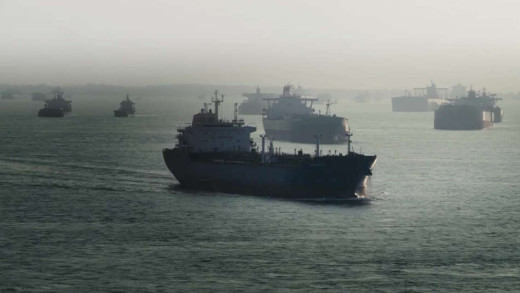 52:02
52:0290% of the consumer products are manufactured overseas, delivered by ship. Likewise with individual supplies, assembly parts, and even transportation oil itself. The shipping industry is the core of the globalised economy. Yet this industry remains largely obscure and unquestioned. As modern ships are too large to fit in traditional city harbours, they've moved out of the public eye, behind extensive barriers and security check points. Freightened: The Real Price of Shipping aims to open up this hidden world. What pulls the strings in this multi-billion dollar global business? To what extent does it control policy makers? How does it affect the environment above and below the water-line? And what's life like for modern seafarers? Through journeys over many oceans, Freightened is an investigation the hidden machinations of globalised shipping, revealing its ubiquitousness but fragility, consequences and future.
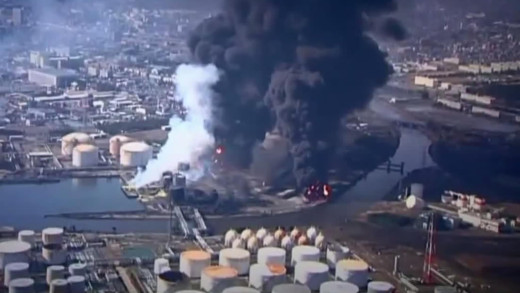 24:55
24:55On 11th March 2011, a 9.0 magnitude earthquake unleashed a devastating tsunami destroying whole Japanese towns and villages. It also hit the Fukushima Daiichi nuclear power plant, damaging four reactors and leaking radiation. As the toxic fallout affects the health, safety and livelihood of millions, Japan faces its biggest-ever backlash towards nuclear power. Anti-nuclear activism in Japan has been on the rise along with calls for changes in energy policies generally. And from being the world's third-highest user of nuclear energy, the country now has only five of its 54 reactors working, but lengthened the time-span of its oldest reactors by 20 years. What's going on?
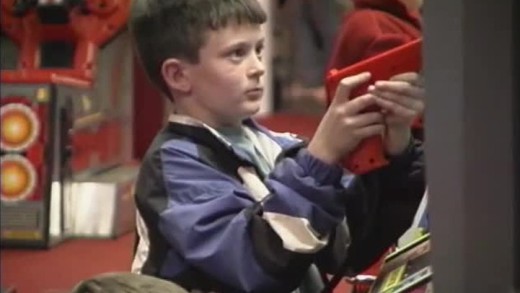
At the time of making this film, the year 2000, computer games represented a $6 billion a year industry, and one out of every ten households in the United States owned a Sony Playstation—numbers that have no-doubt since skyrocketed. Back then, children played an average of ten hours per week—a stat also since to have increased today—and yet, despite capturing the attention of millions of these kids, video games remain one of the least scrutinized cultural industries. Game Over seeks to address this fastest growing segment of the media, through engaging questions of gender, race and violence. Game Over offers a much needed dialogue about the complex and controversial topic of video game violence, and is designed to encourage viewers to think critically about the games they play.
 1:27:40
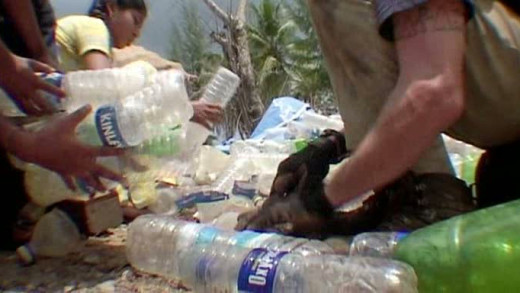
Imagine a home that heats itself, that provides its own water, electricity and spaces to grow food. One that needs no expensive technology, that recycles its own waste and that can be built anywhere, by anyone, out of garbage. Literally. Thirty years ago, architect Michael Reynolds imagined such a home and then set out to build. Today, there are strong communities of people living in these homes throughout the world, but all doesn't come without the constant resistance and hindrance from government and big business which are rightly threatened...
 1:42:41
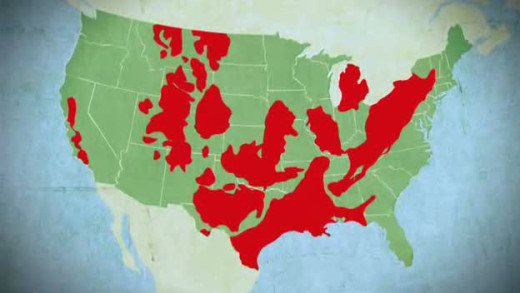
America's largest domestic natural gas drilling boom is in full swing and the Halliburton corporation claims it has refined a technique called 'hydraulic fracturing' that extracts natural gas in a "safe and environmentally friendly way". But upon examination, film-maker Josh Fox uncovers a trail of secrets, lies and first-hand evidence of intense water contamination and devastating environmental destruction...
 2:05:02
Gasland Part II
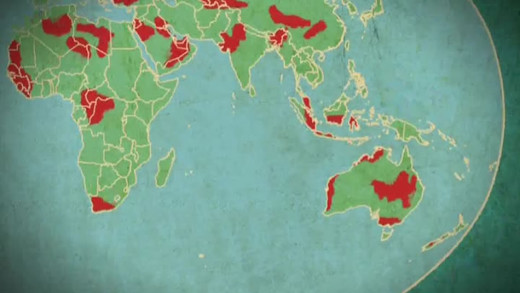
Gasland Part II follows on three years later, to continue documenting how the stakes have been raised on all sides in one of the most devastating environmental issues rapidly spreading the globe. This sequel further enriches the argument that the gas industry's portrayal of natural gas as a clean and safe alternative to oil is a lie, where in fact fracked wells inevitably leak over time, and vent exuberantly more potent greenhouse gasses such as methane in cumulative effect, not to mention the continued string of cases of severe water contamination across the United States and even cases as far away as Australia. Gasland Part II follows deeper into these happenings, revealing yet more of an entrenched corporate collusion in the pursuit of exploiting dwindling 'natural resources'...
 53:04
53:04Social media networks purport the ability to interact with culture—talking directly to artists, celebrities, movies, brands, and even one another—in ways never before possible. But is this real empowerment? Or do marketing companies still hold the upper hand, as before? Generation Like explores how the perennial quest for identity and connection is usurped in the pervasive game of cat-and-mouse by vast corporate power in the extensive machine for consumerism that is now the online environment. The audience becomes the marketer; buzz is subtly controlled and manipulated by and from real-time behavioural insights; and the content generated is sold back to the audience in the name of participation. But does the audience even think they're being used? Do they care? Or does the perceived chance to be the 'next big star' make it all worth it?
 59:40
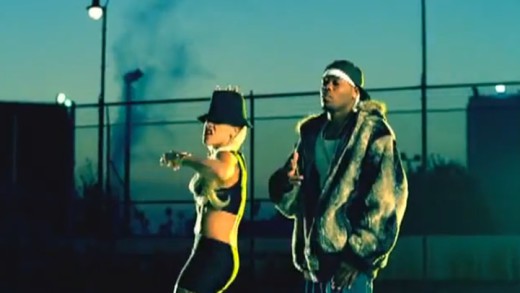
59:40Generation M looks at misogyny and sexism in mainstream media, exploring how negative definitions of femininity and hateful attitudes toward women get constructed and perpetuated throughout popular culture. The film tracks this across a broad and disturbing range of media phenomena: from the hyper-sexualization of commercial products aimed at girls, to the explosion of violence against women in video games aimed at boys; from the hysterical sexist rants of popular hip-hop artists and talk-radio shock-jocks, to the continually harsh, patronizing caricature of women found in virtually every area of media. Generation M posits the consequences of misogyny in all of its forms, showing that when we devalue more than half the population based on gender, we harm everyone—boys and men, women and girls alike.
 1:45:45
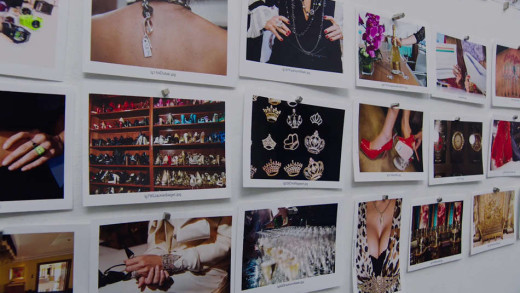
Generation Wealth is a visual history of the materialistic, image, and celebrity-obsessed culture, explored through the work of photographer and filmmaker Lauren Greenfield. Part historical essay, part autobiographical, Greenfield puts the pieces of her life's work together to reveal the pathologies that have created the richest and most unequal society the world has ever seen. Spanning consumerism, beauty, gender, body commodification, aging, and sex, Generation Wealth unpacks the global boom-bust economy, the corrupt American Dream and the human costs of capitalism, narcissism and greed.
 46:47
46:47In the "race to feed the planet", scientists have discovered how to manipulate DNA and produce what they claim are stronger, more disease-resistant crops. However, fears that Genetically Modified Food may not be safe for humans or the environment has sparked intense protest. Are we participating in a dangerous global nutritional experiment? This film asks is the question -- is the production of genetically modified food a panacea for world hunger or a mass poisoning of the worlds food supply?
 19:54
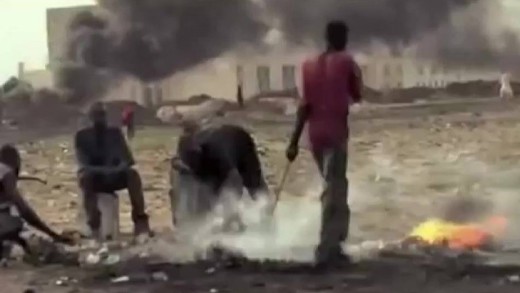
19:54A group of graduate journalism students from the University of British Columbia travel to the outskirts of Ghana as part of a global investigation tracking the shadowy industry of e-waste that's causing big environmental problems around the world. Their guide is a 13-year-old boy named Alex. He shows them his home, a small room in a mass of shanty dwellings, and offers to take them across the dead river--which is literally dead--to a notorious area called Agbogbloshie which is one of the world's unseen e-waste dumping grounds. Hundreds of millions of tons of waste are funnelled here each year, with more to come as the consumer boom of computers and gadgets increases across the globe--unless drastic action changes the flow of waste and addresses the terrible conditions many have to endure for the technocracy of the West.
 1:18:10
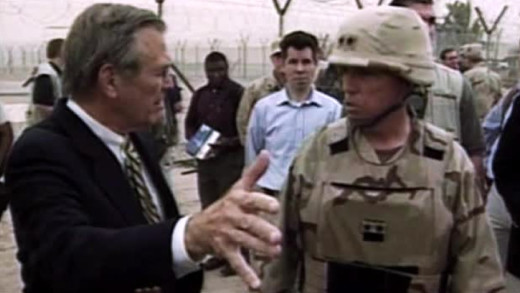
Ghosts of Abu Ghraib examines the sexual abuse, torture, rape, and murder of detainees at Abu Ghraib prison at the hands of US military police in the fall of 2003. The film shows how the abuse was systemic of the military-intelligence complex, flawing the "bad apples" theory that was sprouted through the media at the time. By making reference to Stanley Milgrim's obedience experiments of the 1960s, the film asks: How can ordinary people take these actions? And what orders came from the chain of command?
 1:59:02
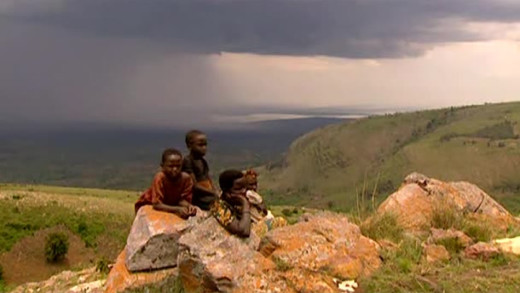
Ghosts of Rwanda marks the 10th anniversary of the genocide in Rwanda—a state-sponsored massacre in which some 800,000 Rwandans were methodically hunted down and murdered, as the United Nations and other states refused to intervene. The film examines the social, political, and diplomatic failures that converged to enable the genocide to occur. Through interviews with key government officials, diplomats, soldiers, and survivors of the slaughter, Ghosts of Rwanda presents first-hand accounts of the genocide from those who lived it—the diplomats on the scene who thought they were building peace only to see their colleagues murdered; the Tutsi survivors who recount the horror of seeing their friends and family slaughtered by Hutu friends and co-workers; and the UN peacekeepers in Rwanda who were ordered not to intervene in the massacre happening all around them.
 1:17:19
Girl Model offers a glimpse into the hall of mirrors that is the modelling world as it interfaces with other industries and other countries. The film follows Ashley—a deeply ambivalent former-model who is now a scout and scours the Siberian countryside looking for 'fresh faces' to send to the Japanese market; and one of her 'discoveries,' Nadya, a thirteen year-old plucked from the Siberian countryside and dropped into the centre of Tokyo with promises of a profitable career. What entails is the opening of a can of worms that isn't easily solved in one sitting—a thriving and curiously sinister modelling industry that spans the globe, luring everywhere with pretences of wonder, success and riches. But the realities are harsh. The fashion industry can look glamorous from the outside, but its insides are, at the very least, deceptive and sinister; and the myths run deeply entrenched in the culture, constantly promulgating new, young recruits. This 'meat market,' a prelude to sex trafficking, is creepy, ugly, and preys on the young and vulnerable. Can the spell be broken?
 26:41
26:41Moving Beyond Myth focuses on the sexual dilemmas and difficult life choices young girls face as they come of age in contemporary American culture. Challenging long-held myths about girlhood, the film draws on the insights of girls themselves to explore and shed light on their actual lived experience as they navigate an increasingly hyper-sexualized society. The voices of a diverse range of girls are supplemented with accessible analysis from leading experts on sexuality and society.
 1:15:57
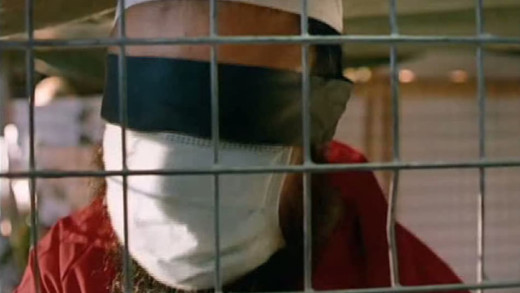
In the wake of the attacks of September 11th 2001, the United States opened a prison camp in Guantánamo Bay, Cuba. The hundreds of prisoners detained there are not afforded prisoners of war status according to the Geneva Convention, they are labelled "unlawful combatants" and are held indefinitely and tortured with no right to a lawyer or a trial. Gitmo -- The New Rules Of War cuts through the official political rhetoric surrounding Guantánamo to expose what really goes on at the United States central gulag in the 'war on terror'.
 59:56
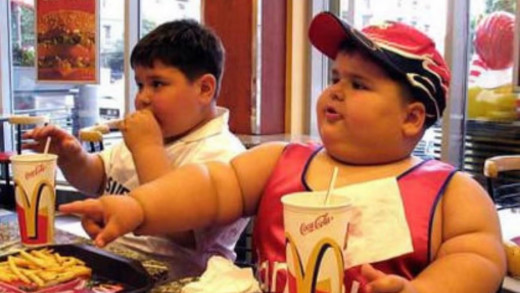
59:56Globesity exposes the explosion of global obesity by following how fast food corporations have infiltrated countries where just a few decades ago hunger was a headline health concern. The film travels to China where the consumption of sugar has skyrocketed, to Brazil where corporations such as Nestlé have fundamentally altered traditional diets, to India where it’s predicted that 100 million people will be suffering diabetes in the not-too-distant future, and on to Mexico--the biggest consumer of soft drink in the world--where diabetes is already the number one killer. The film is one illustration of many of how vast corporate operations further destroy traditional communities and usurp basic needs like food...
 1:59:46
Going Clear
Going Clear: Scientology and the Prison of Belief profiles eight former-members of the cult of Scientology, leading to a series of revelations of the history of systematic abuse, manipulation, and betrayal in the organisation by Scientology officials and celebrity figures. The film highlights the origins of Scientology, from its roots in the mind of founder L. Ron Hubbard and successor David Miscavige, to its rise in popularity in Hollywood and beyond. The result is a record of great harm, paranoia, abuse, the vast accumulation of wealth, and a lust for power and control.
 1:18:26
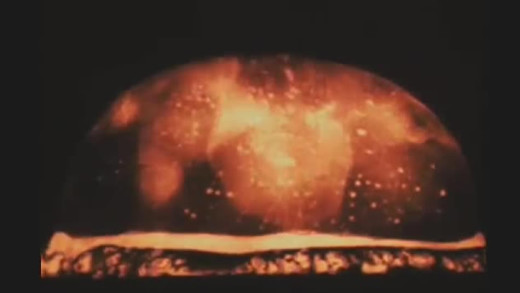
Golden Rule presents a picture of today's political economy interpreted through the framework of the "Investment Theory of political Parties". The theory, first articulated in 1983 by Thomas Ferguson, is largely based on quantitative analysis of activity in the stock market and its relationship to politics--that is to say that "elections are moments when groups of investors coalesce and invest to control the state." The film takes this theory and tests it against developments in the political and social spheres of recent decades, right up to the election of Barack Obama in the United States in 2008...