 18:33
18:33The Sky Is Pink
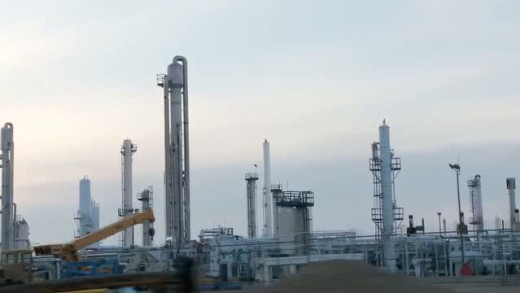
As an emergency short film following up Gasland, film maker Josh Fox returns to the urgent crisis of drilling and fracking throughout the United States and the world. Induced hydraulic fracturing or 'hydrofracking', commonly just known as 'fracking', is a technique used to release petroleum, natural gas, shale gas, tight gas, coal seam gas, and other substances for extraction. The Sky Is Pink returns to the issues of water contamination and the cataclysmic environmental impacts caused by fracking to show again first hand evidence of widespread ecological damage and the threat of more to come unless we stop it...
 27:01
27:01Ever since three reactors went into meltdown at the Fukushima Daiichi Nuclear Power Plant in 2011; a broad, disparate, anti-nuclear movement is growing in Japan. Nowhere is that more apparent, perhaps, than in Fukushima prefecture, where a group of local women boldly protest the deafening silence of the Japanese government over the worst nuclear accident of this century. Largely ignored by their own media, these brave women brush aside cultural shyness and share their honest views on the state of the cleanup, the cover-ups, the untruths and the stagnant political climate in today’s Japan...
 1:03:33
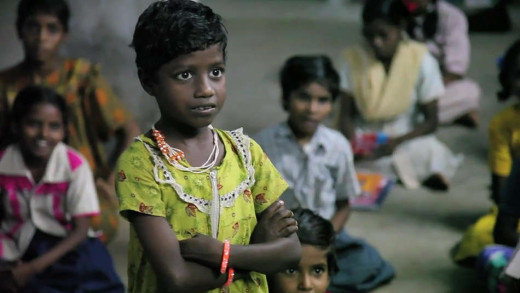
In India, China, and many other parts of the world today, girls are killed, aborted and abandoned simply because they are girls. The United Nations estimates as many as 200 million girls are missing in the world today because of this. Then, girls who survive infancy are often subject to neglect, and many grow up to face extreme violence and even death at the hands of their own husbands or other family members. The war against girls is rooted in centuries-old tradition and sustained by deeply ingrained cultural dynamics which, in combination with government policies, accelerate the oppression of women and girls. Shot on location in India and China, It's a Girl reveals these issues through the stories of abandoned and trafficked girls, of women who suffer extreme dowry-related violence, of brave mothers fighting to save their daughters' lives, and of other mothers who would kill for a son. Global experts and grassroots activists put the stories in context and advocate different paths towards change, while collectively lamenting the lack of any truly effective action against injustice.
 59:01
59:01For more than two years the Eurozone has teetered on the edge of an economic precipice. But how exactly did it get into the current financial mess? Talking to historians, economists and politicians, The Great Euro Crash takes a long view of the euro--from Churchill's vision of a United States of Europe; to the bail-outs of Greece, Portugal and Ireland. Meeting a property developer in Ireland, a taxi driver in Rome and a German manufacturing worker; the film exposes the high cost being paid by European workers today for the dream of European Union—how the entire system has so far come to a complete banking meltdown. The crisis could yet claim Britain, with its vast financial sector, dragged down by the collapse of the euro. And the cost of reviving the complex economy is so high, triggering a return to the economic mayhem of the 1930s.
 8:21
8:21The Program
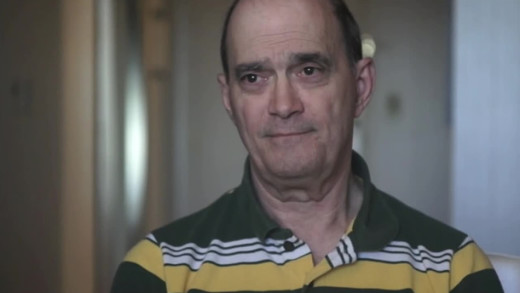
The Program is a short film focusing on William Binney—a former highly placed intelligence official with the United States National Security Agency, turned whistleblower after revelations that a system he created for foreign intelligence gathering was turned inward for domestic spying at the behest of the Bush administration in 2001. For this, Binney resigned in October of that year and later began speaking publicly. He is among a group of NSA whistle-blowers, including Thomas A. Drake, who have each risked everything—their livelihoods, freedom, and personal relationships—to warn everyone about the dangers of the current era of mass surveillance.
 1:33:31
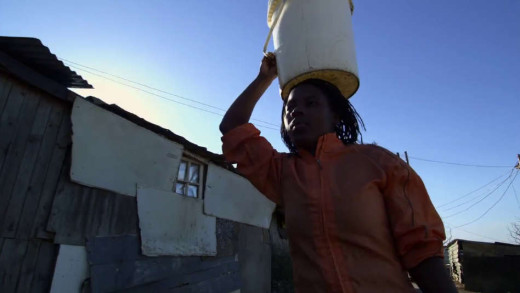
When the South African government promises to "eradicate the slums" and begins to evict shack dwellers far outside the city, three friends who live in Durban's vast shantytowns refuse to be moved. Dear Mandela follows their journey from the shacks to the highest court in the land as they invoke Nelson Mandela's example and become leaders in a growing social movement. The film offers a valuable perspective on the role that young people can play in political change, and is a modern portrait of South Africa. Dear Mandela is the centerpiece of a global community engagement project that educates slum residents about their housing rights and inspires young people to become leaders.
 1:18:39
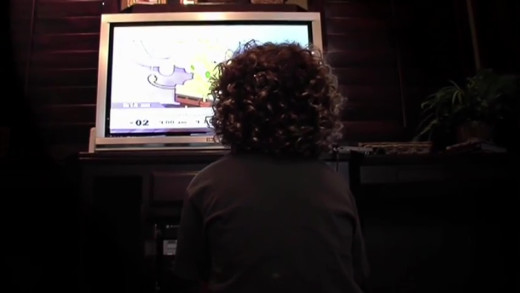
The huge and complex problems of today often instil doubt and fear that everything is futile. Yet by analysing how the power of media, schooling and parenting have moulded us, #ReGENERATION helps us start to comprehend what we must change—both as a generation and as a culture. We see how the average family spends at least four hours a day in front of the TV. Internet and video games are not included in this figure. So guess what is shaping us? This film examines the corporate forces that deeply influence all of us, but particularly the young, providing insights into how the politics of apathy is perpetuated, and how we can turn this around into activism, if and when we are willing.
 1:41:41
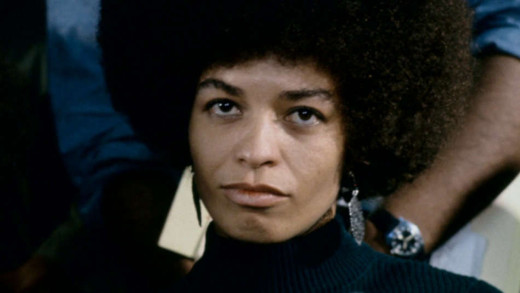
Free Angela and All Political Prisoners chronicles the life of college professor and civil rights activist Angela Davis, whose affiliation with the Communist Party and the Black Panthers in the 1970s landed her on the FBI's Ten Most Wanted list. This film documents her early years as a student, through to her highly publicised arrest, trial, and subsequent acquittal after 22 months of prison, following a botched kidnapping attempt of Marin County judge Harold Haley in California. The film explores every remarkable detail of Davis' life, as told through her own stories and a series of intimate interviews.
 1:14:45
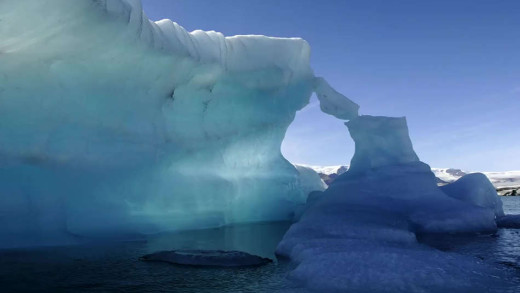
Chasing Ice follows acclaimed nature photographer James Balog and his team on a bold assignment for National Geographic: to capture images of the arctic that reveal the extent of the Earth’s changing climate. The result is the Extreme Ice Survey. Spanning years of work and technical challenges, EIS shows the breathtaking icescapes of Alaska, Iceland and Greenland, providing undeniable evidence of a changing planet. Hauntingly beautiful images compress years into seconds, and capture ancient mountains of ice in motion as they disappear at a breathtaking rate. Chasing Ice also tells Balog's personal story of transformation, from climate change skeptic to activist, putting his own body on the line to tell the world what is happening through his and his team's imagery.
 1:46:18
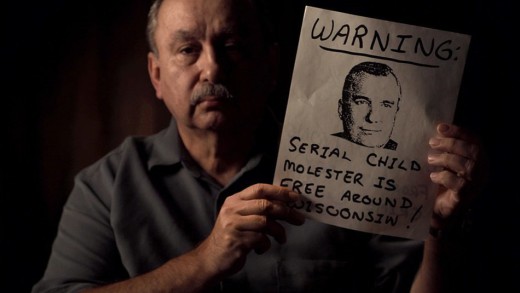
Mea Maxima Culpa: Silence in the House of God examines the systemic abuse of children in the Catholic Church told through the story of four deaf men who set out to expose the priest who abused them during the mid-1960s. Each of the men brought forth the first known case of public protest against clerical sex abuse, which later lead to the sex scandal case known as the Lawrence Murphy case. Through their case, the film follows a cover-up that winds its way from the row houses of Milwaukee, Wisconsin, through to Ireland's churches, and all the way to the highest office of the Vatican.
 1:36:16
Trashed
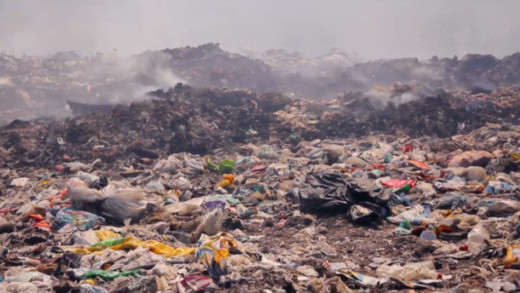
Trashed sets out to discover the extent and effects of garbage on the natural world. The film travels to beautiful destinations now tainted by pollution, through conversations with scientists, politicians, and people whose health and livelihoods have been fundamentally effected by waste. We see unfettered garbage dumping in Lebanon effecting its own coastline, but also the entire Mediterranean sea; toxic waste mounds set near a school and a future hospital in England; garbage incinerators in Iceland and Japan; the effects of plastic, microplastics, chemical sludge, flame retardants, pesticides, herbicides, dioxins, and other chemicals from waste and their synergistic impacts the world over. Trashed is a call for urgent action to resolve the issue of existing waste, to drastically reduce consumption and output to significantly less harmful levels, while demonstrating how this is already being reached for in many communities around the world.
 1:27:22
Catastroïka follows the global trend of privatisations in the past two decades, extrapolating the forthcoming results of the current sell-off in Greece, which has been demanded in order to face the country's enormous debts. Turning to the examples of London, Paris, Berlin, Moscow and Rome, Catastroïka predicts what will happen, if the model imposed in these areas is imported in a country under international financial tutelage...
 20:00
20:00e-Wasteland
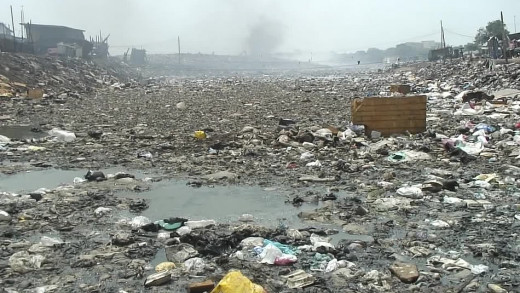
Almost 50 million tonnes of electronic waste is generated worldwide, every year. A large volume of it is shipped off to Ghana, in West Africa, as "second-hand goods" where electronics are not seen for what they once where, but rather for what they've become. Without dialogue or narration, e-Wasteland presents a visual portrait of vast landscapes polluted by electronic waste, shining a light on the endless consumerism of the 1st world; and the real, pervasive, ecological impact of electronic waste worldwide.
 42:46
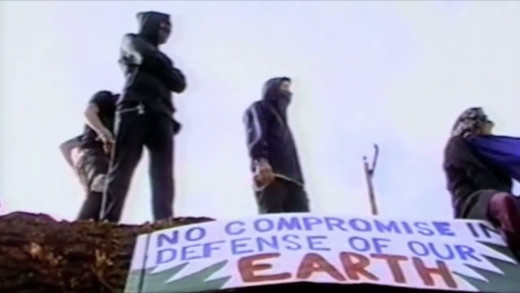
42:46People from industrial civilisation are fast to defend it, saying that they depend on this way of life for survival. It's an addiction. But what if civilisation is the very thing that is killing us and everyone else around? How could we survive then? The Fuck-It Point is about this pervasive disabling mindset of civilisation, its true cost, why and how we need to stop it from killing the planet, and why most people from civilisation don't want to do this. Will you do what is necessary to stop this culture from killing the planet?
 1:29:23
Bottled Life
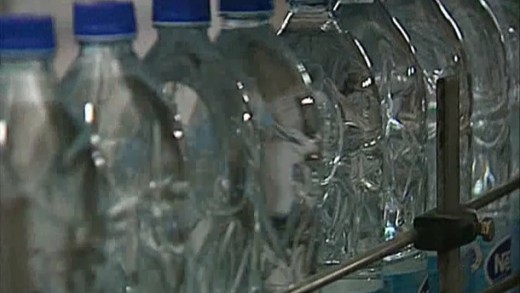
While the world's population continues to grow at an alarming rate, water is becoming increasingly hoarded and scarce. Bottled Life documents the trend of the privatisation of water by focusing on the Nestlé corporation that is hoarding water supplies for profit and control across the globe. Nestlé currently owns more than seventy of the world's largest bottled water brands, with annual sales of water alone totalling some $10 billion. But the company does not want to discuss this business. Management refuses interviews. Information is not provided. What entails is a revealing look at the schemes and strategies of a powerful corporation, in a time of water crisis and extreme inequality.
 57:14
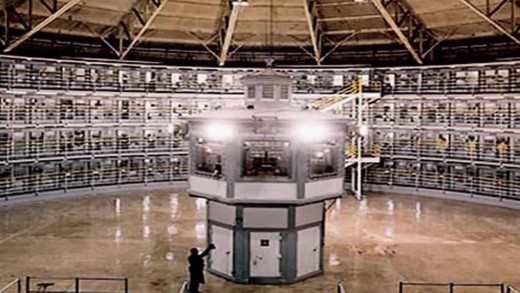
57:14Panopticon
Using the analogy of a Panopticon, this film looks at how technology and the convergence of vast data stores together are fuelling one of the most comprehensive attacks on privacy ever before seen. How is modern society being defined by such rapid changes? Where are we heading? By travelling to Germany to show how such attacks have been the basis for past dictatorships, Panopticon asks: Even if you have nothing to hide, do you have nothing to fear? What does privacy mean for you? When precisely does the surveillance state begin? What is your threshold? With a focus on the Netherlands, Panopticon offers a comprehensive analysis challenging the current herd-mentality and apathy about privacy in the modern world.
 1:25:09
High Tech, Low Life follows the journey of two Chinese bloggers who travel their country chronicling undner-reported news and social issues stories. Using laptops, mobile phones, and digital cameras, both develop skills for reporting while learning to navigate China's continually evolving censorship regime and the risks of political persecution. The film follows 57-year-old 'Tiger Temple,' who earns the title of China's first "citizen reporter" after he impulsively documents an unfolding murder; and 27-year-old 'Zola' who recognises the opportunity to be famous by reporting on sensitive news throughout China. From the perspective of vastly different generations, both personalities must reconcile an evolving sense of individualism, social responsibility and personal sacrifice. The juxtaposition of Zola's coming-of-age journey from veggie-farmer to Internet celebrity; and Tiger Temple's commitment to understanding China's tumultuous past, both provide a portrait of China and of the wider questions facing news-reporting in the age of the Internet.
 1:30:03
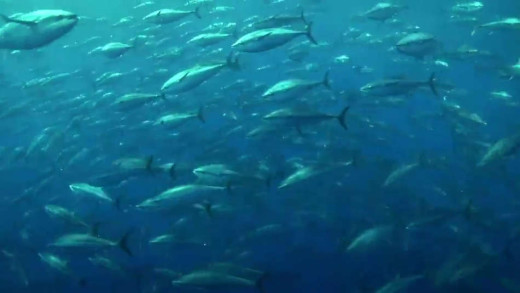
Decades of over-fishing by the global tuna industry have now pushed the final frontiers to the waters of Papua New Guinea. In the 1950s, commercial fishing was extracting 400,000 tons of tuna from the ocean. This number is now close to 4 million tons. And it comes at a high cost: a human one, now affecting the last places on Earth to receive the full impact of globalisation. Set in "the land of the unexpected," in the north-eastern part of Papua New Guinea, Canning Paradise follows the struggle of Indigenous tribes to protect their way of life, guarded by traditions dating back since the beginning of time. While many have lost hope, others are fighting for survival from the corrupt government and the omnicidal dominant culture.
 1:04:53
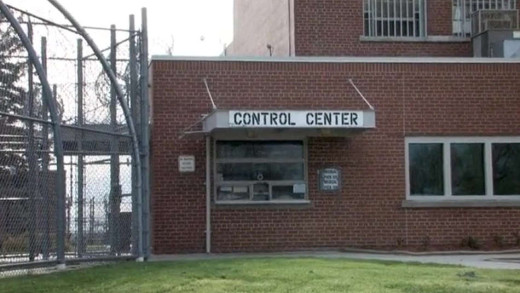
The number of women in prison in the United States has grown by over 800% in the past three decades. Two thirds are mothers and are incarcerated for non-violent offenses. More than 80% have been victims of domestic violence or sexual assault at some point in their lives. The Grey Area is a discussion of the complex factors behind these statistics, portraying an intimate look at women's issues from inside the criminal justice system. A small group of female inmates at a maximum women's security prison, share their diverse experiences with motherhood, drug addiction, sexual abuse, murder, and life in prison. The women explore the "grey area" that is often invisible within the prison walls and delve into issues of race, class, sexuality and gender.
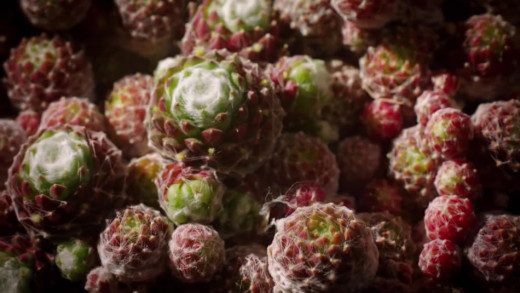
Kingdom of Plants reveals a whole new dimension in the lives of plants, from the most bizarre to the most beautiful. Using time-lapse and pioneering techniques in macro photography, naturalist David Attenborough traces plants from their beginnings on land to their vital place in nature today. We also move from our time scale to theirs, revealing the true nature of plants as creatures that are every bit as dynamic as animals. Attenborough discovers a microscopic world that's invisible to the naked eye, where insects feed and breed, where flowers fluoresce and where plants communicate with each other and with animals using scent and sound.
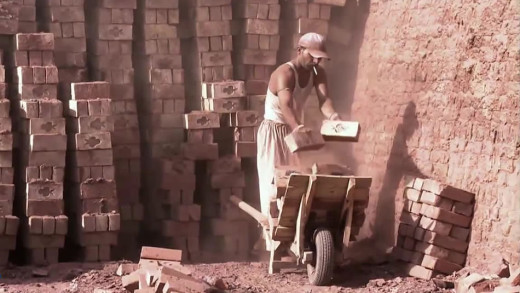
Far from ending with the abolition of slavery, the trade in human beings is thriving more than ever before. Today, 27 million men, women and children are held, sold and trafficked as slaves throughout the world. From the sex slaves of Eastern Europe to China's prison labour slaves; from Brazil's hellish charcoal slave camps to entire families enslaved in Pakistan's brick kilns, this series exposes the people behind modern slavery and the companies who profit from it.
 59:56
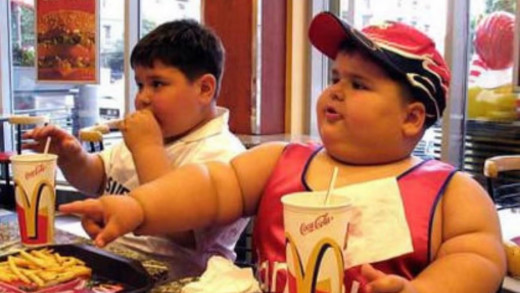
59:56Globesity exposes the explosion of global obesity by following how fast food corporations have infiltrated countries where just a few decades ago hunger was a headline health concern. The film travels to China where the consumption of sugar has skyrocketed, to Brazil where corporations such as Nestlé have fundamentally altered traditional diets, to India where it’s predicted that 100 million people will be suffering diabetes in the not-too-distant future, and on to Mexico--the biggest consumer of soft drink in the world--where diabetes is already the number one killer. The film is one illustration of many of how vast corporate operations further destroy traditional communities and usurp basic needs like food...
 24:32
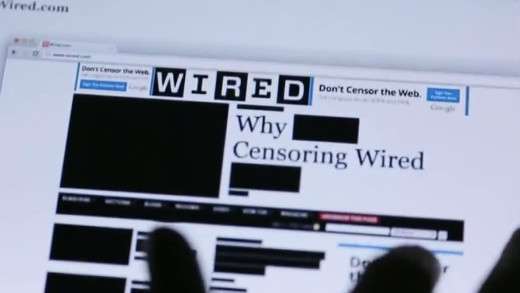
24:32In January 2012, two controversial pieces of legislation were making their way through the United States Congress. SOPA, the "Stop Online Piracy Act", and PIPA, the "Protect Intellectual Property Act", were meant to 'crack down' on the illegal sharing of digital media. The laws were drafted on request of the 'content industry' -- Hollywood studios and major record labels. But websites reacted against the government to speak out against SOPA, and the bill was effectively killed off after the largest online 'protest' in history. But it was only one win in a long battle between authorities and online users over Internet regulation. SOPA and PIPA were just the latest in a long line of 'anti-piracy' legislation that governments have been pressing since the 1990s. Can and should the internet be controlled? Who gets that power? How far will the United States government go to control the Internet?
 58:22
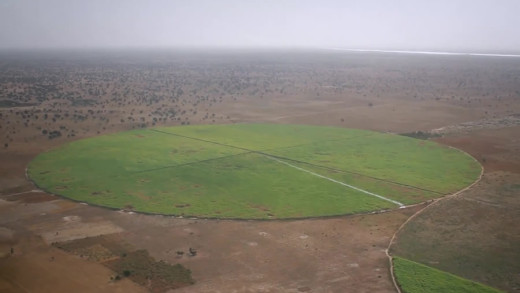
58:22Rich, land-hungry nations like China and Saudi Arabia are rushing to Mali, West Africa, to grab up land for large agribusiness investments. Malian peasants do not welcome these developments however, seeing this as yet another manifestation of imperialism. Indeed local farmers themselves are being forced off the land by their own governments to allow foreign interests in, promising large sums of money. Land titles are denied, lands are cleared and families moved on. Though as Mali experiences a military coup and developers are frightened off, the situation improves for local farmers...
 59:03
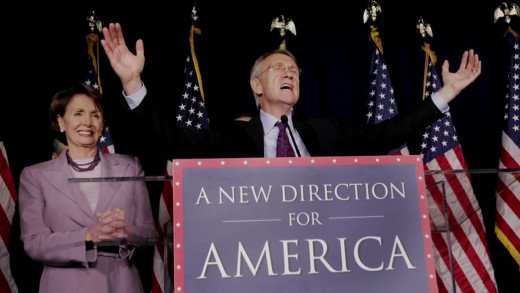
59:03Exploring the collusion between the richest people in the United States and the figureheads of political power in government, this film focuses on Park Avenue in New York which is currently the home to the highest concentration of billionaires in the United States. Across the river in Manhattan, less than five miles away, Park Avenue runs through the South Bronx which is home to the countries' poorest. The disparity of wealth has never been so stark and has accelerated extraordinarily over the last 40 years. As of 2010, 400 people controlled more wealth than the bottom 50 percent of the population—150 million people—as well as seizing political power. Park Avenue travels through this to illustrate why the concept of so-called "upward mobility" is a myth perpetuated by the rich, and also to unpack the workings of plutocracy and capitalism—the current-day rule by the rich, and the implications of this collusion of power and control.
 25:00
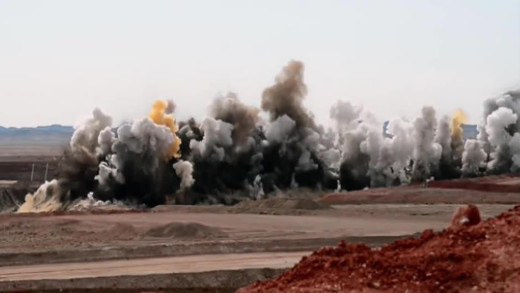
25:00Mongolia is the next target for the world's biggest mining corporations for copper. The Oyu Tolgoi mine currently under construction in the South Gobi Desert is a combined open-pit and underground mine due to start extraction in the next few months of 2012. But the problems don't end there. The Oyu Tolgoi deal between the Mongolian government and the massive Australian mining company Rio Tinto is truly indicative—Mongolia gets just 34 percent, while Rio Tinto is exempt from a profits tax and receives open access to scarce desert aquifers and the provisioning of water to people living close to land that the mining company now claims to own. The Big Dig documents how this avaricious mining-driven culture comes at the expense of the natural world and the way of life of local communities.
 1:25:20
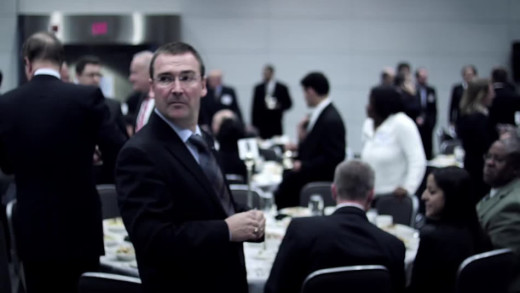
Brussels, the capital and largest city of Belgium, has a long history of hosting the institutions of the European Union within its European Quarter; while the Union itself claims it has no capital and no plans to declare one--despite the fact that Brussels hosts the official seats of the European Commission, Council of the European Union, and European Council, as well as a seat of the European Parliament. In any event, it is here--in this centre of smoke and mirrors--that exists one of the largest concentrations of lobbyist power in the world. The Brussels Business scratches the surface of this extensive world hidden-from-view by looking at the direct influence of lobbyists and the complete lack of transparency in the decision-making processes. Speaking with lobbyists and activists themselves, The Brussels Business reveals the beginnings of a vast landscape of PR conglomerates, front companies, think-tanks and their closely-interlinking networks of power and ties to political and economic elites. The questions then become: Who actually runs the European Union? How? And why?
 1:28:52
Ninety percent of American media is controlled by five big, for-profit-conglomerates, creating a media monopoly of informational and social control never before possible. The overwhelming collective power of these firms raises troubling questions about democracy. Using a handful of in-depth cases out of a vast array of examples, speaking with renowned journalists, activists, and others, Shadows of Liberty reveals the hidden machinations of the news media, drawing into focus the vast mechanisms of censorship, cover-ups, and corporate control that have been built up over many decades. Journalists are prevented from pursuing controversial news stories, people are censored for speaking out against abuses of government power, and individual lives are shattered as the arena for public expression has been turned into a vessel for advertising, warmongering and distraction. Will the Internet remain 'free', or succumb to the same control by the same handful of powerful, monopolistic corporations--as we see?