
To many in both business and government, the triumph of the self is the ultimate expression of democracy, where power is truly moved into the hands of the people. Certainly the people may feel they are in charge, but are they really? The Century of the Self tells the untold and controversial story of the growth of the mass-consumer society. How is the all-consuming self created, by whom, and in whose interest?
 1:39:39
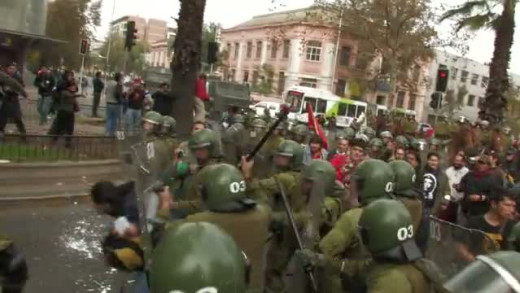
The Chicago Conspiracy reviews the legacy of the military dictatorship in Chile by sharing the story of combatant youth who were killed by the Pinochet regime as a backdrop to the history of the military dictatorship and current social conflict. The larger history is wrapped around three shorter pieces, which explore the student movement, the history of neighbourhoods that became centres of armed resistance against the dictatorship, and the story of the indigenous Mapuche...
 49:05
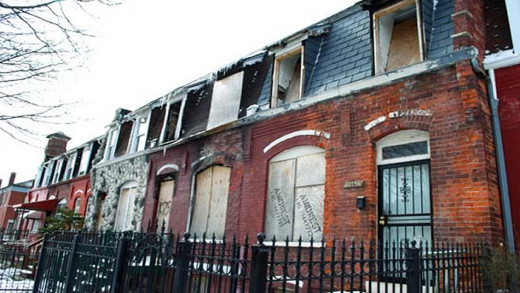
49:05The Chicago Sessions explores the ethical implications of the financial crisis during three sessions with a group of law and philosophy students. The grounds of the University of Chicago provide a compelling arena, since it is here that both economist Milton Friedman—staunch promoter of free market capitalism—and Barack Obama, lectured. Examples of crisis related issues discussed during the sessions are: mortgage lending practices, foreclosures, bail outs and CEO pay. The students will test their ideas both on eminent professors and on field experts. The discussion is fueled and illustrated by case stories that the students themselves provide. The cases show how the financial crisis really affects the people of Chicago and in one example shows the consequences of the foreclosures in a neighborhood not far from the university and Barack Obama's home.
 1:28:12
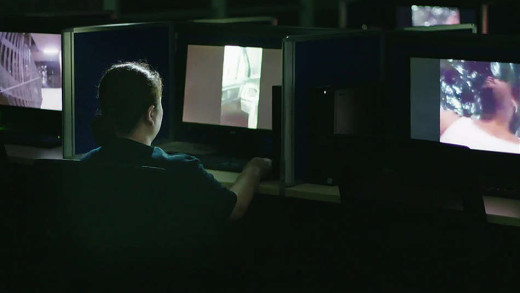
How do online giants such as Facebook and Google deal with problematic content posted to their platforms every minute? They outsource the act of "digital cleaning" to teams of people paid a pittance in countries such as the Philippines, to act as content moderators. It's these hidden low-paid workers, in giant click farms, that spend long shifts removing posts and deleting accounts. So how do their decisions influence what the billions of people using social media all around the world see and think? What are the policies they are told to enforce? Are the cleaners part of the online world of clever hoaxes and fake news, or are they on the frontline of social media spectacle and furor?

In the 1970s, acid rain and other ecological concerns were at the fore and it was at this time that climate change first became a pressing political issue. But the concern wasn't global warming -- it was the threat of a new ice age. So how did the scientific community manage to get it so very wrong? Uncovered 30 years later, the secret government organisation known as "Jason", produces the first official report on global warming in 1979. Fast forward to the mid 1980s and global warming had already become a serious political issue. However, it is not until the 1990s that the issue turns out to become one of the biggest scientific controversies of the age...
 1:25:55
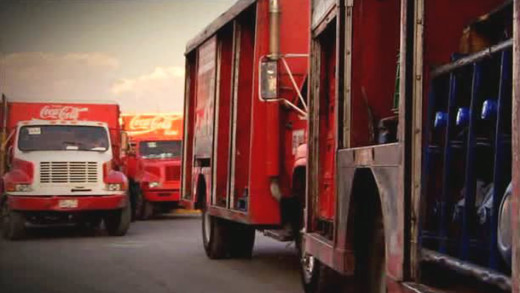
Coca Cola is one of the most visible brands in the world, but there's one part of the operations the corporation doesn't want you to see. Colombia is the trade-union-murder-capital of the world. Since 2002, more than 470 workers' leaders have been brutally killed, usually by paramilitaries hired by private companies intent on crushing the unions. Amongst the top unscrupulous corporate brands is Coca Cola...
 52:53
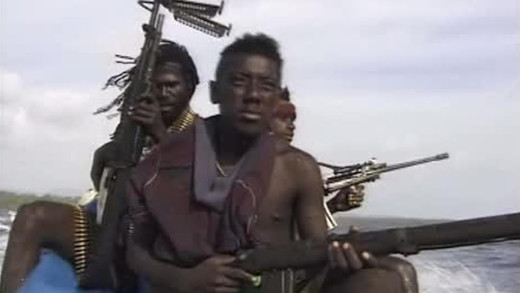
52:53The Coconut Revolution documents the struggle of the indigenous peoples in the Bougainville Island. The movement is described as the world's first successful eco-revolution, in that the successful uprising of the indigenous peoples of Bougainville Island against the Papua New Guinea army stopped the mining plans of the RTZ company to exploit their land for resources...
 52:49
52:49The Codebreaker charts the story of the ground-breaking cryptoanalyst Elizebeth Smith Friedman, whose work in decoding the messages of organised crime in the United States, bringing down Al Capone and breaking up a Nazi spy ring in South America, lays the foundation for the National Security Agency (NSA). Her work also during World War II was instrumental to ending the war and was classified work and completely unknown until recently.
 1:12:37
Arguing that advertising not only sells things, but also ideas about the world, The Codes of Gender examines the commercial culture's inability to let go of reactionary gender representations. Presenter Sut Jhally's starting point is the breakthrough work of the late sociologist Erving Goffman, whose 1959 book The Presentation of the Self in Everyday Life prefigured the growing field of performance studies. Jhally applies Goffman's analysis of the body in print advertising to hundreds of print ads today, uncovering an astonishing pattern of regressive and destructive gender codes. By looking beyond advertising as a medium that simply sells products, and beyond analyses of gender that tend to focus on either biology or objectification, The Codes of Gender offers important insights into the social construction of masculinity and femininity, the relationship between gender and power, and the everyday performance of cultural norms.
 1:52:35
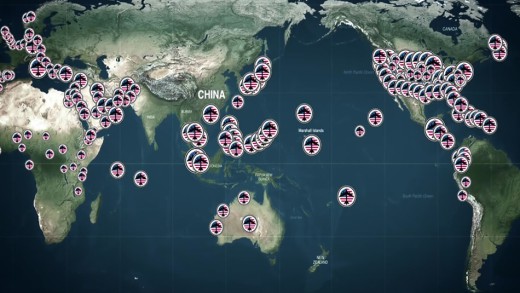
The Coming War on China is a warning that nuclear war is not only imaginable, but a 'contingency,' says the Pentagon. The greatest build-up of NATO military forces since the Second World War is under way on the western borders of Russia, and some 400 American military bases encircle China with missiles, bombers, warships and nuclear weapons. But these happenings are of course not reported as United States antagonism. Instead, there is a familiar drumbeat of war, the kind of the old "yellow peril," a restoration of the psychology of fear that embedded public consciousness for most of the 20th century. The aim of this film is to break the silence, and as the centenaries of the First World War presently remind us, horrific conflict can begin all too easily. By recounting the secret and forgotten history of the rapacious actions of great power against China throughout the decades, such as the destruction of the Marshall Islands and the Opium wars, The Coming War on China is also a report of an inspiring popular resistance to nuclear weapons, military bases and warmongering of the United States, of which little is known in the West.
 1:50:38
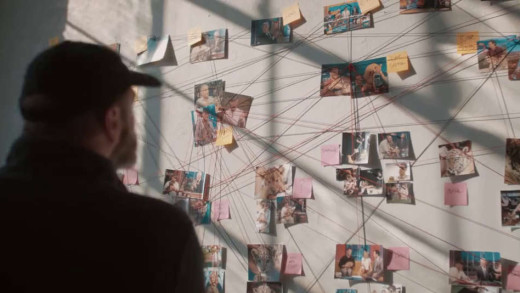
The Conservation Game follows the story of Tim Harrison, an Ohio cop who stumbles upon a bombshell discovery while undercover at an exotic animal auction. He starts to suspect that America's top television celebrity conservationists may be secretly connected to the exotic pet trade. As his investigation leads deeper into the secret world of the big cat trade, Tim and his team take their fight to the halls of Congress, pressing lawmakers to pass federal legislation that would end the private breeding and exploitation of these endangered animals. But when opposition comes from an unexpected source, Tim is forced to face the demons of his own past, while wrestling with the consequences of exposing his childhood hero.
 2:24:01
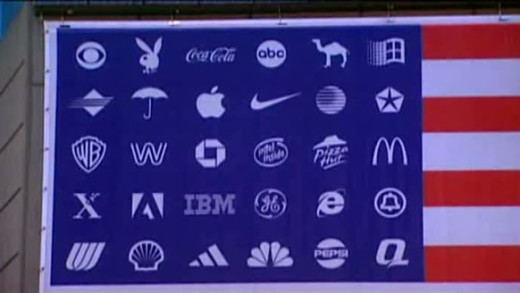
Did you know that the legal system recognises a corporation as a person? What kind of 'person' is it then? What would happen if it sat down with a psychologist to discuss its behaviour and attitude towards society and the environment? Explored through specific examples, this film shows how and why the modern-day corporation has rapaciously pressed itself into the dominant institution of our time, posing big questions about what must be done if we want a equitable and sustainable world. What must we do when corporations are psychopaths?
 1:30:36
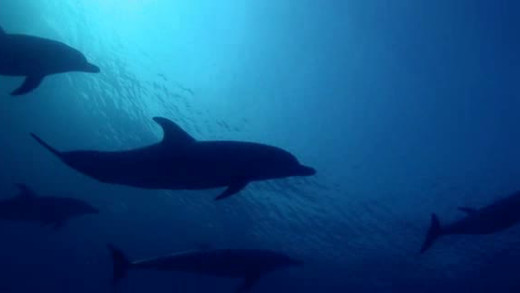
The Cove analyses and questions Japan's dolphin hunting culture, being a call to action to halt mass dolphin kills, to change commercial fishing practices and to inform and educate the public about the risks and ever increasing hazard of mercury poisoning from dolphin meat. Told from ocean conservationist Richard O'Barry's point of view, The Cove documents a group of Taiji fishermen who engage in mass dolphin kills, which in large part, are motivated by the tremendous revenue generated for the town by selling some of the captured dolphins to aquariums and marine parks. The dolphins that are not sold into captivity are then slaughtered in the cove and the meat is sold in supermarkets...
 1:17:29
The Crisis of Civilization draws on archive footage and essentially monologue by author Nafeez Mosaddeq Ahmed to detail how global problems like environmental collapse, financial crisis, peak energy, terrorism and food shortages are all symptoms of a single, failed global system...
 25:12
25:12Through exploring deep questions about the way mainstream media is organised and perpetuated in concert with technological development, media expert George Gerbner delivers a solid indictment of the way the so-called "information superhighway" is now being constructed. Following on from his solid work looking at the impacts of television on society, Gerbner turns to examining emerging technologies like V-chip and the way they interface with globalisation. This film urges the viewer to struggle for democratic principles in this emerging technoculture.
 1:41:12
Kevin Warwick is a renowned researcher in the precarious field of cybernetics, the study of 'artificial intelligence,' human-control functions, robotics and so-called "cybernetic organisms." His work, as self presented here, shows how implant and electrode technology can be used to control human brain functions, to create biological brains for robots, to enable so-called "human enhancement" and treatment for neurological illnesses. The end goal is transcending human "limitations" or transhumanism, according to Warwick, which inevitably stirs up many social, ethical and practical questions. What are the implications of this work, and this world view?
 46:31
46:31The Dark Side Of Chocolate follows a team of investigative reporters into Africa where human trafficking and child labour fuel the chocolate industry worldwide. The film travels to Mali where hidden footage reveals the trafficking of small children to the cocoa fields in the neighbouring Ivory Coast and elsewhere. What is happening behind the sweet imagery of the chocolate industry?
 1:28:04
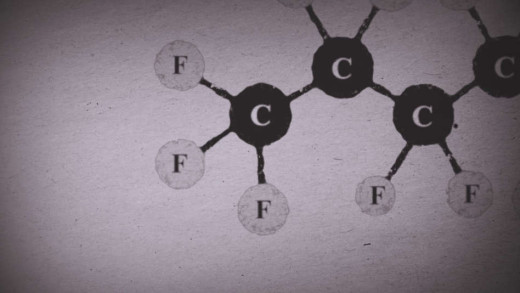
The Devil We Know investigates the toxicity of perfluorooctanoic acid--PFOA/PFA, also known as C8--the key ingredient found in non-stick cookware, stain resistant furniture and carpets, wrinkle free and water repellent clothing, cosmetics, lubricants, paint, pizza boxes, popcorn bags, and many other everyday products. The film centres on Parkersburg, West Virginia, in the United States, at the DuPont facility that manufactured Teflon, and dumped at least 1.7 million pounds of PFOA into rivers and streams between 1951 and 2003, knowing that it was a carcinogen. The film follows the personal stories of several people who worked at the facility that experienced cancers and birth defects, and also reveals the detection of PFOA in the blood of more than 98% of the general US population in the low and sub-parts per billion (ppb) range, with levels much higher in chemical plant employees and surrounding subpopulations.
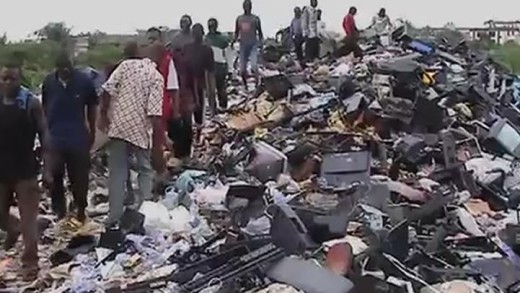 22:51
22:51The Digital Dump -- Exposing The Electronics Waste Trade travels to Lagos, Nigeria with the Executive Director of a global environmental organisation called BAN based in Seattle. The film is recorded over the course of 10 hectic days, during the week that Hurricane Katrina hit, documenting the reality of an escalating global trade in toxic, obsolete, discarded computers and other e-waste collected in North America and Europe. The waste is sent to countries like Nigeria by waste brokers and so-called recyclers. In Lagos, while there is some ability to repair and refurbish old electronic equipment, local experts explain that of the estimated 500 40-foot containers shipped to Lagos each month, as much as 75% of the imports are simply junk and are not economically repairable or marketable. Consequently, this e-waste is being discarded and routinely burned, despite the legal status of it as being hazardous materials.
 1:45:22
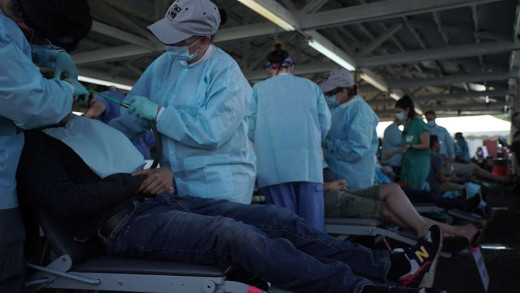
Britain's National Health Service, the NHS, was the world's first universal public health service, created out of the ideal that healthcare should be available to everyone, regardless of wealth. Designed to give millions of people "freedom from fear" following the Second World War, the NHS today is under threat of being sold-off and converted to a free-market model, inspired by the private health insurance system in the United States, which results in the deaths of an estimated 45,000 people every year. President Trump says the NHS is "on the table" in any future trade deal with America. Filmed in Britain and the United States, this timely documentary reveals what may be the last battle to preserve the most fundamental human right: health. Veteran filmmaker John Pilger takes us through a history of threats to Britain's National Health Service, from its founding in 1948, through a push for privatisation during the 1980s, to challenges by the new politics of today and the drive for corporate take-over.
 55:48
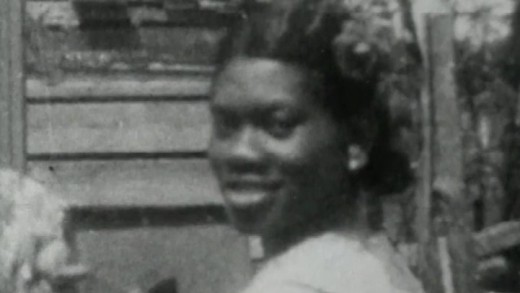
55:48Through a series of portraits that reach across different class, ethnic and generational experiences, The Double Burden speaks to the diversity of pains and pleasures of working motherhood. What is it like to grow up in a family where mothers have always worked outside the home? Through the lives of three families--one Mexican-American, one Polish-American, and one African-American--each with three generations of women who worked outside the home while also raising families, this film aims to instil tremendous respect for the accomplishments of women and for women of different races, social classes and life-styles through the generations, against social odds, pressures and expectations.
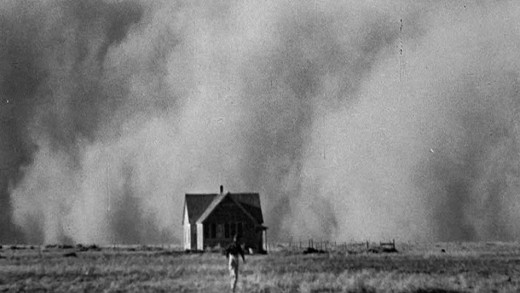
The Dust Bowl is a four part series that chronicles the worst human-induced environmental disaster in history. A frenzied wheat boom, followed by a decade-long drought during the 1930s, destroyed much of the American and Canadian prairies through wind erosion. Blizzards killed agricultural crops and animals, threatened many other lives and forced thousands of people to pack up and move somewhere else. The series shows vivid interviews with twenty-six survivors from the dust storms, combined with dramatic photographs and footage from the era, recounting the stories of incredible human suffering at the hands of industrial agriculture--a linear system that destroys top-soil and exploits the land for quick surplus. The series also reveals a morality tale about how this culture exploits the land that sustains us--a lesson we ignore at our peril.
 1:08:16
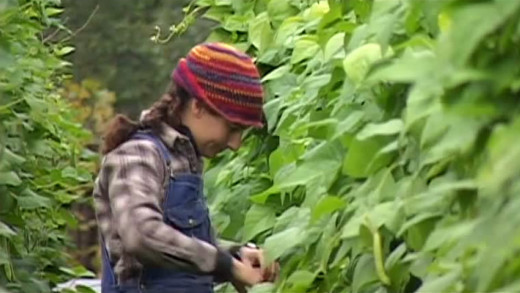
While corporations and governments continue to disseminate globalisation and the rapacious drive for consolidation of corporate power, people around the world are pushing back to reinstate local communities. Groups are coming together to rebuild human scale, local and ecological economies based on a new paradigm of localisation and sustainability. The Economics Of Happiness documents these shifts and shows how these communities have reclaimed their autonomy...
 31:41
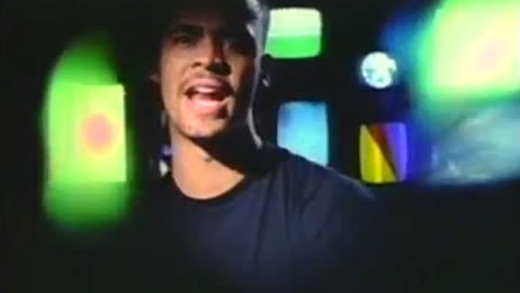
31:41Television has colonised human storytelling--not only has creating and passing on culture been usurped by television and corporate media, today dominant culture is television and corporate media. The Electronic Storyteller outlines these changes and shows the cumulative impacts that television and mass media has on the way we think about ourselves and how we construct views of the world around us. With a focus on the stories of gender, class, and race, The Electronic Storyteller delivers an analytical framework to understand the pervasive forces behind what is at stake in the new world of saturated media and controlled imagery...
 1:36:06
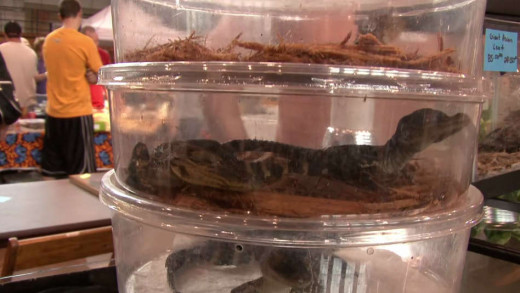
The Elephant in the Living Room examines the culture of raising the world's most dangerous animals as household pets throughout the United States. Set against the backdrop of a heated national debate, the film chronicles the extraordinary story of two men at the heart of the issue: Tim Harrison, an Ohio police officer whose friend was killed by an exotic pet; and Terry Brumfield, a man who struggles to raise two African lions as his own family. In the first of many unexpected twists, the lives of these two men collide when Terry's male lion escapes its pen and is found attacking cars on a nearby highway.
 1:10:02
The Empathy Gap investigates how dominant culture bombards young men with sexist and misogynistic messages and argues that these messages not only devalue women but also undercut men's innate capacity for caring and empathy. The film looks closely at the ways these messages short-circuit men's ability to empathize with women, respect them as equals, and take feminism seriously, drawing parallels between sexism and racism, spelling out how each is rooted in cultural norms that discourage empathy, and shows how men who break with these norms live happier and healthier lives.
 1:27:33
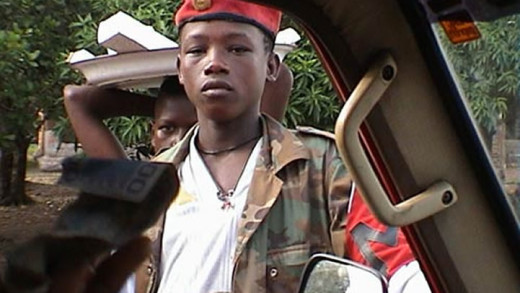
Located in Western Africa, Sierra Leone is a nation caught in a struggle between extreme poverty and extreme wealth. While diamond mining provides the bulk of the country's income, most of its people struggle to survive by raising their own crops. In 1991, a rebel group called the Revolutionary United Front formed to take on government and corporate interests in a bid for a more just economy and an end to hunger. At first, the RUF was popular with Sierra Leoneans, many of whom resented the elite seen as corrupt and looked forward to the promises of free education, health care and equitable sharing of diamond revenues. However, as civil broke out, the RUF was brutal and developed a reputation internationally for its terrible cruelty towards civilians, and its widespread use of child soldiers. What ensued was bloody mayhem. Around 70,000 people lost their lives in the nearly 15 years of fighting, while millions lost their homes and many thousands were maimed. The Empire In Africa tells the story behind the brutality, and shines a light on the terrible bloodshed, with the view that future horrors may then end.
 1:45:01
The End of Poverty? traces the growth of global poverty back to colonisation in the 15th century to reveal why it's not an accident or simple bad luck that there is a growing underclass around the world. Featuring interviews with a number of economists, sociologists, and historians, the film details how poverty is the clear consequence of free-market economic policy which has allowed powerful nations to exploit poorer ones for their assets, turning the money back to the hands of the concentrated few. This also follows on to how wealthy nations--especially the United States--thereby exert massive debts, seize a much disproportionate exploit of the natural world, and how this deep imbalance has dire consequences on the environment and on people...