 1:28:32
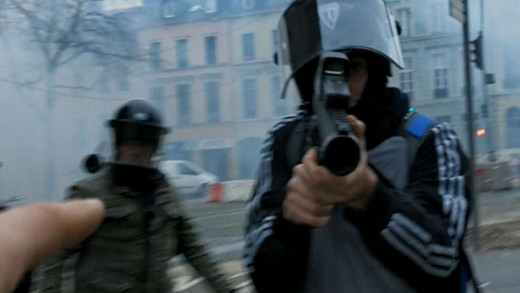
The Monopoly of Violence is a study of police brutality in France, specifically documenting the gilet jaunes protest movement of 2018 and 2019. But the footage could just as easily have been from the United States, or Hong Kong, or Britain. Citing the work of sociologist Max Weber as a starting point, which shows that the state has the monopoly on the legitimate use of physical force, the film expands into the space of questioning a form of policing that descends into systematic brutality and violence. Using footage from demonstrators and independent journalists to ground the analysis, the images are discussed between lawyers, representatives of social movements, academics, police officers, and victims of police aggression. The result is a clarion call for the rights of the citizen, and the accountability and responsibility of the State.
 1:33:45
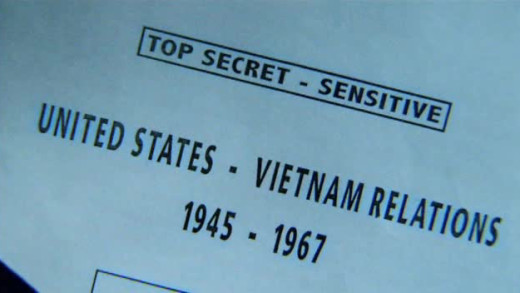
In 1971, Daniel Ellsberg shook the United States to its foundations when he leaked top-secret Pentagon documents to the New York Times that showed how five Presidents consistently lied about the Vietnam War. Consequently, National Security Advisor Henry Kissinger called Ellsberg "the most dangerous man in America," who "had to be stopped at all costs." But Ellsberg wasn't stopped. Facing 115 years in prison on espionage and conspiracy charges, he fought back...
 1:28:58
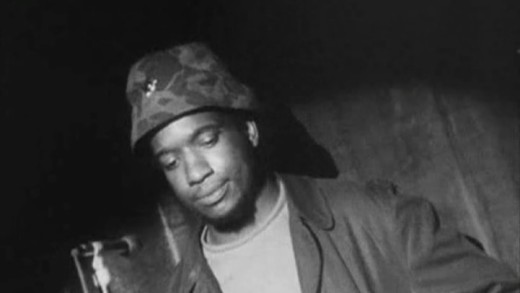
The Murder of Fred Hampton is a film which began with the intention of documenting Fred Hampton and the Illinois Black Panther Party during 1971, but during the film's production, Hampton was murdered by the Chicago Police Department and FBI. The film project then quickly split into two parts: the portrait and biography of Fred Hampton, and an investigative report into his murder. The result chronicles important historical context. Hampton was a radical activist and deputy chairman of the national Black Panther Party, during the civil rights and black power movements in the United States. Hampton was killed as part of COINTELPRO—the illegal "counter-intelligence program" run by the FBI, aimed at destroying domestic political organisations through surveillance, infiltration, disruption, threats, violence and assassinations.
 59:38
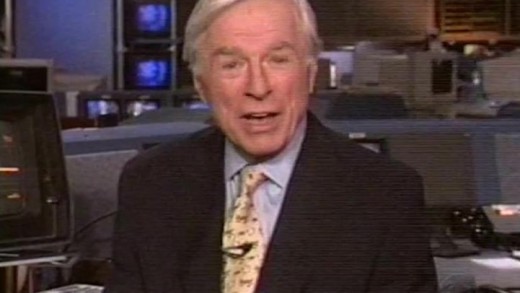
59:38Produced twenty years ago, and even several years before the rise of Fox News, The Myth of the Liberal Media is possibly relevant now more than ever. The film dissects how news content gets shaped within a narrow and ultimately conservative institutional framework that marginalises other perspectives, filtering news events through a lens that serves power. Featuring scholarly analysis from Justin Lewis, Edward Herman and Noam Chomsky, The Myth of the Liberal Media asks: If you want to understand the way a system works, you look at its institutional structure. How it is organised, how it is controlled, how it is funded. The documentary examines the relationship advertising has in funding the media, and how this sets agendas, as well as exploring certain narratives that are propagated through a number of case studies that reveal how these mechanisms ultimately serve power instead of public interest.
 1:54:49
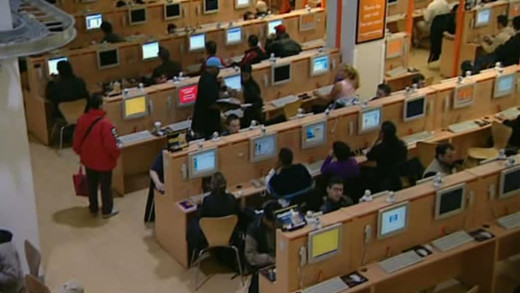
The Net explores the back-story of Ted Kaczynski (the infamous 'Unabomber') as a prism to the often unexamined side of the history of the Internet. The film combines travelogue and investigative journalism to trace contrasting counter-cultural responses to the so-called 'cybernetic' revolution of the 1970s. For some whom resist the pervasive systems of digital technology, the Unabomber can come to symbolise an ultimate figure of refusal. But for those that embrace the technologies, as did and do the champions of so-called 'media art', such as Marshall McLuhan, Nam June Paik and Stewart Brand, the promises of worldwide networking and instantaneous communication outweigh any and all of the concerns. The Net links these multiple nodes of cultural and political history, analogous to the Internet itself. Circling through themes of utopianism, anarchism, terrorism, the CIA, LSD, MKULTRA, Timothy Leary, Ken Kesey and the Merry Pranksters, The Net exposes the conspiracies and upheavals, secrets and cover-ups as part of the forgotten subversive history of the Internet.
 1:34:22
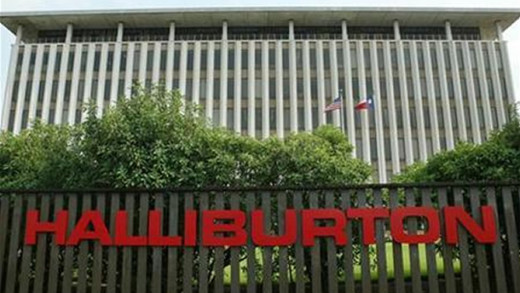
The untold history of The Project for the New American Century is no more. This film exposes how every major war in US history was based on a complete fraud with video of insiders themselves admitting it. This documentary shows how the first film theatres in the US were used over a hundred years ago to broadcast propaganda to rile the American people into the Spanish-American War; the white papers of the oil company Unocal which called for the creation of a pipeline through Afghanistan and how their exact needs were fulfilled through the US invasion of Afghanistan; how Halliburton under their "cost plus" exclusive contract with the US Government went on a mad dash spending spree akin to something out of the movie Brewster's Millions...
 53:54
53:54The myths of globalisation have been incorporated into much of our everyday language. "Thinking globally" and "the global economy" are part of a jargon that assumes we are all part of one big global village, where national borders and national identities no longer matter. But what is globalisation? And where is this global village? In some respects you are already living in it. The clothes in your local store were probably stitched together in the factories of Asia. Much of the food in your local supermarket will have been grown in Africa...
 1:18:49
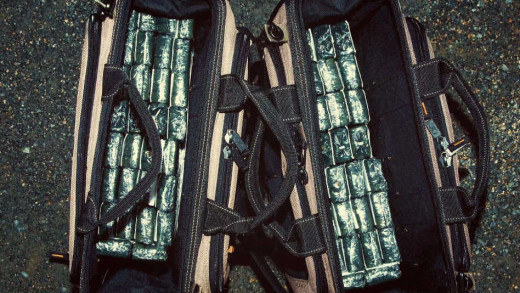
The Newburgh Sting exposes the FBI's nationwide practice of targeting Muslim communities by luring unsuspecting impoverished citizens into traps to commit acts of terrorism, and then selling their arrests to the public as major law enforcement coups. As told by the defendants, lawyers, local Imams and a former career FBI agent, The Newburgh Sting depicts how four men living at the margins of society were entrapped by an FBI informant and lured into a wild plot involving bombing a wealthy Riverdale synagogue, and shooting stinger missiles to take down a military supply plane. Their arrest was misleadingly portrayed to the public as a counter-terror victory.
 53:12
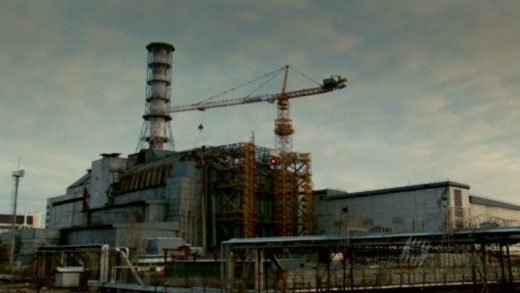
53:12The Nuclear Comeback embarks on a tour of the nuclear industry, documenting some of the most 'famous' nuclear facilities worldwide -- the control room of the Chernobyl nuclear power plant, the UK's Calder Hall, a nuclear waste repository under the Baltic Sea, the Ranger uranium mine in Australia, and one of only two nuclear waste "recycling plants" in the world. In addition of the links to nuclear weapons, the nuclear industry has a reputation for accidents and cover-ups. What are the 'risks'? What to do with the 100,000+ year legacy of dangerous radioactive waste? Is this insane?
A documentary series that explores an investigation led by freelance writer Danny Casolaro on what he called "The Octopus," an elaborate conspiracy network involving the United States government and its covert operations. The series stems from the circumstances around Casolaro eventually being found dead in a hotel room. Researcher Christian Hansen revisits Casolaro's work and questions whether Casolaro actually died by suicide. The series tracks Casolaro investigating the circumstances around Inslaw's PROMIS software, a database system built to to aid law enforcement and legal prosecutors in tracking court cases, which the Department of Justice began using, stopped paying for, and then was later accused of stealing. The Iran-Contra affair also features, and the 1980 'October Surprise', where Ronald Reagan's presidential campaign covertly negotiated with Iran to delay the release of American hostages until after the election to influence its outcome. Through a cast of shady characters, the corporate world, spies, and interesting real and theorised information, The Octopus Murders is a murder mystery wrapped in major 20th-century scandals.
 12:29
12:29This short video explores how the online world has overwhelmingly become the popular outlet for public rage by briefly illustrating some of the many stories of everyday people which have suddenly become public enemy number one under the most misunderstood of circumstances and trivial narratives. With the web acting like a giant echo-chamber, amplifying false stories and feeding on the pent-up aggression of the audience watching the spectacle, The Outrage Machine shows how these systems froth the mob mentality into a hideous mess, as a good example of where the spectacle goes and how its intensity has to keep ratcheting up in order maintain the audience attention, in a culture of dwindling attention spans, distraction and triviality.
 31:54
31:54Based on the book of the same title by Juliet Schor, The Overspent American scrutinises the form of consumerism ever-pervasive in this current era that is driven by upscale spending and debt; shaped and reinforced by a media system driven by commercial interests. We're encouraged from all angles to spend money we don't have, working longer hours than ever before. Illustrated with hundreds of examples, The Overspent American draws attention to both the financial and social costs of this giant consumption machine, where the frivolous and relentless search for "happiness" and identity is espoused by advertising.
 1:31:10
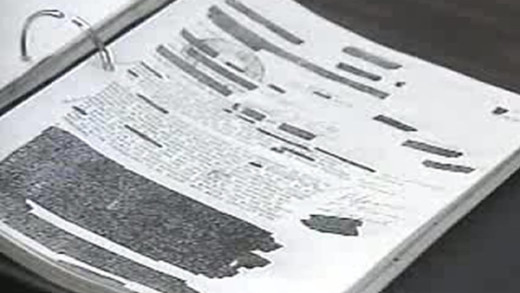
The Panama Deception documents the invasion of Panama in December 1989—codenamed Operation 'Just Cause.' The film gives context to the events which led to the invasion, and explores the real impact on the ground and devastating aftermath—all contrary to the views portrayed by mainstream media and rhetoric espoused at the time by government officials in the Bush administration. News footage and media critics reveal the extent of media control and self censorship of the invasion, relevant to any news coverage today, particularly during times of war.
 1:23:06
Each year, legions of ad people, copywriters, market researchers, pollsters, consultants, and even linguists spend billions of dollars and millions of hours trying to determine how to persuade consumers what to buy, whom to trust, and what to think. Increasingly, these techniques are migrating to the high-stakes arena of politics, shaping policy and influencing how Americans choose their leaders. In The Persuaders, renowned media scholar Douglas Rushkoff explores how the cultures of marketing and advertising have come to influence not only what we buy, but also how we view ourselves and the world around us. The Persuaders draws on a range of experts and observers of the advertising and marketing world, to examine how, in the words of one on-camera commentator, “the principal of democracy yields to the practice of demography,” as highly customised messages are targeted to individuals using technology and fine-tuned social engineering techniques.
 1:21:57
The Pipe tells the story of the people in Rossport, Ireland which have taken on the might of Shell Oil building a pipeline through their community. But when these people look to the government to protect their rights, they find that the government protects Shell instead. The question then becomes: what do people do, when the law prevents them from protecting themselves?
 1:20:54
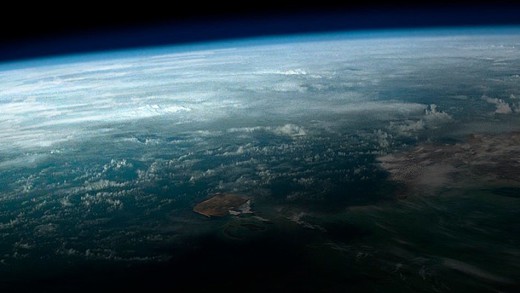
The Planet is a stylised observational video commentary that brings together an overview of the many global changes set about by industrial civilisation. Viewed through the myriad connections between consumerism and the false notion of a perpetually expanding economy on a finite planet, the film peers across the globe to reveal systemic exploitation; species extinction driven by industrial agriculture, logging, mining, manufacturing, pollution, the age of oil and plastic, etc; climate change; carrying capacity and population growth; while also positing that we—as in you and me—can do something, anything, to stop the destruction.
 1:51:02
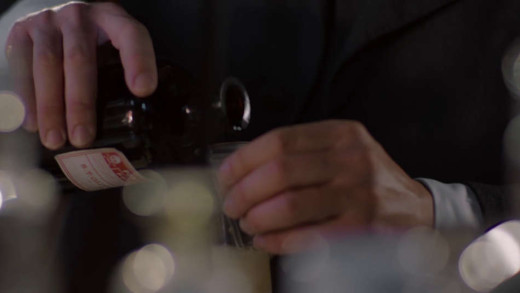
By the close of the Industrial Revolution, the food supply in the United States was tainted with frauds, fakes, and legions of new and untested chemicals, dangerously threatening the health of the public. The Poison Squad, based on the book by the same name from author Deborah Blum, tells the story of Dr. Harvey Wiley, a government chemist who was determined to banish these dangerous substances from dinner tables, and so took on powerful food manufacturers and their allies. Wiley embarked upon a series of bold and controversial trials on 12 human subjects who would become known as the “Poison Squad.” Following Wiley’s unusual experiments and tireless advocacy, the film charts the path of the forgotten heroes who together laid the groundwork for consumer protection laws in the United States, and ultimately, paved the way for the creation of the Food and Drug Administration.
 47:17
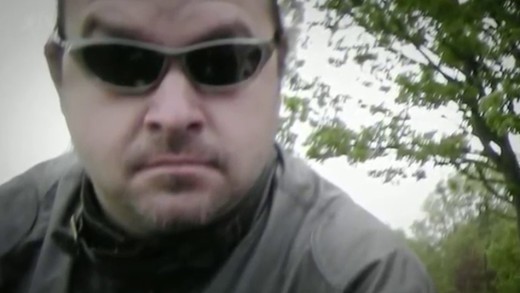
47:17Peter Francis, a former undercover police spy turned conscientious whistleblower, breaks ranks by speaking to the media after becoming troubled by the unaccountable culture of secret police operations throughout the United Kingdom targeting peace activists for decades. Tactics included undercover police officers having sexual relationships with activists, even going as far as commonly having children with the women they were spying on. Undercover agents also often assumed the identities of dead children in order to have "solid cover stories." We also see how undercover police were asked to look for intelligence that could be used to discredit the family of murdered teenager Stephen Lawrence and their campaign. The Lawrence family both speak of their shock at hearing about that the police did this to them. This short investigation opens a flood of questions about the secret history of covert police operations, and indeed the future of them in the context of the sprawling surveillance state of today.
 48:57
48:57The Porn Factor takes viewers on a journey of discovery, from regional and urban Australia to the centre of the international porn industry in Los Angeles and back. Through candid interviews with young people, pornstars, and other industry professionals, The Porn Factor explores how pornography is shaping young people’s sexual expectations and experiences. Readily available and aggressively marketed online, exposure to hardcore pornography is now mainstream. The classroom or parent talk is now no match for porn--with its endless array of gyrating bodies, offering a quick, easy and anonymous sexual charge. Porn has become the default sexuality educator for young people growing up online. It brings into compelling focus the 21st century challenges faced by parents, schools and others as they seek to equip young people for a sexuality that is safe, respectful and fully consenting.
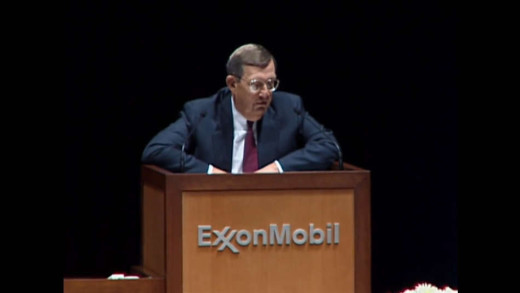
The Power of Big Oil is a three-part series that investigates the decades-long failure to confront the threat of climate change and the role of the fossil fuel industry. The series presents a parade of former oil company scientists, lobbyists, and public relations strategists who lay bare how the biggest petroleum firm in the United States, Exxon, and then the broader petroleum industry globally, moved from attempting to understand the causes of a global heating to a concerted campaign to hide the making of an environmental catastrophe. Over three episodes--Denial, Doubt, Delay--the series documents the corporate cooptation of science, the manipulation of public opinion, and political figureheads that mirror conduct by other industries--from big tobacco to the pharmaceutical companies responsible for the opioid epidemic.
 53:05
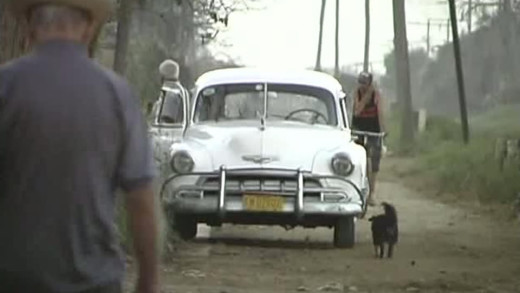
53:05With the fall of the Soviet Union in 1990, Cuba's economy collapsed. Imports of oil were cut by more than half and food by 80 percent. The Power Of Community tells of the hardships and struggles as well as the response during the collapse, explaining how the country transitioned from a highly mechanised, industrial agricultural system to one using organic methods of farming and local, urban gardens...
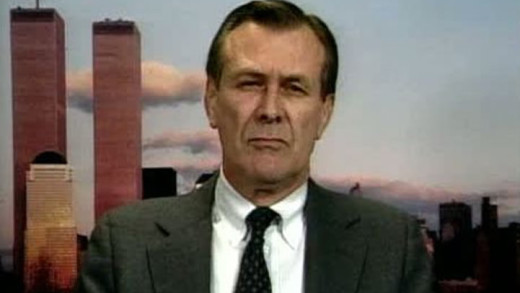
Is the threat of radical Islamism as a massive, sinister organised force of destruction—specifically in the form of al-Qaeda—a myth perpetrated by politicians across the globe, but particularly the American neo-conservatives, in order to unite and justify empire? This series of films charts the rise of both groups and movements, drawing comparisons between them and their origins, to provide much-needed and missing context to the War of Terror.
 54:31
54:31The Power of the Fed investigates how the United States central bank's actions have played out over the years on Wall Street versus Main Street, since the last financial crash of 2008. The film traces how the experiment the Fed began in 2008 has been dramatically ratcheting up, peaking with the COVID-19 crisis in 2020. But, of course, rather than help correct from the huge corruption and financial abstractions that caused the 2008 crash, the fed has doubled down on its policies of "quantitative easing" which have gone on to help widen the greatest inequality of wealth in history, pushing financial products even further removed from the economy, driving inflation, automation, and worsening the impending cycles of boom and bust. The rise of speculative cryptocurrencies and non-fungible tokens (NFTs) has only fueled the mania, as economic volatility increases.
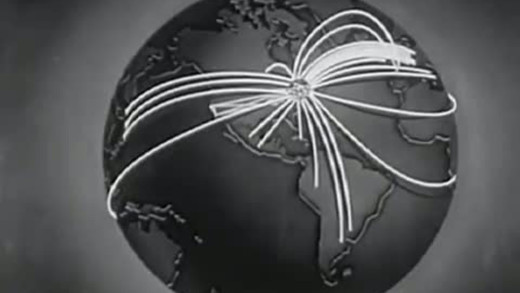
The Power Principle is a series of films examining the history of the United States and the building of its empire with particular emphasis on the last seventy years of United States foreign policy. The methods that make empire possible are also examined—the politics of fear, the rise of public relations, the 'Mafia Principle' and the reoccurring use of fabled enemies, contrasting the Soviet Union and the Cold War alongside the parallels of today with the "War On Terror". Not only does The Power Principle tie together historical events to revive a common thread, the series may also encourage viewers to reconsider their understanding of historical events and the portrayal of them, showing how those in power play a role in manipulating the collective memory through generations.
 1:21:14
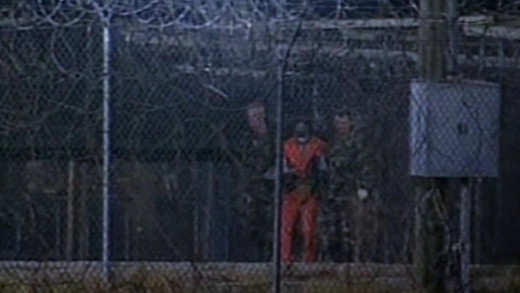
In December 2001, David Hicks, an Australian citizen, was captured in Afghanistan and handed over to the United States military, where he was moved to Guantanamo Bay for "interrogation." He has been held there ever since, not charged with any crime. Despite this, the United States labelled him an "unlawful combatant," a legal fiction concocted by the United States in order for them to torture Hicks and many other people like him, in the name of fighting the so-called "War on Terror." Many people, including Hicks, were kept in detention without charge for many years, denied a fair trial, and denied access to the United States' legal system. So how did a 26 year old former-stockman from Adelaide end up in the United States' torture chamber? Terry Hicks, David's father, sets out to answer this question, as he traces his son's journey from Adelaide to Japan to Kosovo, through Pakistan and Afghanistan, where he is captured in Taliban country.
 56:53
56:53Once relegated to the margins of society, pornography is now the most pervasive and visible aspect of popular culture, assuming an unprecedented role in media as its content becomes more harsh and extreme, racist and abusive. This eye-opening and disturbing film moves beyond frivolous "liberal versus conservative" debate and tackles the real issues surrounding pornography by placing the voices of performers themselves, producers and critics directly alongside the observations of women and men as they candidly discuss the role porn has played in shaping their sexual imaginations and relationships. The Price Of Pleasure reveals a nuanced portrait of how pleasure and pain, commerce and power, freedom and responsibility have become extremely twisted by popular culture, usurping the most intimate area of our lives.
 44:51
44:51"Supermarkets have bulked up. These days they’re retail superpowers who make money not just when we eat or drink but increasingly when we fill the petrol tank, play pokies or buy a hammer from the local hardware – and they’re quietly stalking pharmacies, newsagents and florists. Coles and Woolworth’s sell 70 percent of the dry groceries and half the fresh food that Australians consume – among the highest concentrations of market power in the developed world"...
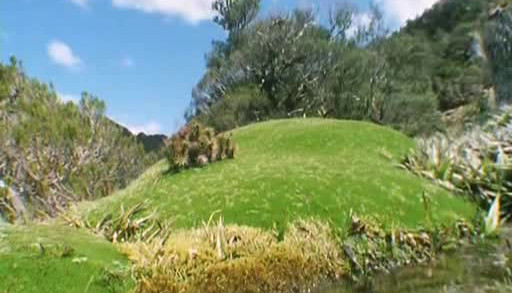
The Private Life of Plants studies the growth, movement, reproduction and survival of plants. The series looks at various aspects of a plant's life-cycle, using examples of species from all around the world.