 09:56
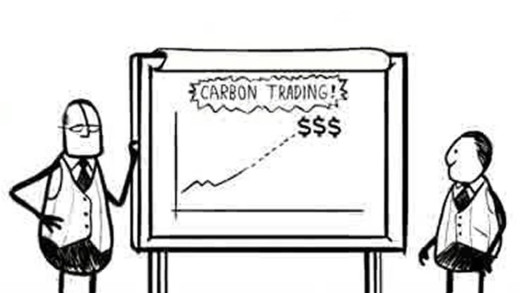
09:56Cap and Trade? Just another ponzi scheme. Annie Leonard introduces the energy traders and Wall Street financiers at the centre of this economic idea and reveals the devils in the details in current cap and trade proposals: free permits to big polluters, fake offsets. The new economic model looks much like the old, but with very clever greenwashing.
 21:30
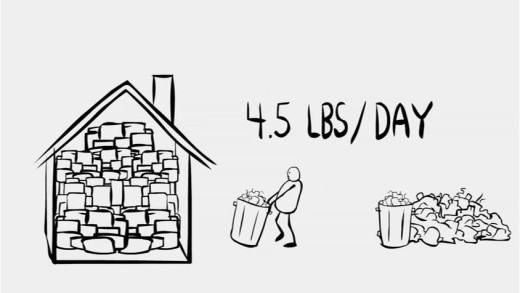
21:30From its extraction through sale, use and disposal, all the stuff in our lives affects communities at home and abroad, yet most of this is hidden from view. This is by design. The Story of Stuff serves as an introduction to the underside of the current world of mass production and consumption, exposing the connections between a huge number of environmental and social issues -- shedding the light on the hidden processes behind our modern world. How can we create a more sustainable and just economy?
 1:13:33
The myth that humans are superior to all other life forms is a fundamental and unquestioned premise of dominant culture. It is an old historical idea, rooted in colonialism, and is deeply embedded in religion and science. It is one of the root causes for the destruction of the natural world, animal cruelty, war, the extinction of species and other immense problems. The Superior Human? challenges this arrogant and self-destructive ideology; unwinds the myths, using examples and common sense.
 58:37
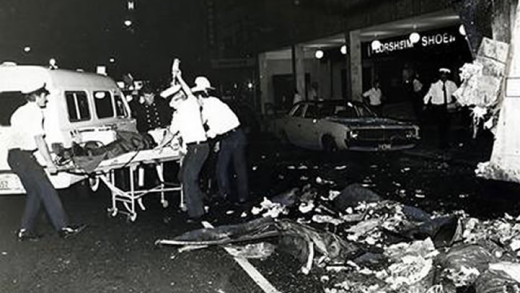
58:37In 1978, Australia was shocked by the explosion of a massive bomb placed in a rubbish bin outside the Sydney Hilton Hotel in NSW. The perpetrators were never found. However, evidence that the Australian security and intelligence forces may have been responsible resulted in the NSW State Parliament unanimously calling for an inquiry in 1991 and then again in 1995. The Federal Government vetoed any inquiry. No investigation was held. The government then set-up the Australian Federal Police and increased support for "anti-terrorist measures"...
 1:27:01
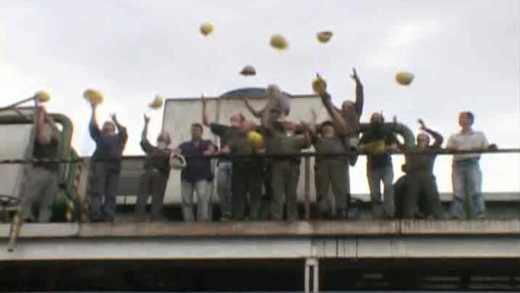
The Take
The Take documents the story of workers in Buenos Aires, Argentina who reclaim control of a closed auto-plant where they once worked and turn it into a worker cooperative. The factory closed as a result of the economic policies of the government under the watchful eye of the IMF. While in bankruptcy protection, the company appeared to be selling off property and inventory to pay creditors -- a move which further reduced the chances of the facility returning to production. Though as the movement gains strength, having started with a garment factory several years earlier, the factory workers wade through courts and the legislative system, finally establishing their own control and winning the right to operate it themselves, as a cooperative...
 1:13:35
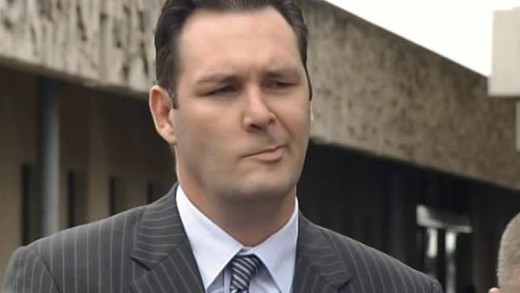
The Tall Man
The Tall Man is the story of an Aboriginal man, Cameron Doomadgee (tribal name: Mulrunji) who in 2004 was arrested by Senior Sergeant Chris Hurley (the so-called 'Tall Man') in Palm Island, a tropical paradise in Australia's Far North. 45 minutes after the arrest, Mulrunji was found dead in the Palm Island police station. His injuries were like those of someone who'd been in a fatal car crash. The police claimed he had "tripped on a step," but the community knew this was bullshit. The Palm Islanders protested for truth and burnt down the police station. The subsequent trial of Hurley—who had been decorated for his work in Aboriginal communities—made headlines day after day, shadowed by Queensland police threatening to strike. The police officer was acquitted for the death by the Attorney General. The Tall Man follows these stories by delving into the courtroom, the notorious Queensland police force, and speaking with the Indigenous community of Palm Island, where this tale is sadly still indicative of many of the continuing atrocities of Aboriginal deaths in police custody.
 53:09
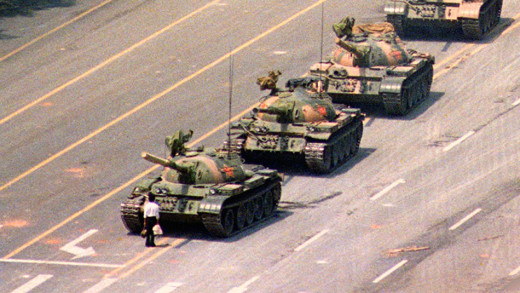
53:095th June 1989, Tiananmen Square, Beijing. After weeks of mass killing, oppression and violence by the Chinese government against it's own people, the image of a lone man standing defiant with his shopping to a line of tanks still lives on...
 51:35
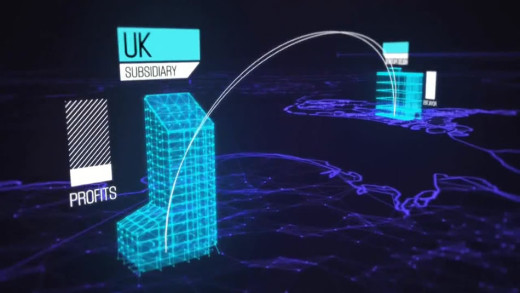
51:35The Tax Free Tour travels the globe to expose the workings of offshore tax havens and the elite banking systems of the world's billionaires which operate in extreme secrecy. Using examples from multi-national corporations such as Apple Computer and Starbucks, the film traces sizeable capital streams that travel the world literally in milliseconds--all to avoid local laws and paying tax. Such routes go by resounding names like 'Cayman Special', 'Double Irish', and 'Dutch Sandwich'. The Tax Free Tour is a sobering look at how the world's rich live in an entirely different world than the rest of us...
 44:11
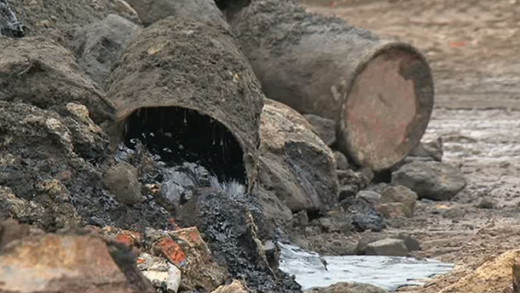
44:11Barbie, H&M jeans, everyday corn--just some of the products recalled due to controls on the use of dangerous chemicals as a wave of legal cases over toxicity is calling manufacturing of certain products into question. The Toxins Return follows the trail from field worker, to customs, to the high street shopper--how much can we trust all these products?
The Trap
If one steps back and looks at what freedom actually means in the West today, it's a strange and limited kind of freedom. The United States and its empire self-describe fighting the Cold War for "individual freedom," yet it is still something that the leaders of our so-called democracies continually promise to give us. Abroad, in Iraq and Afghanistan, the attempt to force "freedom" on to other people has led to more than just bloody mayhem, and this, in turn, has helped inspire terrorist attacks in Britain and elsewhere. In response, the government has dismantled long-standing laws that were designed to protect individual freedom and civil liberties.
 1:19:36
The Trials of Henry Kissinger examines the evidence of war crimes by Henry Kissinger during his time as the United States "National Security Advisor" and later Secretary of State for President Nixon and President Ford. Acting in the role of the prosecution, journalist Christopher Hitchens presents solid evidence of Kissinger's complicity in a series of war crimes involving Indonesia, Bangladesh, Chile, Cyprus, East Timor and many other countries...
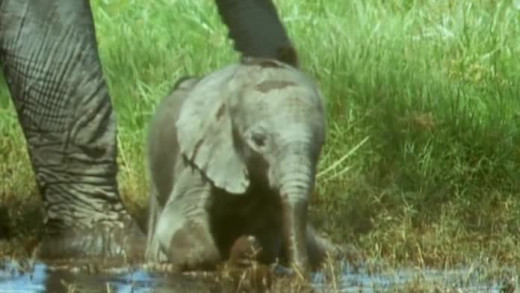
The Trials of Life is a comprehensive study of animal species that takes a broad overview of nature and ecology. The series documents the different aspects of the journey through life--from birth to adulthood and continuation of species through reproduction.
 1:31:49
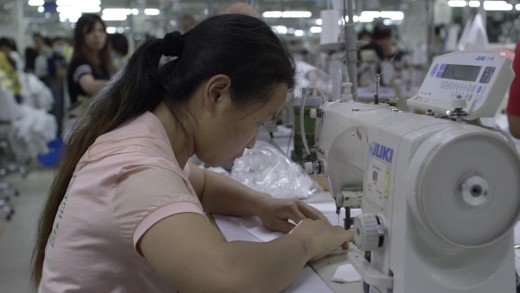
The True Cost is a global investigation into the clothes we wear, the people who make them, and the impact the industry is having on the world. The price of clothing has been decreasing for decades, while the human and environmental costs have grown catastrophically. The True Cost pulls back the curtain on the untold story and asks us to consider, who really pays the price for our clothing?

In the United States and elsewhere, both sides of politics have revelled in spectacle and image for many decades. But when Donald Trump, the billionaire reality-television host became president, a new escalation of image and spectacle engulfed dominant culture. The Trump Show is a series that explores the beguiling spectacle of the Trump years, through interviews with former White House staffers, media managers, campaign directors, and other personalities that were close to Trump during his presidency. The series documents how image has now replaced substance in politics in a totalising way, and how false constructions seek to pave over reality through a culture that is deeply rooted in hyper-individualism, fierce and corrupt competition, ideological dogmatism, and post-modern delusions.
 1:19:30
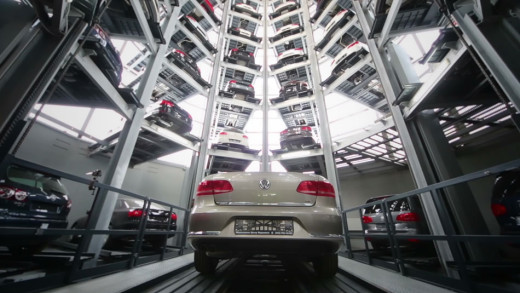
The Truth About Killer Robots considers several cases where humans have been killed from interactions with automatic machines. From the Volkswagen factory in Germany, to workers in Chinese sweatshops assembling smartphones, to a bomb-carrying police droid in the United States, the film exposes this culture's fundamental fascination with machines, while illustrating the insatiable expansion of capitalism via automation and machine redundancy. Also explored are 'self-driving' cars; surveillance devices; humanless-stores, automated pizzas, robotic supermarkets and hotels; so-called 'sex' robots; and vast data gathering machines such as Facebook, which have subverted notions of real human interaction and intimacy. Told through the machine lens of engineers themselves, journalists and philosophers, the film attempts to go beyond the deaths of humans to reveal some of the ways that robots affect this culture in general. Not just by the displacement of labour, but fundamentally as humans of this culture adjust their lives to the rhythms of more and more machines, basic human faculties atrophy, and true connection to the real world and each other becomes more remote and strenuous, at precisely the same time where we need each other the most.
 48:11
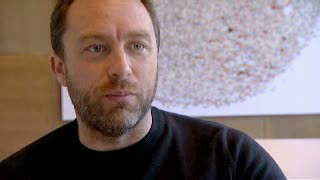
48:11Google or Wikipedia? Those of us who search online are getting referred more and more to Wikipedia. For the past two years, this free online “encyclopaedia of the people” has been topping the lists of the world’s most popular websites. But do we really know what we’re using? The Truth According To Wikipedia plunges into the story behind Wikipedia and explores the powerful world of ‘Web 2.0’ -- Is it a revolution, or pure hype?
 28:49
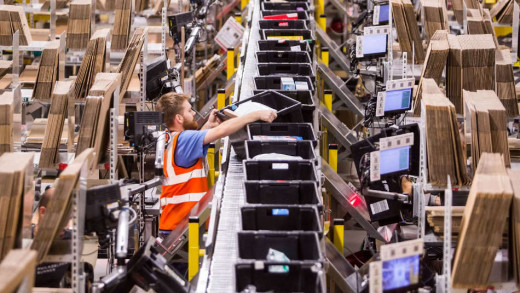
28:49A behind the scenes look into what happens when you buy from the world’s biggest online retailer: Amazon. Through testimonials of ex-employees and an undercover employee with a camera, the tough conditions for workers are revealed. The film exposes the immense pressure the workers go through, such as racing a computerised clock every step of their shift, and having to walk up to 11 miles a day inside the distribution centres. As more people around the world turn to online shopping with a click of a button, staff members working at Amazon are put under mental and physical stress to deliver out of sight, out of mind.
 1:19:03
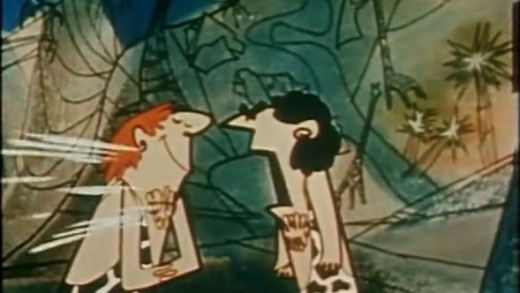
When the United States devastated Hiroshima and Nagasaki with nuclear weapons in 1945, the bombs dropped were code-named 'Fat Man' and 'Little Boy' -- as part of the new propaganda campaign to create acceptable images of war, propagating the illusion that the world should live securely with nuclear weapons, and that it is the only way to 'enable peace'. By using reassuring and even soothing language, this new kind of propaganda spread all over the world...
Five women come together for the first time on camera to reveal their experiences of being deceived into decades-long intimate relationships with undercover police officers as part of the Spycops scandal in the United Kingdom. The series examines the secret unit of UK undercover police who undertook these extensive spying operations on the public for over 40 years, including deceiving over 60 women into intimate relationships. Undercover police used false personas, including the identities of dead children to the relationships with members of targeted groups, and in some cases proposed marriage or got protesters pregnant, conceiving children with them.
 2:47:55
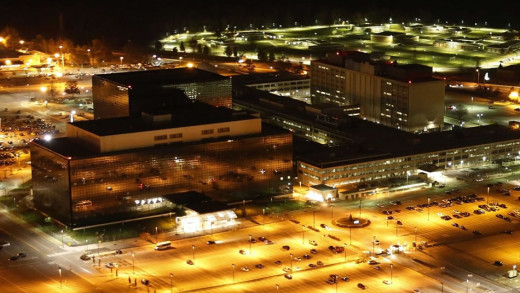
The United States of Secrets chronologically accounts the Bush administration's embrace of illegal and widespread dragnet surveillance and eavesdropping programmes, along with the Obama administration's decision to not only continue them, but to dramatically expand them—despite denials and promises to the contrary. By weaving narratives by those who sought to blow the whistle on these programmes over the decades—culminating with Edward Snowden's unprecedented dump of insider documents in 2013—we see how and why those inside the NSA and other government agencies came to act; what actions were effective, and what role the mainstream media had and continues to have in keeping such secret projects alive and untouchable in the name of 'national security.'
 1:10:19
The Viewing Booth recounts a unique encounter between a filmmaker and a viewer--exploring the way meaning is attributed to images in today's culture of the screen. In a lab-like location, Maia Levy, a young Jewish American woman, watches videos portraying life in the occupied West Bank, while verbalising her thoughts and feelings in real time. Maia is an enthusiastic supporter of Israel, and the images in the videos, depicting Palestinian life under Israeli military rule, contradict some of her most deep-seated beliefs. Empathy, anger, embarrassment, innate biases, and healthy curiosity all play out before our eyes, as we watch her watch the images created by the occupation. As Maia navigates and negotiates the images, which threaten her worldview, she also reflects on the way she sees them. Her candid and immediate reactions form a one-of-a-kind cinematic testimony to the psychology of the viewer, most especially in the digital era.
 54:59
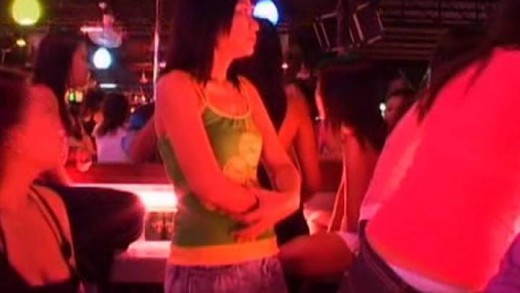
54:59The Virgin Trade investigates the growing phenomenon of Western sex tourism, with a focus on Thailand. The film travels through red light districts and the starry-eyed advertising propaganda that targets Western men to reveal the mechanics of the sex industry as it operates throughout Asia. What is revealed is a world entangled by money which leads to abuse, demand which perpetuates the culture, consumerism which drives demand, and poverty which drives the need. What happens when countries and cultures are ravished like this with Western sex tourism? Are parents selling their children into brothels to finance lavish Western lifestyles? Or do orphans fill the demand--smuggled into prostitution after disasters like the tsunami of 2004? The Virgin Trade dangles the questions of numbers while still affirming widespread exploitation and deceit. The interconnectedness, scale and depth of the problem, as well as what is still hidden or left unsaid, is left up to the viewer...
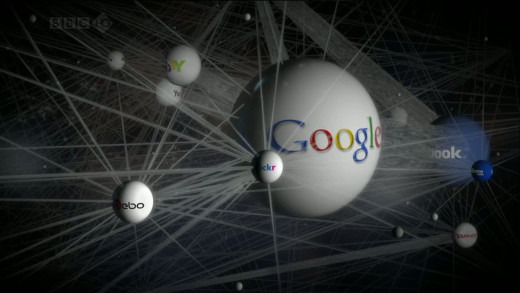
20 years on from the invention of the World Wide Web, The Virtual Revolution explores how the Internet is reshaping almost every aspect of our lives. But what is really going on behind this reshaping? The inventor of the Web, Tim Berners-Lee, believed his invention would remain an open frontier that nobody could own, and that it would take power from the few and give it to the many. So how do these utopian claims stand up to today?
 50:29
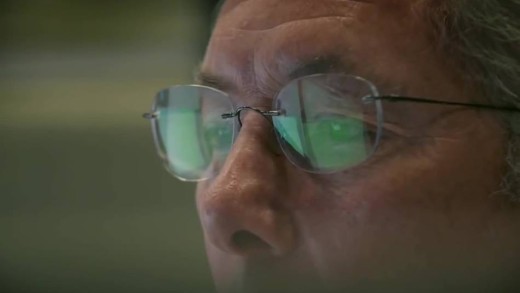
50:29The Wall Street Code explores the once-secret lucrative world of prolific algorithmic trading by profiling an inside programmer who, in 2012, dared to stand up against Wall Street and its extreme culture of secrecy, to blow the whistle on insights into the way the modern global money market works. His name is Haim Bodek—aka 'The Algo Arms Dealer'—and having worked for Goldman Sachs, his revelations speak to the new kind of wealth made only possible by vast mathematical formulas, computer technologies and clever circumventions of laws and loophole exploits. Vast server farms and algorithms working beyond the timescale of human comprehension, have largely taken over human trading on the global financial markets for decades. What are the implications of that? The algorithms seem to have a life of their own. Snippets of code secretly lie waiting for the moment that your pension fund gets on the market; trades done in nanoseconds on tiny fluctuations in stock prices. And the only ones who understand this system are its architects—the algorithm developers. The Wall Street Code provides just a small insight into this new world of high-frequency trading, amongst other things...
 1:16:27
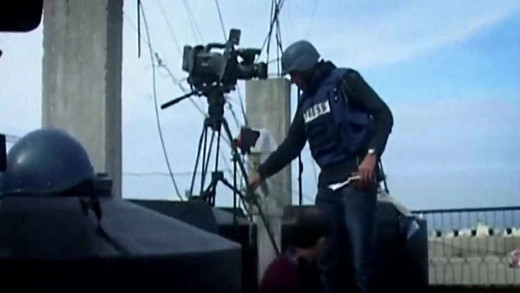
The War Around Us tells the story of the only two international journalists on the ground in Gaza during Israel's bombardment and invasion of the troubled Palestinian territory over a three-week period in 2008. With never-before-seen footage and gripping personal testimonies, the film bears witness to Israel's ongoing siege of Gaza in the wake of its withdrawal in 2005, and pays tribute to the power of journalism and friendship under conditions of enormous conflict and stress. The result is a human glimpse into wartime reporting and life in one of the most besieged places on Earth.
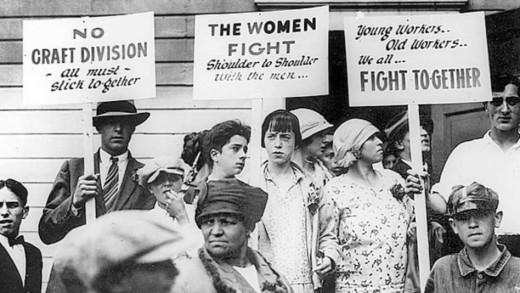
The War at Home: The Untold History of Class War in the United States is a series that traverses the history of the labour movement and state repression in the United States. The series looks at history through the lens of the working class, from the Haymarket massacre in Chicago in 1886 to the Jim Crow spread in Louisiana, to the Triangle Shirtwaist tragedy of 1911, to the violent strikes and police raids of the Great Depression, and beyond. The series makes the connection between the purging of radicals from unions and the decline of union power in the 1920s, towards the 1960s and beyond.
 40:24
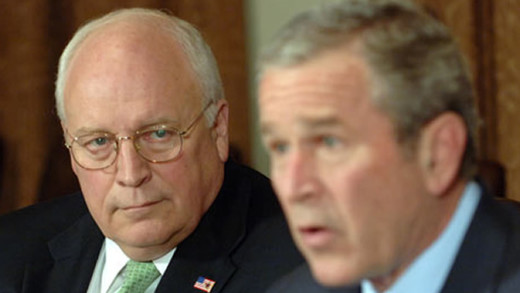
40:24As the U.S. stands at the brink of invasion into Iraq, many are now warning about the potential consequences: the danger of getting 'bogged down' in Baghdad, the prospect of long-time allies leaving America's side, the possibility of chaos in the Middle East, the threat of 'renewed terrorism'. The Bush administration insiders who helped define the doctrine of pre-emption and who have argued most forcefully for invasion, are determined to set a course that will "remake America's role in the world"...
 29:40
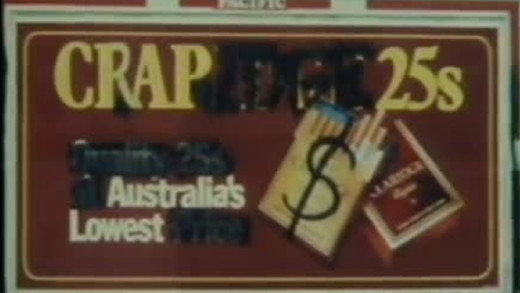
29:40The War of Words Down Under documents an insight into the radical campaign of the 1980s to ban advertising and promotion of cigarettes in Australia. The result is a movement of culture-jamming activists called B.U.G.A. U.P. or Billboard Utilising Graffitists Against Unhealthy Promotions; who deface, disrupt, remove and challenge smoking promotions and advertising wherever it appears—in shopping centres, sports fields, billboards, etc. The movement starts in inner-city Sydney in October 1979, later spreading to Melbourne, Hobart, Adelaide and Perth; with many of the members coming from professional backgrounds, including doctors and health workers. This film shows how direct-action can provoke and achieve social and political change, albeit a slow process, with success for this movement coming almost a decade later...