 1:33:08
Freakonomics is a segmented adaptation of the book by the same name, by Steven Levitt and Stephen Dubner about incentives-based thinking. The film presents segments to examine the theories of human behaviour and data mining presented in the book through case studies. Subjects include: the influence a person's name has on their personal and social development; corruption in an honor-bound sport such as sumo wrestling; what alleged factors lead to a statistical reduction in crime rates in the United States during the 1990s; and a school experiment to see if cash payments could incentivise students to get good grades. Through these examples and others, the film exposes the problems with data-driven economic incentive models, and the society obsessed with quantitative measuring and data, rather than a focus on quality of outcomes or even what the outcomes are.
 50:57
Based on the comprehensive work of media scholar George Gerbner, The Mean World Syndrome takes aim at the for-profit media system that thrives on violence, stereotypes, and the cultivation of anxiety. The film takes us through how the more television people watch, the more likely they are to tend to think of the world as an intimidating and unforgiving place, while being insecure and afraid of others. We see how these media-induced fears and anxieties provide fertile ground for intolerance, extremism, and a paranoid style of politics that threatens basic social values. The result is an accessible introduction to debates about media violence and more broadly, the effects of the media system. This film is a powerful tool for helping to make sense of the increasingly intense and fractious political climate of today.
 2:24:01
Did you know that the legal system recognises a corporation as a person? What kind of 'person' is it then? What would happen if it sat down with a psychologist to discuss its behaviour and attitude towards society and the environment? Explored through specific examples, this film shows how and why the modern-day corporation has rapaciously pressed itself into the dominant institution of our time, posing big questions about what must be done if we want a equitable and sustainable world. What must we do when corporations are psychopaths?

To many in both business and government, the triumph of the self is the ultimate expression of democracy, where power is truly moved into the hands of the people. Certainly the people may feel they are in charge, but are they really? The Century of the Self tells the untold and controversial story of the growth of the mass-consumer society. How is the all-consuming self created, by whom, and in whose interest?
 45:30
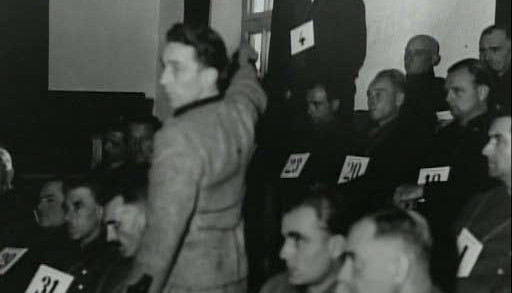
In the early 1940s, hundreds of thousands of people unknowingly became test subjects in toxins experiments and biological weapons tests conducted by the United States government. LSD tested on civilians, nerve gas sprayed into suburbs, hospital patients injected with plutonium, children exposed to biological and chemical agents just to see what would happen...the list goes on. And in most if not all cases, tests were carried out without the knowledge or consent of those involved. In 1996, evidence of these secret operations hit the news, uncovering a history of secret operations and covert projects that cast a large shadow over the operations of US military and intelligence agencies, to this day. Experiments with biological weapons and the testing of chemical warfare were only part of the story...

Pandora’s Box
Pandora's Box -- A fable from the age of science, is a six part series examining the consequences of political and technocratic rationalism, tying together communism in the Soviet Union, systems analysis and game theory during the Cold War, economy in the United Kingdom during the 1970s, the insecticide DDT, Kwame Nkrumah's leadership in Ghana during the 1950s and 1960s and the history of nuclear power.
 44:41
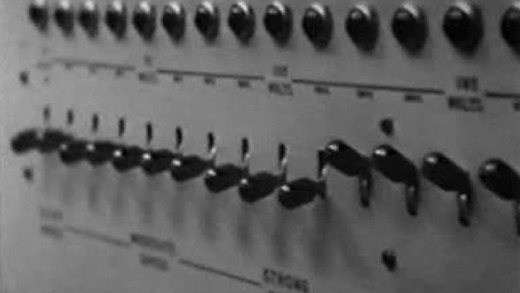
The Milgram experiment on obedience to authority figures was a series of social psychology experiments conducted by psychologist Stanley Milgram in July 1961, three months after the start of the trial of German Nazi war criminal Adolf Eichmann. The experiment set out to measure the willingness of study participants to obey an authority figure who instructed them to perform acts conflicting with their personal conscience, in an attempt to answer the popular question at that time: "Could it be that Eichmann and his million accomplices in the Holocaust were just following orders?"