 1:03:49
We
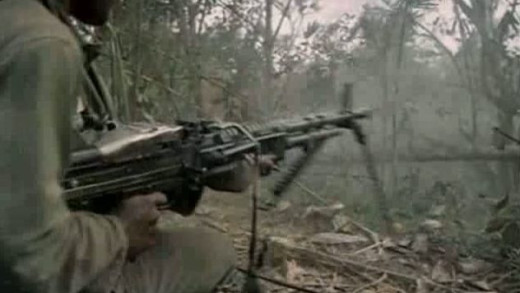
We is a visual essay exploring the politics of empire, war, corporate globalisation, imperialism and history; using the words of Indian author and political activist Arundhati Roy, from her speech Come September given in Santa Fe, New Mexico one year after the September 11th attacks--not long after the invasion of Afghanistan. The result is a mix of archive footage illustrating specific historical events throughout South America, the Middle East and elsewhere, in context with the September 11th attacks; placed alongside the themes of empire, global economics and a short history of neo-collonialism...
 41:57
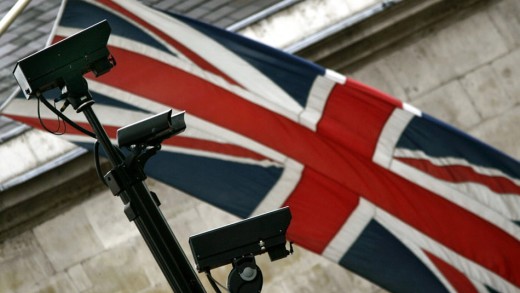
Governments all around the world are using high-tech mass surveillance tools to monitor their citizens. Western corporations, including Britain's largest weapons manufacturer, BAE, are among those which are creating and selling mass surveillance infrastructures all across the globe, but especially to particularly repressive regimes. Weapons of Mass Surveillance makes example of what is happening throughout the Middle East where journalists, human rights advocates and activists are being targeted with surveillance tools developed by western corporations with extreme real-world consequences. Political opponents to tyrannical power are targeted, jailed, and in some cases, tortured or "disappeared." This shows the power of mass surveillance tools for great harm, and how the west is culpable in perpetuating systemic repression both at home and abroad.
 1:32:27
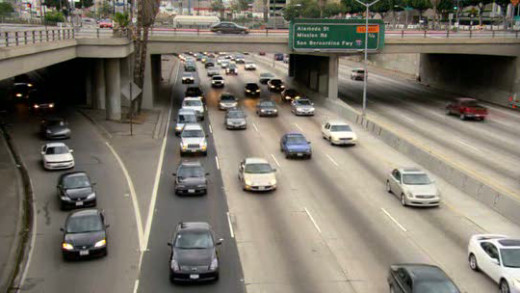
Why was the the electric vehicle made by General Motors destroyed in the late 1990s? Why did it receive only limited commercialisation despite being hugely popular? It was among the fastest, most efficient production cars ever built. It ran on electricity, produced no exhaust and catapulted American technology to the forefront of the automotive industry. The lucky few who drove it never wanted to give it up. So why did General Motors suddenly crush its fleet of EV-1 electric vehicles in the Arizona desert? Was it because of a lack of consumer confidence or conspiracy?
 1:27:20
Yintah documents the Wet'suwet'en resistance to Canadian colonialism and the Coastal GasLink pipeline pushed by TC Energy. The film follows Howilhkat Freda Huson and Sleydo' Molly Wickham as the Wet'suwet'en people occupy and protect their unceded lands from fossil fuel companies.