 1:20:58
China's COVID Secrets documents the beginning of the coronavirus pandemic and how Chinese authorities responded by initially suppressing the findings, and then engaging in censorship of and disinformation about health risks to its citizens, world health agencies, and other governments. Scientists and doctors, along with international disease experts and health officials, discuss the historical response, echoing China's similar disaster with handling SARS in 2002, and its repeated actions to prevent a similar global outbreak with COVID.
 1:30:01
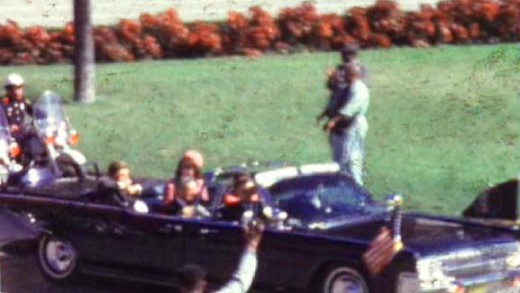
Using Oliver Stone's epic film "JFK" as a springboard, Beyond JFK: The Question of Conspiracy brings together extensive research around the assassination of John F Kennedy in 1963, to challenge serious flaws in the official narrative. Featuring interviews with Jim Garrison, the District Attorney who brought the conspiracy case of Clay Shaw in 1969, as well as interviews with his staff, Numa Bertel, Lou Ivon and Perry Russo; in addition to numerous reporters, eyewitnesses, archivists, and others, Beyond JFK is a cumulative look into the huge amounts of public research that went into the counter-narrative of the JFK assassination, forming the basis of the production of the JFK movie as a way of presenting the research to the public through pop-culture.
 52:35
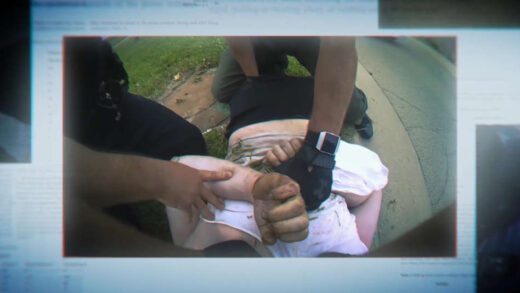
Documenting Police Use of Force investigates deaths that occurred after police used tactics like 'prone restraint' (which is a method of restraining a person by placing them face down on the ground which can pose serious risks including difficulty breathing and psychological trauma), forced-sedation, and the use of weapons such as tasers, batons, and other physical violence such as punching, kicking, and pressure-holds. The film also investigates other so-called "less-lethal force" methods used on citizens during police encounters and arrests. The documentary and accompanying reporting draw on police records, autopsy reports and police body-camera footage, offering the most expansive tally of deaths in the United States.
 1:28:52
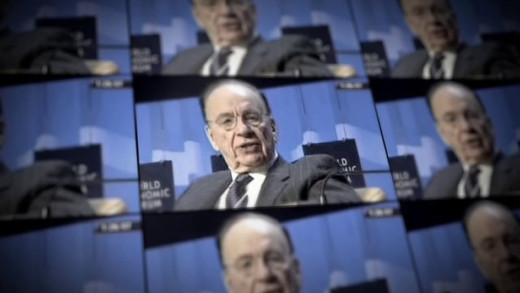
Ninety percent of American media is controlled by five big, for-profit-conglomerates, creating a media monopoly of informational and social control never before possible. The overwhelming collective power of these firms raises troubling questions about democracy. Using a handful of in-depth cases out of a vast array of examples, speaking with renowned journalists, activists, and others, Shadows of Liberty reveals the hidden machinations of the news media, drawing into focus the vast mechanisms of censorship, cover-ups, and corporate control that have been built up over many decades. Journalists are prevented from pursuing controversial news stories, people are censored for speaking out against abuses of government power, and individual lives are shattered as the arena for public expression has been turned into a vessel for advertising, warmongering and distraction. Will the Internet remain 'free', or succumb to the same control by the same handful of powerful, monopolistic corporations--as we see?