
Shifty
Shifty is a series of films that traverse the past 40 years in Britain, showing how the shift of political power to finance and hyper-individualism came together in powerful ways, to undermine one of the fundamental structures of mass democracy--the shared idea of what is real. As that fell apart, with it went the language and the ideas that people had turned to for the last 150 years to make sense of the world they lived in. As a result, life in Britain and the current and former colonies of its empire, has become strange--a hazy dream-like flux, where distrust in politicians keeps growing, and the political class seems to have lost control. Through archive footage, news reels, and on-screen-text in video essay format, Shifty documents the shapes of how this happened, using the vast ranges of footage to evoke what if felt like to live through an epic transformation during the 1980s.
 1:20:02
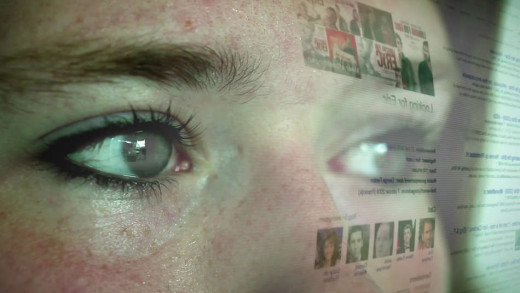
Admit it--you don't really read the endless pages of terms and conditions connected to every website you visit or phone call that you make do you? Of course not. But every day billion-dollar corporations are learning more about your interests, your friends and family, your finances, and your secrets--precisely because of this; and are not only selling the information to the highest bidder, but freely sharing it with the government. And you agreed to all of it. With plenty of recent real-world examples, Terms And Conditions May Apply covers just a little of what governments and corporations are legally taking from Internet users every day--turning the future of both privacy and civil liberties into serious question. From whistleblowers and investigative journalists to zombie fan clubs and Egyptian dissidents, this film demonstrates how all of us online have incrementally opted-in to a real-time surveillance state, click by click.
 1:03:59
Tracing the Internet's history as a publicly-funded government project in the 1960s, to its full-scale commercialisation today, Digital Disconnect shows how the Internet's so-called "democratising potential" has been radically compromised by the logic of capitalism, and the unaccountable power of a handful of telecom and tech monopolies. Based on the acclaimed book by media scholar Robert McChesney, the film examines the ongoing attack on the concept of net neutrality by telecom monopolies such as Comcast and Verizon, explores how internet giants like Facebook and Google have amassed huge profits by surreptitiously collecting our personal data and selling it to advertisers, and shows how these monopolies have routinely colluded with the national security state to advance covert mass surveillance programs. We also see how the rise of social media as a leading information source is working to isolate people into ideological information bubbles and elevate propaganda at the expense of real journalism. But while most debates about the Internet focus on issues like the personal impact of Internet-addiction or the rampant data-mining practices of companies like Facebook, Digital Disconnect digs deeper to show how capitalism itself turns the Internet against democracy. The result is an indispensable resource for helping viewers make sense of a technological revolution that has radically transformed virtually aspect of human communication.
 1:26:10
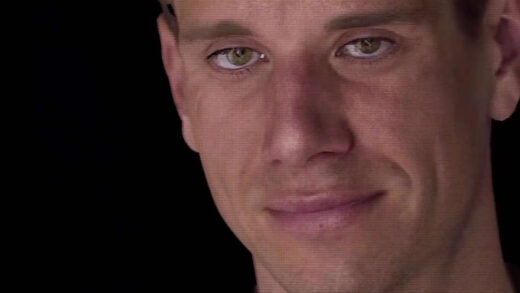
In the race to make money in the explosion of 'Artificial Intelligence', several start-up companies have created digital avatars of dead people for use by their loved ones, so that they can 'talk with them' after their deaths. Eternal You explores the consequences of turning the mortality of life into a simulation and a product. Joshua chats day and night with a digital 'clone' of his deceased first girlfriend, sharing his daily life with the computer. Christi just wants confirmation that her deceased best friend is doing well in heaven, but has a harrowing experience with the AI counterpart. Jang Ji-Sung meets the Virtual Reality 'clone' of her deceased seven-year-old daughter, with mixed results. Like the other major technology companies of our time, the inventors of these services reject any responsibility for the profound psychological consequences of these experiences.