 1:14:24
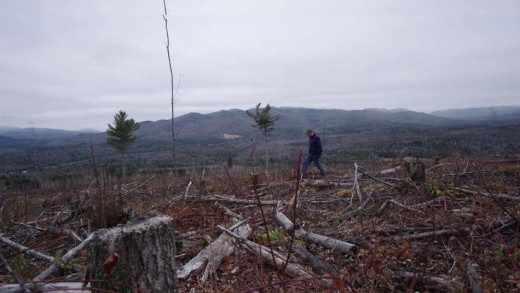
Burned: Are Trees the New Coal? investigates the latest method of providing so-called "green" electricity, as espoused by the renewable energy movement. It's called biomass, which is a euphemism for clear-cutting and burning forests. It is claimed that this is first a sustainable method of electricity creation, but secondly, and more slanderous, is claimed to be carbon-neutral and environmentally friendly. So how did this become the purported saviour for the power-generation industry, and by extension, the modern environmental movement? Burned provides a visceral account of these questions, while documenting the accelerating destruction of forests to fuel this destructive culture.
 2:03:17
What A Way To Go: Life At The End Of Empire covers the current situation facing humanity globally. It discusses issues such as peak oil, climate change, population overshoot and species extinction, as well as how this situation has developed...
 23:33
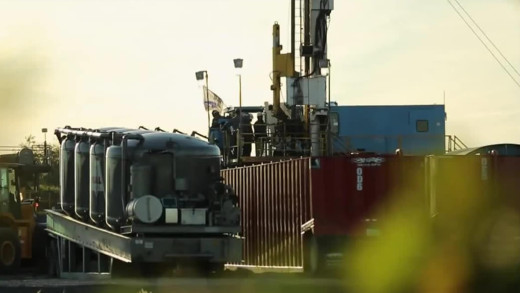
23:33Fracking In America takes a look at the continuing instances of water contamination and environmental damage occurring throughout the United States as a result of hydraulic fracturing--an industrial process used to fracture rock in the search to exploit natural gas deposits. As the frantic effort to extract gas accelerates, the impact of fracking expands also, with increasing pressures on fresh water supplies, continuing threats to health and wider ecosystems...
 28:40
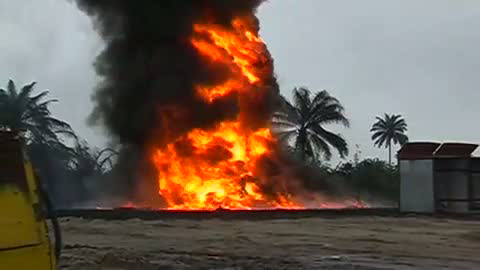
28:40The Niger Delta is still an environmental disaster after more than fifty years of oil exploitation. One and a half million tons of crude oil has been spilled into the creeks, farms and forests so far. Natural gas contained in the crude oil is burnt off in gas flares which spread toxins, acid rain and destroy crops. Poison Fire documents the life of the locals in impoverished communities, creeks full of crude oil, devastated mangrove forests, wellheads leaking gas, all working to fight against oil giant Shell to at least stop the toxic gas flares...
 47:33
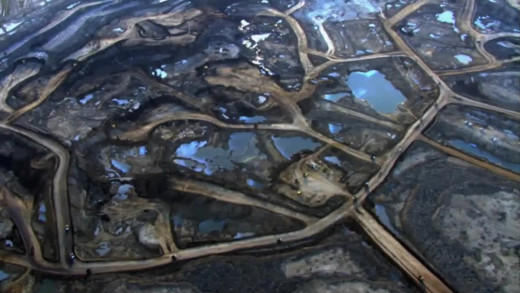
47:33The small town of Fort Chipewyan in northern Alberta, Canada, is facing up for the fight against The Alberta oil sands, which is arguably now the world's largest construction project. Its expansion will have an estimated $1.7 trillion impact on the Canadian economy over the coming decades. An area of boreal forest the size of Greece will be affected by industrial activity. Once again the issue is water, but this time it is not just the flow of the river, but the chemicals the current may be carrying downstream from the strip mines and bitumen upgraders. In recent years, Fort Chipewyan has experienced an unusually high rate of cancer. Local fishermen are finding growing numbers of deformed fish in their nets. Residents and the community doctor, worry there could be a connection to the oil sands...

Pandora’s Box
Pandora's Box -- A fable from the age of science, is a six part series examining the consequences of political and technocratic rationalism, tying together communism in the Soviet Union, systems analysis and game theory during the Cold War, economy in the United Kingdom during the 1970s, the insecticide DDT, Kwame Nkrumah's leadership in Ghana during the 1950s and 1960s and the history of nuclear power.
 26:58
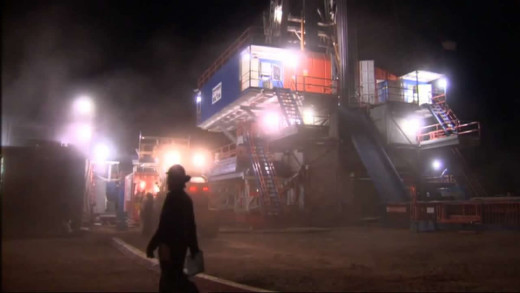
26:58Spreading beneath Southlake in Texas, and a chain of other areas throughout, is an oil and gas rich Eldorado called the Barnett Shale field. Mining and energy companies are literally stampeding for a piece of the action with gas drilling and wells sweeping across the United States. Meet The Frackers travels through North America's suburban heartland to show the impact of a process called fracking, which is taking place on a panoramic scale. The parallels apply to Australia and elsewhere, where fracking is also spreading rapaciously with the drive to exploit sources such as coal seam gas. There's many warnings to be heeded from the ecological impact that's already been catastrophic throughout the United States, as one can see...
 1:39:26
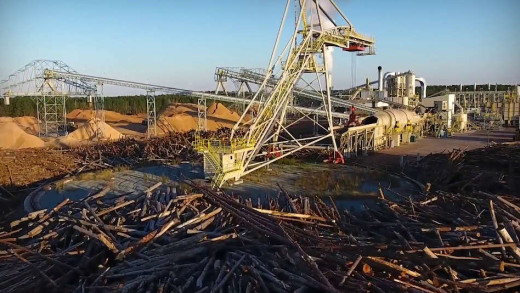
The central thesis of Planet of the Humans is that various people and organisations in the United States claiming to promote 'green energy' are actually promoting biomass energy--largely a euphemism for cutting down and burning forests--a practice which is not carbon neutral nor renewable nor sustainable. The film reveals the destruction of environments first-hand, and also explores how wind power and solar power don't fare much better than fossil fuels in terms of impacts once all the inputs for construction and maintenance are considered and compared. In most cases, the additional demands for resources and construction simply invoke more environmental degradation and pollution. The film examines this push for more industry through key figures in the modern environmental movement that are funded by entities connected to fossil fuels, or have established profit motives, revealing how the environmental movement has been essentially co-opted into a de-facto lobbying arm of 'green' industries. The film also posits that regardless of energy systems, overpopulation is a central problem of industrial civilisation, and that this current way of life is unsustainable no matter how it is powered or 're-imagined' by technology.
 56:24
56:24Taken for a Ride details the conspiracy led by General Motors to buy up and dismantle public transport lines throughout the United States in the 1930s. Across the nation, tram and train tracks were torn up--sometimes overnight--and diesel buses placed on city streets. The highway lobby then pushed out a vast network of urban freeways that fuelled suburban development, increased auto dependence and elicited passionate opposition...
 25:03
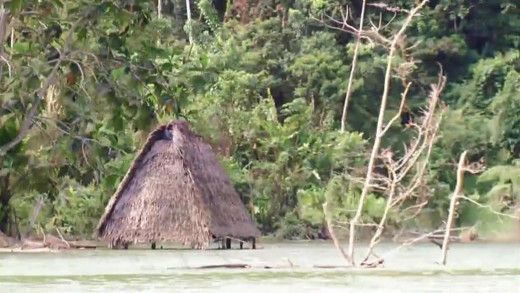
25:03Away from its busy capital city and famous canal, Panama is one of the world's most ecologically diverse nations. Yet huge new hydroelectric dam projects now underway are seeing pristine rivers damned and virgin rainforest flooded. The government says it is vital for 'economic growth', with international corporate interests rushing into the country, and even the United Nations awarding 'carbon credits' on the basis that the resultant energy will be "sustainably produced". But for the indigenous Ngabe people--whose homes are vanishing under water--it is a catastrophe, and they are fighting back...
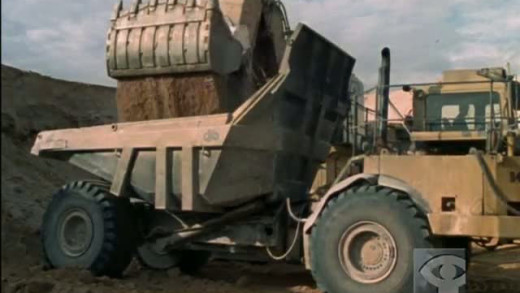 48:00
48:00Uranium
Focusing specifically on mines in Canada, Uranium examines the hazards of uranium mining, the toxic and radioactive waste involved at every stage of the process, as well as the wholistic way that indigenous communities have been violated and destroyed by mining and refining practices throughout the country and the world...
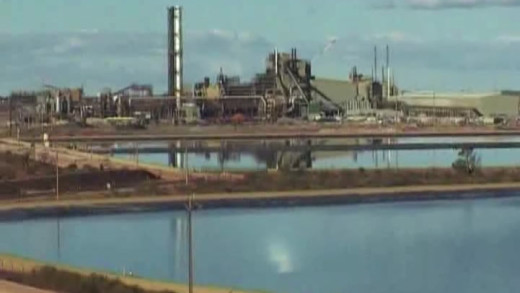 14:04
14:04Atomic Footprints uses archival footage and new material from the outback of Australia to examine the nuclear fuel chain, and the current push to expand uranium mines throughout Australia. This film speaks with local indigenous communities about the impact of already-existing uranium mining and refinement, and shows in clear examples some of the reasons why we should continue to oppose it around the world.
 1:22:52
Supported by a mix of archival footage, NASA shots of burning oil fields and historical film excerpts, Crude Awakening examines peak oil. From Houston to Caracas, the Lake of Maracaibo, the Orinoco delta, Central Asia's secretive republic of Azerbaijan with its ancient capital Baku and the Caspian Sea, to London and Zürich. The film questions the future of oil with leading authorities such as oil investment banker Matthew Simmons, former OPEC chairman Fadhil Chalabhi, Caltec's head of physics, Professor David Goodstein, Stanford University political scientist, Terry Lynn Karl and peak oil expert, Matthew Savinar...
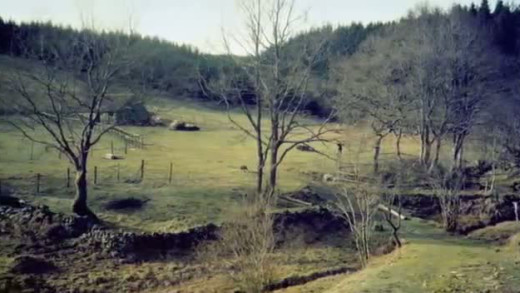 48:38
48:38A Farm For The Future follows wildlife film maker Rebecca Hosking as she investigates how to transform her family's farm in Devon, England, into a low energy farm with future peak energy concerns considered. With her father close to retirement, Rebecca returns to the farm to become the next generation to work the land, and the journey begins as she realises that all food production in the UK is completely dependent on cheap, abundant fossil fuel, particularly oil. After setting out to discover just how 'secure' the oil supply is and being alarmed by the answers, Rebecca is motivated to explore ways of farming without using fossil fuel. With the help of pioneering farmers and growers, A Farm For The Future shows that it is actually a return to nature that holds the key to farming in a low-energy future.
 1:28:09
Sustenance
A group of friends become curious about the sustainability of their eating regiments. They instigate a challenge, and send filmmaker Yasi Gerami off on a quest to investigate the sustainability of their eating ideologies. The friends come from different backgrounds and live in Toronto, Canada, but the inquiry takes the story of their food around the globe. As Gerami digs deeper, she realises the inconvenient truths not only about the environmental catastrophes caused by our dependence on mainstream food production methods, but also by the cataclysmic social justice impact of our eating habits in the global south. The film unfolds some popular myths on topics such as plant-based diets, healthy and nutritional foods, ethical eating, food politics, industrial agriculture, and how to attain a sustainable food culture. Sustenance helps the viewer discover these themes, prompting the viewer to question where our food really comes from, and how it genuinely affects the health of other people, other species, and ultimately the entire planet.
 53:05
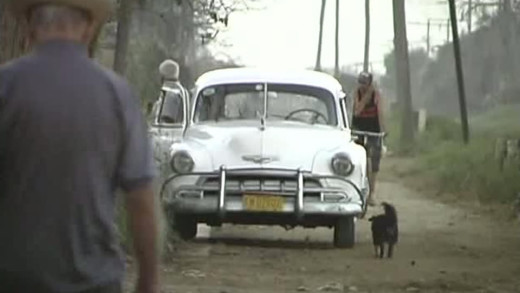
53:05With the fall of the Soviet Union in 1990, Cuba's economy collapsed. Imports of oil were cut by more than half and food by 80 percent. The Power Of Community tells of the hardships and struggles as well as the response during the collapse, explaining how the country transitioned from a highly mechanised, industrial agricultural system to one using organic methods of farming and local, urban gardens...
 1:30:19
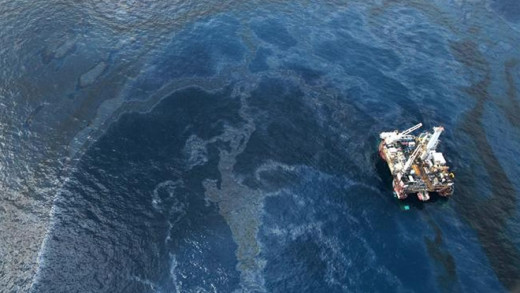
On April 22, 2010 the Deepwater Horizon offshore drilling rig, run by oil giant BP, sunk into the Gulf of Mexico--creating the world's biggest and most catastrophic environmental crime in history. After over 750 million litres of crude oil and millions of litres of the chemical dispersant Corexit dumped into the sea, the disaster was deemed over and all damage repaired. This is bullshit however. Film-makers Josh and Rebecca Tickell travel to the Gulf of Mexico to document first-hand the extent of environmental and community damage, continuing many years after the explosion. Beginning by tracing BP’s origins and fingerprints across decades of US manipulation in Iran, The Big Fix assembles an indictment of this monumental disaster by unpacking the workings of the complex oligarchies that put pursuit of profit over all other ends...
 1:48:41
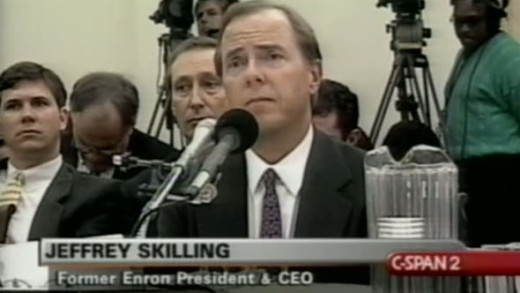
In 2001, the collapse of the Enron Corporation was of one of the largest business scandals in American history. The collapse resulted in criminal trials for several of the company's top executives, bringing the facts of exposure to Enron's involvement in the California electricity "crisis," where the company had rigged the market in order to generate huge speculative profits during the power shortages and blackouts of the time that effected millions of people.
 53:12
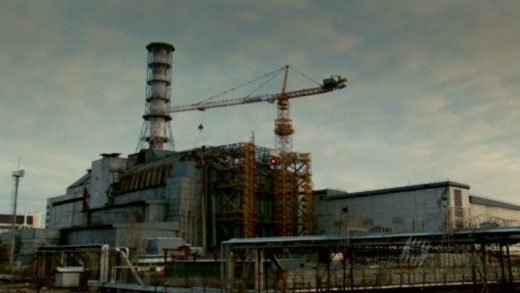
53:12The Nuclear Comeback embarks on a tour of the nuclear industry, documenting some of the most 'famous' nuclear facilities worldwide -- the control room of the Chernobyl nuclear power plant, the UK's Calder Hall, a nuclear waste repository under the Baltic Sea, the Ranger uranium mine in Australia, and one of only two nuclear waste "recycling plants" in the world. In addition of the links to nuclear weapons, the nuclear industry has a reputation for accidents and cover-ups. What are the 'risks'? What to do with the 100,000+ year legacy of dangerous radioactive waste? Is this insane?
 43:15
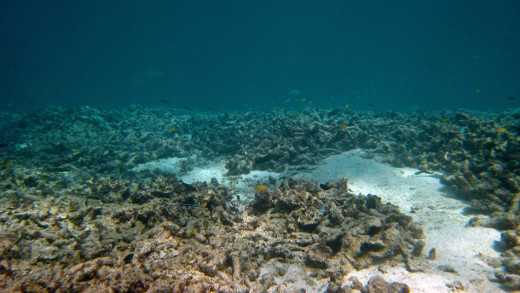
43:15Following on from previous reports about the numerous threats from industry facing the Great Barrier Reef, investigative journalist Marian Wilkinson returns to Queensland, Australia some years later to not only review the continued declining state of the reef, but to unfortunately investigate a new string of threats. This year, the government agency tasked with protecting the reef has approved a plan to expand the Abbot Point coal port which has serious cumulative effects on the already stressed reef and surrounding ecology. This in conjunction with the realities caused by anthropogenic climate change means the health of the reef has arguably past tipping point. Do we care enough to shift our perception of viewing everything through the lens of the economy? And not only that—do we care enough to act?