 49:54
49:54War Matters
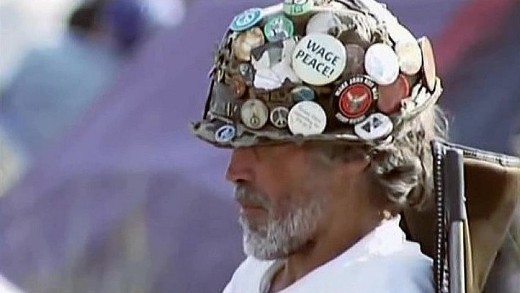
War Matters chronicles a decade of anti-war protest in Britain through the story of veteran peace campaigner Brian Haw, who camped in Parliament Square for over 10 years in protest against the UK government's policies in the Middle East. Brian began his campaign against war on 2nd June 2001, initially in protest of the sanctions against Iraq. After the September 11 attacks in the United States later on that year, Brian's campaign took on a whole new level of importance. War Matters documents this shift by examining the larger issue of the British arms trade and the repercussions of the Iraq and Afghanistan wars around the world, as civil rights are being curtailed in so-called democracies. Where does democracy end and tyranny begin?
 1:34:00
Set in Latin America and the US, War on Democracy explores the historic and current relationship of Washington with countries such as Venezuela, Bolivia and Chile. John Pilger examines the role of Washington in America's manipulation of Latin America during the last 50 years leading up to the struggle by ordinary people to free themselves from poverty and racism...
 57:45
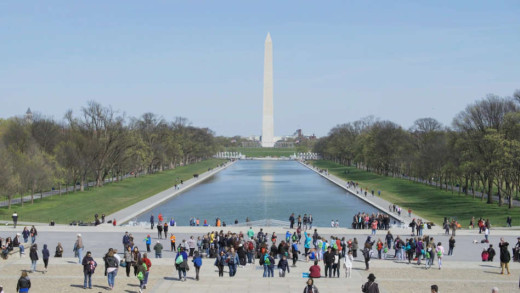
57:45How can we make political change if peaceful demonstration is not effective and violence only brings more violence? War/Peace posits this question by reintroducing two surviving figures from the Weather Underground movement of the late 1960s, Bernardine Dohrn and Bill Ayers. Coming from the hippy counterculture, the Weather Underground was a radical militant organisation, with revolutionary positions characterised by the Black Power and civil rights movements, as well as opposition to the Vietnam War. In 1970, the group issued a "Declaration of a State of War" against the United States government, with the goal to overthrow the government and end United States' imperialism, culminating in a bombing campaign targeting government buildings along with several banks. War/Peace rewinds to the past to draw out the complexity of these political struggles, and what went wrong, while drawing parallels to the struggles of today, where a lot has changed, but a lot has also remained the same.
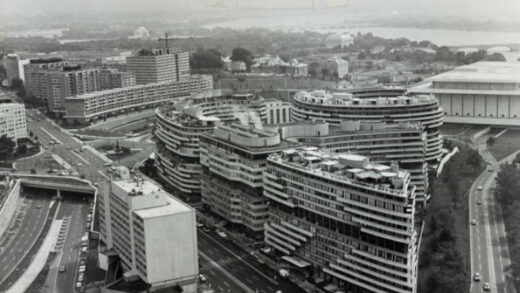
Watergate is a mini-series that provides insight on the presidential corruption scandal in the United States involving Richard M. Nixon through the early 1970s. The scandal eventually led to his resignation as America's president. The series is based on the book Watergate: The Corruption and Fall of Richard Nixon, by Fred Emery.
 1:03:49
We
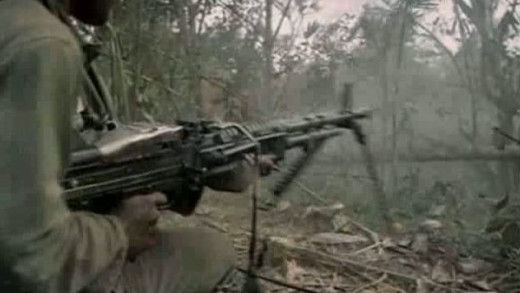
We is a visual essay exploring the politics of empire, war, corporate globalisation, imperialism and history; using the words of Indian author and political activist Arundhati Roy, from her speech Come September given in Santa Fe, New Mexico one year after the September 11th attacks--not long after the invasion of Afghanistan. The result is a mix of archive footage illustrating specific historical events throughout South America, the Middle East and elsewhere, in context with the September 11th attacks; placed alongside the themes of empire, global economics and a short history of neo-collonialism...
 49:30
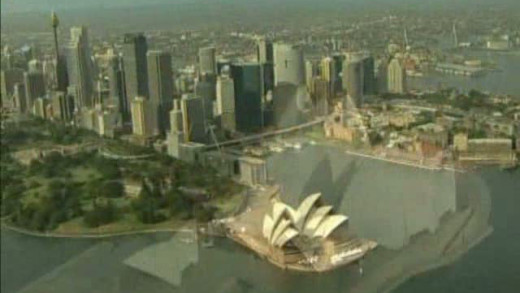
49:30The 2000 Olympic Games in Sydney were universally recognised as an overwhelming success. The Australian heroine from start, when she carried the Olympic torch into the stadium, to finish, as she crossed the line to take 400m gold, was the indigenous athlete Cathy Freeman. Against the will of many of her still oppressed people, she came to represent the symbol, albeit shallow, of reconciliation between White Australia and Indigenous Australia. But the frenzy of flames and fireworks surrounding the Games blinded the rest of the world to the real history behind it all...
 45:20
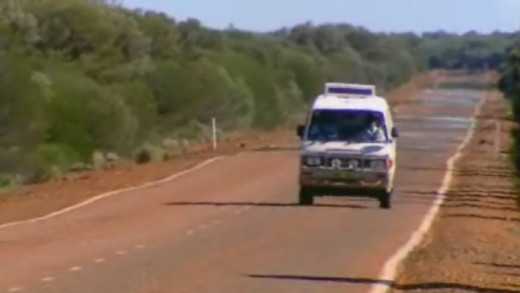
45:20The shocking story of a well respected Indigenous community leader in outback Western Australia who was locked in a metal cell in the back of a prison van and driven through the desert in the searing heat. Four hours later he was dead. Reporter Liz Jackson reveals the tragic train of events that led to this death, despite repeated warnings that Western Australia's prisoner transport system was unsafe and inhumane...
 1:32:27
Why was the the electric vehicle made by General Motors destroyed in the late 1990s? Why did it receive only limited commercialisation despite being hugely popular? It was among the fastest, most efficient production cars ever built. It ran on electricity, produced no exhaust and catapulted American technology to the forefront of the automotive industry. The lucky few who drove it never wanted to give it up. So why did General Motors suddenly crush its fleet of EV-1 electric vehicles in the Arizona desert? Was it because of a lack of consumer confidence or conspiracy?
 1:39:04
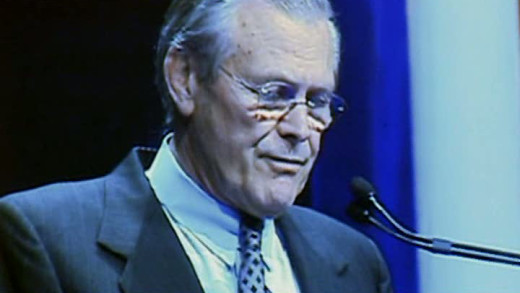
Is American foreign policy dominated by the idea of military supremacy? Why We Fight examines America's policies regarding making war, most recently the Iraq invasion and what is termed "the Bush doctrine" that includes pre-emptive strikes. This policy has been in the works for many years on reflection of the past wars of the 20th century alone. In this film, a variety of people are asked "Why We Fight?" with a variety of answers, followed by a look at today's U.S. military industrial complex via interviews with individuals involved with it...
 52:12
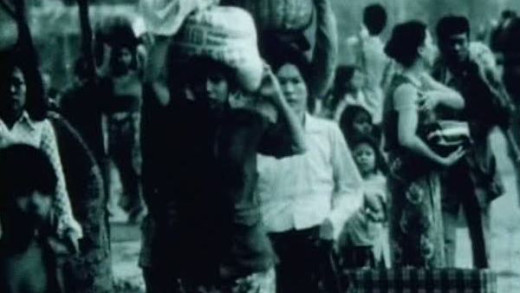
52:12As the first complete report of the atrocities committed by the Khmer Rouge and the devastating affects of US bombing in Cambodia during the Vietnam War, Year Zero -- The Silent Death Of Cambodia is an important and historic document of the grim reign of Pol Pot and the world's response of indifference and inaction...
 25:30
25:30Founded in 1976, the United States Office of Multilateral Diplomacy--known informally as the Zap Office--was created by Henry Kissinger to try and influence the voting patterns of third world nations at the United Nations by withholding food aid to those who did not vote alongside the United States. Zap! The Weapon Is Food is an investigation of this policy, one that makes food more powerful than oil...
 1:53:21
Zero Days
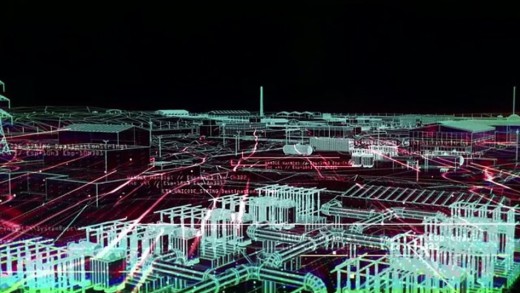
Stuxnet is a malicious computer virus, first identified in 2010, that targets industrial computer systems and was responsible for causing substantial damage to Iran's nuclear program, as well as spreading across the world. The virus is believed by many experts to be a jointly built American-Israeli cyberweapon, although no organisation or state has officially admitted responsibility. Zero Days covers the phenomenon surrounding the Stuxnet computer virus and the development of the malware software known as "Olympic Games." It also examines the follow-up cyber-plan entitled 'Nitro Zeus,' showing how the United States has opened the Pandora's Box of cyberwarfare.