 2:24:01
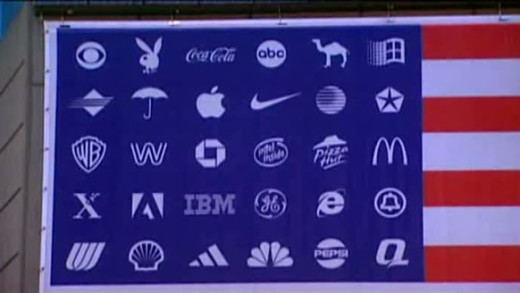
Did you know that the legal system recognises a corporation as a person? What kind of 'person' is it then? What would happen if it sat down with a psychologist to discuss its behaviour and attitude towards society and the environment? Explored through specific examples, this film shows how and why the modern-day corporation has rapaciously pressed itself into the dominant institution of our time, posing big questions about what must be done if we want a equitable and sustainable world. What must we do when corporations are psychopaths?
 43:46
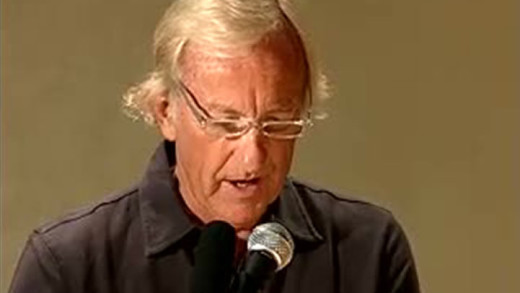
43:46Australian journalist, author and film maker John Pilger speaks about global media consolidation, war by journalism, the US military and its quest for domination/hegemony in the post 9-11 era and the false history that is presented in the guise of 'objective' journalism...
 1:33:45
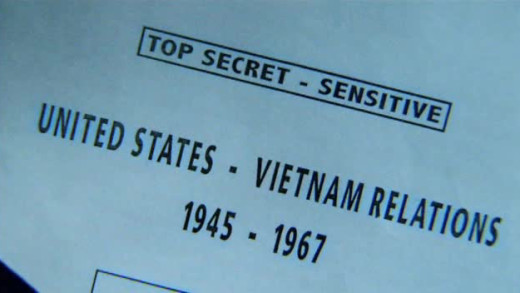
In 1971, Daniel Ellsberg shook the United States to its foundations when he leaked top-secret Pentagon documents to the New York Times that showed how five Presidents consistently lied about the Vietnam War. Consequently, National Security Advisor Henry Kissinger called Ellsberg "the most dangerous man in America," who "had to be stopped at all costs." But Ellsberg wasn't stopped. Facing 115 years in prison on espionage and conspiracy charges, he fought back...
 52:28
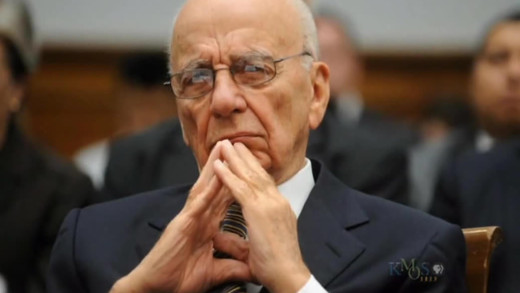
52:28Over half a century, Rupert Murdoch's rapacious business audacity has built one of the world's most powerful and ubiquitous media empires. But with revelations of bribery, blackmail, collusion with police and government, wiretapping and other invasions on privacy, the empire seems to be showing cracks. The scandal has prompted criminal investigations on both sides of the Atlantic and also broken open the insular world of the Murdoch family, its news executives, and the vast political elite who court their favour. Murdoch's Scandal tells the story of the battle over the future of News Corporation and the challenging of the extensive media empire...
 1:09:10
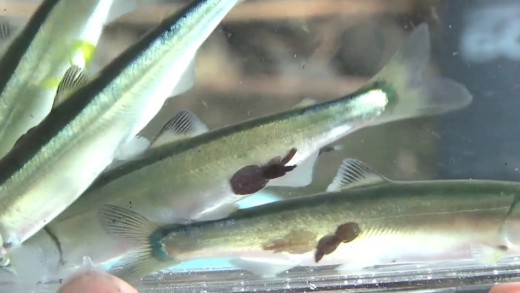
Salmon Confidential follows renowned biologist Alexandra Morton as she finds that wild salmon are testing positive for dangerous European salmon viruses associated with industrial salmon farming worldwide, and then, how a chain of events is set off by the Canadian government to suppress the findings. Scientists are gagged, research suppressed, evidence not allowed. With the industrial fish farms having moved into Morton's neighbourhood in the late 1980s, since then, there has been a serious decline in wild salmon in the region. So, tracking her findings, the film follows Morton and her team as they move from courtrooms, to Canada's most remote rivers, Vancouver grocery stores and sushi restaurants, providing insights into the workings of government agencies tasked with managing the 'safety of fish and food supply,' that always seem to put industry and the needs of corporations over the natural world, time and time again. Salmon Confidential becomes a call to action to help save the wild salmon from these atrocities, before they're completely wiped out forever.
Ithaka
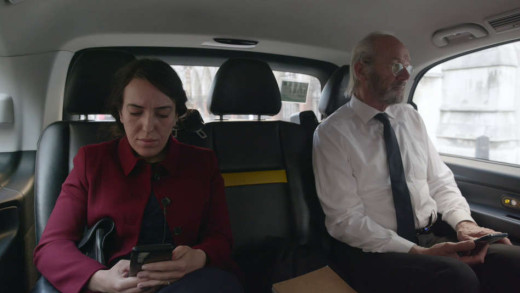
Ithaka depicts the incarceration of WikiLeaks founder Julian Assange through the experience of his wife Stella Assange and his father John Shipton. Julian Assange faces a 175-year sentence if extradited to the United States. His family members are confronting the prospect of losing Julian forever to the abyss of the justice system. This David-and-Goliath struggle is personal, and, with Julian's health declining in a British maximum-security prison, the clock is ticking. Through this behind-the-scenes view of the extradition hearing, the films grasp the personal cost paid by Julian and the true cost of truth.
 1:21:45
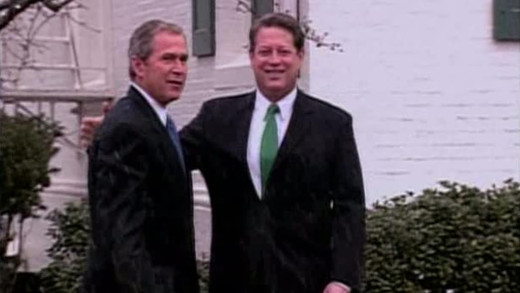
Filmed over three years, Hacking Democracy documents a group of American citizens investigating anomalies and irregularities with the electronic voting systems used during the 2000 and 2004 US Presidential elections. The investigation revolves around the flawed integrity and security of the machines, particularly those made by the Diebold corporation. Could the elections have been rigged?
 1:29:27
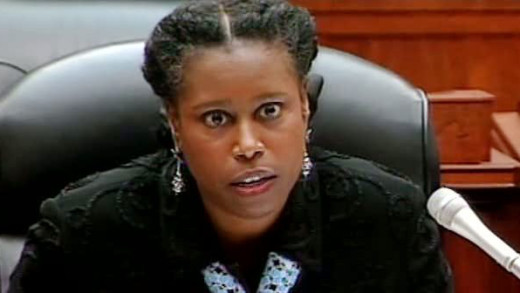
The American Blackout chronicles the 2002 defeat, and 2004 re-election, of Congresswoman Cynthia McKinney to the U.S. House of Representatives, focussing on issues surrounding voter disenfranchisement and the use of electronic voting machines in both the 2000 and 2004 presidential elections...
 1:29:38
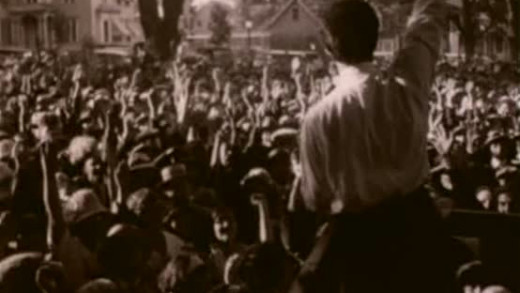
Along the way to winning an eight-hour workday and fair wages in the early 20th century, the Wobblies were one of the few unions to be racially and sexually integrated and often met with imprisonment, violence, and the privations of prolonged strikes. The Wobblies airs a provocative look at the forgotten American history of this most radical of unions, screening the unforgettable and still-fiery voices of Wobbly members -- lumberjacks, migratory workers, and silk weavers -- in their 70s, 80s, and 90s.
 43:25
43:25Cover Up
Why did appointed officials of the Australian Reserve Bank and its employees break sanctions in Iraq and cosy up to Saddam Hussein through a frontman during the late 1990s, early 2000s and beyond? Why did a former Deputy Governor and other directors hand-picked by the Reserve Bank to safeguard its subsidiary companies from corruption, end up--over a decade--overseeing some of the most corrupt business practices possible? How did they allow millions of dollars to be wired to third parties in foreign countries--including a known arms dealer--in order to win banknote contracts knowingly using bribery and supporting corruption?
 57:45
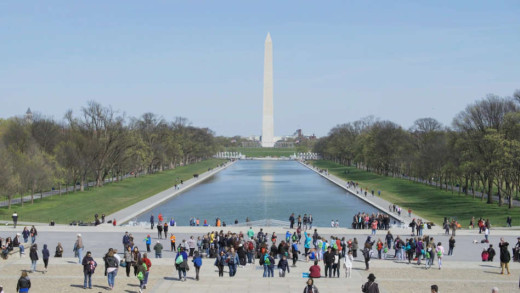
57:45How can we make political change if peaceful demonstration is not effective and violence only brings more violence? War/Peace posits this question by reintroducing two surviving figures from the Weather Underground movement of the late 1960s, Bernardine Dohrn and Bill Ayers. Coming from the hippy counterculture, the Weather Underground was a radical militant organisation, with revolutionary positions characterised by the Black Power and civil rights movements, as well as opposition to the Vietnam War. In 1970, the group issued a "Declaration of a State of War" against the United States government, with the goal to overthrow the government and end United States' imperialism, culminating in a bombing campaign targeting government buildings along with several banks. War/Peace rewinds to the past to draw out the complexity of these political struggles, and what went wrong, while drawing parallels to the struggles of today, where a lot has changed, but a lot has also remained the same.
 1:51:06
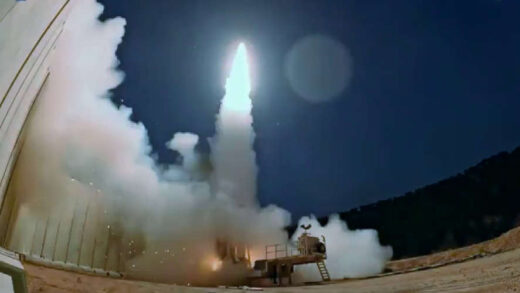
Remaking the Middle East traces the road to the current war with Iran, Israel and the United States, as well as outlining some of the stakes for the region. The film draws on historical archive to document how Israeli Prime Minister Benjamin Netanyahu has long-campaigned for a bombing of Iran and the obliteration of Palestine, as well as his relations with the United States over Iran's purported nuclear program.