 56:53
56:53Once relegated to the margins of society, pornography is now the most pervasive and visible aspect of popular culture, assuming an unprecedented role in media as its content becomes more harsh and extreme, racist and abusive. This eye-opening and disturbing film moves beyond frivolous "liberal versus conservative" debate and tackles the real issues surrounding pornography by placing the voices of performers themselves, producers and critics directly alongside the observations of women and men as they candidly discuss the role porn has played in shaping their sexual imaginations and relationships. The Price Of Pleasure reveals a nuanced portrait of how pleasure and pain, commerce and power, freedom and responsibility have become extremely twisted by popular culture, usurping the most intimate area of our lives.
 1:33:01
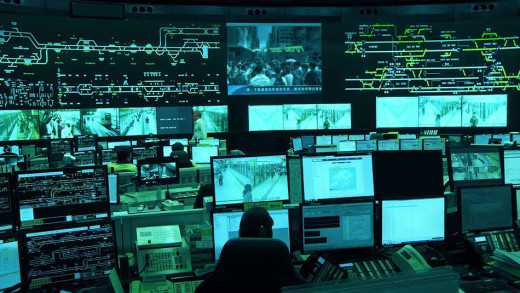
Filmmaker Werner Boote travels across the globe to investigate the era of so-called Big Data, where huge amounts of detail about our lives are gleaned for use in decision making, automation, and consumerism, but ultimately, to generate huge profits for corporations that harvest and control our data. Everything's Under Control investigates these modern times through many lenses: People who have studied surveillance culture, to democracy activists in Hong Kong; from educators, advertisers, and traders, to privacy advocates, and security experts; from digital IDs, fingerprinting, iris scans and online profiling, to hacking, data leaks, and invigorating recent historical memory of atrocities based on data and personal information. We hear distorted perspectives on privacy from many voices, challenging the viewer to reflect on what it means to live through the largest social experiment with data ever before conducted on a global scale.
 1:20:32
One generation from now, most people in the United States will have spent more time in the virtual world than in the natural world. New media technologies have changed lives in countless ways. Streams of information now appears in a click. Overseas friends are contactable in an instant. Engulfing video games and streams of endless entertainment to stimulate the senses, dazzle the mind and pander to the acculturated desire to be in control. Even grandma loves Wii. But what are people missing when they're behind screens? How is it already impacting our children, our society, and the planet? At a time when people are at screens more than they are outside, Play Again explores the challenge in dealing with the addiction and returning to the real world...
 1:28:02
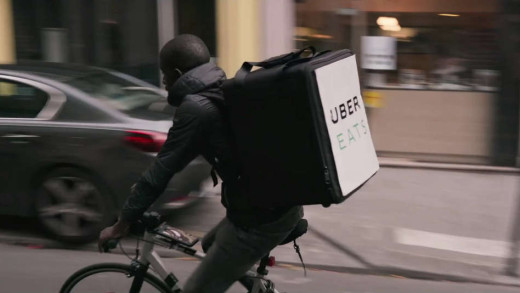
Millions of people around the world are finding work by-the-job online. The "gig economy" is worth more than $5 trillion worldwide, and seemingly growing. But who are these workers? Seduced by the promise of independence, and control over their working hours and income, people around the world that are lured into the gig economy now face the harsh reality of it algorithmically-driven market place: dangerous working conditions, instability, and the precariousness of their work that can stop overnight in the case of deactivation or a bad review. Through committed characters, The Gig is Up shows that the so-called 'freedom' that is espoused by this technological economy is only an illusion.
 1:21:34
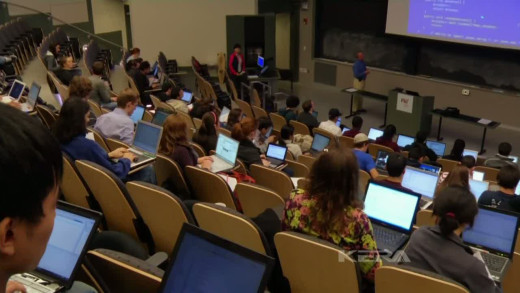
Within a single generation, digital media, the Internet and the World Wide Web have transformed virtually every aspect of modern culture, from the way we learn and work to the ways in which we socialise and even conduct war. But is technology moving faster than we can adapt to it? Is our constantly-wired-world causing us to lose as much as we’ve apparently gained? In Digital Nation, Douglas Rushkoff and Rachel Dretzin explore what it means to be human in a 21st-century digital world...
 46:36
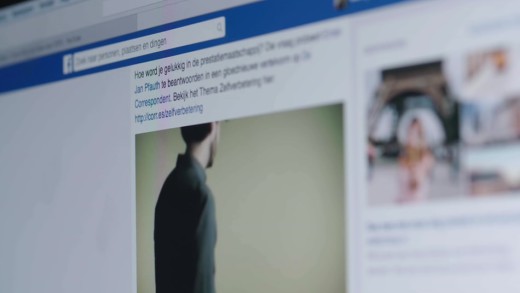
46:36Every day, billions of people are unwittingly taking part in what is the largest most comprehensive psychological experiment ever conducted. The old marketing and advertising world using billboards, advertisements and TV commercials to persuade us, has been comprehensively augmented by an entirely new field of "user experience architects" and "online persuasion agents." These forces are given tremendous power from the proliferation of digital technologies. So how do these powerful forces ensure that we fill our online shopping carts to the brim, or stay on websites as long as possible? Or vote for a particular candidate? What Makes You Click examines how these prolific entities collectively and individually use, shape, and manipulate our experiences via an online world, not just when it comes to buying things, but also with regards to our free time and political perspectives. The manipulation has become so good that these powerful controllers, former Google employees among them, are themselves arguing for the introduction of an ethical code. What does it mean when the grand conductors of these huge experiments themselves are asking for their power, influence and possibilities to be restricted?