 40:22
40:22UnSlut
In 2013, seventeen-year-old Rehtaeh Parsons took her own life. She had been gang-raped a year and a half earlier by her classmates and labeled a "slut" as a result. Despite transferring schools many times, she could not escape constant online harassment and in-person bullying. But Rehtaeh's story is horribly not the only one like this to make headlines in recent years. Why is the sexual shaming of girls and women, especially sexual assault victims, still so prevalent throughout this culture? UnSlut tackles this question through a series of conversations with those who have experienced sexual shaming and how it manifests, while also offering immediate and long-term goals for personal and institutional change.
 1:28:41
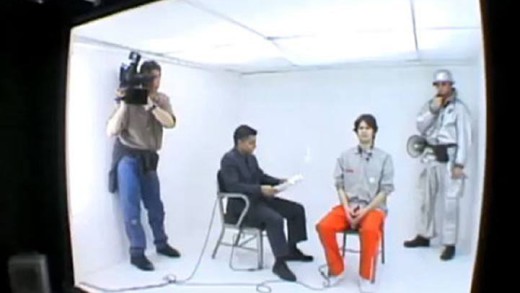
This film explores what affect the web is having on our society, as seen through the eyes of "the greatest Internet pioneer you've never heard of." Josh Harris--often called the "Andy Warhol of the Web"--founded a website during the renowned dot-com boom of the 1990s which was the world's first Internet television network. This concept was way ahead of its time. Using this platform, before broadband, a vision of that future was exemplified at an underground bunker in New York City where over 100 people lived together completely on camera, non-stop and unedited for 30 days over the millennium. These happenings, documented through We Live In Public, serve as a powerful analogy for the Internet as it's now known today and the price we pay for living in its 'public.' It shows the costs of willingly trading privacy and sanity for a constant voracious audience, attention, and the pursuit of celebrity, in an online world of pervasive surveillance.
 41:57
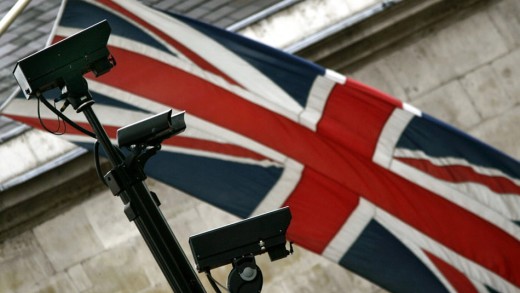
41:57Governments all around the world are using high-tech mass surveillance tools to monitor their citizens. Western corporations, including Britain's largest weapons manufacturer, BAE, are among those which are creating and selling mass surveillance infrastructures all across the globe, but especially to particularly repressive regimes. Weapons of Mass Surveillance makes example of what is happening throughout the Middle East where journalists, human rights advocates and activists are being targeted with surveillance tools developed by western corporations with extreme real-world consequences. Political opponents to tyrannical power are targeted, jailed, and in some cases, tortured or "disappeared." This shows the power of mass surveillance tools for great harm, and how the west is culpable in perpetuating systemic repression both at home and abroad.
 1:09:12
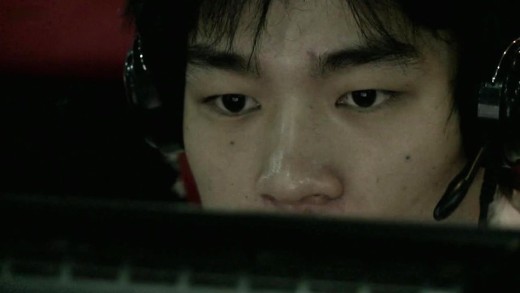
Web Junkie travels to China, the first country in the world where Internet addiction has been classified as a clinical disorder. The film focuses on the methods used to treat young people, which reveal a surreal mix of prison, hospital, and military operations, with a dose of group therapy thrown in for good measure. We also see the cultural and emotional effects of Internet addiction in China's society of hyper-competitiveness, which speaks to the dominant culture worldwide. Web Junkie exposes the virtual world in a country—and indeed world—of disparity, where health officials have no idea how to cope with a younger generation that finds World of Warcraft more exciting and supposedly more "real" than their own lives.
 46:36
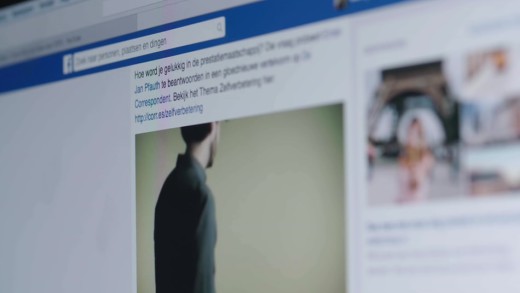
46:36Every day, billions of people are unwittingly taking part in what is the largest most comprehensive psychological experiment ever conducted. The old marketing and advertising world using billboards, advertisements and TV commercials to persuade us, has been comprehensively augmented by an entirely new field of "user experience architects" and "online persuasion agents." These forces are given tremendous power from the proliferation of digital technologies. So how do these powerful forces ensure that we fill our online shopping carts to the brim, or stay on websites as long as possible? Or vote for a particular candidate? What Makes You Click examines how these prolific entities collectively and individually use, shape, and manipulate our experiences via an online world, not just when it comes to buying things, but also with regards to our free time and political perspectives. The manipulation has become so good that these powerful controllers, former Google employees among them, are themselves arguing for the introduction of an ethical code. What does it mean when the grand conductors of these huge experiments themselves are asking for their power, influence and possibilities to be restricted?
 57:25
57:25Reporters Jesper Huor and Bosse Lindquist travel to key countries where parts of the Wikileaks website operate to investigate some of the very few public faces behind the global Wikileaks network. Featuring interviews with co-founder Jullian Assange, spokesperson Kristinn Hrafnsson and others, WikiRebels asks: where is Wikileaks heading? Is it stronger than ever or being broken by the US or even on the inside? And who is Assange? A champion of freedom, a spy or a rapist? What are his objectives? And what are the consequences?