 1:33:45
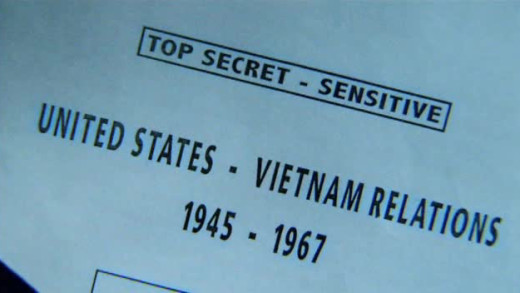
In 1971, Daniel Ellsberg shook the United States to its foundations when he leaked top-secret Pentagon documents to the New York Times that showed how five Presidents consistently lied about the Vietnam War. Consequently, National Security Advisor Henry Kissinger called Ellsberg "the most dangerous man in America," who "had to be stopped at all costs." But Ellsberg wasn't stopped. Facing 115 years in prison on espionage and conspiracy charges, he fought back...
 44:47
44:47As we wait to see whether Rupert Murdoch will fall from power and lose control of News International, Every Day is Like Sunday tells the forgotten story of the dramatic downfall of Cecil King—the newspaper mogul who used to dominate British media in the 1960s, before Rupert Murdoch arrived.
 1:18:39
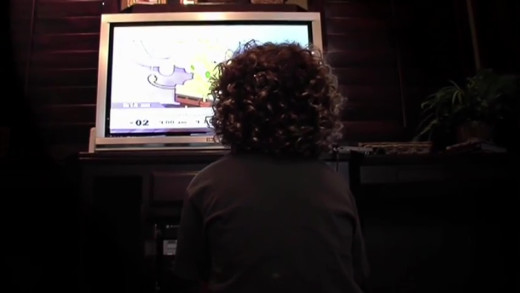
The huge and complex problems of today often instil doubt and fear that everything is futile. Yet by analysing how the power of media, schooling and parenting have moulded us, #ReGENERATION helps us start to comprehend what we must change—both as a generation and as a culture. We see how the average family spends at least four hours a day in front of the TV. Internet and video games are not included in this figure. So guess what is shaping us? This film examines the corporate forces that deeply influence all of us, but particularly the young, providing insights into how the politics of apathy is perpetuated, and how we can turn this around into activism, if and when we are willing.

Diamond Empire is a two-part series that investigates how an advertising slogan invented by Madison Avenue executives in 1948 has come to define some of the most intimate and romantic rituals and ideals of this culture. The films take apart the myth that "diamonds are forever," exposing how one white South African family, through a process of monopoly and fantasy, managed to exert control over the global flow of diamonds and change the very way this culture projects the notion of courtship, marriage, and love--an achievement all the more stunning given that diamonds are in fact neither scarce nor imperishable. Zeroing in on how the diamond empire managed to convert something valueless into one of the most coveted commodities in history, these films provide a vigorous investigation into how marketing and consumer culture shape not only global trade and economics, but also our very identities.
 50:53
50:53How does one sell a war? This was a question that weighed heavy on the minds of those in the United States government long before the invasion even started. Operation Saddam: America’s Propaganda Battle takes a look at the marketing of war -– a cocktail of distortion, lies and forgeries -– as shown by former secret service agent Ray McGovern, American investigative journalist Seymour Hersh and best-selling author John MacArthur, presenting the individual stages of the propaganda battle, by which American, British and other governments sought to justify the second invasion of Iraq...
 56:53
56:53Once relegated to the margins of society, pornography is now the most pervasive and visible aspect of popular culture, assuming an unprecedented role in media as its content becomes more harsh and extreme, racist and abusive. This eye-opening and disturbing film moves beyond frivolous "liberal versus conservative" debate and tackles the real issues surrounding pornography by placing the voices of performers themselves, producers and critics directly alongside the observations of women and men as they candidly discuss the role porn has played in shaping their sexual imaginations and relationships. The Price Of Pleasure reveals a nuanced portrait of how pleasure and pain, commerce and power, freedom and responsibility have become extremely twisted by popular culture, usurping the most intimate area of our lives.
 1:07:43
This experimental film recounts the histories of plane hijackings and bombings throughout the 60s, 70s and 80s, and pits them against the media reporting of such events and the real-politick of the time to show the interplay between terrorism, political narratives and control of society. We see how aspects of the interplay have changed over time, and how the media culture has turned acts of terror into apolitical carnage-seeking voyeurism. Also presented by taking this view, is a commentary on how this culture has a hyperactive focus on terrorism while other much more deathly tragedies are ignored merely because they are mundane and non-threatening to political power. For example, more people die painful deaths every year by slipping in bathtubs than by any terrorist attack. This reveals the priorities of those in power, with the cultural focus on fearmomgering as a means for social control, and a disillusionment of the public in the age of decline.
 50:57
50:57Based on the comprehensive work of media scholar George Gerbner, The Mean World Syndrome takes aim at the for-profit media system that thrives on violence, stereotypes, and the cultivation of anxiety. The film takes us through how the more television people watch, the more likely they are to tend to think of the world as an intimidating and unforgiving place, while being insecure and afraid of others. We see how these media-induced fears and anxieties provide fertile ground for intolerance, extremism, and a paranoid style of politics that threatens basic social values. The result is an accessible introduction to debates about media violence and more broadly, the effects of the media system. This film is a powerful tool for helping to make sense of the increasingly intense and fractious political climate of today.
 1:47:27
This Is Not a Movie is a profile of the career of Robert Fisk, an influential British war correspondent whose groundbreaking and often game-changing journalism during some of the most violent and divisive conflicts in the world, has been imperative to reporting the reality of war. The film captures Fisk in action, notebook in hand, as he travels into landscapes devastated by war, seeking out the facts on the ground, and firing reports back home to reach an audience of millions. Fisk talks passionately about his process of translating raw experience into incisive and passionate dispatches, while showing his determination to see things first-hand and the tenacity to say what others won't. In his pursuits of the truth, Fisk has attracted criticism, but in spite of the system stacked against him, and the huge personal risks and dangers, he continues to cover stories as they unfold, talking directly to the people involved. This Is Not a Movie is a homage to Fisk's legacy to speak truth to power, in an era of fake news, and where journalists are dubbed "the enemies of the people."
 1:36:46
The War You Don't See traces the history of 'embedded' and independent reporting from the carnage of World War One to the destruction of Hiroshima, and from the invasion of Vietnam to the current war in Afghanistan and disaster in Iraq. As weapons and propaganda become even more sophisticated, the nature of war is developing into an 'electronic battlefield' in which journalists play a key role, and civilians are the victims. But who is the real enemy?
 17:46
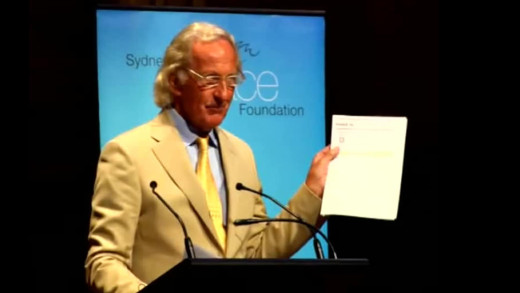
17:46John Pilger talks at a public forum in Sydney about the recent revelations of WikiLeaks and the importance of leaked information in exposing the lies and machinations of Public Relations in mainstream media and political rhetoric. Pilger demonstrates the parallels with the plight of Julian Assange and the treatment of David Hicks through the United States legal system, and also explains using recent leaked documents why state power sees investigative journalists and others as a major threat to the established order...
 51:47
51:47What do popular television programs like What Not to Wear, The Biggest Loser, Queer Eye for the Straight Guy, and The Swan tell us about how to look and feel? What do they tell us about what a good life is supposed to look like? Brand New You explores these questions, and also asks what it means to be an authentic self in an extensively mediated world. It shows how the interventions featured in makeover shows—from weight loss to cosmetic surgery to rearing competitiveness—create, perpetuate and reproduce conventional norms of physical attractiveness and success. By taking a wider social and cultural view, Brand New You also shows how these programs have become tools of rampant individualism, consumerism and inner self-transformation at precisely the same time that collective awareness of social issues has dissipated.

The Facebook Dilemma aims to open an in-depth investigation into the impact Facebook has had on privacy and democracy in the United States and throughout the world, by revealing how the decisions made by the company as it sought increased wealth and new users, transformed it into a vast surveillance machine, a media company, and a 'hidden hand' in elections and political discourse. Drawing on original interviews from those inside the company, this two part series catalogues some of the ignored warning signs, both inside and outside the company, of Facebook's negative impact, growing from Zuckerberg's dorm-room project and into a powerful global empire.
 2:24:01
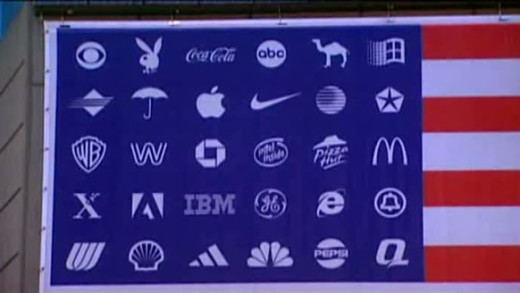
Did you know that the legal system recognises a corporation as a person? What kind of 'person' is it then? What would happen if it sat down with a psychologist to discuss its behaviour and attitude towards society and the environment? Explored through specific examples, this film shows how and why the modern-day corporation has rapaciously pressed itself into the dominant institution of our time, posing big questions about what must be done if we want a equitable and sustainable world. What must we do when corporations are psychopaths?
 58:32
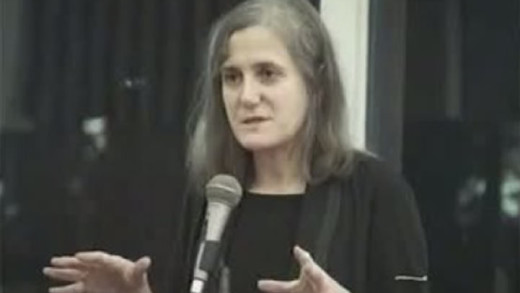
58:32Amy Goodman from Democracy Now! speaks about the mainstream media's coverage of US interventions around the world and demonstrates the link between corporate media and government, and how this plays a major part in selling war at home and abroad...
 1:11:29
In the aftermath of the events of September 11th, 2001; MIT linguist and political philosopher Noam Chomsky found himself called upon to provide much-needed analysis and historical perspective regarding this moment in American history. In the months following, Chomsky gave dozens of talks on four continents, conducted scores of media interviews, and published a book called '9-11.' In this film and in his book, Chomsky places the events of September 11 in the context of American foreign intervention throughout the postwar decades—in Vietnam, Central America, the Middle East, and elsewhere. Beginning with the fundamental principle that any exercise of violence against civilian populations is terrorism—regardless of whether the perpetrator is a well-organized band of Muslim extremists or the most powerful nation-state in the world—Chomsky challenges the United States to apply the moral standards it demands of others to its own actions.
 1:31:00
Risk
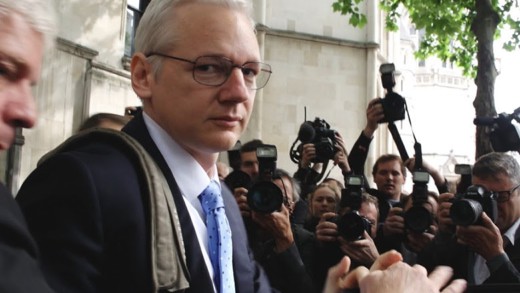
Cornered in the tiny building of the Ecuadorian embassy in the United Kingdom for half a decade, WikiLeaks founder Julian Assange and his team are undeterred, continuing to release troves of important documents, even as the personal legal jeopardy he faces threatens to undermine the very organisation he leads and fracture the movement it inspired. Filmmaker Laura Poitras finds herself caught between the motives and contradictions of Assange and his inner circle. Filmed over six years, Risk is a complex and volatile character study of the forces that crescendo with a high-stakes election year in the United States and its controversial aftermath. In a world order where a single keystroke can alter history, Risk is a nuanced and curious portrait of power, betrayal, truth, and sacrifice. How much of your own life are you willing to risk?
 54:58
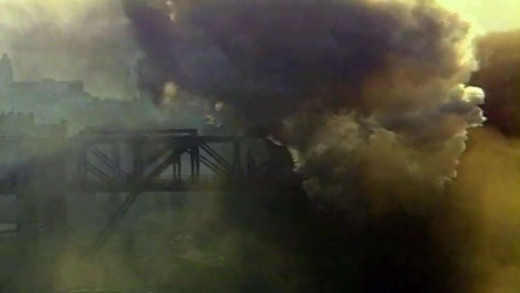
54:58Burning Question looks at the public debate surrounding global warming and explores the striking disconnect between a body of evidence from the world's most prominent scientists, and the maze of speculation, rhetorical posturing, and outright misinformation from politicians, PR specialists, and political pundits. Mixing a local focus on Ireland with insights from scientists and leaders from around the world, Burning Question serves as both a primer on climate science, and a penetrating analysis of media framing and perception management.
 53:09
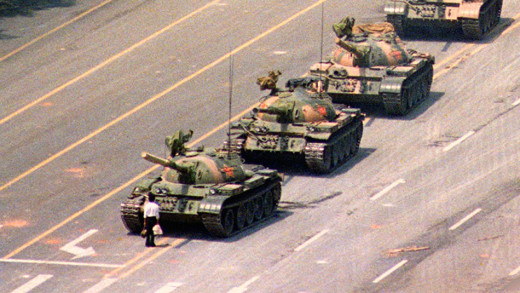
53:095th June 1989, Tiananmen Square, Beijing. After weeks of mass killing, oppression and violence by the Chinese government against it's own people, the image of a lone man standing defiant with his shopping to a line of tanks still lives on...
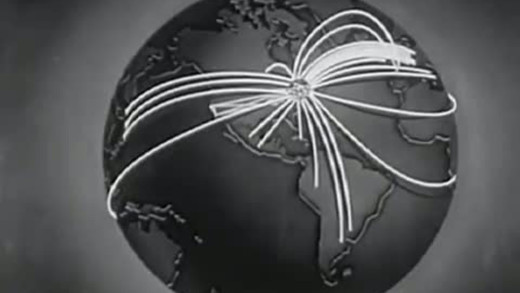
The Power Principle is a series of films examining the history of the United States and the building of its empire with particular emphasis on the last seventy years of United States foreign policy. The methods that make empire possible are also examined—the politics of fear, the rise of public relations, the 'Mafia Principle' and the reoccurring use of fabled enemies, contrasting the Soviet Union and the Cold War alongside the parallels of today with the "War On Terror". Not only does The Power Principle tie together historical events to revive a common thread, the series may also encourage viewers to reconsider their understanding of historical events and the portrayal of them, showing how those in power play a role in manipulating the collective memory through generations.
 1:23:04
Sexy Baby
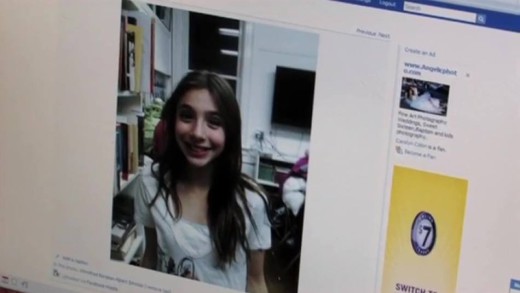
An ex-pornstar, a 12 year old girl, and a 22 year old who yearns for the 'normal' genitals as seen in porn movies, are just some of whom are chronicled in Sexy Baby to draw together how the current relentless culture of pornography, social media and popular culture are deeply and profoundly affecting the lives women and girls. Based on intimate and candid conversations with kids in middle school classrooms, suburban shopping malls, nightclubs, college dorms, and high school house parties, the film chronicles trends among small town and big city kids--the pervasive culture affects everyone, everywhere. Most youngsters know someone who has emailed or texted a naked photo of themselves. Many kids have accidentally or intentionally had their first introduction to sex be via hardcore pornography online. Facebook has created an arena where kids compete to be "liked" and constantly worry about what image to portray. Much of what was once private is now made public. The list goes on. Sexy Baby is a powerful indictment of the Internet age and the hyper-sexualised culture affecting women and girls everywhere, as well as an insight into the struggle of parents navigating this new culture, wanting what is best for their kids and the generations to come.
 53:50
53:50The Illusionists examines how global advertising firms, mass media, and the beauty, fashion, and cosmetic-surgery industries have together colonised the way people all around the world define beauty and see themselves. Taking us from Harvard to the halls of the Louvre, from a cosmetic surgeon's office in Beirut to the heart of Tokyo's Electric Town, The Illusionists shows how these industries saturate our lives with narrow, Westernised, consumer-driven images of so-called beauty that show little to no respect for biological realities or cultural differences. Featuring voices from prominent sociologists, magazine editors, scientists, artists, and activists, The Illusionists documents a truly global phenomenon, with hegemonic results.
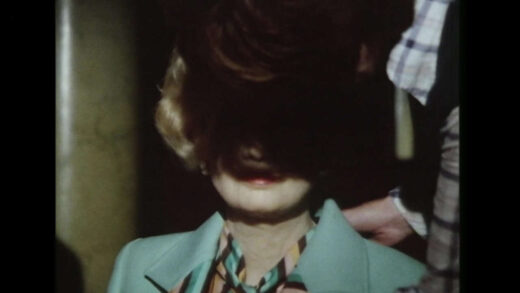
Shifty
Shifty is a series of films that traverse the past 40 years in Britain, showing how the shift of political power to finance and hyper-individualism came together in powerful ways, to undermine one of the fundamental structures of mass democracy--the shared idea of what is real. As that fell apart, with it went the language and the ideas that people had turned to for the last 150 years to make sense of the world they lived in. As a result, life in Britain and the current and former colonies of its empire, has become strange--a hazy dream-like flux, where distrust in politicians keeps growing, and the political class seems to have lost control. Through archive footage, news reels, and on-screen-text in video essay format, Shifty documents the shapes of how this happened, using the vast ranges of footage to evoke what if felt like to live through an epic transformation during the 1980s.
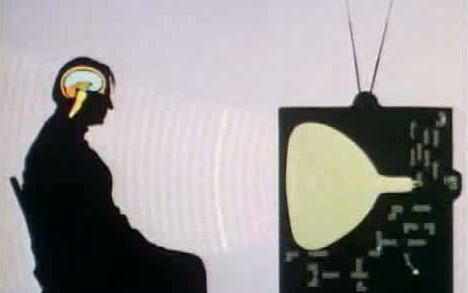 2:47:16
Manufacturing Consent -- Noam Chomsky and the Media explores the political life and ideas of Noam Chomsky, the renowned American linguist and political activist. Drawing on specific examples such as the corporate media coverage of the Indonesian occupation of East Timor and the atrocities of the Khmer Rouge regime of Cambodia, Manufacturing Consent shows how the collusion of government and media running the powerful propaganda machines that manipulate the opinions of the masses, is manufacturing consent.
 2:04:16
Militainment Inc. examines how news coverage of war in the United States has come to resemble Hollywood film, video games, and reality television in its portrayal of war as entertainment. Using a range of media examples--from news anchors' idolatry of military machinery to the impact of government propaganda on war reporting--Militainment Inc. asks: How has war taken its place as a spectacle of entertainment? And how does presenting war as entertainment affect the ability of the population to evaluate the real human costs of this culture's military-industrial-complex?
 39:03
39:03The belief that good triumphs over evil resonates deeply through the religious and political discourses of dominant culture. It is also a common theme in the entertainment media where the struggle between good and evil is frequently resolved through violence. The negative impacts of media violence on children has long been a public concern, but it is even more troubling when military violence, both in the news and in entertainment, is often glorified as heroic and noble. Beyond Good & Evil: Children, Media & Violent Times is a look at how mass communication distorts and manipulates language and visual imagery. It shows viewers how the media's overriding objective of satisfying an audience converts real issues surrounding race, war, and violence into nothing more than spectacle.
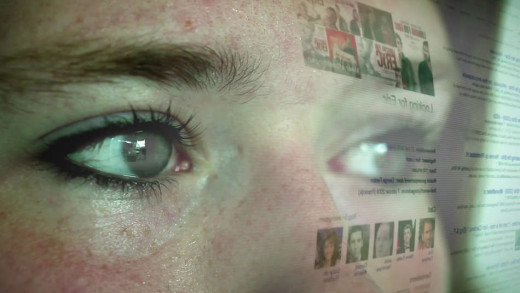 1:03:59
Tracing the Internet's history as a publicly-funded government project in the 1960s, to its full-scale commercialisation today, Digital Disconnect shows how the Internet's so-called "democratising potential" has been radically compromised by the logic of capitalism, and the unaccountable power of a handful of telecom and tech monopolies. Based on the acclaimed book by media scholar Robert McChesney, the film examines the ongoing attack on the concept of net neutrality by telecom monopolies such as Comcast and Verizon, explores how internet giants like Facebook and Google have amassed huge profits by surreptitiously collecting our personal data and selling it to advertisers, and shows how these monopolies have routinely colluded with the national security state to advance covert mass surveillance programs. We also see how the rise of social media as a leading information source is working to isolate people into ideological information bubbles and elevate propaganda at the expense of real journalism. But while most debates about the Internet focus on issues like the personal impact of Internet-addiction or the rampant data-mining practices of companies like Facebook, Digital Disconnect digs deeper to show how capitalism itself turns the Internet against democracy. The result is an indispensable resource for helping viewers make sense of a technological revolution that has radically transformed virtually aspect of human communication.
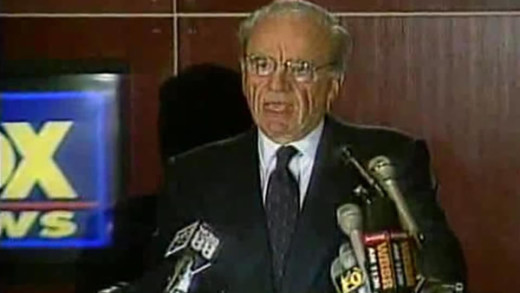 1:17:43
The global growth of Rupert Murdoch's media enterprise is cause for concern. The concentration of media ownership on a global scale in the hands of one man infringes on the freedom of the press by definition at the very least. But the real life example here is Fox News and it's own claim of being "Fair and Balanced" -- one only has to look at the coverage of the invasion of Iraq for example, or "commentators" such as Bill O'Reilly or Sean Hannity and the interactions they have with their "guests"; the vast political connections between Fox News, the Whitehouse and the Pentagon propaganda unit; the suppressed news stories, the censorship, the manipulation and control over the "news" by Murdoch and the president Roger Ailes themselves, not to mention the control over reporters, with former journalists alleging that Fox News asked them to lie and when they refused they were fired. Even lawsuits entailed from this with the court ruling that it is not against the law to lie on a news program...