 1:36:16
Trashed
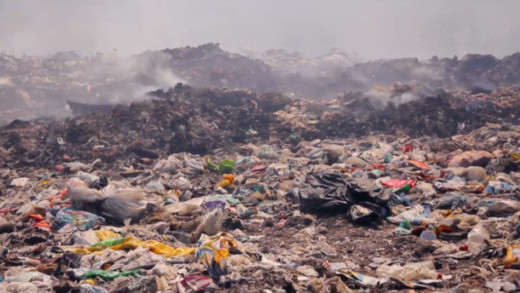
Trashed sets out to discover the extent and effects of garbage on the natural world. The film travels to beautiful destinations now tainted by pollution, through conversations with scientists, politicians, and people whose health and livelihoods have been fundamentally effected by waste. We see unfettered garbage dumping in Lebanon effecting its own coastline, but also the entire Mediterranean sea; toxic waste mounds set near a school and a future hospital in England; garbage incinerators in Iceland and Japan; the effects of plastic, microplastics, chemical sludge, flame retardants, pesticides, herbicides, dioxins, and other chemicals from waste and their synergistic impacts the world over. Trashed is a call for urgent action to resolve the issue of existing waste, to drastically reduce consumption and output to significantly less harmful levels, while demonstrating how this is already being reached for in many communities around the world.
 25:27
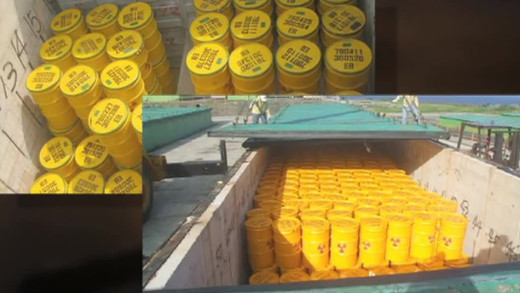
25:27Just along the fault lines of the Pacific Rim of Fire from Japan, lies Taiwan--another heavily industrialised, modern economy highly reliant on nuclear power. Ninety percent of the world's earthquakes occur along the Rim of Fire, so no wonder there are worries about a fourth nuclear plant being built there. The government of Taiwan is promising to hold a referendum on its future, but if the reactor doesn't go ahead the country's nuclear strategy is in question, along with the $9 billion already spent on the plant. And the state-owned power company, Taipower, would face bankruptcy, leaving no one to manage Taiwan's nuclear waste. The waste currently sits across the water on the tiny Orchid Island, quickly corroding and risking potential disaster for the native Tao inhabitants. As fears grow, can we learn from Fukushima before it's too late?
 1:08:17
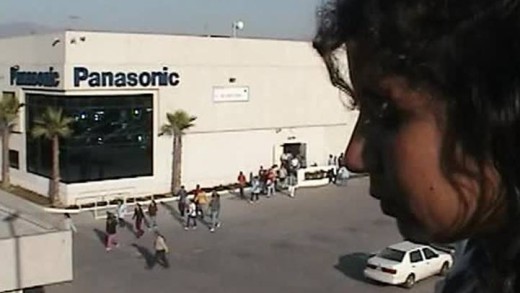
In Mexico, 'maquiladoras' is a word used to describe the sort of factories that have become commonplace with globalisation—mass assembly and manufacturing plants primarily staffed by women for low wage and long hours in unsafe and toxic conditions. Tijuana has attracted so many such factories that it has gained the nickname Maquilapolis. Delving into the landscape of this, this film asks the question: What is the human price of globalisation? Maquilapolis brings American and Mexican-American filmmakers together with Tijuana factory workers and community organisers to answer that question and tell the story of globalisation through the eyes and voices of the workers themselves. The result is a film to inform and inspire, as each day the workers confront labor violations, environmental devastation and urban chaos...
 1:15:10
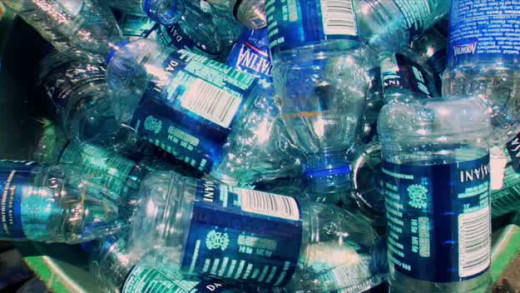
Tapped shows the hidden affects of the bottled water industry by documenting the impacts to the environment from plastic bottles, pollution from production, right down to the impact on the communities, land and people from which the water is taken...
 57:14
57:14Ecocide
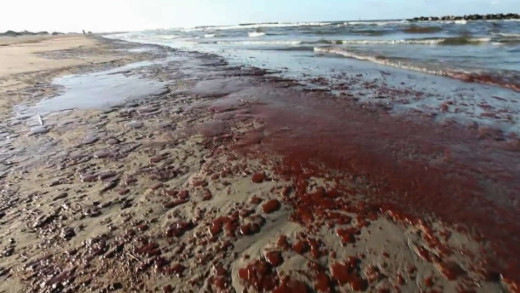
On April 20th 2010, a massive oil rig exploded in the Gulf of Mexico. It was called the Deepwater Horizon rig, operated by the BP corporation. The resulting fire claimed the lives of eleven workers, while the exploding oil well spewed over 4.2 million barrels of oil into the sea over 82 straight days, killing the ocean and millions of animals. The disaster is considered the worst environmental catastrophe in the history of the United States. Ecocide profiles the disaster through the residents of Grand Isle, the last inhabited barrier island off the coast of Louisiana, United States, who thought they were living in paradise until the BP oil explosion hit their shores. Through the lived experiences of this island community, we see the devastating repercussions of the explosion, several years later, that continue to this day.
 27:01
27:01Ever since three reactors went into meltdown at the Fukushima Daiichi Nuclear Power Plant in 2011; a broad, disparate, anti-nuclear movement is growing in Japan. Nowhere is that more apparent, perhaps, than in Fukushima prefecture, where a group of local women boldly protest the deafening silence of the Japanese government over the worst nuclear accident of this century. Largely ignored by their own media, these brave women brush aside cultural shyness and share their honest views on the state of the cleanup, the cover-ups, the untruths and the stagnant political climate in today’s Japan...
 23:03
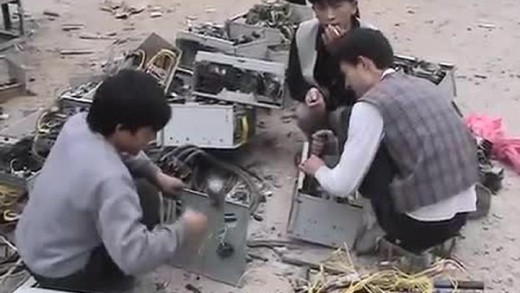
23:03This short film, put together by activists, documents the extreme proliferation of e-waste throughout Asia. The effects of the waste is catastrophic, as computers and electronics contain some of the most hazardous materials—cadmium, barium, plastics, mercury, lead, Brominated Flame Retardants and dioxins. Working at the nexus of human rights and environment, this film confronts the issues of environmental justice at a macro level, by provoking the need to stop this trade and address the issues. With over 80% of e-waste coming from the United States alone being exported throughout Asia, the problem is only to increase unless things change, especially in the age of planned obsolescence and consumer 'upgrades.'
 1:26:15
From styrofoam cups to artificial organs, plastic is perhaps the most ubiquitous and versatile material ever invented -- no product in the past 100 years has had more a profound influence and presence than synthetics. But such 'progress' has a cost -- no ecosystem or segment of human activity has escaped the strangling grasp of plastic. Addicted To Plastic investigates what we really know--and don't know--about this material. Talking to manufacturers, recyclers, cleaners, scientists and others, Addicted To Plastic shows plastic's toxic legacy and devastating ecological impact, provoking serious questions about health, food and the environment...
 56:45
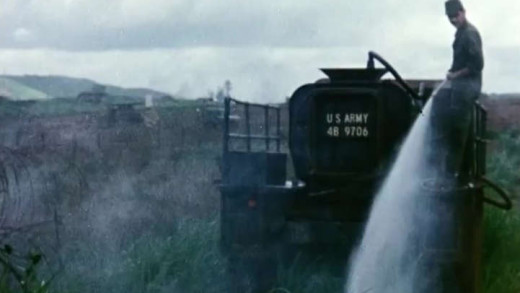
56:45Vietnam: The Secret Agent is an investigation of the history, effects, and implications of the deadly compound "2,4,5-T," a main ingredient of the chemical weapon code-named Agent Orange, which the United States sprayed throughout Vietnam during 1961 to 1971. Its toxicological effects are still seen today, generations later: cancers, birth defects, physical deformities, deaths, contaminated soil in which dioxins bio-accumulate and concentrate in the food cycle. The chemical started as a herbicide in agriculture from the 1940s to 1970s, but was the first to be used in war, to similar effect. The film focuses on the exposure of these toxins to both citizens and soldiers alike, exposed through the lens of archival and battle-field footage, in support of interviews with veterans, scientists, attorneys and representatives of Dow Chemical--the company that made the chemical weapons--and the United States government, that used them against the world.
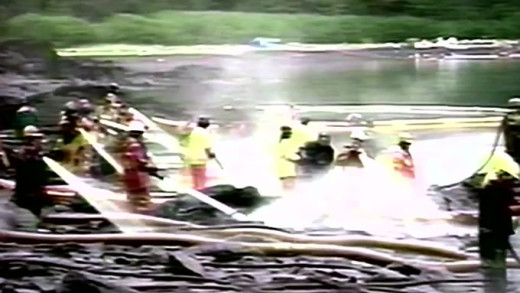
Stop the Flows is a media project in progress to document resistance movements around the world that are working towards stopping the flows of oil and gas, minerals and other natural 'resource' extraction from within their communities, territories and landbases; as well as stopping the flow of the tremendous amounts of wealth generated from these destructive activities. This series aims to support and capture the many forms of organising, direct-action, protest and resistance movements throughout the world working to end mining, the oil economy, nuclear power and more...
 24:41
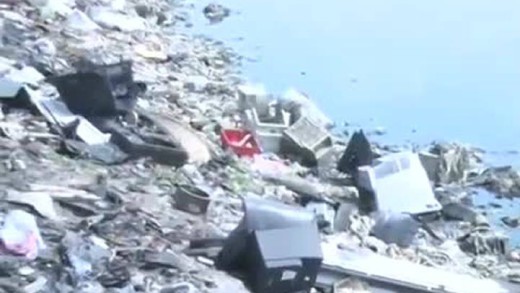
24:41e-Waste is a short film that investigates the grave effects that technological waste has on the environment in Ghana, and the impact it has on the lives of those who are forced to work with such hazardous materials in order to survive.
 1:27:51
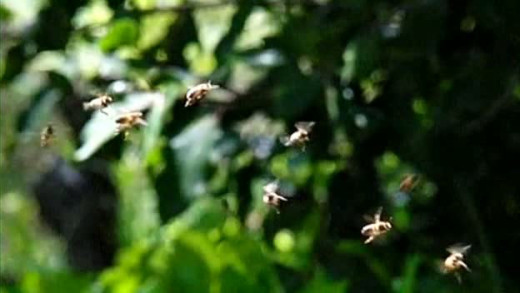
Bees have been mysteriously disappearing, literally vanishing from their hives. Known as 'Colony Collapse', the phenomenon has brought the commercial food industry to crisis. Commercial honeybee operations pollinate monocrops that make up one out of every three bites of food in the western world. Vanishing Of The Bees follows beekeepers David Hackenberg and Dave Mendes as they strive to keep their bees healthy and fulfil pollination contracts across the United States; examining the alarming disappearance of honeybees and the greater meaning it holds about the relationship between industrial culture and ecology...
 48:03
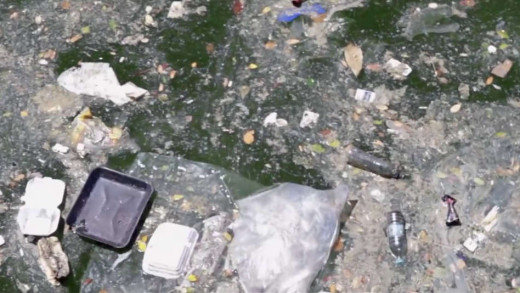
48:03Plasticized follows an ocean journey with the 5 Gyres Institute, a non-profit organisation that focuses on reducing plastics pollution through research. The expedition was the first scientific journey looking at plastic waste across the South Atlantic Ocean. The film takes a look at one of the institute's global missions: studying the effects, reality and scale of plastic pollution around the world. The boat skims the surface of the ocean by trawling, in order to examine the toxic effects of plastic pieces to tissues of marine life. Many tiny bits of plastic are found contaminating the waters, and they're sometimes not seen because the rough waters push them down. Every few kilometres, one teaspoon of plastic is collected. This may not seem like much, but this amount adds up substantially, considering that the ocean is vast and covers two-thirds of the planet.
 1:30:57
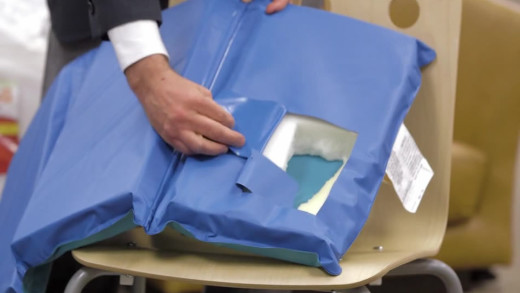
Chemical flame retardants are everywhere--in our furniture, our homes, our bodies. But do they work as promised? And are they making us sick? The three chemical companies producing flame retardants would prefer that we not ask these questions, and they've spent millions of dollars on lobbyists, publicists and influencers to ensure that we don't. Toxic Hot Seat wades through the mess to piece together an intricate story of manipulation that details how Big Tobacco skillfully convinced fire safety officials to back a standard that, in effect, requires all furniture to be filled with toxic chemicals...
 16:03
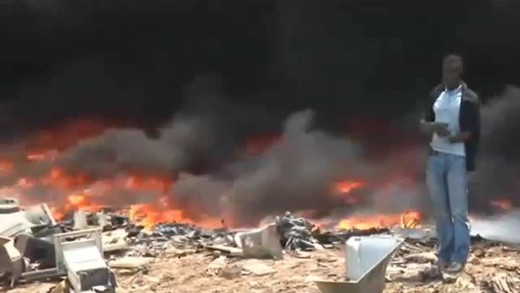
16:03For years now, the global economy has been exporting most of its wastes and dirty industries to the so-called third world. With this era of proliferation of technology and planned obsolescence, it's no surprise that e-waste has taken over in these places too. Though while corporations claim that used TVs and computers are being safely recycled in Australia, the reality on the ground throughout Africa shows a very different story. This film travels to Ghana to see that a staggering amount of the world's e-waste is ending up being burnt in open dumps with severe consequences. The waste creates an escalating and accumulating environmental and health nightmare. But not only this, the arrival of the waste in the first place breaks a myriad of laws and conventions that are supposed to be in place. e-Waste Hell documents this stark reality...