 1:57:32
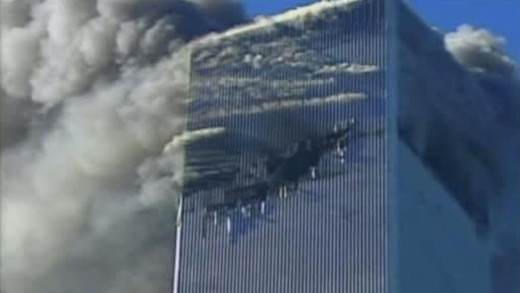
9/11 -- Birth Of Treason provides an analysis of the attacks of September 11 2001. Amongst interviews and exchanges, Steven Jones and Kevin Ryan of Scholars for 9/11 Truth and Justice speak about their research. Examined is the phenomenon of the freefall-speed collapse of the towers and building 7, and Steven Jones' research into Thermite/Thermate explosives...
 37:38
37:38The average child in the United States spends 40+ hours per week consuming media—the equivalent of a full-time job. This means that by the time children born today turn 30, they will have spent an entire decade of their lives in front of a screen. Remote Control examines the implications of this unprecedented level of exposure by showing the media habits of two families and supplementing their personal insights with interviews from media experts and educators. Revealed is the centrality of media in our lives and far-reaching effects that we are only beginning to understand, as well as ways we might begin to help our children live a life instead of watching one.
 1:31:07
What Would Jesus Buy is an examination of consumerism with a specific focus on Christmas in America. The film follows culture jamming outfit 'Reverend Billy' from the Church of Stop Shopping and the gospel choir which embark on a cross-country mission to "save Christmas from the Shopocalypse". Also discussed on the way are related issues such as the role sweatshops play in America's 'Big-Box' shopping culture. From the humble beginnings of preaching at his portable pulpit on New York City subways, to having a 'congregation' of thousands, Bill Talen (Rev. Billy) has inspired not just a 'church', but a national culture jamming movement...
 1:34:54
The Big Sellout reveals the reality of privatisation and globalisation by examining the corporate takeover of basic public services throughout the world, such as water supply, electricity, public transportation, and public health care. In South America, Asia, Africa, but also in Europe and the United States, filmmaker Florian Opitz talks to the architects of the new economic world order, as well as to ordinary people who have to deal with the real direct effects. The result is a tapestry of narratives the world over that show where the dogma of privatisation cames from, who profits from it, what societies lose, and why resistance is so important.
 45:11
45:11Demand
Demand investigates the commercial sex trade, across four countries: The United States, Netherlands, Japan, and Jamaica. The film reveals a harrowing first-hand account of the impact of soaring consumer demand for vulnerable women and children, to be victimised in sex trafficking markets. By exploring the entrenched connections of pornography, to widespread sexual assault, to a pervasive globalised human trafficking market, Demand questions the conditions that keep the inertia of the commercial sex trade roaring across the globe...
 1:08:29
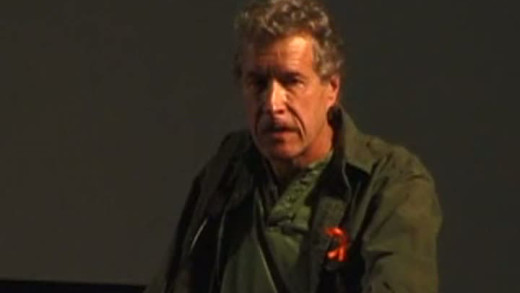
Confessions of an Economic Hit Man is a presentation by John Perkins, based on the book by the same name published by him in 2004. Perkins describes the role: "Economic hit men are highly-paid professionals who cheat countries around the globe out of trillions of dollars. They funnel money from the World Bank, the US Agency for International Development (USAID), and other foreign "aid" organisations into the coffers of huge corporations and the pockets of a few wealthy families who control the planet's natural resources. Their tools included fraudulent financial reports, rigged elections, pay-offs, extortion, sex, and murder. They play a game as old as empire, but one that has taken on new and terrifying dimensions during this time of globalisation."
 51:54
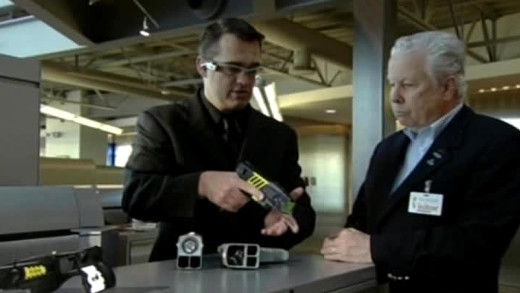
51:54The Invisible War documents the rapid militarisation of police in recent years by looking at the deployment of so-called 'non-lethal' weapons and the real effects of their use. Shotguns loaded with bean bags, rubber bullets, wood, rubber, and foam cylinders; electrical tasers; pepper sprays, OC-gas, and other chemical weapons; microwaves, stink bombs, pulsed energy weapons and many more. What is interesting is that, according to an overwhelming amount of recorded cases, these weapons have turned out to have caused many deaths and/or serious injuries, and are more often used on peaceful non-compliant citizens, or protesters, as a means of obedience rather than protection—invoking serious questions about the future of police and society.
 52:04
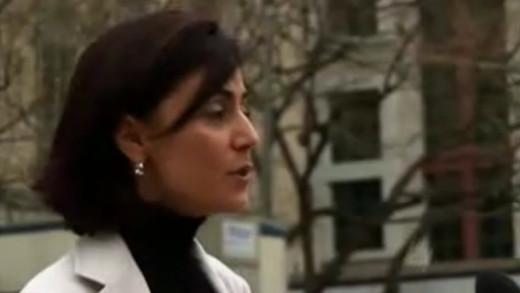
52:04In the wake of September 11, 2001, Sibel Edmonds is approached by the FBI. As an American of Iranian and Turkish origin, Edmonds' linguistic skill-set makes her a valuable asset to the Language Services Unit, where she spends months translating high-security clearance documents. One day shortly after reporting the possible infiltration of her unit by Turkish spies to her supervisors and their supervisors, Edmonds' world is turned upside-down. Instead of seeing her colleague become the target of an investigation, she is interrogated, then unceremoniously fired and warned not to pursue her claims any further as she would be watched and listened to. Kill The Messenger documents both Edmonds' personal struggle to expose the criminality uncovered while at the FBI, and also the September 11 tied 'secret' itself--the network of nuclear black-market, narcotics and illegal arms trafficking activities.
 54:55
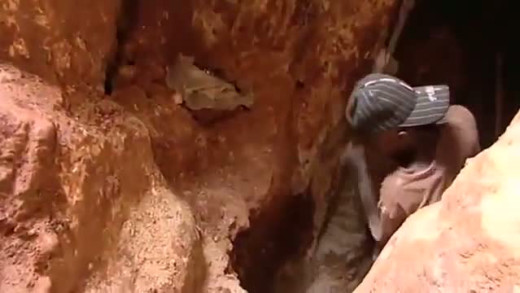
54:55Blood Coltan travels to eastern Congo, where a bloody war is happening over a precious metal called Coltan—a raw material used in electronic devices such as computers, televisions and mobile phones. The demand for Coltan is driven by the west, funding the war in Congo between rebel militias and children as young as ten who work the mines hunting for this precious material of the technocratic age...
 50:30
50:30For many years now the American foreign policy has been characterized by the strong tie between the United States and Israel. Does the United States in fact keep Israel on its feet? And how long will it continue to do so?
 14:04
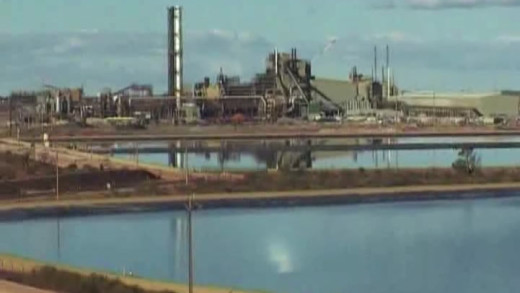
14:04Atomic Footprints uses archival footage and new material from the outback of Australia to examine the nuclear fuel chain, and the current push to expand uranium mines throughout Australia. This film speaks with local indigenous communities about the impact of already-existing uranium mining and refinement, and shows in clear examples some of the reasons why we should continue to oppose it around the world.
 56:24
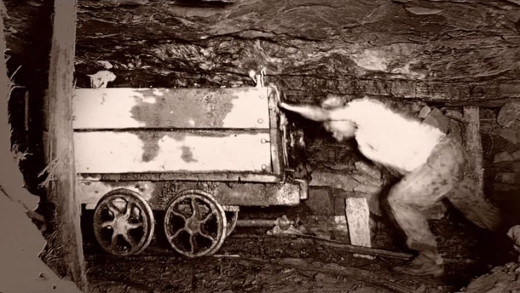
56:24In 1929, in the face of collapsing demand for coal and a deepening economic crisis, mine owners in the Hunter Valley of New South Wales, Australia; announced, with the support of government, that they would cut miners' wages and strip them of their workers rights. When the workers refused to agree to these terms the mine owners locked the gates. 10,000 miners, pit boys and their families now found themselves without a job. What began as an dispute about industrial labour ended up overpowering a government, crippling an industry and besieging a community. This event challenged the rights of every Australian worker, and redefined the political and industrial landscape of a country that witnessed an event forever remembered as 'The Great Australian Lockout.'
 53:12
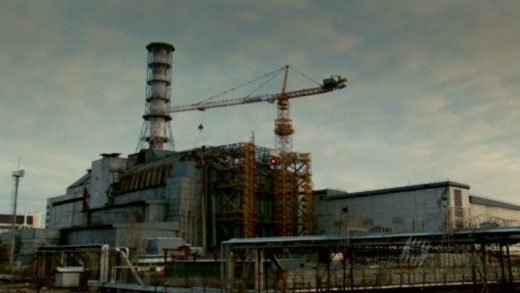
53:12The Nuclear Comeback embarks on a tour of the nuclear industry, documenting some of the most 'famous' nuclear facilities worldwide -- the control room of the Chernobyl nuclear power plant, the UK's Calder Hall, a nuclear waste repository under the Baltic Sea, the Ranger uranium mine in Australia, and one of only two nuclear waste "recycling plants" in the world. In addition of the links to nuclear weapons, the nuclear industry has a reputation for accidents and cover-ups. What are the 'risks'? What to do with the 100,000+ year legacy of dangerous radioactive waste? Is this insane?
 1:18:10
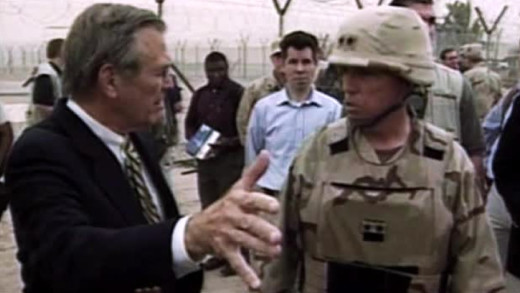
Ghosts of Abu Ghraib examines the sexual abuse, torture, rape, and murder of detainees at Abu Ghraib prison at the hands of US military police in the fall of 2003. The film shows how the abuse was systemic of the military-intelligence complex, flawing the "bad apples" theory that was sprouted through the media at the time. By making reference to Stanley Milgrim's obedience experiments of the 1960s, the film asks: How can ordinary people take these actions? And what orders came from the chain of command?
The Trap
If one steps back and looks at what freedom actually means in the West today, it's a strange and limited kind of freedom. The United States and its empire self-describe fighting the Cold War for "individual freedom," yet it is still something that the leaders of our so-called democracies continually promise to give us. Abroad, in Iraq and Afghanistan, the attempt to force "freedom" on to other people has led to more than just bloody mayhem, and this, in turn, has helped inspire terrorist attacks in Britain and elsewhere. In response, the government has dismantled long-standing laws that were designed to protect individual freedom and civil liberties.
 43:46
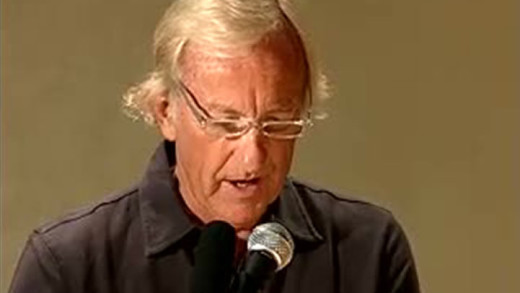
43:46Australian journalist, author and film maker John Pilger speaks about global media consolidation, war by journalism, the US military and its quest for domination/hegemony in the post 9-11 era and the false history that is presented in the guise of 'objective' journalism...
 1:37:17
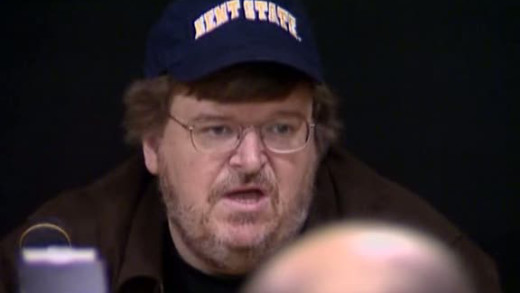
To the movie-going public, Michael Moore is known as a corporate big-wig buster and perhaps the mainstream media's most vocal opponent of the Republican Party. But what happens when the hunter becomes the hunted? In this film, Canadian creators Debbie Melnyk and Rick Caine find out first hand. While originally intending to create a biography of Moore stemming from their own great admiration for his work, the creators find that they have become disenchanted with many of Michael Moore's 'tactics' and the story takes an interesting twist...
 35:26
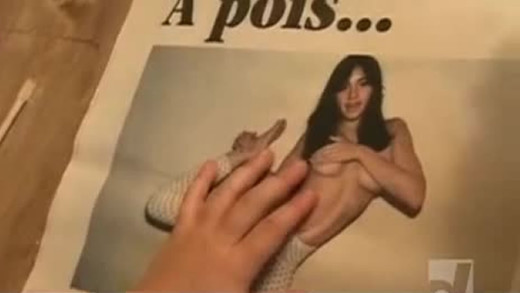
35:26Sexy Inc. analyses the hyper-sexualisation of today's media environment and its noxious effects on young people. Psychologists, teachers and school nurses criticise the unhealthy culture surrounding our children, where marketing and advertising are targeting younger and younger audiences and bombarding them with sexual images...
 1:32:33
A Little Bit of So Much Truth captures a broad-based popular uprising in the southern Mexican state of Oaxaca in 2006 where tens of thousands of school teachers, housewives, indigenous communities, health workers, farmers and students took 14 radio stations and one TV station into their own hands—using them to organise, mobilise, and defend the fight for social, cultural, and economic justice.
 1:29:20
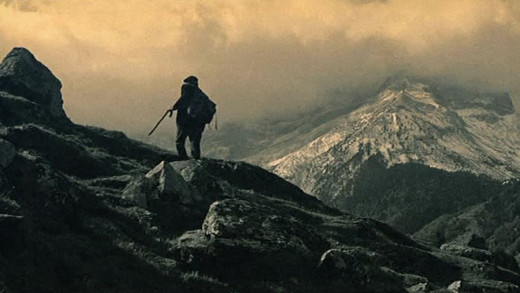
There are plenty of anarchists in the world. Many have committed robbery or smuggling for their cause. Fewer have discussed strategies with Che Guevara or saved the skin of Eldridge Cleaver, the leader of the Black Panthers. There is only one who has done all that, and also brought to its knees the most powerful bank in the world by forging travellers cheques, without missing a single day of work bricklaying. He is Lucio Urtubia from a tiny village in Navarra in North of Spain. Lucio, 75, now lives in Paris, still doing valued political work. Lucio has been protagonist and witness to many of the historic events of the second half of the 20th century. His family was persecuted by Franco's regime; he was on the streets of Paris for the phenomenon of May of 1968; he actively supported Castro's revolution; and helped thousands of exiled people by providing false documents to them. But without a doubt, his greatest triumph came in the second half of the 1970s where he swindled 25 million dollars from the First National Bank--or Citibank--to later invest the money in causes he believed in.
 1;22:41
As an exposé of human trafficking, Very Young Girls follows a group of adolescent African-American girls who were seduced, abused and sold on New York's streets by pimps, having survived the life to share their story. Each recount their experiences, captured alongside startling footage shot by the brazen pimps themselves, giving a rare glimpse into how the cycle of street life begins for many women. Following the work of Rachel Lloyd and the journey each go through to exit their life on the streets, Very Young Girls portrays first-hand the occurrences of human trafficking throughout the United States.
 52:23
52:23In 1998, university professor Kembrew McLeod successfully trademarked the phrase "freedom of expression" as an experiment of startling comment on the way that intellectual property law restricts creativity and expression of ideas. This film explores the battles being waged in courts, classrooms, museums, film studios, and the Internet over control of cultural commons. Based on McLeod's book of the same title, Freedom of Expression charts the many successful attempts to push back this assault by overzealous copyright holders.
 1:30:07
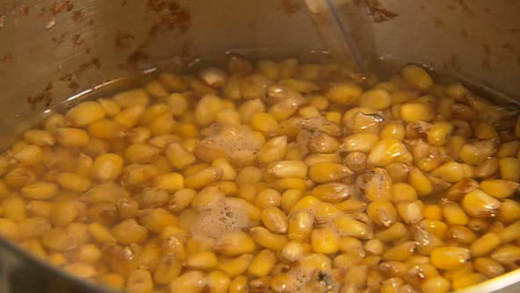
King Corn follows two college friends curious about the food system, as they decide to have a shot at farming an acre of corn. In the process, the two examine the role that the increasing production of corn has had across not only on the concepts of industrial food, but the health of the land, the health of the environment, and the health of people. The film spotlights the role of government subsidies which make huge monocrops of corn possible, which itself has—as industrial agriculture—a catastrophic ecological impact, but in-turn drives factory-farming of animals and other atrocities such as the production of high-fructose corn syrup which is saturated throughout industrial food, not least, fast-food. We see how this industrialisation has eliminated the family farm and local food production—things which are increasingly impossible in this brutal arrangement of corporate power.
 44:43
44:43Steal This Film
Presenting accounts from prominent players such as The Pirate Bay, Piratbyrn, and the Pirate Party in the Swedish piracy culture, Steal This Film documents the movement against intellectual property. In particular, the film provides critical analysis of the alleged regulatory capture attempt performed by the Hollywood film lobby to leverage economic sanctions by the United States government on Sweden through the WTO...
 1:42:35
This film explores the life of Irish Catholic priest Oliver O'Grady, who admitted to having molested and raped approximately 25 children in Northern California from the late 1970s through the early 1990s. The film chronicles O'Grady's years as a priest in Northern California, where he committed his crimes. After being convicted of child molestation in 1993 and serving seven years in prison, he was deported to his native Ireland, where filmmaker Amy Berg interviewed him in 2005. The film presents trial documents, videotaped depositions with O'Grady and other members of the Los Angeles religious authorities, alongside interviews with survivors of O'Grady's abuse, activists, theologians, psychologists, and lawyers. Taken together, the material suggests that Church officials were aware of O'Grady's crimes many years before his conviction, but took steps to conceal them to protect him and the Church.
 1:08:17
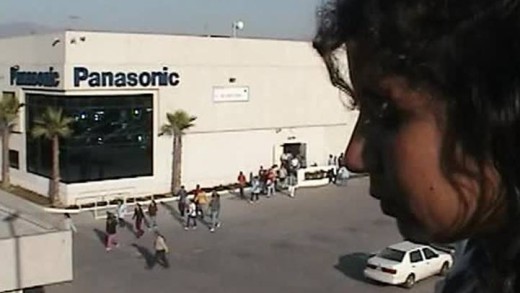
In Mexico, 'maquiladoras' is a word used to describe the sort of factories that have become commonplace with globalisation—mass assembly and manufacturing plants primarily staffed by women for low wage and long hours in unsafe and toxic conditions. Tijuana has attracted so many such factories that it has gained the nickname Maquilapolis. Delving into the landscape of this, this film asks the question: What is the human price of globalisation? Maquilapolis brings American and Mexican-American filmmakers together with Tijuana factory workers and community organisers to answer that question and tell the story of globalisation through the eyes and voices of the workers themselves. The result is a film to inform and inspire, as each day the workers confront labor violations, environmental devastation and urban chaos...
 1:03:49
We
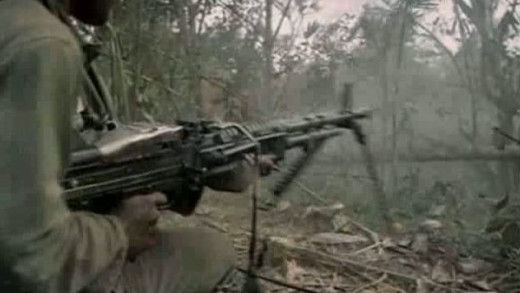
We is a visual essay exploring the politics of empire, war, corporate globalisation, imperialism and history; using the words of Indian author and political activist Arundhati Roy, from her speech Come September given in Santa Fe, New Mexico one year after the September 11th attacks--not long after the invasion of Afghanistan. The result is a mix of archive footage illustrating specific historical events throughout South America, the Middle East and elsewhere, in context with the September 11th attacks; placed alongside the themes of empire, global economics and a short history of neo-collonialism...
 47:08
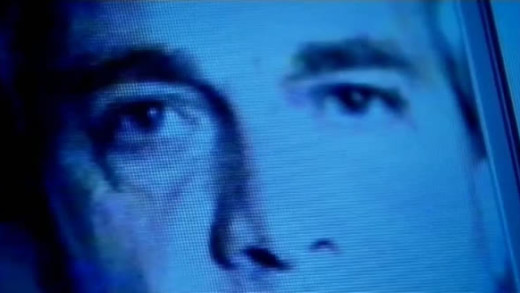
47:08New surveillance technologies are penetrating every aspect of our lives and we don’t even know it. All across the world, millions of cameras are watching us. The police are able to record almost every journey and operate on ever expanding powers of search and arrest; governments collect our DNA, fingerprints and iris scans while colluding with corporations to profile us and analyse our behaviour. All of these measures, it is said by the state, is to protect our freedom...