 57:10
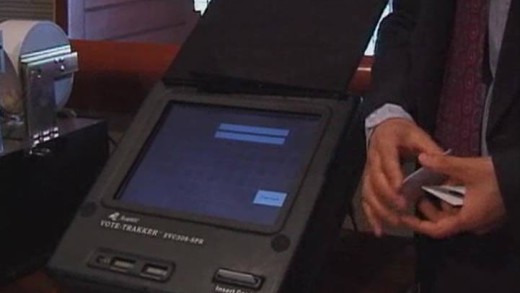
57:10Unprecedented looks at voting irregularities in the controversial presidential election in the United States from the year 2000. With a focus on the swing state of Florida, the recount, the ensuing supreme court decision in December, and future elections; the film also shows how fundamentally, many people--the majority being African-American--have outright been refused the ability to vote by a clever mix of legalese, electronic voting machines, political maneuvering and simple racism. A 1868 law prevented felons from voting--originally crafted to keep blacks from the polls in the wake of the Civil War--was resurrected in 2000, used to create a computerised list of people supposedly illegible to vote. The list had weird parameters and included as many as 57,000 to 91,000 non-felons; overwhelmingly targeting people of colour. On election day, these people were turned away at the polls. The role of electronic voting machines is also examined, as they are totally unaccountable and do not allow audits. The argument is made because of copyright over the software and trademarks. The machines also do not give paper receipts, so there is no physical evidence in case of the need for a recount. How does the United States--the so-called and self-proclaimed world-famous democracy--fair as one in light of this?
 1:22:35
Police on Trial
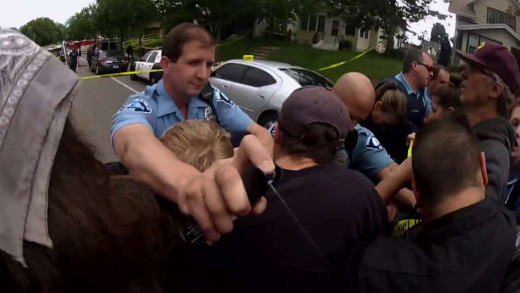
The murder of George Floyd by police officer Derek Chauvin on May 25, 2020, was arguably a pivotal event in the history of race and policing in the United States. Police on Trial shows, Chauvin’s encounter with Floyd was not the first time the Minneapolis police officer used excessive force on a Black citizen. Nor was it the first time that questions were raised around the culture of the Minneapolis Police Department itself. The film draws on reporting from the Minneapolis Star Tribune, and features never-before-published police cam video of Derek Chauvin using excessive force years before George Floyd’s death, to document the trial and murder-conviction of Chauvin, and the various responses for police accountability and reform in Minneapolis.
 1:05:44
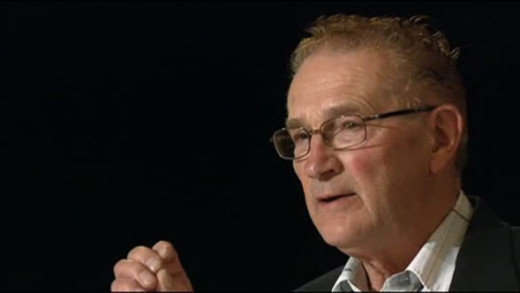
Imagine that a storm blows across your garden and that now, without your knowledge or consent, foreign and genetically-modified seeds are in your vegetable patch which you have nourished and maintained for over 50 years. A few days later, representatives of a large multi-national corporation secretly visit your home, only to return later and demand that you surrender all your vegetables and seeds. Then, they file a lawsuit against you for the illegal use of their patented and genetically-modified seeds that you never planted or used and, what's more, the court rules in favour of the corporation. Yet, you still fight back. This is the true story of Percy Schmeiser versus Monsanto.
 1:04:53
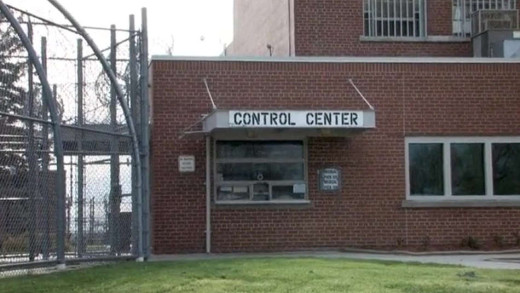
The number of women in prison in the United States has grown by over 800% in the past three decades. Two thirds are mothers and are incarcerated for non-violent offenses. More than 80% have been victims of domestic violence or sexual assault at some point in their lives. The Grey Area is a discussion of the complex factors behind these statistics, portraying an intimate look at women's issues from inside the criminal justice system. A small group of female inmates at a maximum women's security prison, share their diverse experiences with motherhood, drug addiction, sexual abuse, murder, and life in prison. The women explore the "grey area" that is often invisible within the prison walls and delve into issues of race, class, sexuality and gender.
 26:37
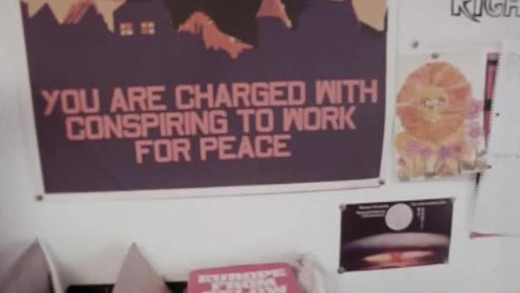
26:37A Nod And A Wink reviews the use of vague Conspiracy laws in Britain from 1975, laws which are much in the same as those used in police states such as Brazil and the Soviet Union to suppress political and moral dissent. This film raises and addresses the serious questions about the way the legal system works in Britain--and indeed elsewhere...
 1:39:57
13th
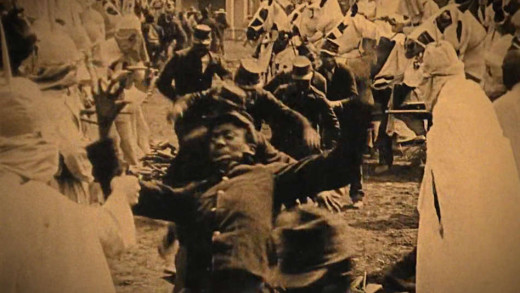
13th explores the intersection of race, justice, and mass incarceration in the United States, as titled after the Thirteenth Amendment to the United States Constitution, adopted in 1865, which purported to abolish slavery throughout the United States and end involuntary servitude except as a punishment for conviction of a crime. The film contends that slavery has been perpetuated since the end of the American Civil War through criminalising behaviour and enabling police to arrest poor enslaved people and force them to work for the state under convict leasing; suppression of African Americans by disenfranchisement, lynchings and Jim Crow; politicians declaring a war on drugs that weighs more heavily on minority communities and, by the late 20th century, mass incarceration of people of colour in the United States. 13th examines the prison-industrial complex and the emerging detention-industrial complex, discussing how much money is being made by corporations from mass incarcerations.
 53:16
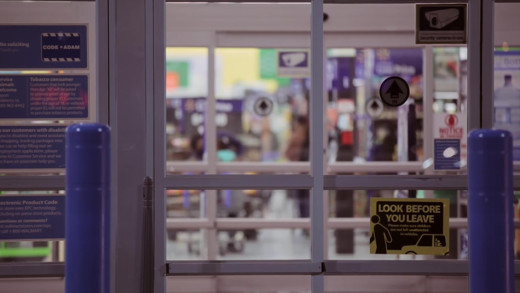
53:16Rape on the Night Shift is a harrowing investigation into the rampant sexual abuse of the many thousands of unseen women who clean the shopping centres, banks and offices of some of the largest companies throughout the United States. The cleaning companies and contractors themselves are some of the largest companies throughout the country and the world. This report follows a prior investigation about systemic abuse of migrant women working in America's fruit and vegetable fields, as well as packing plants and industry. Both set out to document the many aspects of a booming rape culture, driven in part by the synergy of a failure of criminal prosecutions, the legal system, a culture of pornography, the realities for migrant workers, and a perfect storm for human trafficking.
Ithaka
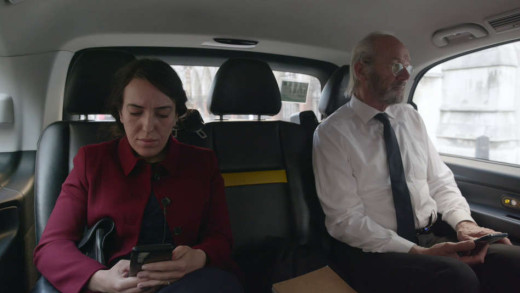
Ithaka depicts the incarceration of WikiLeaks founder Julian Assange through the experience of his wife Stella Assange and his father John Shipton. Julian Assange faces a 175-year sentence if extradited to the United States. His family members are confronting the prospect of losing Julian forever to the abyss of the justice system. This David-and-Goliath struggle is personal, and, with Julian's health declining in a British maximum-security prison, the clock is ticking. Through this behind-the-scenes view of the extradition hearing, the films grasp the personal cost paid by Julian and the true cost of truth.
 1:22:13
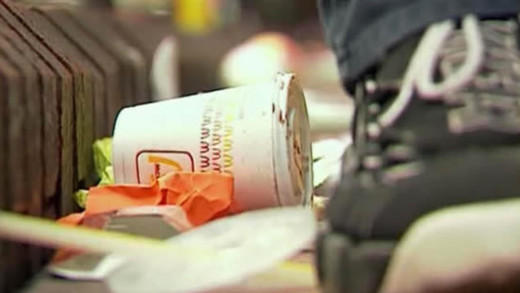
McLibel
McDonald's loved using the UK libel laws to suppress criticism. Major media organisations like the BBC and The Guardian crumbled and apologised. But then they sued environmental activists Helen Steel and Dave Morris. In what then became the longest trial in English legal history, McLibel documents the two activists who represent themselves against McDonald's £10 million legal team with the marathon battle finally concluding at the European Court of Human Rights. The result takes everyone by surprise -- especially the British Government...
 46:48
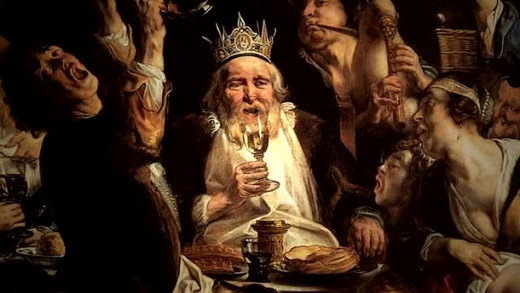
46:48For more than three decades, transnational corporations have been busy buying up what used to be thought of and known as unbuyable--forests, oceans, public broadcast airwaves, important intellectual and cultural works. Before their commodification, these commons were recognised as things in common to all people, for the benefit of all people. In This Land is Our Land, author David Bollier confronts the free-market extremism of our age to show how commercial interests have been undermining the public interest for years, and how it's become so normalised that we don't even notice it anymore. By revealing the commons within the tradition of community engagement and the free exchange of ideas and information, This Land is Our Land shows how a bold new international movement is trying to reclaim the commons for the public good by modelling practical alternatives to the restrictive monopoly powers of corporate elites.