 49:21
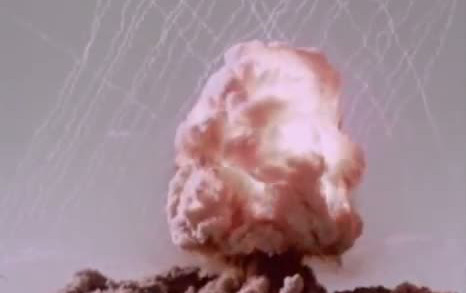
Atomic Confessions investigates the devastating effects of atomic weapons testing carried out in Australia by the British military during the 1950s. Members of the Australian Army, Air Force and Navy detail former top-secret aspects of the tests, while prominent Aboriginal Elders describe the real impacts on the ground. Using archival film and photographs, as well as eye witness accounts, Atomic Confessions chronicles the consequences of nuclear testing imposed on the Australian people, and the land, showing that these tests are not just skeletons of the past...
 1:52:35
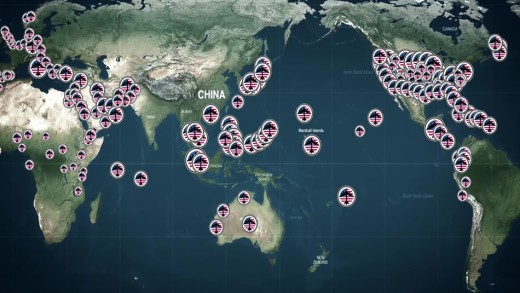
The Coming War on China is a warning that nuclear war is not only imaginable, but a 'contingency,' says the Pentagon. The greatest build-up of NATO military forces since the Second World War is under way on the western borders of Russia, and some 400 American military bases encircle China with missiles, bombers, warships and nuclear weapons. But these happenings are of course not reported as United States antagonism. Instead, there is a familiar drumbeat of war, the kind of the old "yellow peril," a restoration of the psychology of fear that embedded public consciousness for most of the 20th century. The aim of this film is to break the silence, and as the centenaries of the First World War presently remind us, horrific conflict can begin all too easily. By recounting the secret and forgotten history of the rapacious actions of great power against China throughout the decades, such as the destruction of the Marshall Islands and the Opium wars, The Coming War on China is also a report of an inspiring popular resistance to nuclear weapons, military bases and warmongering of the United States, of which little is known in the West.
 1:19:03
When the United States devastated Hiroshima and Nagasaki with nuclear weapons in 1945, the bombs dropped were code-named 'Fat Man' and 'Little Boy' -- as part of the new propaganda campaign to create acceptable images of war, propagating the illusion that the world should live securely with nuclear weapons, and that it is the only way to 'enable peace'. By using reassuring and even soothing language, this new kind of propaganda spread all over the world...
 54:23
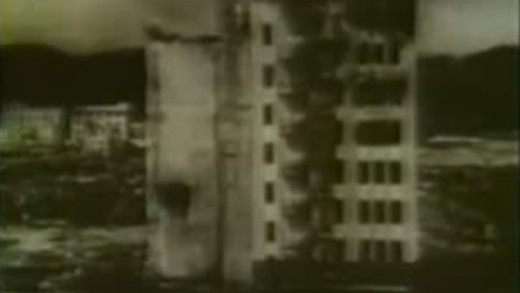
Agent Orange was the codename for one of the herbicides and defoliants used by the United States military as part of its chemical warfare program--Operation Ranch Hand--which ran for ten years during the Vietnam War from 1961 to 1971. During this time, the military sprayed nearly 80,000,000 litres of toxic chemical and defoliants mixed with jet fuel in Vietnam, eastern Laos and parts of Cambodia. The supposed goal being to destroy forested and rural land, depriving guerrillas of cover and to induce forced-draft-urbanisation, destroying the ability of peasants to support themselves, forcing them to flee to the cities dominated by US forces, depriving the guerrillas of their rural support base and food supply...
 1:36:21
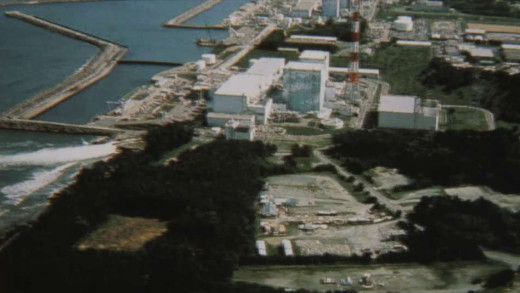
On 11th March 2011, a huge tsunami, triggered by an 8.9 magnitude earthquake, hits Japan. It cripples the Fukushima Daiichi nuclear power plant, releasing radiation, and turning the residents of Futaba into nuclear refugees. The devastation experienced by the town--dead livestock, crops abandoned, homes destroyed--was infinitely worse than anything reported by the newspapers. A year later, many refugees are still unable to return to homes that will be contaminated for many hundreds of years. The irony of this disaster occurring in a nation that experienced two nuclear bombs is not lost on the victims who poignantly question their responsibility for striking a Faustian bargain with nuclear power. Nuclear Nation examines the tragedy of Fukushima, and also whether it could one day be replicated on a grand scale.
 48:00
Uranium
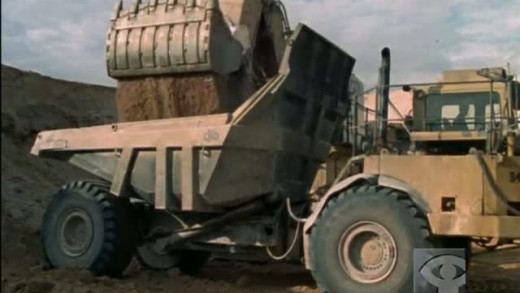
Focusing specifically on mines in Canada, Uranium examines the hazards of uranium mining, the toxic and radioactive waste involved at every stage of the process, as well as the wholistic way that indigenous communities have been violated and destroyed by mining and refining practices throughout the country and the world...
 26:27
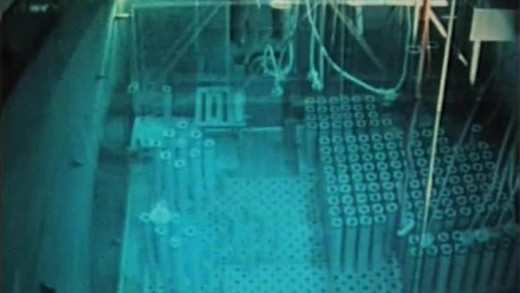
An Unjustifiable Risk investigates the many risks of plutonium usage in nuclear power generation and the use of fast-breeder reactors argued for the UK in the 1970s. The film turns to Hiroshima, Japan to illustrate the powerful destructive capacities of plutonium, feeding-back the personal experiences of those effected by nuclear weapons into the debate against nuclear power and its consequences...
 1:29:40
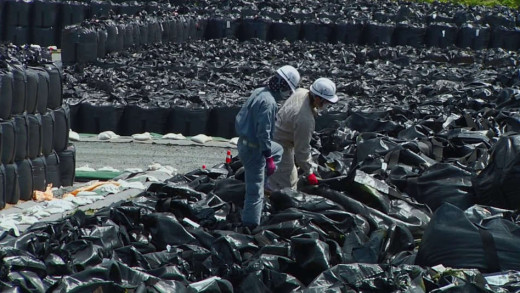
Nuclear Nation II is Atsushi Funahashi's sequel, documenting the consequences of the March 2011 nuclear disaster at the Fukushima Daiichi Nuclear Power Plant in Ōkuma, Japan. In this follow-up, we learn that the former mayor--previously a fervent advocate of nuclear energy and now a passionate fighter for the victims of the catastrophe--has now been replaced by someone younger. The single-minded cattle breeder also makes another appearance, originally having resisted the government's orders to evacuate the disaster zone and kill his livestock. Today, a look at his animals lays bare the consequences of radioactive contamination: they all have ulcers and open wounds. It wasn't until late 2014 that the final people left the school building, but they're unlikely ever to be able to return to their homes. The epicentre of the catastrophe has been declared a toxic waste disposal site. The inhabitants of Futaba, to whom nuclear energy once brought affluence, are now paying the high price for it.
 53:12
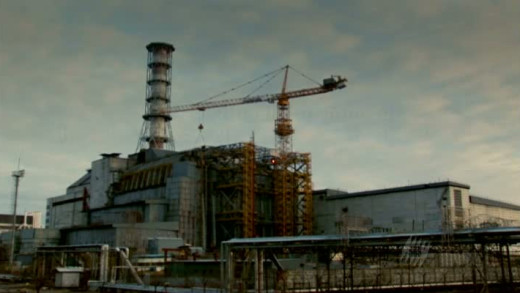
The Nuclear Comeback embarks on a tour of the nuclear industry, documenting some of the most 'famous' nuclear facilities worldwide -- the control room of the Chernobyl nuclear power plant, the UK's Calder Hall, a nuclear waste repository under the Baltic Sea, the Ranger uranium mine in Australia, and one of only two nuclear waste "recycling plants" in the world. In addition of the links to nuclear weapons, the nuclear industry has a reputation for accidents and cover-ups. What are the 'risks'? What to do with the 100,000+ year legacy of dangerous radioactive waste? Is this insane?
 26:50
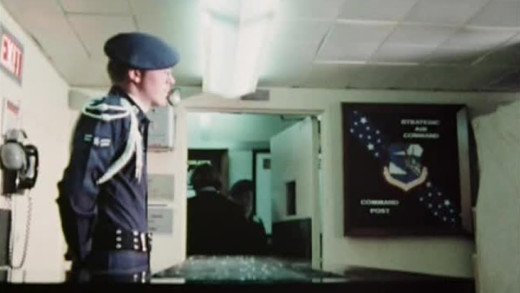
Mr Nixon's Secret Legacy covers the absurdity of the supposed logic behind "Mutual Assured Destruction" or MAD--a doctrine of military strategy and the national security policy of the United States during the cold war. During this time, MAD is supposedly disassembled, but replaced with a strategy called "Counterforce." This film investigates the propositions of "Counterforce," questioning the rhetoric of executing a "flexible, acceptable nuclear war."
 28:59
Deadly Deception juxtaposes General Electric's rosy "We Bring Good Things To Life" commercials with the true stories of its workers and neighbours whose lives have been devastated by the company's involvement in building nuclear bombs. It tells a powerful story of how activists can challenge corporations causing harm. Driven by personal testimony and painstaking research, the film exposes what GE never wanted its customers to know: a shocking pattern of negligence and misinformation spanning several decades. The tragic stories are answered by the inspiring activism of the GE Boycott, a grassroots campaign run by corporate accountability organisation, Corporate Accountability International, to pressure GE out of the nuclear weapons industry.
 38:36
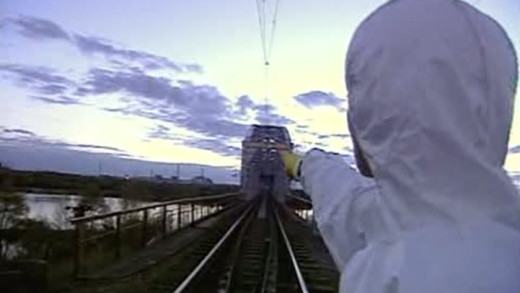
On April 26, 1986, the worst nuclear accident in history occurred when a reactor exploded at the Chernobyl nuclear power plant in Ukraine, releasing 90 times the radioactivity of the atomic bombs dropped on Hiroshima and Nagasaki. Sixteen years later, Chernobyl Heart travels to ground zero, following the devastating trail radiation leaves behind in hospitals, orphanages, mental asylums and evacuated villages. The film reveals those hardest hit by radiation, including thyroid cancer patients and children suffering from unfathomable congenital birth and heart defects, still decades later...
 25:27
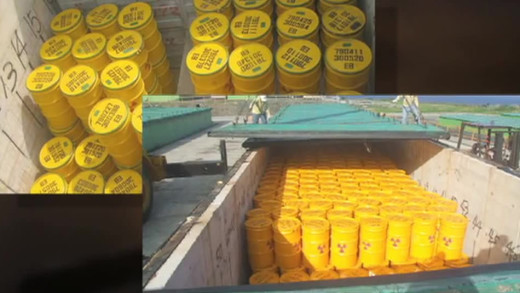
Just along the fault lines of the Pacific Rim of Fire from Japan, lies Taiwan--another heavily industrialised, modern economy highly reliant on nuclear power. Ninety percent of the world's earthquakes occur along the Rim of Fire, so no wonder there are worries about a fourth nuclear plant being built there. The government of Taiwan is promising to hold a referendum on its future, but if the reactor doesn't go ahead the country's nuclear strategy is in question, along with the $9 billion already spent on the plant. And the state-owned power company, Taipower, would face bankruptcy, leaving no one to manage Taiwan's nuclear waste. The waste currently sits across the water on the tiny Orchid Island, quickly corroding and risking potential disaster for the native Tao inhabitants. As fears grow, can we learn from Fukushima before it's too late?
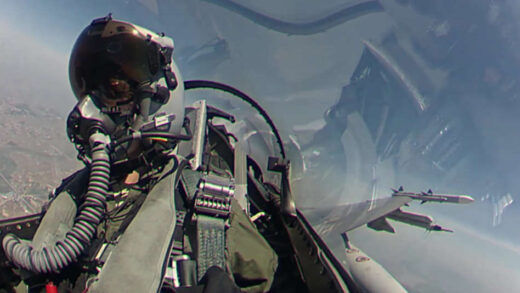
From the Cold War to COVID, While the Rest of Us Die is an exploration of the history of the United States government's doomsday plans, called the Continuity of Government (COG). The series explores various national security spending on hidden underground cities, a secret air force, and several layered structural plans to suspend various democratic systems in order to serve the interests of the elite class--all without the knowledge of the public. It's origins stretch back to the 1950s with the prospect of nuclear strikes during the Cold War, but have secretly and significantly expanded in the proceeding decades.
 1:32:58
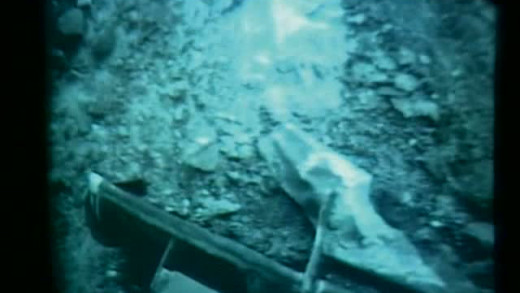
The Battle Of Chernobyl recounts the most significant and catastrophic nuclear explosion in history -- an incident that was kept secret for twenty years by the Soviet Union and United States alike. More than 200 people died or were seriously injured by radiation exposure immediately after the explosion and many generations later, the impacts are still felt in cancers, birth defects and toxic ecology, with millions of people still suffering from radiation related health problems such as leukaemia and thyroid cancer...
 27:01
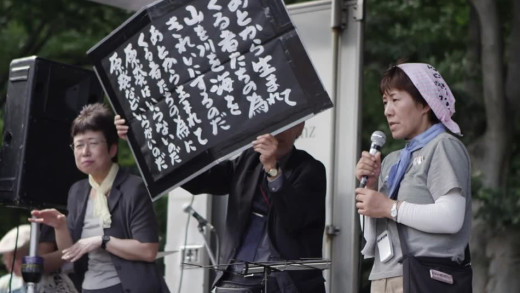
Ever since three reactors went into meltdown at the Fukushima Daiichi Nuclear Power Plant in 2011; a broad, disparate, anti-nuclear movement is growing in Japan. Nowhere is that more apparent, perhaps, than in Fukushima prefecture, where a group of local women boldly protest the deafening silence of the Japanese government over the worst nuclear accident of this century. Largely ignored by their own media, these brave women brush aside cultural shyness and share their honest views on the state of the cleanup, the cover-ups, the untruths and the stagnant political climate in today’s Japan...
 52:04
Inside Japan's Nuclear Meldown is an account of the crisis inside the Fukushima Daiichi nuclear plant after a huge earthquake and tsunami struck Japan on March 11, 2011. With exclusive eyewitness testimony from key figures in the saga--including the Japanese prime minister and senior executives at the power company TEPCO--the film tells the story of the workers struggling frantically to reconnect power inside the plant's pitch-dark and highly radioactive reactor buildings; the nuclear experts and officials in the prime minister’s office fighting to get information as the crisis spiralled out of control; and the plant manager who disobeyed his executives' orders when he thought it would save the lives of his workers.
 1:25:20
60 years after the United States dropped nuclear weapons on Hiroshima and Nagasaki in Japan, the events are still espoused with denial and myth in histories taught by the west. White Light, Black Rain breaks this acquiescence and accounts the bombings from the point of view of the people who were there, speaking with survivors of the attacks and four American military men that were intimately involved in dropping the bombs. The film intimately details the human costs of warfare and stands as a powerful warning that with enough present-day nuclear weapons worldwide to equal 400,000 Hiroshimas, we cannot afford to forget what really happened with these events.
Stop the Flows is a media project in progress to document resistance movements around the world that are working towards stopping the flows of oil and gas, minerals and other natural 'resource' extraction from within their communities, territories and landbases; as well as stopping the flow of the tremendous amounts of wealth generated from these destructive activities. This series aims to support and capture the many forms of organising, direct-action, protest and resistance movements throughout the world working to end mining, the oil economy, nuclear power and more...
 50:53
How does one sell a war? This was a question that weighed heavy on the minds of those in the United States government long before the invasion even started. Operation Saddam: America’s Propaganda Battle takes a look at the marketing of war -– a cocktail of distortion, lies and forgeries -– as shown by former secret service agent Ray McGovern, American investigative journalist Seymour Hersh and best-selling author John MacArthur, presenting the individual stages of the propaganda battle, by which American, British and other governments sought to justify the second invasion of Iraq...
 49:04
In 1986, a catastrophic nuclear accident occurred at the Chernobyl Nuclear Power Plant in Ukraine. An explosion and fire released large quantities of radioactive contamination into the atmosphere, which spread over much of Western USSR and Europe. Life After Chernobyl uses this event to show how wild nature reacts and survives when the world is suddenly rid of the impacts of industrialisation. Travelling to the site of Chernobyl, animals return, forests regrow, buildings disintegrate into grass -- perhaps saying in a rather horrific way that a nuclear accident is better for the natural world than industrial civilisation...
 14:04
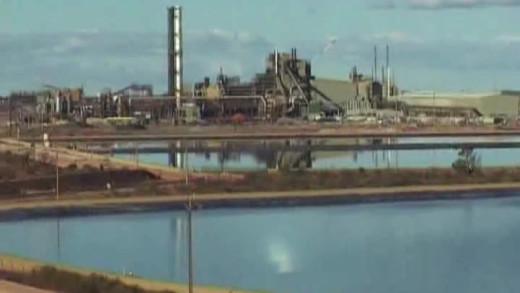
Atomic Footprints uses archival footage and new material from the outback of Australia to examine the nuclear fuel chain, and the current push to expand uranium mines throughout Australia. This film speaks with local indigenous communities about the impact of already-existing uranium mining and refinement, and shows in clear examples some of the reasons why we should continue to oppose it around the world.
 52:53
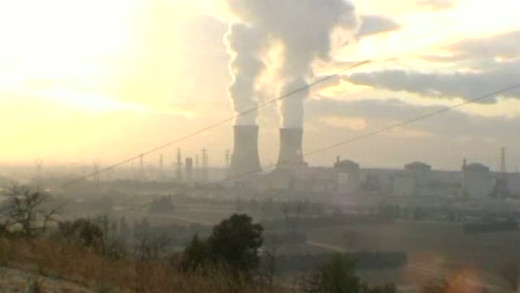
In Europe, nuclear energy is popularly touted as supposedly the best way to "save the climate." But what's wrong with that argument? Nuclear power stations run on uranium and the by-products are harmful, toxic and controversial for hundreds of thousands of years, not to mention the many dangerous effects of mining for the mineral on the environment and humanity...
 51:15
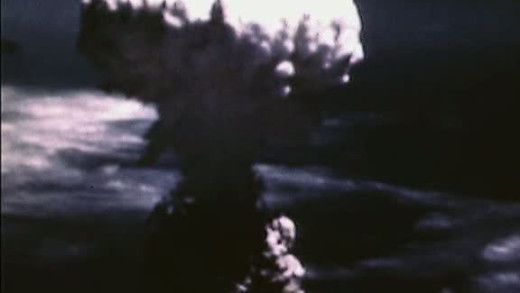
On 8th August 1945, the United States dropped its second atomic bomb on Nagasaki, Japan, three days after the bombing of Hiroshima. The city was a veritable apocalyptic vision, devastated by this new type of weapon. Nagasaki -- The Horror Of Fat Man documents the memories of survivors, both Japanese civilians and Western Prisoners Of War, as they relate the morbid aftermath of the bombings, the United States occupation, and the segregation that still effects fallout victims to this day.
 1:33:51
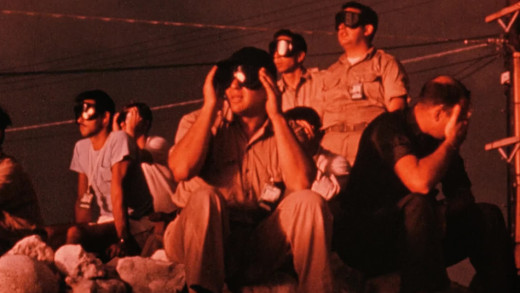
The insane and horrific history of the development of nuclear weapons is examined first-hand in Trinity and Beyond. The film makes use of extensive archive footage from declassified military sources, where the sources themselves speak about the development of nuclear weapons, revealing the calamitous results of use. From the United States's Trinity test of 1945, to the bombing of Hiroshima and Nagasaki; to the rapid increase in testing and proliferation by states across the globe, culminating to the first Chinese atomic bomb test in 1964, Trinity and Beyond is a stark reminder of this culture's insanity and death urge, and how—unless it is stopped—the expanding threat it continues to pose draws in, literally, the prospect of life on this planet for generations to come.
Pandora’s Box
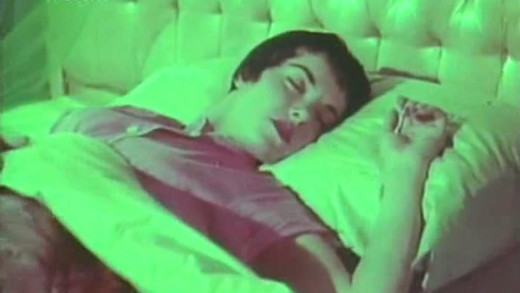
Pandora's Box -- A fable from the age of science, is a six part series examining the consequences of political and technocratic rationalism, tying together communism in the Soviet Union, systems analysis and game theory during the Cold War, economy in the United Kingdom during the 1970s, the insecticide DDT, Kwame Nkrumah's leadership in Ghana during the 1950s and 1960s and the history of nuclear power.
 24:55
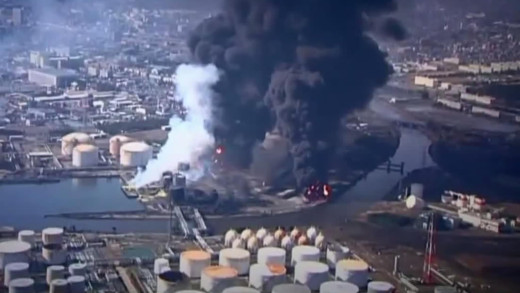
On 11th March 2011, a 9.0 magnitude earthquake unleashed a devastating tsunami destroying whole Japanese towns and villages. It also hit the Fukushima Daiichi nuclear power plant, damaging four reactors and leaking radiation. As the toxic fallout affects the health, safety and livelihood of millions, Japan faces its biggest-ever backlash towards nuclear power. Anti-nuclear activism in Japan has been on the rise along with calls for changes in energy policies generally. And from being the world's third-highest user of nuclear energy, the country now has only five of its 54 reactors working, but lengthened the time-span of its oldest reactors by 20 years. What's going on?
 31:47
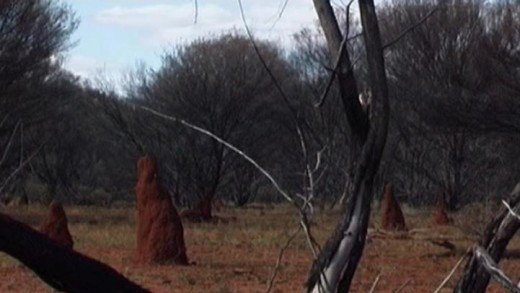
In July 2005, the Australian government announced its plan to open a radioactive waste-dump facility in one of three Department of Defence sites in the Northern Territory of Australia. With widespread community resistance by the indigenous people of the territory, No Where Here in the Middle documents the ongoing story of resistance to the dump and the fight to be free of toxins, poison, and a brutal occupation.