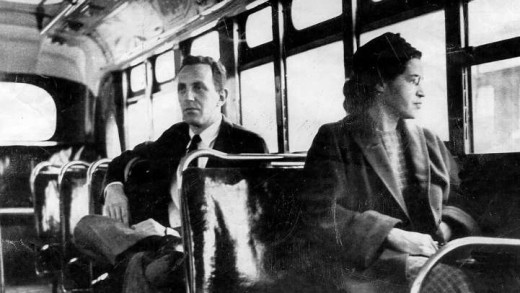
Eyes on the Prize tells the story of the civil rights era from the point of view of the women and men whose extraordinary actions launched a movement that changed the fabric of American society, and embodied a struggle whose reverberations continue to be felt today. It is the story of the people--young and old, male and female, northern and southern--who, compelled by a meeting of conscience and circumstance, worked hard to eradicate a world where whites and blacks could not go to the same school, ride the same bus, vote in the same election, or participate equally in society. It was a world in which peaceful demonstrators were met with resistance and brutality--a reality that is now nearly incomprehensible to many young Americans. Through contemporary interviews and historical footage, Eyes on the Prize traces the civil rights movement from the Montgomery bus boycott to the Voting Rights Act; from early acts of individual courage through the flowering of a mass movement and its eventual split into factions.
 52:32
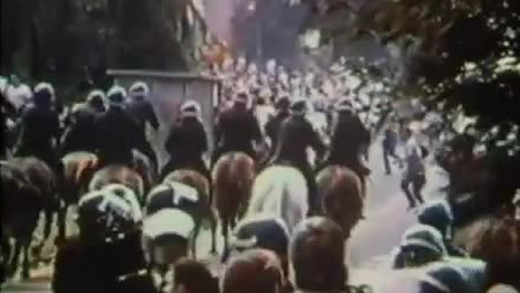
Orgreave in the North of England was the focal point for a mass protest by miners in June 1984. At this time, miners were angry over proposed pit closures and reacted by striking and pressuring other pits to close. The culmination of these protests was a mass gathering of miners from all over the country at Orgreave. On the morning of 18th June miners were escorted into Orgreave. At this point, police tactics already resembled a military campaign. After a push by the miners, the police acted with force, charging the pickets on horses. The protest soon turned violent with the police deploying dogs, batons and guns in an attempt to suppress the protest. The Battle for Orgreave interviews defendants directly about their experiences of Orgreave, and how those experiences changed their life...
 1:26:34
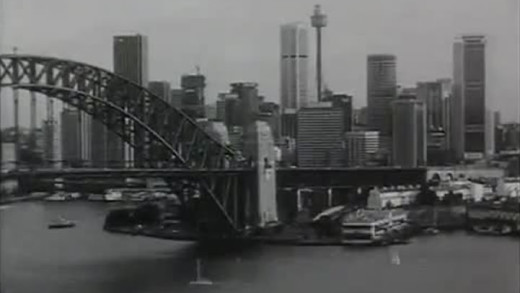
Rocking The Foundations recounts the history of the Green Bans introduced by the New South Wales Builders Labourers Federation in the 1970s which were a series of trade union strikes imposed on developers who wanted to demolish heritage buildings and sites of environmental significance in NSW. The workers saved bushland, trees, and numerous historical buildings which, to this day, remain a powerful symbol of how successful environmental campaigns and effective and honest trade unions can be run...
 29:40
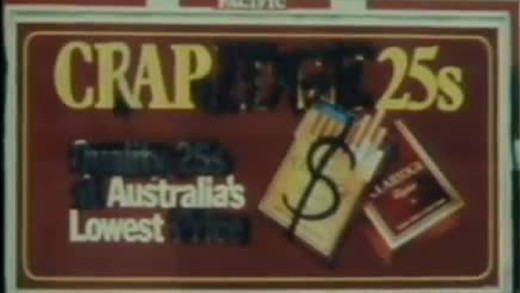
The War of Words Down Under documents an insight into the radical campaign of the 1980s to ban advertising and promotion of cigarettes in Australia. The result is a movement of culture-jamming activists called B.U.G.A. U.P. or Billboard Utilising Graffitists Against Unhealthy Promotions; who deface, disrupt, remove and challenge smoking promotions and advertising wherever it appears—in shopping centres, sports fields, billboards, etc. The movement starts in inner-city Sydney in October 1979, later spreading to Melbourne, Hobart, Adelaide and Perth; with many of the members coming from professional backgrounds, including doctors and health workers. This film shows how direct-action can provoke and achieve social and political change, albeit a slow process, with success for this movement coming almost a decade later...
 1:51:56
Patu!
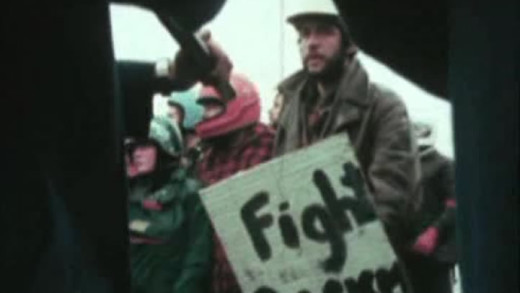
In 1981, the New Zealand government invited the South African rugby team to tour New Zealand. This effectively split the country in half as the rugby tour was seen by some as endorsement of South Africa's apartheid regime. Patu! recounts the mass civil disobedience that took place throughout New Zealand during the winter of 1981, in protest against the South African rugby tour. Sports grounds and suburban streets became battlefields as the film recounts visceral images of massive protest actions met with police brutality. Patu! is a record of heroism, and for many young people taking to the streets, it was their 1968. Māori and Pākehā, children and grandparents, gang members and clergymen—all in a moment of rare consensus, stood together to affirm shared values.
 1:29:38
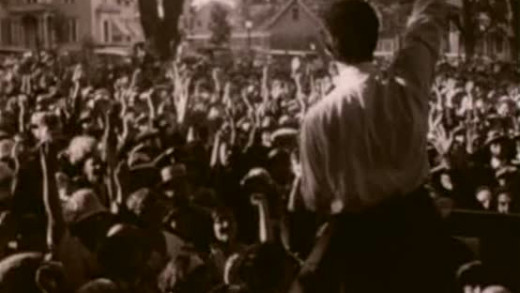
Along the way to winning an eight-hour workday and fair wages in the early 20th century, the Wobblies were one of the few unions to be racially and sexually integrated and often met with imprisonment, violence, and the privations of prolonged strikes. The Wobblies airs a provocative look at the forgotten American history of this most radical of unions, screening the unforgettable and still-fiery voices of Wobbly members -- lumberjacks, migratory workers, and silk weavers -- in their 70s, 80s, and 90s.
 1:27:42
Underground is a film about the Weather Underground Organisation—a group founded as a militant faction of the civil rights and anti-war movement of the 1960s and 1970s. The film combines interviews with members of the group after they went underground who explain how they became radicalised amongst the political happenings in the United States at the time, as well as the revolutionary struggles in Cuba, Russia and China, and the history of struggles over Native American rights and labour issues. Also detailed is the group's analysis of American society, addressing those who have inspired them, and further explaining the reasons behind their militancy, while also introducing the issue of tactics. We see the use of property destruction as a way to bring about change and destabilise the current political order. Underground takes an intimate look at the inner workings of the Weather Underground and their strong internal collective identity, providing a record of how a bunch of middle-class Americans became self-styled militant revolutionaries, raising questions not only about the merits of their struggle, but also about past and future radical actions.
 26:37
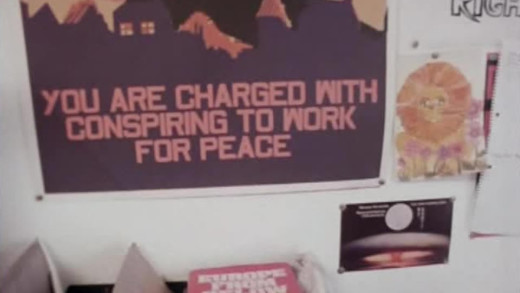
A Nod And A Wink reviews the use of vague Conspiracy laws in Britain from 1975, laws which are much in the same as those used in police states such as Brazil and the Soviet Union to suppress political and moral dissent. This film raises and addresses the serious questions about the way the legal system works in Britain--and indeed elsewhere...
 1:28:58
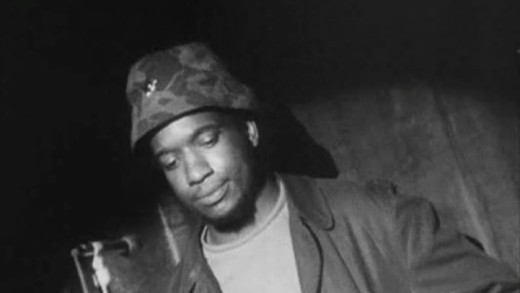
The Murder of Fred Hampton is a film which began with the intention of documenting Fred Hampton and the Illinois Black Panther Party during 1971, but during the film's production, Hampton was murdered by the Chicago Police Department and FBI. The film project then quickly split into two parts: the portrait and biography of Fred Hampton, and an investigative report into his murder. The result chronicles important historical context. Hampton was a radical activist and deputy chairman of the national Black Panther Party, during the civil rights and black power movements in the United States. Hampton was killed as part of COINTELPRO—the illegal "counter-intelligence program" run by the FBI, aimed at destroying domestic political organisations through surveillance, infiltration, disruption, threats, violence and assassinations.