 40:57
40:57Disobedience
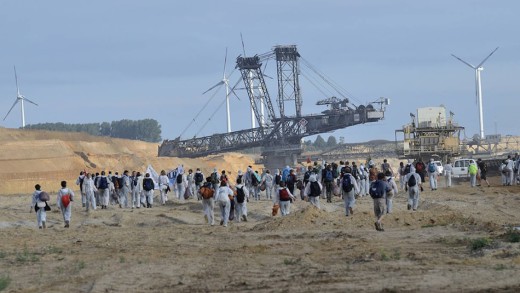
Disobedience glances a new phase of civil disobedience movements to stop climate change by profiling some actions that are being taken throughout the world, led by regular people. Civil disobedience and direct action are at the centre of stopping the rich and powerful from destroying the planet—we actually have to stop them. Disobedience shows that profound shifts are required to deal with the climate crisis. The calling on how to act is up to you.
 53:12
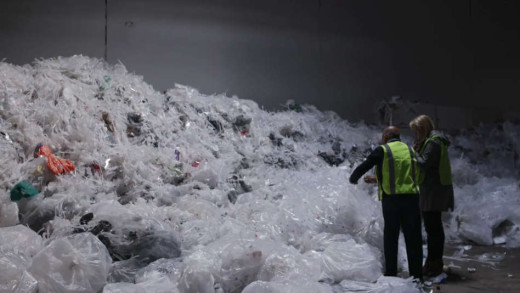
53:12Despite decades of environmental impacts and campaigning for bans and other regulations, the plastic industry continues to expand. From 1990 to 2010 alone, production of plastics more than doubled. Fracking has provided cheap natural gas which is also driving down the cost of making plastic. The United States is now one of the world's largest plastic producers, and industry is investing tens of billions of dollars in new plastic plants. By 2050, it's estimated that global production of plastic will triple. Alongside, the industry has pushed a greenwashing image of recycling to fend off negative public opinion, and sell more plastic. Plastic Wars examines how this has come to be, using industry documents and former insiders, and presents the urgency of the need for change, now more than ever.
 49:51
49:51We Are Traffic
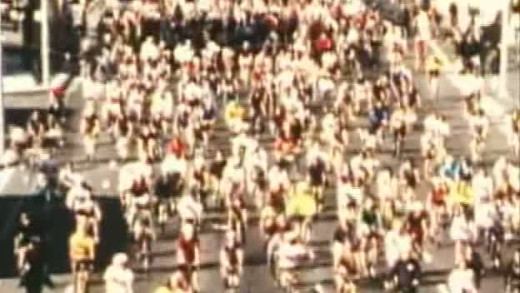
We Are Traffic chronicles the history and development of the "Critical Mass" bicycle movement -- one of the most dynamic social political movements of the apathetic 90s. In over 200 cities in 14 different countries, Critical Mass has now become a monthly ritual of reclaiming the streets by bicycle activists riding en masse...
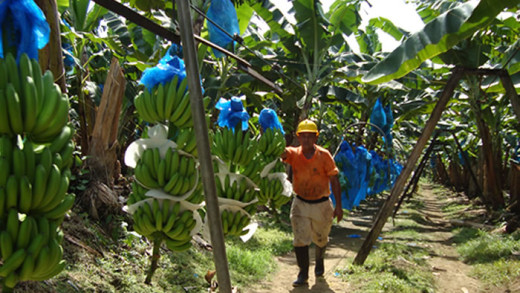
Corporations On Trial is a five-part series following just some of the many lawsuits being brought against multinational corporations for war crimes, conspiracy, corruption, assassinations, environmental devastation and payments to terrorists. Such serious charges have forced some of the world's largest companies to hire high-profile defence lawyers to protect public relations in cases often brought by plaintiffs who are barely literate. These five films reveal a growing anxiety about the power and influence of big business, as many multinational corporations have annual revenues greater than some countries' national budgets and indeed increasingly hold governments to ransom by their economic power. Around the world, ordinary people are fighting back and asking how many more times their interests should be sacrificed for corporate greed and shareholder profit...
 1:28:52
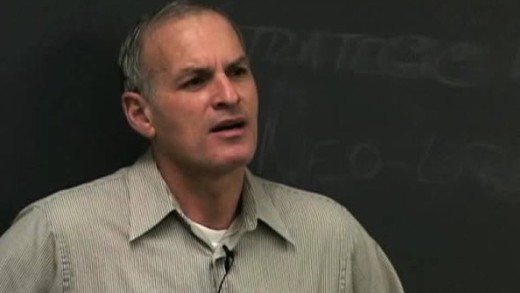
American Radical is a film about the life of academic Norman Finkelstein, a son of Holocaust survivors and ardent critic of Israel. Called a lunatic and self-hating Jew by some, and an inspirational figure by others, American Radical also serves to explore the issues at the centre of Palestine and Israel as Finkelstein travels around the world negotiating a voice of realism among impassioned critics and Israeli supporters. Uncompromising, even in the face of a denial of tenure at DePaul University, Finkelstein is revealed as a rare academic figure who puts the pursuit of justice above the security of his career, to expose the brutal reality of the occupation of Palestine.
 1:35:34
Frackman
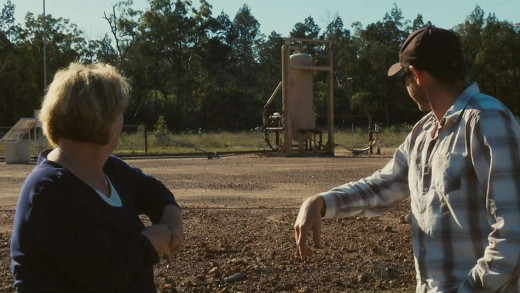
Frackman introduces us to Dayne Pratzky, who is looking to build a simple home on his block of land in central Queensland, Australia. But one day the gas company comes and demands access to his land for gas mining. Dayne doesn't want that, but is told he has no right to refuse access to his land, and so begins his transformation into a reluctant activist on a journey that takes him around the world. Through his efforts, we see other people drawn into the battle of fending off rapacious coal-seam gas miners. Frackman presents this story, crossing ideological divides, bringing together an alliance of farmers, conservationists, political conservatives, and a cast of colourful Aussie bush characters, determined in different ways to stop fracking from destroying the land.