 2:05:02
Gasland Part II
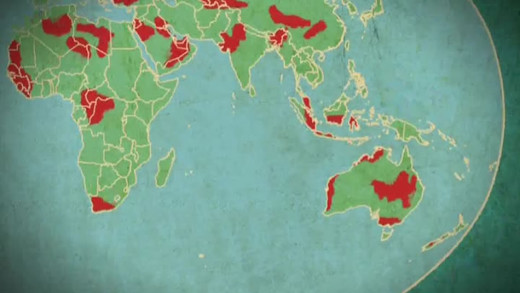
Gasland Part II follows on three years later, to continue documenting how the stakes have been raised on all sides in one of the most devastating environmental issues rapidly spreading the globe. This sequel further enriches the argument that the gas industry's portrayal of natural gas as a clean and safe alternative to oil is a lie, where in fact fracked wells inevitably leak over time, and vent exuberantly more potent greenhouse gasses such as methane in cumulative effect, not to mention the continued string of cases of severe water contamination across the United States and even cases as far away as Australia. Gasland Part II follows deeper into these happenings, revealing yet more of an entrenched corporate collusion in the pursuit of exploiting dwindling 'natural resources'...
 2:08:02
Maïdan
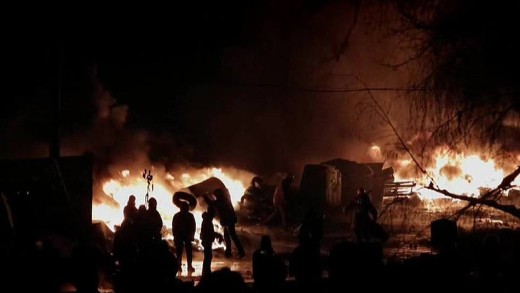
Maïdan is an observational film that documents the civil uprising and revolution that toppled the government of president Victor Yanukovich of Ukraine in 2014, and has since developed into an international crisis between Russia and the West. In long unedited strides, the film portrays the protests progressing over time from peaceful rallies, half a million people strong, to bloody street battles between protesters and riot police in Kiev's Maidan Nezalezhnosti (Independence Square).
 1:57:17
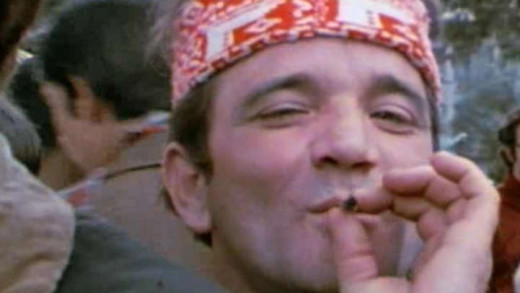
Berkeley in the Sixties recaptures the exhilaration and turmoil of the unprecedented student protests that ended up shaping an entire generation in the United States. The Free Speech Movement caught national attention in 1964 when the University of California tried to suppress activists distributing literature and making speeches in an outdoor plaza on campus. The school governor ordered the arrest of students who had occupied the University's Sproul Hall, leading the largest mass arrest in United States' history. Police violence also helped politicise and escalate student uprisings, as awareness of the Vietnam War also kept the winds of dissent blowing, albeit as some movements attracted hedonistic individualism and broke away into fancifulness. On the other end was the Black Panther Party, which offered a militant alternative to the civil rights movement. This film recounts these events through 15 former student leaders, who grapple with the meaning of their actions, as their recollections weave with footage from thousands of historical clips and hundreds of interviews from the time. The film offers a reflective and insightful analysis of the successes and failures of the era--from the House Un-American Activities Committee hearings and civil rights sit-ins at the beginning of the decade, through the Free Speech Movement, anti-war protests, the growth of the counter-culture, the Black Panther Party, and the stirrings of the Women's Movement--confronting the viewer with the questions the 1960s raised and struggled with.