 47:59
47:59Raped
Between 1999 and 2000, nearly 8,000 women reported a rape to the police. Out of those women, 90 per cent identified their attacker, and DNA evidence helped place the accused at the scene of the crime. But the admission of a prior relationship with the perpetrator counted against the victim. In any case, the conviction rate for rape is unbelievably low—only nine convictions for every 100 cases reported. Film-maker Rachel Coughlan follows the heart-wrenching stories of five women to win their fight for justice, showing in the process the systematic failures of the legal system in why such cases—the ones that do even make it to court—often don't result in conviction.
 32:15
32:15At the turn of the millennium, a group of eleven girls aged 8 to 16 from a variety of socio-economic backgrounds were interviewed about their views on media culture and its impact on their lives. Their insightful and provocative responses reveal how the attitudes and expectations of young girls are influenced by a saturated media culture. Using excerpts culled from a typical week of television broadcasting alongside the interviews, What a Girl Wants aims to provoke debate about the effects of media culture and, ideally, act as a catalyst for change in media content.
 45:35
45:35Dear Lisa
The filmmaker questions her sister, herself and others about the dreams and hopes they had growing up as girls in contrast to the reality they now face as women. Interviewees include a former Miss California contestant, a judge, a banker, an electrician, a secretary, and adolescent girls. They talk about childhood, athletics, careers, motherhood, body image, sexual assault and self-esteem. Made nearly 30 years ago, this film documents a growing awareness of issues affecting women. But have things changed today?
 59:01
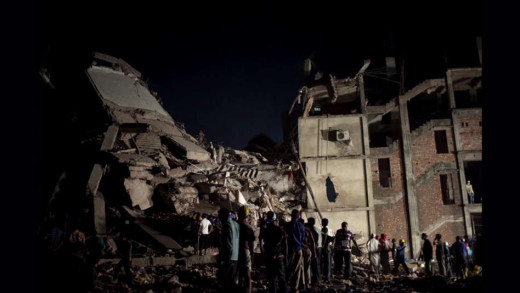
59:01Clothes to Die For documents the worst industrial disaster of the 21st century--the collapse of the Rana Plaza building in Bangladesh, in which more than 1,100 people died and 2,400 were injured. The eight-storey building housed factories that were making clothes for many western companies--Prada, Gucci, Primark, Walmart, H&M, Gap, and others. Through a series of compelling interviews and footage from the scene, this film gives a voice to those directly affected, and highlights the greed and high-level corruption that led to the tragedy. It also provides an insight into how the incredible growth in the garment industry has transformed Bangladesh, in particular the lives of women. Clothes to Die For raises fundamental questions about the global fashion industry and the responsibilities of all those involved.
 56:39
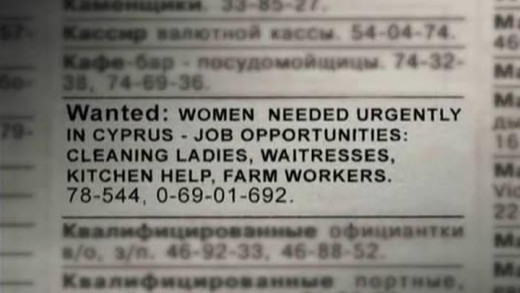
56:39Sex Slaves documents an extraordinary journey deep into the world of sex trafficking from the perspective of Viorel--a young man trying to find his wife Katia who was four months' pregnant when she left home looking for a job. Along the way, the production team takes a rare, hidden-camera look at various traffickers, pimps and middlemen who buy and sell hundreds of thousands of women each year. Lured by traffickers who prey on their dreams of employment abroad, many of the women are then kidnapped and "exported" to Europe, the Middle East, the United States and elsewhere. During this process, they are sold to pimps, locked in brothels, drugged, terrorised and raped repeatedly. In Eastern Europe, sex trafficking has become the fastest growing form of organised crime, with Moldova and Ukraine widely seen as major suppliers of women into the global sex trade...
 43:51
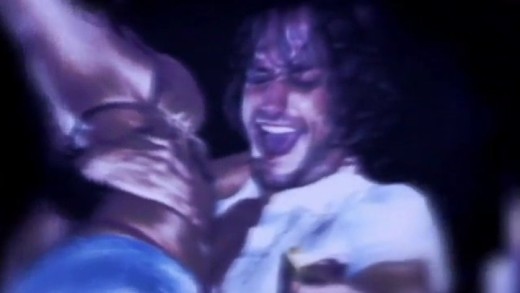
43:51Spin the Bottle critiques the role that popular culture plays in glamorising excessive drinking and high-risk behaviour, in contrast to the ways alcohol affects the lives of real young men and women in reality. This film decodes the power and influence of seductive media images to show how they shape personal identity when linked to the use of alcohol. Nowhere is this link more apparent than on America's college campuses. By exploring the party scene, Spin the Bottle also shows the difficulties young people have in navigating a cultural environment saturated with messages about gender and alcohol. Interviews with health professionals provide a clear picture of how drinking impacts student health and academic performance, but it is the students' own experiences and reflections that tell the real story behind alcohol's alluring public and cultural image.
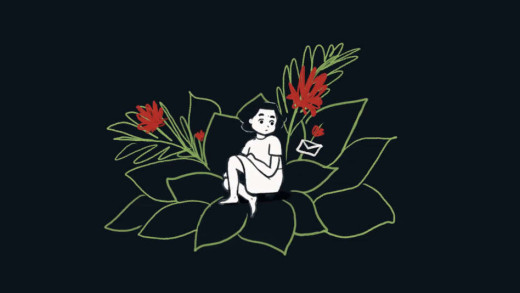
Misogyny is rampant in this culture, and corporations capitalise on making women hate their bodies. Indeed all aspects of womanhood are commodified, hypersexualised, and squeezed into gender stereotypes. Being female comes at a cost. So it's no wonder that young people growing up can feel horrible about themselves and their bodies, and further feel confused about what it means to be a woman in today's world. Into this perfect storm steps queer theory, an ideology born in the 1990s, that tells people that all the confusing feelings they may experience about the world they live in can be fixed not by changing the world, but by changing themselves. The past decade has seen a steep rise in the number of young girls seeking to alter their bodies by undergoing life threatening, irreversible procedures. Dysphoric is a series that explores this concept of gender transition, told through the voices of clinicians, psychiatrists, sociologists, feminists, academics, detransitioners, and concerned citizens and parents. The series also discusses the permanent medical side-effects of hormones and surgeries, the propaganda of corporations that glorify thousands of stereotypical gender presentations coalesced as fashion, the surge in pronoun policing, censorship and the curtailment of speech, language hijacking that calls women "menstruators," and the many other hurdles women face while trying to question this modern-day misogyny.
 1:44:45
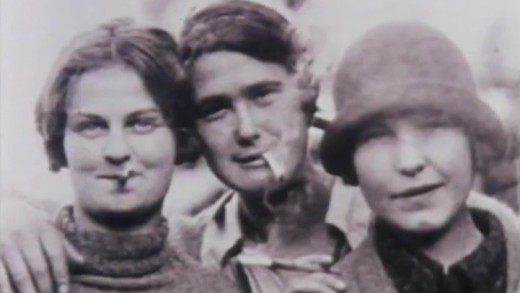
Made over five years, with contributions from hundreds of women and over 200 Australian films, For Love or Money is a pictorial account of women's history in Australia over the past decades. The film chronicles the cycles of women's gains and losses as they are moved in and out of the workforce according to demands of the age, revealing how women's unpaid and voluntary work over the years has kept and continues to keep an entire system running smoothly, both in peacetime and in war. In this culture, women do the work that is never paid or still not even recognised as real work. This film shows how this system determines the kinds of jobs women do in the paid workforce--the low-paid, low-status jobs--and how women have fought and organised for equality and wage justice for over a century. For Love or Money remains relevant today as women continue the unfinished campaigns for equal pay, maternity leave and childcare, and still carry the major responsibility for caring and nurturing in the culture of individualism.
 41:53
41:53Fuelled by popular personalities on Instagram, YouTube and Snapchat, cosmetic surgery is pushing further into the mainstream. Huge numbers of people, predominantly young women, are choosing to alter their appearance forever as though it's as simple as buying a new set of clothes. Social-media "influencers" get free procedures in exchange for promoting certain doctors or agencies or products to their audiences. Going on the numbers alone, audiences seem to respond to this blatantly cacophonous advertising, following their social media stars closely, and taking out huge personal loans to get surgery and "keep up with the Kardashians." Doctors offering the surgery are even becoming media stars themselves, and it's redefining the meaning of doctor/patient relations. Underpinning this entire industry, is a business model of targeting women who can barely afford procedures by selling the dream of a "new you." Social-media laps it up, and the cycle repeats. But as this investigation shows, when things go wrong, the physical and financial costs are devastating. Real doctors who are left to pick up the pieces, are warning that the booming industry is creating a dangerous legacy, and not just to the concept of beauty.
 51:27
51:27Based on interviews conducted with hundreds of young women, Flirting With Danger examines how the wider culture's frequently contradictory messages about pleasure, danger, agency, and victimisation enter into women's most intimate relationships. The result is a candid and nuanced look at how women are forced to grapple with deeply ambivalent cultural attitudes about sexuality and relationships. These interviews are essential viewing for tackling the problematic issues surrounding consent, coercion and sexual violence throughout the culture.
 25:41
25:41Behind Closed Doors addresses the impact that witnessing domestic violence has on the developing brain of infants and children, and demonstrates the effect on their behaviour, relationships, and the long term consequences for their future. It also documents steps that parents and caregivers can take to help children survive this experience with the best possible outcome. The video's intent is not to blame but rather to help parents become aware of what is happening for their children, help teachers, and caregivers understand the behaviours that are a result of the impact of witnessing abuse in the home, and provide suggestions to assist in addressing the behaviours in order to achieve more healthy outcomes and safety.
 1;22:41
As an exposé of human trafficking, Very Young Girls follows a group of adolescent African-American girls who were seduced, abused and sold on New York's streets by pimps, having survived the life to share their story. Each recount their experiences, captured alongside startling footage shot by the brazen pimps themselves, giving a rare glimpse into how the cycle of street life begins for many women. Following the work of Rachel Lloyd and the journey each go through to exit their life on the streets, Very Young Girls portrays first-hand the occurrences of human trafficking throughout the United States.
 1:04:33
Filmmaker Denice Ann Evans draws heavily on the voices of students in this powerful exploration of hookup culture on college campuses. Supplementing the stories of students with analysis from health professionals and social commentary, the film's main concern is whether hookup culture is offering young people a new and potentially liberating set of sexual rules, or whether it's simply reinforcing traditional gender roles and blurring the line between consent and coercion. The result is a timely film that asks tough questions about the relationship between hookup culture, gender politics, and the alarming levels of sexual assault and binge drinking that continue to plague college campuses.
 1:49:56
In 1992, Bhanwari Devi, an Indian social worker hailing from the Kumhar caste in rural Rajasthan, was gang-raped by upper caste men for having the temerity to intervene and stop the child-marriage of an infant. The subsequent acquittal of the accused in connivance with the State machinery outraged India and galvanized women’s activism that led to the Vishaka Guidelines, and subsequently, the Sexual Harassment of Women at Workplace Act in 2013. In this feature-length documentary shot by an all-women crew, Director Vaishnavi Sundar juxtaposes the law on paper with the ground realities, through this first-of-its-kind log of stories and experiences of over two dozen Indian women; tales of sexual violence that they face--from opulent corporate offices, to construction sites, to manual scavenging--and their fight for justice against an obstinate patriarchal State. But What Was She Wearing? attempts to portray the impotence of this law and the impossible odds Indian women are up against in pursuit of justice.
 31:44
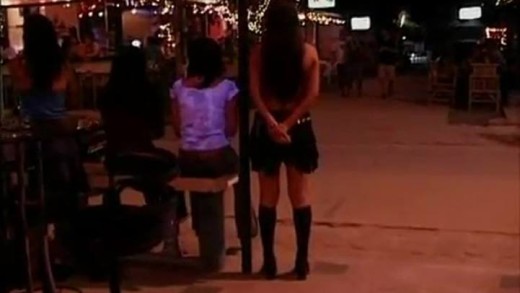
31:44With its tropical beaches and buzzing nightlife, the island of Koh Samui in the Gulf of Thailand attracts many hundreds of thousands of tourists each year. The island is renowned in the West for sex tourism, and every year many male tourists form relationships with women working in the bars of Koh Samui. But how does this work? And what dynamics are at play? Love Me Long Time is a film that speaks to the men that travel back and forth to Thailand for these holiday romances that are for sale in a country ravaged by the oppression of the west, human trafficking and prostitution driven by poverty. Do these men know what they're doing?
 1:16:30
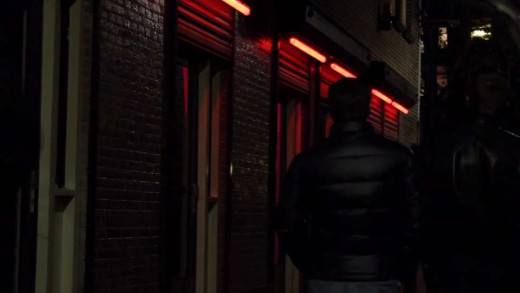
As nations around the globe attempt to fight sex trafficking, many consider legalising prostitution. Two filmmakers travel across ten countries to explore the issue, attempting to answer the question: "How can we prevent sexual exploitation before it happens in the first place?" Though governments are getting better at prosecuting traffickers and providing aftercare to victims, it is time we begin to ask the question of what lies at the root.
 59:40
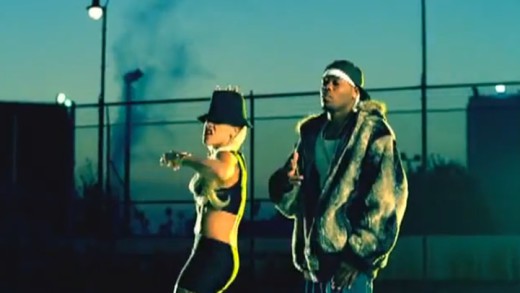
59:40Generation M looks at misogyny and sexism in mainstream media, exploring how negative definitions of femininity and hateful attitudes toward women get constructed and perpetuated throughout popular culture. The film tracks this across a broad and disturbing range of media phenomena: from the hyper-sexualization of commercial products aimed at girls, to the explosion of violence against women in video games aimed at boys; from the hysterical sexist rants of popular hip-hop artists and talk-radio shock-jocks, to the continually harsh, patronizing caricature of women found in virtually every area of media. Generation M posits the consequences of misogyny in all of its forms, showing that when we devalue more than half the population based on gender, we harm everyone—boys and men, women and girls alike.
 1:28:30
At the Heart of Gold: Inside the USA Gymnastics Scandal reveals a dangerous athletic culture that prioritised winning over everything else, including protecting young female athletes. For more than 30 years, Larry Nassar worked with gymnasts, as a respected trainer and doctor. He was charming, taught at church, volunteered in the community, and was seemingly well-liked throughout. He treated girls' aches and pains, becoming a friend and confidant to many along the way, while also sexually abusing them during sessions for many years. When some girls began to speak up about their experiences, they were silenced, gaslighted or denied, all the way up to the highest levels of management, across multiple sporting institutions. After many complaints and eventually a cumulative legal investigation, Nassar ends up exposed as a serial sex offender. This film unpacks the scandal, its cover-up, and aftermath, through interviews with dozens of survivors, as well as coaches, lawyers and journalists, as one of the most high-profile paedophile trials in recent years. It documents the grooming, methods, and psychology of a charismatic sexual abuser, as well as the culture that enables and perpetuates it.
 1:59:25
In a visual exploration of institutionalised prostitution, Whores' Glory travels the globe to show how these people really live and work today, across three economically divergent countries. In Bangkok, Thailand, women punch a clock and wait for clients inside a brightly-lit glass box. In the red-light district of Faridpur, Bangladesh, a madam trafficker haggles over the price of a teenage girl. On the border town of Reynosa, Mexico, crack-addictions run high while women pray to 'Lady Death.' Whores' Glory is a unobscured look at the realities of sex-trafficking today and the industry that continues to spawns it and keep it alive.
 39:40
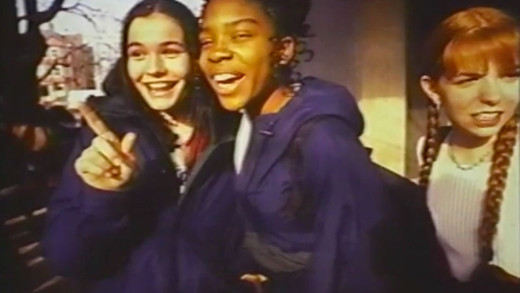
39:40This film examines the forces of culture influencing young people's decisions about sex: media, family, religion, alcohol, and so on. By examining the cultural environment in this way, this film becomes a tool for facilitating informed discussions about the myriad influences facing young people. Filmmaker Dan Habib features the stories of eight young people, ages 16-24, and weaves them with observations about the messages young people get from popular culture.
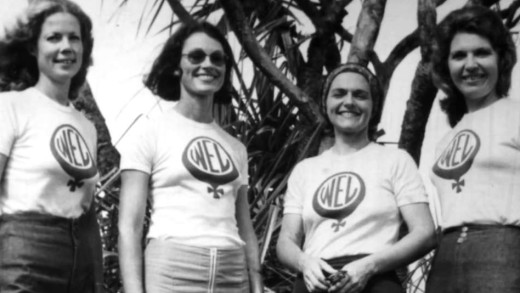 1:28:38
Brazen Hussies documents how a daring and diverse group of women joined forces in Australia to create profound social change, contributing to one of the greatest social movements of the 20th Century. The film weaves archival footage, personal photographs, memorabilia, and lively accounts from the women who reignited the feminist movement in Australia, at times at great personal cost, to show how women began organising around issues such as equal pay, reproductive rights, affordable childcare, and the prevention of family violence and rape. As the story unfolds, these issues go from being dismissed as the outrageous demands of a few "brazen hussies" to becoming crucial elements of mainstream politics. The film documents how ASIO spied on the movement, the pushback from male-dominated media, and the impact of internal struggles, such as the inclusion of lesbians and the relevance of the movement to Aboriginal women. 50 years on, the work of this movement paved the way for where feminism finds itself today. And while the landscape, breadth and diversity of feminism is vastly different, without this movement and the changes it achieved, we wouldn’t be where we are now. Recording and celebrating this important history, offers a valuable opportunity to reassess and discuss where we are now as a society, what gains have been made, what is at risk, and where we are headed.
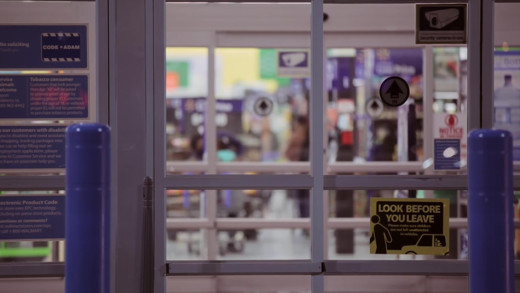 53:16
53:16Rape on the Night Shift is a harrowing investigation into the rampant sexual abuse of the many thousands of unseen women who clean the shopping centres, banks and offices of some of the largest companies throughout the United States. The cleaning companies and contractors themselves are some of the largest companies throughout the country and the world. This report follows a prior investigation about systemic abuse of migrant women working in America's fruit and vegetable fields, as well as packing plants and industry. Both set out to document the many aspects of a booming rape culture, driven in part by the synergy of a failure of criminal prosecutions, the legal system, a culture of pornography, the realities for migrant workers, and a perfect storm for human trafficking.
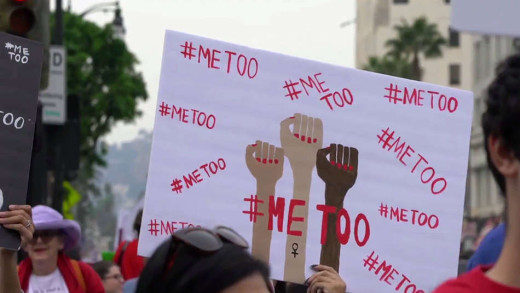 49:38
49:38The 'MeToo' movement has brought the pervasiveness of sexual abuse and harassment in this culture to the mainstream, creating an unprecedented demand for sexual violence prevention models that actually work. The Bystander Moment tells the story of one of the most prominent and proven of these models developed by activist and writer Jackson Katz and his colleagues. Illustrated through archival footage and clips from news, sports, and entertainment media, Katz explores the role of bystanders--especially friends, teammates, classmates, and co-workers--in perpetuating sexual harassment and sexual assault. Katz also gives attention to peer culture dynamics--in particular the male peer culture dynamics across race and ethnicity--that help normalise sexism and misogyny while silencing other men in the face of abuse. The Bystander Moment qualifies the crucial importance of appealing to people not as potential perpetrators or passive spectators, but as active bystanders and allies who have a positive role to play in challenging and changing sexist cultural norms, to stopping abuse and violence.
 45:40
45:40The Purity Myth takes a look at the resurgence of a movement of abstinence, brought about by a powerful alliance of religious ideologues, right-wing politicians, conservative media pundits and policy intellectuals who have been exploiting irrational fears about women's sexuality. From daddy-daughter "purity balls," taxpayer-funded abstinence-only curricula, and political attacks on 'Planned Parenthood,' to recent attempts by legislators to de-fund women's reproductive healthcare and narrow the legal definition of rape, The Purity Myth identifies the single false assumption underlying this huge push: that the worth of a woman depends on what she does—or does not do—sexually. This film also argues that the health and well-being of women is too important to be left to figureheads bent on vilifying feminism and undermining women's autonomy.
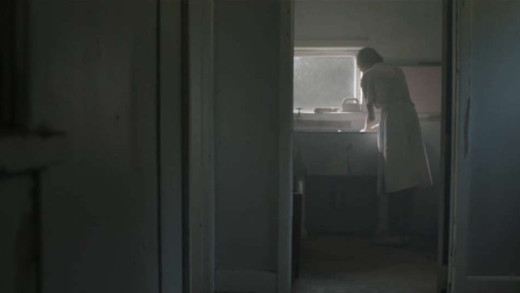 57:15
57:15Servant or Slave follows the lives of five Aboriginal women who were stolen from their families and forced into indentured labour to be domestic "servants" for white people during the late 1890s and into 1900s in Australia. With the government exercising complete control over their wages and livelihood, many thousands of Aboriginal children were condemned to a treadmill of abuse, battery, rape, and slavery, only to discover that even today they've had to fight for recognition, respect and reparation for their treatment in the past. This film recounts their experiences, as a portrait of courage, strength and the fortitude to pursue justice for the crimes committed against them.
 1:12:37
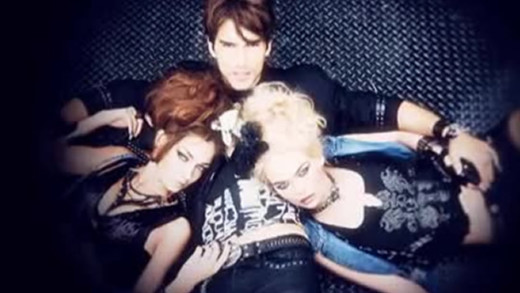
Arguing that advertising not only sells things, but also ideas about the world, The Codes of Gender examines the commercial culture's inability to let go of reactionary gender representations. Presenter Sut Jhally's starting point is the breakthrough work of the late sociologist Erving Goffman, whose 1959 book The Presentation of the Self in Everyday Life prefigured the growing field of performance studies. Jhally applies Goffman's analysis of the body in print advertising to hundreds of print ads today, uncovering an astonishing pattern of regressive and destructive gender codes. By looking beyond advertising as a medium that simply sells products, and beyond analyses of gender that tend to focus on either biology or objectification, The Codes of Gender offers important insights into the social construction of masculinity and femininity, the relationship between gender and power, and the everyday performance of cultural norms.
 41:44
41:44Presented by author and activist Naomi Wolf, The Beauty Myth explores the phenomenon of how the social power and prominence of women has increased in the past few decades, alongside a paradoxical increase in the pressure they feel to adhere to unrealistic social standards of physical beauty, appearance and presentation. It seems the more legal and material hindrances women have broken through, the more strictly and heavily and cruelly images of female beauty have come to weigh upon us. Women have breached the power structure, but meanwhile eating disorders have risen exponentially and cosmetic surgery has become a fastest-growing specialty. Pornography has become the main media category--ahead of legitimate films and records combined--and thirty-three thousand American women told researchers that they would rather lose ten to fifteen pounds than achieve any other goal. How did this come to be? The Beauty Myth shows how the edacious commercial culture drives this pressure and leads to a pervasive preoccupation with appearance in both sexes, compromising the ability of women to be effective in and accepted by society. The film is a call to question the culture and redefine the notions of success, beauty and indeed what it means to be a sane human being in this toxic culture.
 1:02:17
Hardcore
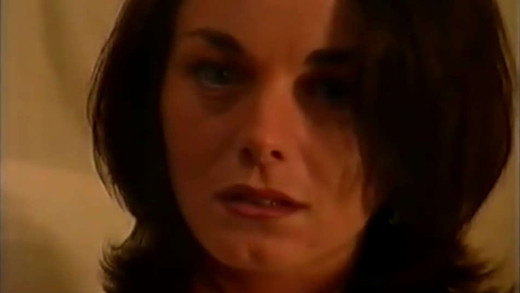
Felicity, a 25-year-old single mother living in England, is desperate to make money to improve her daughter's opportunities. She is invited by a porn agent to travel to Los Angeles, the centre of the porn industry, to make a career as a pornstar. Hardcore follows Felicity over three weeks, as she ends up immersed in the deeply disturbing and degrading world of pornography production. Her agent introduces her to Max Hardcore, a notorious abuser, known for humiliating and abusing women for films. Aware of his reputation for choking women--and that he often asks women to dress as underage girls--Felicity does not want to meet him, let alone work with him, yet she is pressured by her agent until she agrees. When Max Hardcore chokes her, and she breaks down in tears, he attempts to manipulate her into continuing, and is almost persuaded until the documentary crew steps in for fear of being complicit in rape. The documentary is extremely difficult viewing, but depicts a true face of the porn industry, and the toxic culture it is embedded in.