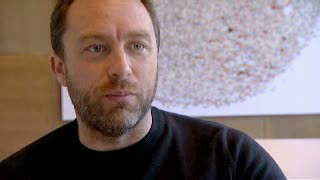
 48:11
48:11Google or Wikipedia? Those of us who search online are getting referred more and more to Wikipedia. For the past two years, this free online “encyclopaedia of the people” has been topping the lists of the world’s most popular websites. But do we really know what we’re using? The Truth According To Wikipedia plunges into the story behind Wikipedia and explores the powerful world of ‘Web 2.0’ -- Is it a revolution, or pure hype?
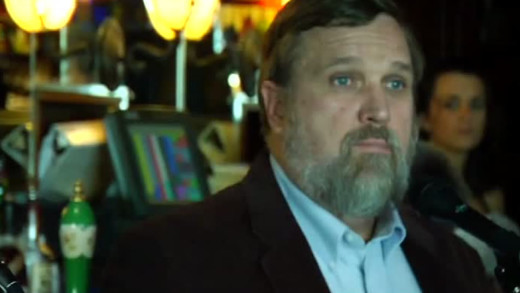 1:27:29
Renowned political journalist and best-selling author Christopher Hitchens is pitted against fellow author, theologian, and evangelical Christian Douglas Wilson, as they go on the road to exchange debate over the question: Is Christianity Good for the World? The two theologians argue, confide and even laugh together as they journey through three cities presenting the debate. This film documents the journey, bringing the sharp points together to provide a critical analysis of religion and its perpetuation.
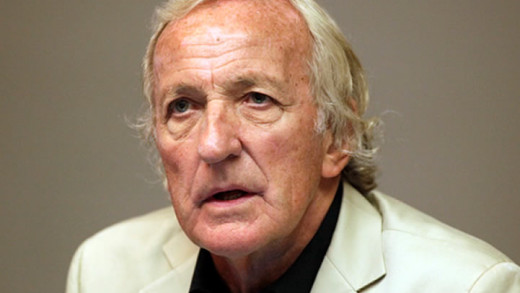 54:54
54:54Renowned independent journalist John Pilger speaks about complicity and compliance, censorship and citizen journalism as well as issues such as the holocaust in Iraq and Kevin Rudd's shrewd political apology to the Indigenous peoples of Australia as Prime Minister. "These days, a one-dimensional political culture ensures that few writers write, or speak out, as they did in the last century. They are talented, yet safe. In the media, the more people watch, the less people know. Beneath the smokescreen of objectivity and impartiality, media establishments too often ventriloquise the official line, falling silent at the sight of unpleasant truths."
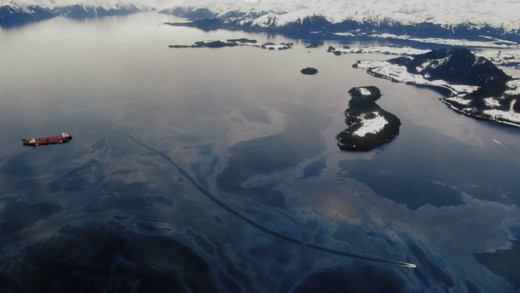 51:59
51:59In the early hours of March 24th 1989, the Exxon Valdez oil supertanker runs aground in Alaska. The ship discharges several tens of millions of gallons of crude oil. The incident becomes the biggest environmental assault in North American history, and in a flash, the news shoots across the planet along with footage of thousands of dead seabirds, sea otters and other marine life covered in oil, devastated. Thick black tides rise and cover the beaches of the once-pristine reefs of Alaska. Black Wave recalls this event, a generation later, by speaking with renowned marine toxicologist Riki Ott and the fishermen of the little town of Cordova, Alaska. They tell us all about the environmental and social consequences of the black wave that changed their lives forever—the legacy of the Exxon Valdez that still lingers today.
 48:05
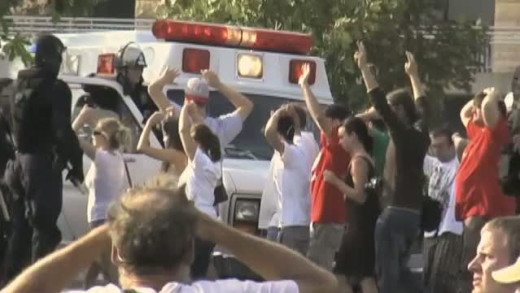
48:05Unwritten Future
Unwritten Future documents the events during the Republican National Convention in 2008 where excessive use of force and questionable tactics by police are on full show. Even peaceful radio host Amy Goodman is arrested. The film is dispersed with interviews with activists, asking them what they are fighting for, contrasted with police response and the aftermath.
 1:47:39
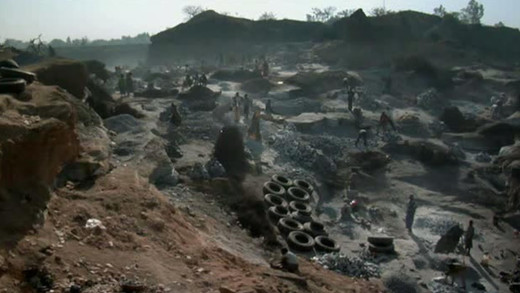
Let's Make Money investigates the development of the world-wide financial system, showing that elitists economically exploit the rest of society, especially in the developing world, but also in western nations. Using the savings of a typical depositor as a case study, the film moves around the global system, showing exploitation at many levels. There are several interviews with investment managers, politicians, economists as well as homeless people and workers who give their take on the system and its impacts...
 1:29:39
By risking torture and life in jail, courageous young citizens of Burma live the essence of journalism as they document the uprisings against the military regime in 2007. Armed with small handycams, the Burma VJs stop at nothing to make their reports from the streets of Rangoon. Their video footage is smuggled out of the country and broadcast back in via satellite and offered up for use in the international media. The whole world witnesses single event clips made by the VJs, but for the very first time, the individual images have been put together here to tell a much bigger story...
 1:22:27
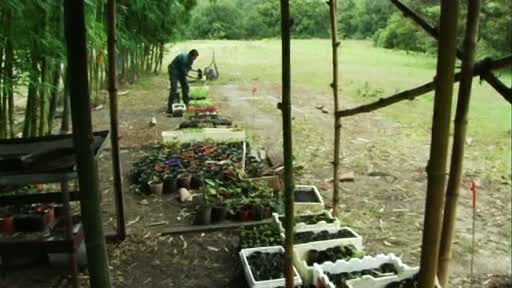
Going from classroom to real world, Establishing A Food Forest The Permaculture Way explains the patterns of a Food Forest and the essential principles of building a self-sufficient, sustainable way to eat. The film ends up at Tagari Farm which was abandoned years ago, but planted according to permaculture design principles. Did the Food Forest survive on its own?
 1:06:04
By examining the practices of a relentless multi-billion dollar marketing machine that now sells kids and their parents everything from junk food and violent video games to bogus educational products and the family car, Consuming Kids presents the explosive growth of child marketing in the wake of deregulation, showing how youth marketers have used the latest advances in psychology, anthropology and neuroscience to transform children into one of the most powerful and profitable consumer 'demographics' in the world...
 31:15
31:15Ground Noise And Static is a video report on the protests that occurred in connection with the Democrat and Republican National Conventions in 2008. Corporate media would cover the platitudes and posturing of the politicians, but this film is interested in something else -- a story hidden in plain sight, told from the perspective of activists...
 1:09:50
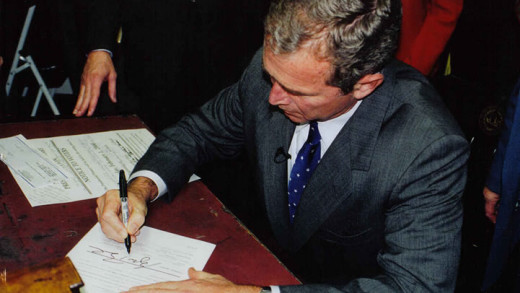
Stealing America: Vote by Vote examines a bundle of documented cases of election manipulation and irregularities throughout the United States, some that stretch back as far as 1996. The film focuses on voter disfranchisement, the use of electronic voting machines, and voting anomalies such as uncounted ballots, inaccurate final vote tallies, and vote-switching. Through a combination of first-person accounts (including Democratic Sen. Bob Hagan of Ohio, who also witnessed vote-switching firsthand), extensive research and revealing clips from multiple TV news sources, this film investigates the many 'glitches' in voting procedures that result in literally millions of votes being potentially lost, miscounted or even deleted.
 58:32
58:32Amy Goodman from Democracy Now! speaks about the mainstream media's coverage of US interventions around the world and demonstrates the link between corporate media and government, and how this plays a major part in selling war at home and abroad...
For millions of people, the global economic collapse has generated curiosity about how money systems actually work, as opposed to how they're portrayed, especially when so many financial pundits seem to be baffled. In The Ascent of Money, economist Niall Ferguson works through some history that created today's money system, visiting the locations where key events took place and poring over actual ledgers and documents, such as the first publicly traded share of a company. Viewed with a critical eye, this series aims to show how the history of money is indeed at the core of civilisation, with economic strength determining political dominance, wars fought to create wealth and individual financial barons determining the fates of millions.
 1:55:52
In 2004, during the invasion of Iraq, the public learned of systemic sexual abuse, torture, rape and even murder going on inside Abu Ghraib prison in Baghdad. Photographs taken by the soldiers themselves were at the centre of the scandal, and seared public consciousness. Standard Operating Procedure sets out to examine the context of these photographs. Why were they taken? What was happening outside the frame? The Abu Ghraib photographs serve as both an expose and a coverup. An expose, because the photographs offer us a glimpse of the horror of Abu Ghraib; and a coverup because they convinced journalists and readers they had seen everything, that there was no need to look further...
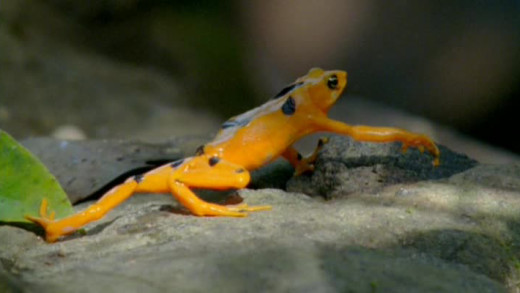
Life In Cold Blood is a five part series studying the evolution and habits of amphibians and reptiles, presented by David Attenborough.
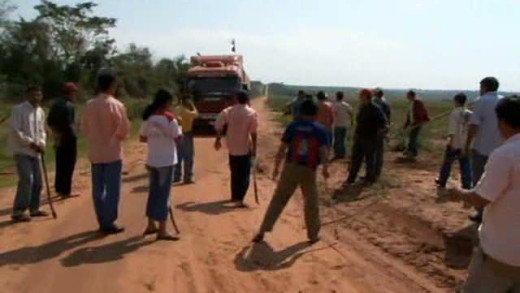 23:53
23:53Paraguay's Painful GMO Harvest reports on a nationwide peasant uprising against farmers of genetically-modified soya who are seen as colonists partly responsible for the almost total deforestation of the eastern provinces...
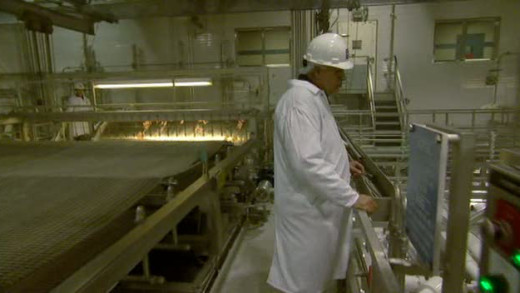 1:33:34
Food, Inc.
What does the corporate-controlled food industry look like? Film-maker Robert Kenner lifts the veil on today's food industry, exposing the underbelly that has been hidden from view of the consumer with the cooperation of government regulatory agencies such as the USDA and FDA. The food supply is now controlled by a handful of corporations that put profit ahead of consumer health, the livelihood of the farmer, the safety of workers and of course, the environment. We have bigger-breasted chickens, the perfect pork chop, herbicide-resistant soybean seeds, even tomatoes that won't go bad. But we also have new strains of E. coli—the harmful bacteria that causes illness for an estimated 73,000 Americans annually; are riddled with widespread obesity, particularly among children; and an epidemic level of diabetes among adults. And the whole mess is exacerbated by opportunistic politics—the tools of Big Agriculture running the very regulatory agencies that are supposed to protect the public—and consumers who have become accustomed to eating whatever they want whenever they want, in quantities they don't need...
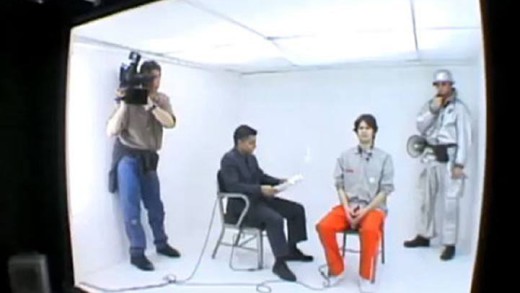 1:28:41
This film explores what affect the web is having on our society, as seen through the eyes of "the greatest Internet pioneer you've never heard of." Josh Harris--often called the "Andy Warhol of the Web"--founded a website during the renowned dot-com boom of the 1990s which was the world's first Internet television network. This concept was way ahead of its time. Using this platform, before broadband, a vision of that future was exemplified at an underground bunker in New York City where over 100 people lived together completely on camera, non-stop and unedited for 30 days over the millennium. These happenings, documented through We Live In Public, serve as a powerful analogy for the Internet as it's now known today and the price we pay for living in its 'public.' It shows the costs of willingly trading privacy and sanity for a constant voracious audience, attention, and the pursuit of celebrity, in an online world of pervasive surveillance.
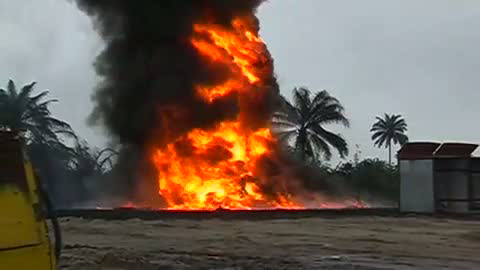 28:40
28:40The Niger Delta is still an environmental disaster after more than fifty years of oil exploitation. One and a half million tons of crude oil has been spilled into the creeks, farms and forests so far. Natural gas contained in the crude oil is burnt off in gas flares which spread toxins, acid rain and destroy crops. Poison Fire documents the life of the locals in impoverished communities, creeks full of crude oil, devastated mangrove forests, wellheads leaking gas, all working to fight against oil giant Shell to at least stop the toxic gas flares...
 1:19:36
The Garden
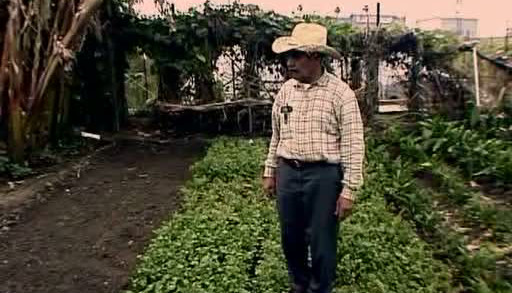
The Garden tells the story of South Central Farm -- a 14 acre community garden and urban farm located in Los Angeles, California, which was in operation between 1994 and 2006. The entire lot is evicted and demolished against overwhelming local support for the farm and also despite the community raising an incredible amount of money to purchase the land from the owner. The owner refuses to sell and the land is demolished and still sits vacant, unused...
 1:44:06
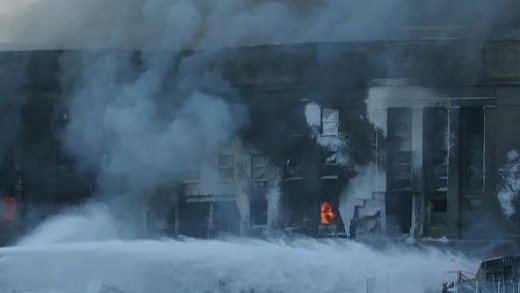
Zero: An Investigation into 9/11 posits that the official narrative of the events surrounding the attacks of September 11 cannot be true. The film explores the various facets of that premise by testing scientific evidence and dramatic witness testimony against the official account to demonstrate its many shortcomings, contradictions, gaps and omissions. The question is posed that if the thesis of this film is correct, and the official narrative is false, then the entire justification for the ensuing wars of terror, rampant human rights abuses, and the curtailment of civil liberties, is built on a complex series of outrageous lies.
 1:12:08
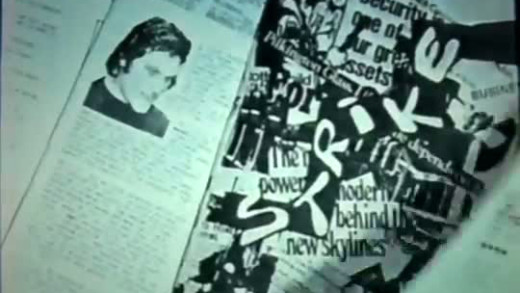
Between 1970 and 1972, a group of activists used weapons to symbolically attack property, sparked by demonstrations in London against the Vietnam War. Calling themselves the Angry Brigade, the group published a series of communiqués with the actions, explaining the choice of targets and the philosophy. Targets included the embassies of repressive regimes, police stations, army barracks, boutiques, factories, government departments and the homes of Cabinet ministers, the Attorney General and the Commissioner of the Metropolitan Police. The attacks on senior authority figures increased the desire for 'results' and consequently brought an avalanche of police raids. But from the start the police were faced with the difficulty of getting to grips with the section of society they found to be totally alien -- were they facing an organisation, or an idea?
 45:05
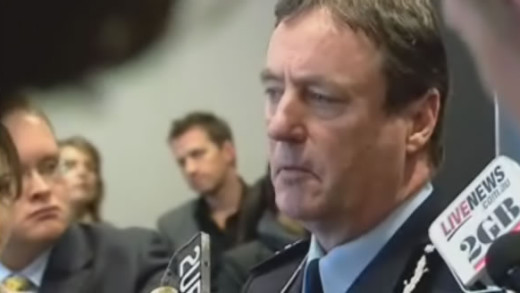
45:05The Australian Federal Police--the glamour police force that was set-up after the Sydney Hilton Hotel Bombing in 1978--has enjoyed consistent showers of praise by politicians and the public ever since it's inception. However, the once-lionised AFP is now being ridiculed for bungling, excessive secrecy and collusion after the catastrophic failings of the "terrorism case" against Dr Mohammed Haneef. Good Cop, Bad Cop reveals how the Haneef case is a symptom of the deep cultural problems that beset the AFP...
 48:39
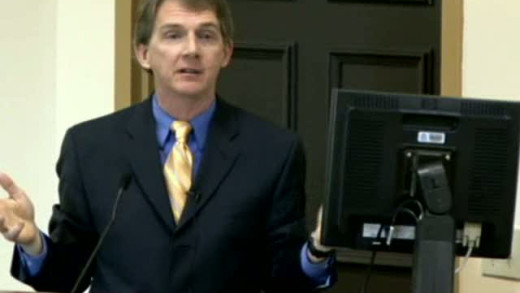
48:39Law Professor James Duane from the Regent Law School in Virginia Beach, Virginia; and Police Officer George Bruch from the Virginia Beach Police Department, both explain why even innocent people should never talk to the police or agree to answer questions from the police. Citing a trove of examples and even though pertaining to US law, this talk is particularly applicable for political activists the world over as Security Culture 101.
 1:29:35
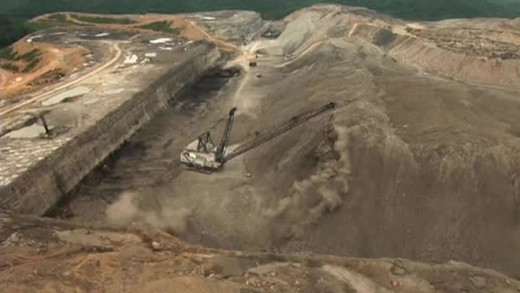
Burning The Future documents the devastating environmental and social impacts of coal mining specifically in West Virginia in the United States, where mountaintop removal mining has obliterated 1.4 million acres of mountains, polluted the groundwater, destroyed farm land and communities. The film follows a group of people directly affected by mining who venture to challenge the coal industry with the intent to protect mountains, save their families, and preserve life. However, their efforts are hampered by the systems that protect coal interests, the interests of business and industrial civilisation. This film shows the imperative need to fight back against powerful mining magnates, and how common legal channels of persuasion and reform simply do not exist. How do we stop these massive mining magnates from killing the world we live in?
 1:26:15
From styrofoam cups to artificial organs, plastic is perhaps the most ubiquitous and versatile material ever invented -- no product in the past 100 years has had more a profound influence and presence than synthetics. But such 'progress' has a cost -- no ecosystem or segment of human activity has escaped the strangling grasp of plastic. Addicted To Plastic investigates what we really know--and don't know--about this material. Talking to manufacturers, recyclers, cleaners, scientists and others, Addicted To Plastic shows plastic's toxic legacy and devastating ecological impact, provoking serious questions about health, food and the environment...
 1:23:32
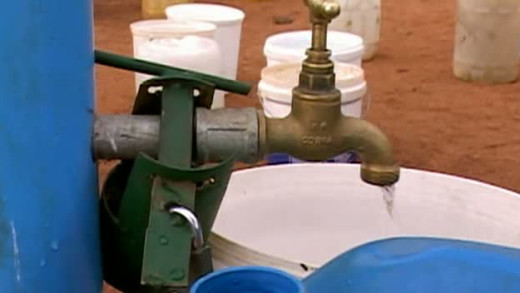
Flow—For The Love Of Water builds a case against the growing privatisation of the world's dwindling fresh water supply with a specific focus on human rights, pollution, the politic of corporate influence in the emergence of a domineering global water cartel. The film names and clearly documents many of the culprits, while asking the question—can anyone really 'own' water?
 1:49:01
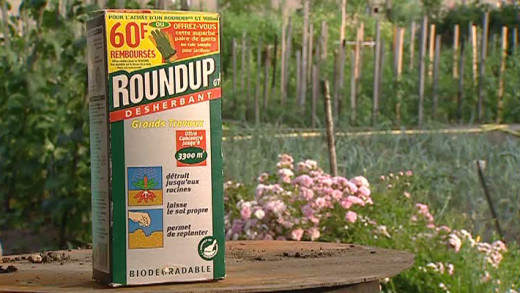
Monsanto corporation seems to be stopping at nothing: Controlling corn, wheat, soy beans, canola, mustard, okra, bringe oil, rice, cauliflower... Once they have established the norm, they aim to claim all these seeds as their intellectual property, royalties will be collected and enforced by patent law. If Monsanto controls seed, they control food and they know it. It's strategic. It can be more devastating than bombs, it can be more powerful than guns. This is their way to control the populations of the world, and as The World According to Monsanto reveals, it's governments in the cross-hairs also.