 1:29:39
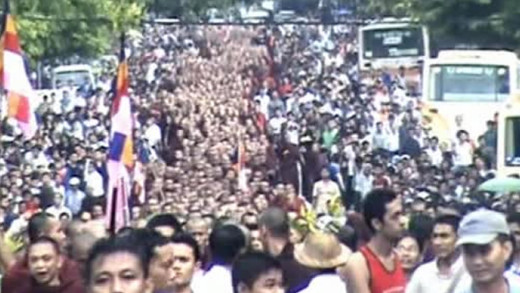
By risking torture and life in jail, courageous young citizens of Burma live the essence of journalism as they document the uprisings against the military regime in 2007. Armed with small handycams, the Burma VJs stop at nothing to make their reports from the streets of Rangoon. Their video footage is smuggled out of the country and broadcast back in via satellite and offered up for use in the international media. The whole world witnesses single event clips made by the VJs, but for the very first time, the individual images have been put together here to tell a much bigger story...
 31:41
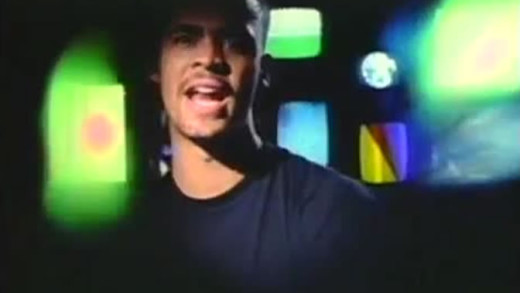
Television has colonised human storytelling--not only has creating and passing on culture been usurped by television and corporate media, today dominant culture is television and corporate media. The Electronic Storyteller outlines these changes and shows the cumulative impacts that television and mass media has on the way we think about ourselves and how we construct views of the world around us. With a focus on the stories of gender, class, and race, The Electronic Storyteller delivers an analytical framework to understand the pervasive forces behind what is at stake in the new world of saturated media and controlled imagery...
 1:04:21
Class Dismissed examines the role of television in the ways in which race, gender, and sexuality intersect with class, offering a more complex reading of television's often one-dimensional representations. The patterns inherent in the depictions of working class people are as either clowns or social deviants, stereotypical portrayals that reinforce the myth of meritocracy and have systemic social implications. By citing plenty of examples from today's sitcoms, reality shows, police dramas, and daytime talk shows, Class Dismissed links television's portrayals to negative cultural attitudes and public policies that directly affect the lives of working class people. A new media must be envisioned and created.
 1:28:12
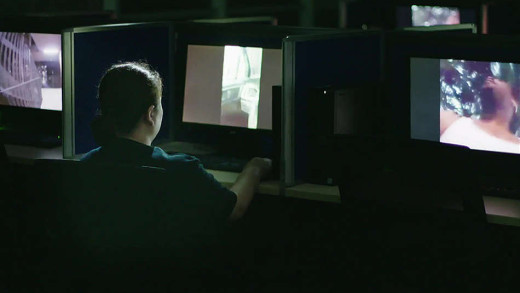
How do online giants such as Facebook and Google deal with problematic content posted to their platforms every minute? They outsource the act of "digital cleaning" to teams of people paid a pittance in countries such as the Philippines, to act as content moderators. It's these hidden low-paid workers, in giant click farms, that spend long shifts removing posts and deleting accounts. So how do their decisions influence what the billions of people using social media all around the world see and think? What are the policies they are told to enforce? Are the cleaners part of the online world of clever hoaxes and fake news, or are they on the frontline of social media spectacle and furor?