 1:01:19
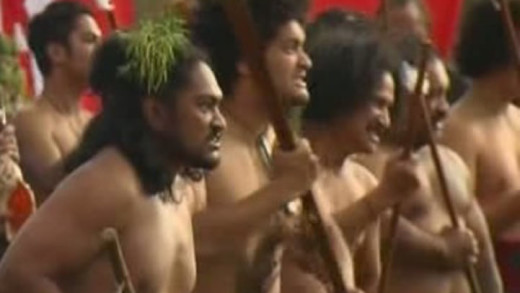
Tūhoe -- History Of Resistance documents the fight for justice of the Tūhoe people of Te Urewera, Aotearoa (New Zealand). Set on contested land in the Urewera ranges of the middle North Island, the film presents the ways of Māori--the indigenous peoples of the land.
 1:27:01
The Take
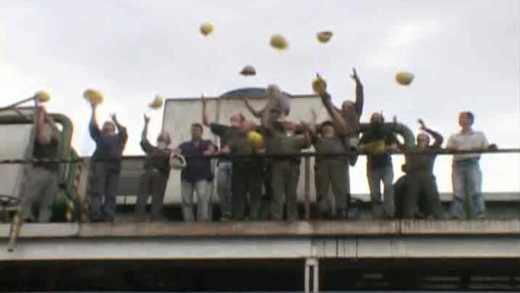
The Take documents the story of workers in Buenos Aires, Argentina who reclaim control of a closed auto-plant where they once worked and turn it into a worker cooperative. The factory closed as a result of the economic policies of the government under the watchful eye of the IMF. While in bankruptcy protection, the company appeared to be selling off property and inventory to pay creditors -- a move which further reduced the chances of the facility returning to production. Though as the movement gains strength, having started with a garment factory several years earlier, the factory workers wade through courts and the legislative system, finally establishing their own control and winning the right to operate it themselves, as a cooperative...
 1:17:28
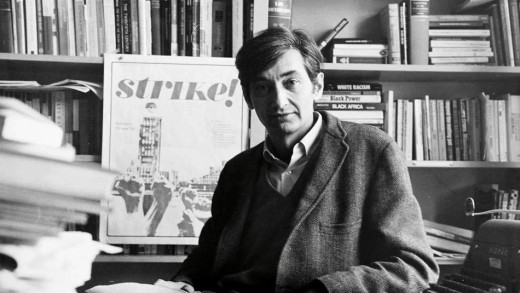
This film profiles Howard Zinn, historian, political scientist and author, who tells us the personal stories about more than thirty years of fighting for social change, from teaching through to recent protests against war. A former bombardier in World War II, Zinn emerged in the civil rights movement in the United States as a powerful voice for justice. Although a fierce critic, Zinn gives the viewer inspiration in that by learning from history and engaging politically, we can each do our part to make a difference in the world.
 1:26:31
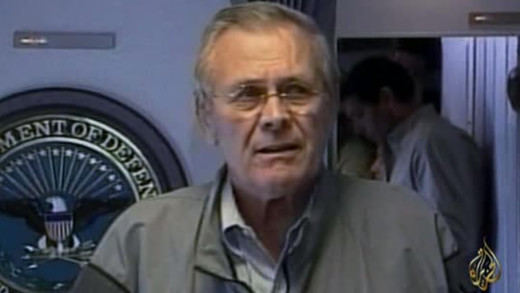
Control Room presents a rare window into the US invasion of Iraq from the perspective of Al Jazeera, the Arab world's most popular news outlet. Widely criticized and condemned by military figureheads, government officials and the mainstream media in the west for reporting with a "pro-Iraqi bias", airing civilian causalities, as well as showing footage of American POWs, Control Room reveals the situation in Iraq that the US government does not want you to see...
 31:44
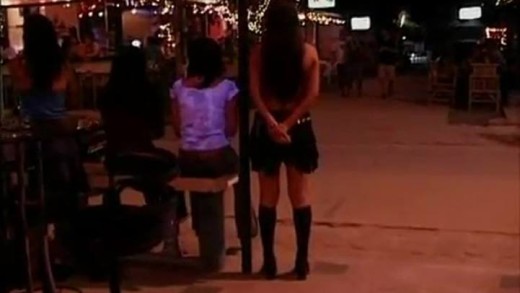
31:44With its tropical beaches and buzzing nightlife, the island of Koh Samui in the Gulf of Thailand attracts many hundreds of thousands of tourists each year. The island is renowned in the West for sex tourism, and every year many male tourists form relationships with women working in the bars of Koh Samui. But how does this work? And what dynamics are at play? Love Me Long Time is a film that speaks to the men that travel back and forth to Thailand for these holiday romances that are for sale in a country ravaged by the oppression of the west, human trafficking and prostitution driven by poverty. Do these men know what they're doing?
 1:39:05
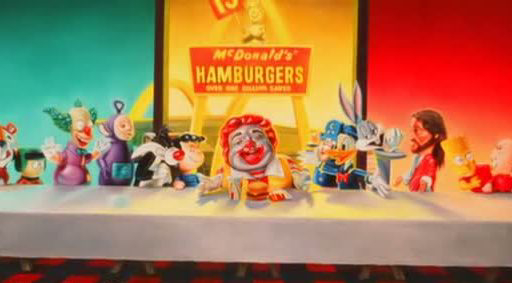
Several lawsuits have been brought against McDonald's corporation in that they are knowingly selling food that is unhealthy. Some of the court decisions have stated that consumers would have a claim if they could prove that eating the food every day for every meal is dangerous. So with that, Super Size Me follows film-maker Morgan Spurlock conducting the experiment -- he eats only McDonald's for thirty days, three meals a day, and if asked to super size a meal, he has to say yes. By the end of the thirty days, he will have eaten every single menu item at least once. The film documents the drastic effect on Spurlock's health, while exploring the fast food industry's corporate influence, advertising and how it encourages poor nutrition for its own profit...
 1:59:02
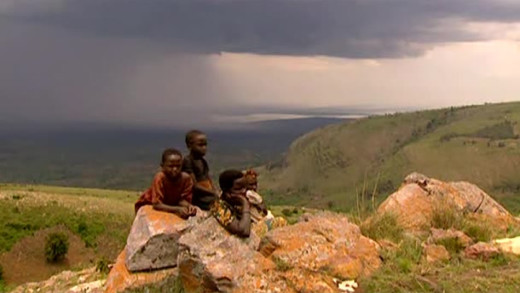
Ghosts of Rwanda marks the 10th anniversary of the genocide in Rwanda—a state-sponsored massacre in which some 800,000 Rwandans were methodically hunted down and murdered, as the United Nations and other states refused to intervene. The film examines the social, political, and diplomatic failures that converged to enable the genocide to occur. Through interviews with key government officials, diplomats, soldiers, and survivors of the slaughter, Ghosts of Rwanda presents first-hand accounts of the genocide from those who lived it—the diplomats on the scene who thought they were building peace only to see their colleagues murdered; the Tutsi survivors who recount the horror of seeing their friends and family slaughtered by Hutu friends and co-workers; and the UN peacekeepers in Rwanda who were ordered not to intervene in the massacre happening all around them.
 32:44
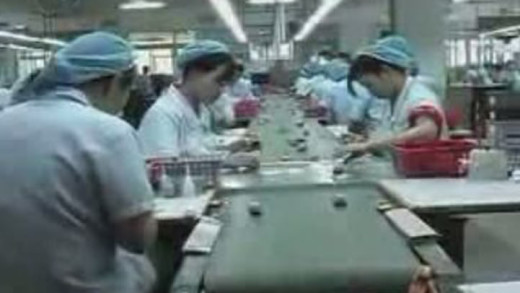
32:44Santa's Workshop -- Inside China's Slave Labour Toy Factories shows the long working hours, low wages, and the dangerous work and conditions inside these toy factories. Workers who protest or try to organise unions risk imprisonment. Low labour costs and government protections for multinational corporations attract more and more companies to China. Figureheads blame the Chinese suppliers, but they say in the same sentence that increasing competition gives them no option. What and whom to believe?
 31:54
31:54Based on the book of the same title by Juliet Schor, The Overspent American scrutinises the form of consumerism ever-pervasive in this current era that is driven by upscale spending and debt; shaped and reinforced by a media system driven by commercial interests. We're encouraged from all angles to spend money we don't have, working longer hours than ever before. Illustrated with hundreds of examples, The Overspent American draws attention to both the financial and social costs of this giant consumption machine, where the frivolous and relentless search for "happiness" and identity is espoused by advertising.
 1:08:32
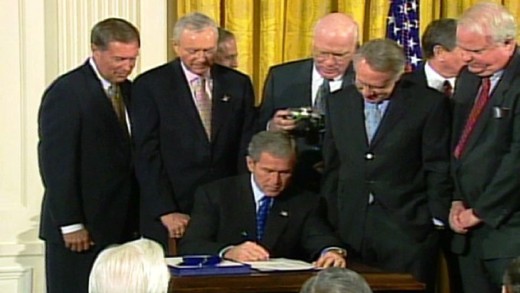
A few weeks after the September 11 attacks in 2001, the United States congress quickly passed the USA PATRIOT Act--a complicated and controversial law which was purportedly required to help with tracking future terrorist threats. Unconstitutional sets out to explain this law and examine its true impact. Citing a trove of examples from people whose lives have been directly effected, what we see is how law enforcement has rounded up Muslims and people with Arabic names to detain them for wild unspecified lengths of time without due process or even charges; the massive curtailment of civil liberties; erosion of enshrined privacy rights, increases in surveillance; and the abuses of Guantanamo Bay and Abu Ghraib.
 1:28:50
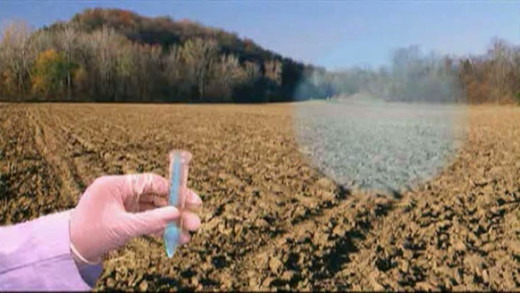
The Future of Food brings together the many complex issues surrounding the troubling changes that have occurred in the industrial food system during the past decades—genetically modified food, seed patenting, pesticides; and the corporate takeover of the entire food chain, from soil to seed to fork. The issues raised in The Future of Food are more pressing than ever, as the collusion between governments and large multi-national corporations is more visibly on display than ever before—the use and abuse of the legal system, politicking, and privatisation drive this rapacious strangle hold on much of the world's food. The film focuses on unlabelled, patented, genetically engineered foods that have been sold in supermarkets in the United States, unbeknownst to the public, for the past decade. In addition, there is a focus on Canada and Mexico. Also described is the concern about 'terminator' GMO seeds that pose a huge threat to diversity and local food systems. Genetically modified food is as controversial today as ever, and The Future of Food presents a vital educational tool for activists and educators worldwide.
 1:23:21
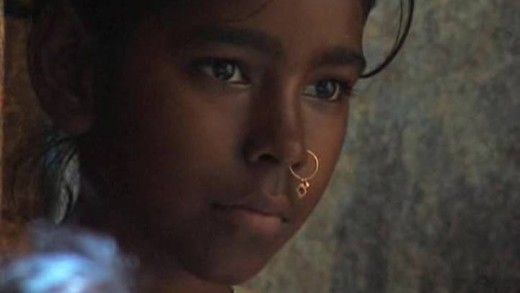
Amidst the supposed growing prosperity of India, there remains a dark underbelly of poverty. Born Into Brothels chronicles this through the lens of Kolkata's red light district where film-maker Zana Briski inspires a group of children of the prostitutes of the area to photograph the most reluctant subjects of it. As the kids excel in their new found art, will this help them have a chance for a better life away from the miserable poverty that threatens to crush their dreams?
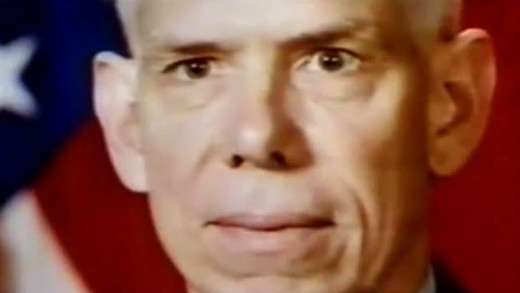
Crazy Rulers of the World is a series that investigates what happens when chiefs of the United States intelligence agencies and the army began believing in very strange things. With first-hand access to the leading characters in the story, filmmaker Jon Ronson examines the extraordinary and bizarre national secrets at the core of the war on terror.
 43:51
43:51Spin the Bottle critiques the role that popular culture plays in glamorising excessive drinking and high-risk behaviour, in contrast to the ways alcohol affects the lives of real young men and women in reality. This film decodes the power and influence of seductive media images to show how they shape personal identity when linked to the use of alcohol. Nowhere is this link more apparent than on America's college campuses. By exploring the party scene, Spin the Bottle also shows the difficulties young people have in navigating a cultural environment saturated with messages about gender and alcohol. Interviews with health professionals provide a clear picture of how drinking impacts student health and academic performance, but it is the students' own experiences and reflections that tell the real story behind alcohol's alluring public and cultural image.
 1:10:16
There is an staunch connection between medical science, the pharmaceutical industry and the structures of modern society. Drug manufacturers today fund aggressive marketing campaigns designed to create public awareness of "previously unknown diseases," or conditions known by less dramatic names in order to sell pharmaceutical drugs and other psychotropic interventions. Shyness is thus marketed as "Social Anxiety Disorder," worry becomes "Generalised Anxiety," and premenstrual tension as "Premenstrual Dysphoric Disorder" which must be treated by drugs made popular through advertising, such as Paxil, Zoloft and Prozac. These drugs have become household names, not to mention a 20 billion dollar a year racket. How? Why?
 1:19:14
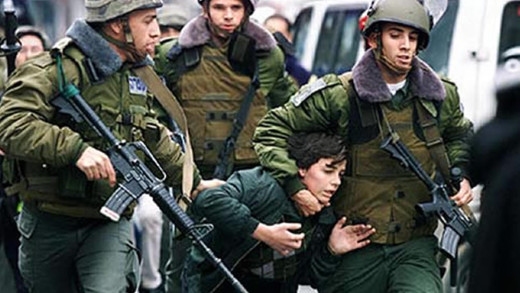
By providing a striking comparison of U.S. and international media coverage of the crisis in the Middle East, Peace, Propaganda and The Promised Land zeros in on how structural distortions in U.S. media coverage have reinforced false perceptions of the Israeli-Palestinian conflict and how, through the use of language, framing and the context of the Israeli occupation of the West Bank and Gaza remains hidden in the news media...
 49:56
49:56The Carlyle Group is one of the largest investment banks in the world. Based in Washington, it has accumulated its wealth mainly by investments in defence--a lucrative market in the continued tradition of American war, imperialism and militarism. A strange coincidence? Their list of private investors include George Soros, the Saudi Royal Family and the Bin Laden Family. How does the Carlyle Group really operate and who are the people behind it?
 1:17:43
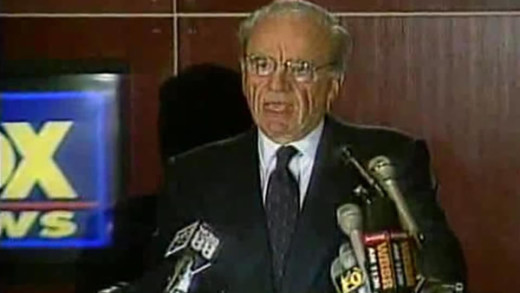
The global growth of Rupert Murdoch's media enterprise is cause for concern. The concentration of media ownership on a global scale in the hands of one man infringes on the freedom of the press by definition at the very least. But the real life example here is Fox News and it's own claim of being "Fair and Balanced" -- one only has to look at the coverage of the invasion of Iraq for example, or "commentators" such as Bill O'Reilly or Sean Hannity and the interactions they have with their "guests"; the vast political connections between Fox News, the Whitehouse and the Pentagon propaganda unit; the suppressed news stories, the censorship, the manipulation and control over the "news" by Murdoch and the president Roger Ailes themselves, not to mention the control over reporters, with former journalists alleging that Fox News asked them to lie and when they refused they were fired. Even lawsuits entailed from this with the court ruling that it is not against the law to lie on a news program...
 39:28
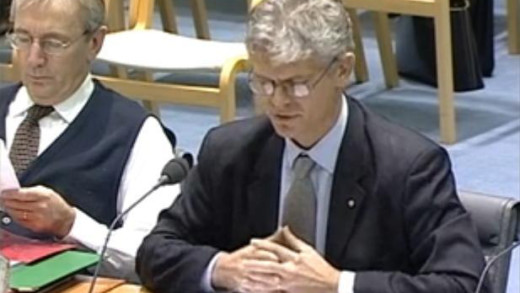
39:28Outsourcing Torture documents the account of Mamdouh Habib, an Australian Muslim arrested in Afghanistan during a "general round up" where he was sent to Egypt to be tortured. Three years after his arrest, Mahdouh Habib is still imprisoned in Guantanamo, still not having been charged with any crime...
 1:13:36
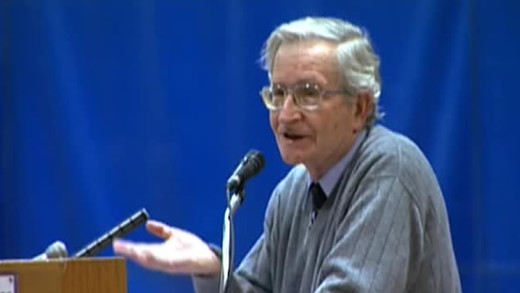
Rebel Without A Pause follows renowned linguist and activist, Noam Chomsky through discussions and talks on various world events such as the invasion of Iraq, the September 11th attacks and the War on Terror. Chomsky also weaves in accounts of media manipulation, social control, and discusses the workings of the politics of fear. The film combines footage from large forums to small interactive discussions on these topics, as well as reflections from others...
 41:47
41:47No Logo
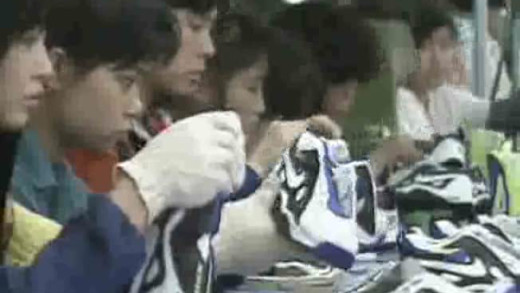
In the age of the brand, logos are everywhere. But why do some of the world's best-known brands find themselves at the end of spray paint cans and the targets of anti-corporate campaigns? No Logo, based on the best-selling book by Canadian journalist and activist Naomi Klein, reveals the reasons behind the backlash against the increasing economic and cultural reach of multinational companies. Analysing how brands like Nike, The Gap, and Tommy Hilfiger became revered symbols worldwide, Klein argues that globalisation is a process whereby corporations discovered that profits lay not in making products (outsourced to low-wage workers in developing countries), but in creating branded identities people adopt in their lifestyles. Using hundreds of media examples, No Logo shows how the commercial takeover of public space, the restriction of 'choice', and replacement of real jobs with temporary work -- the dynamics of corporate globalisation -- impact everyone, everywhere...
 37:29
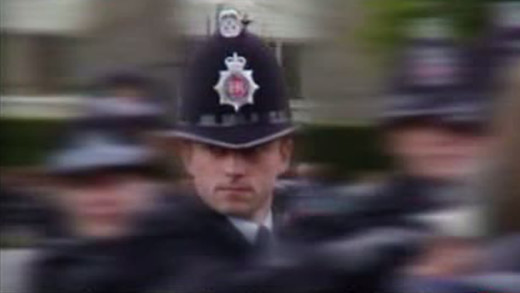
37:29The Secret Policeman exposes first hand evidence of racism in the British police forces, revealing how much it has been driven underground since 2002 when a government inquiry branded the police as institutionally racist. Undercover journalist Mark Daly joins the Greater Manchester Police as a trainee, and infiltrates Bruche Police Training Centre in Warrington, Cheshire for several months using hidden cameras to capture direct instances of racism throughout the police force.
 50:53
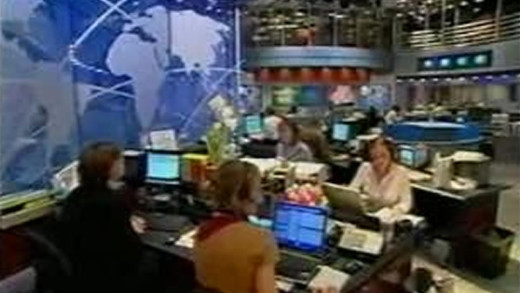
50:53How does one sell a war? This was a question that weighed heavy on the minds of those in the United States government long before the invasion even started. Operation Saddam: America’s Propaganda Battle takes a look at the marketing of war -– a cocktail of distortion, lies and forgeries -– as shown by former secret service agent Ray McGovern, American investigative journalist Seymour Hersh and best-selling author John MacArthur, presenting the individual stages of the propaganda battle, by which American, British and other governments sought to justify the second invasion of Iraq...
 40:24
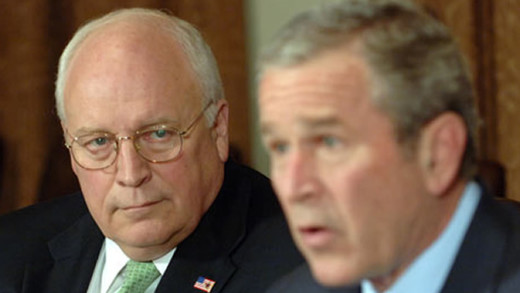
40:24As the U.S. stands at the brink of invasion into Iraq, many are now warning about the potential consequences: the danger of getting 'bogged down' in Baghdad, the prospect of long-time allies leaving America's side, the possibility of chaos in the Middle East, the threat of 'renewed terrorism'. The Bush administration insiders who helped define the doctrine of pre-emption and who have argued most forcefully for invasion, are determined to set a course that will "remake America's role in the world"...
 1:23:06
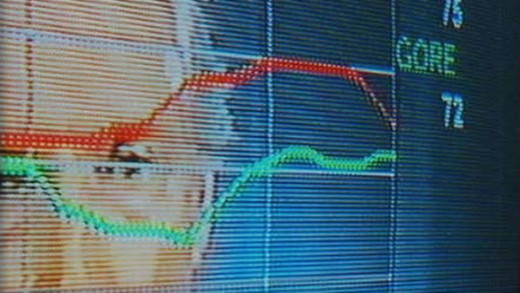
Each year, legions of ad people, copywriters, market researchers, pollsters, consultants, and even linguists spend billions of dollars and millions of hours trying to determine how to persuade consumers what to buy, whom to trust, and what to think. Increasingly, these techniques are migrating to the high-stakes arena of politics, shaping policy and influencing how Americans choose their leaders. In The Persuaders, renowned media scholar Douglas Rushkoff explores how the cultures of marketing and advertising have come to influence not only what we buy, but also how we view ourselves and the world around us. The Persuaders draws on a range of experts and observers of the advertising and marketing world, to examine how, in the words of one on-camera commentator, “the principal of democracy yields to the practice of demography,” as highly customised messages are targeted to individuals using technology and fine-tuned social engineering techniques.
 43:02
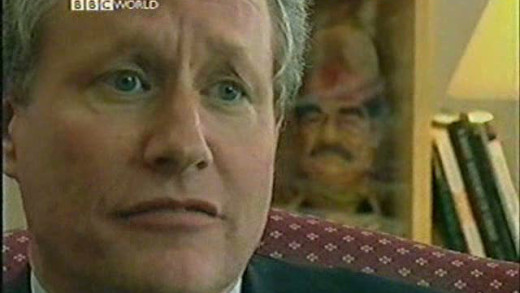
43:02They brought us war in Iraq, the promotion of "American global leadership," pre-emptive strikes; the "spreading of Democracy." This is the Project for the New American Century. But what do the hawks in Washington have in store for the world now? The War Party investigates this group of beurocrats responsible for the Project for the New American Century, called the neo-conservatives. This interconnected, dispersed group are running the White House in concert of the Bush years and family dynasty. Is it surprising how little has changed?
 1:06:05
In October 2003, an extraordinary uprising challenged the United States empire and kicked out President Gonzalo Sánchez de Lozada -- a representative of the United States administration and transnational corporate interests. The people are calling for new forms of representation and organisation that question the portrayed notions of democracy and traditional political parties. In February 2003, a mutiny by the police against the imposition of income taxation on the poor to fulfil IMF demands, provoked the withdrawal of tax measures; throughout 2002, peasants revolted against the US-imposed 'coca war' -- the coca-eradication plan -- that would've destroyed the only possible source of survival for thousands of people. In 2001, the people of Cochabamba fought successfully against the a most outrageous form of privatisation -- of the water supply -- forcing the government to cancel the agreement with Bethell, a US-based company...
 1:20:48
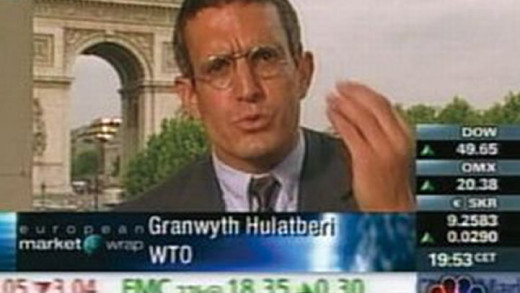
The Yes Men are a culture-jamming activist-duo from the United States that are known for their impersonations of entities that they dislike as a form of protest. Using spoofed personas, they spread awareness of problematic social issues through the mainstream media. The two have also created and maintained fake websites, which have even led to numerous interviews, conferences, and TV invitations for their spoofed personas to espouse the truth about just how corporations and governmental organisations often act in dehumanising ways toward the unwitting public. In this film, we see how the two Yes Men take on the World Trade Organisation and confront the brutal realities of globalisation using satire and tactical media to get their message across, culture-jamming the corporate interest.