Films about uranium
 1:53:21
Stuxnet is a malicious computer virus, first identified in 2010, that targets industrial computer systems and was responsible for causing substantial damage to Iran’s nuclear program, as well as spreading across the world. The virus is believed by many experts to be a jointly built American-Israeli cyberweapon, although no organisation or state has officially admitted responsibility. Zero Days covers the phenomenon surrounding the Stuxnet computer virus and the development of the malware software known as “Olympic Games.” It also examines the follow-up cyber-plan entitled ‘Nitro Zeus,’ showing how the United States has opened the Pandora’s Box of cyberwarfare.
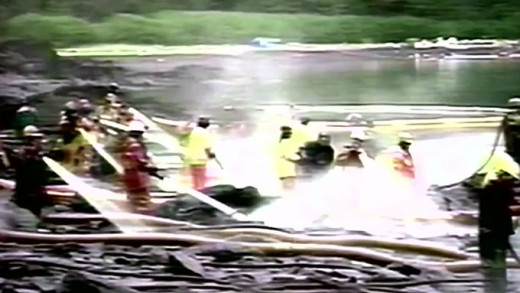
Stop the Flows is a media project in progress to document resistance movements around the world that are working towards stopping the flows of oil and gas, minerals and other natural ‘resource’ extraction from within their communities, territories and landbases; as well as stopping the flow of the tremendous amounts of wealth generated from these destructive activities. This series aims to support and capture the many forms of organising, direct-action, protest and resistance movements throughout the world working to end mining, the oil economy, nuclear power and more…
 52:53
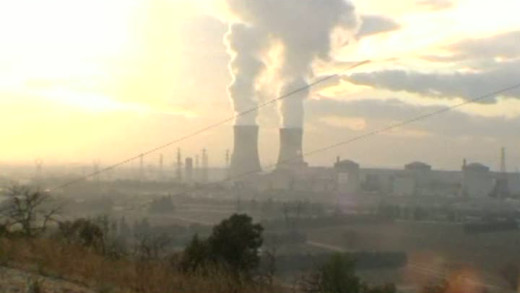
52:53In Europe, nuclear energy is popularly touted as supposedly the best way to “save the climate.” But what’s wrong with that argument? Nuclear power stations run on uranium and the by-products are harmful, toxic and controversial for hundreds of thousands of years, not to mention the many dangerous effects of mining for the mineral on the environment and humanity…
 1:18:32
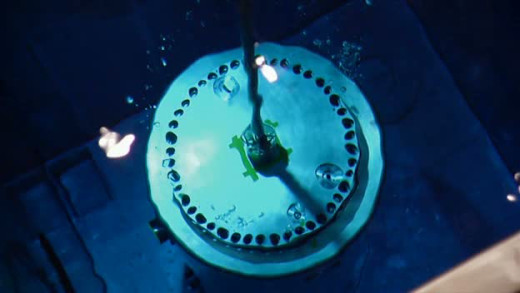
Every day, the world over, large amounts of high-level radioactive waste is placed in interim storages which are vulnerable to natural disasters, human-caused disasters, and societal changes. In Finland, the world’s first ‘permanent’ repository is being hewn out of solid rock—a huge system of underground tunnels that must last hundreds of thousands of years. Once the waste has been dumped and the ground is full of this waste, the land is to be sealed off with concrete and “never be opened again.” Or so the builders of this dump can hope. But can they ensure that? How is it possible to warn future generations of the deadly waste that’s left behind by this culture? How do we prevent future generations from thinking they have found the ‘pyramids’ of our time, mystical burial grounds, or hidden treasures? Into Eternity is a film about the insanity of nuclear power and the consequences that have impacts for hundreds of thousands of years.
 53:12
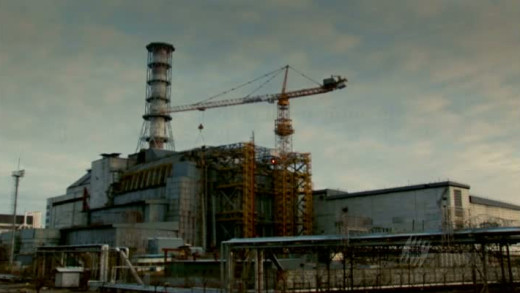
53:12The Nuclear Comeback embarks on a tour of the nuclear industry, documenting some of the most ‘famous’ nuclear facilities worldwide — the control room of the Chernobyl nuclear power plant, the UK’s Calder Hall, a nuclear waste repository under the Baltic Sea, the Ranger uranium mine in Australia, and one of only two nuclear waste “recycling plants” in the world. In addition of the links to nuclear weapons, the nuclear industry has a reputation for accidents and cover-ups. What are the ‘risks’? What to do with the 100,000+ year legacy of dangerous radioactive waste? Is this insane?
 49:53
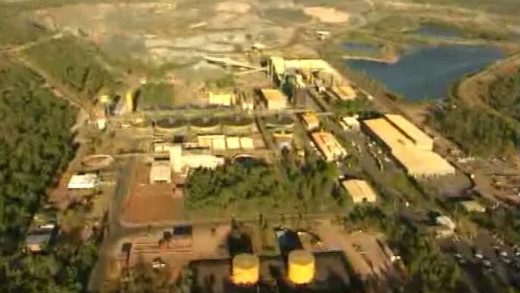
49:53Fight For Country tells the story of one of Australia’s largest ever land rights and environmental campaigns, to stop the building of a second uranium mine within the World Heritage listed Kakadu National Park in the Northern Territory, Australia. In 1998 the issue came to a head when Indigenous elders and activists called on people to come from around Australia and the world to blockade the construction of the mine and proposed ‘uranium deposits’, collectively called Jabiluka. The film follows activists and speaks with Aboriginal people about the impacts of the mine, following the community response and protest actions against the mines development, where over 500 people were arrested in the course of the eight-month blockade.
 28:46
28:46In 1983, the Australian Government approved the construction of Olympic Dam uranium mine at Roxby Downs in central South Australia, despite overwhelming opposition by the traditional indigenous land owners—the Kokotha and Arabunna people—and other Australian’s in the community. With an approval for expansion of the mine 14 years later, this film documents one of the many events organised in protest of the mine, as well as other actions to raise awareness of the many impacts of uranium mining in Australia.
 48:00
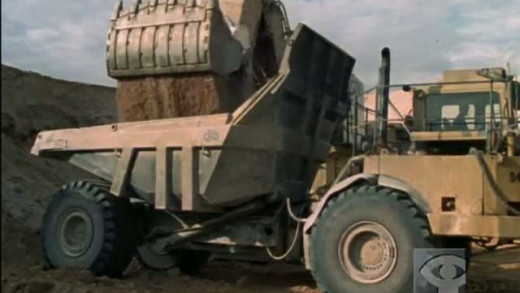
48:00Focusing specifically on mines in Canada, Uranium examines the hazards of uranium mining, the toxic and radioactive waste involved at every stage of the process, as well as the wholistic way that indigenous communities have been violated and destroyed by mining and refining practices throughout the country and the world…