Films about governments
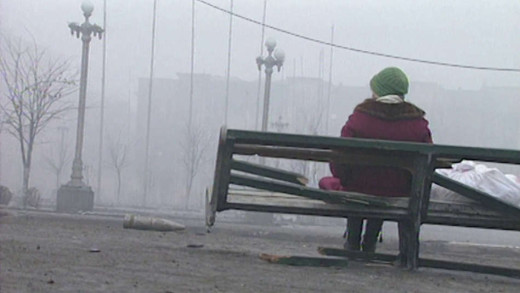
Since the late 1980s, BBC news crews have filmed all across the Soviet Union and Russia, but only a tiny portion of their footage was ever used for news reports. The rest was left unseen on tapes in Moscow. Filmmaker Adam Curtis obtains these tapes and uses them to chronicle the collapse of the Soviet Union, the rise of capitalist Russia and its oligarchs, and the effects of this on Russian people of all levels of society, leading to the rise to power of Vladimir Putin, and today’s invasions of Ukraine. The films take you from inside the Kremlin, to the frozen mining cities in the Arctic circle, to tiny villages of the vast steppes of Russia, and the strange wars fought in the mountains and forests of the Caucasus.

The Power of Big Oil is a three-part series that investigates the decades-long failure to confront the threat of climate change and the role of the fossil fuel industry. The series presents a parade of former oil company scientists, lobbyists, and public relations strategists who lay bare how the biggest petroleum firm in the United States, Exxon, and then the broader petroleum industry globally, moved from attempting to understand the causes of a global heating to a concerted campaign to hide the making of an environmental catastrophe. Over three episodes—Denial, Doubt, Delay—the series documents the corporate cooptation of science, the manipulation of public opinion, and political figureheads that mirror conduct by other industries—from big tobacco to the pharmaceutical companies responsible for the opioid epidemic.
 42;26
42;26Mega-corporations like Apple, Amazon, Google and Facebook are incredibly powerful, and their growth shows no signs of slowing down. The pandemic has only them more influential. Experts have long watched as they breach antitrust laws, while also receiving special treatment when it comes to paying low wages, avoiding taxes, flouting laws, and even making their […]
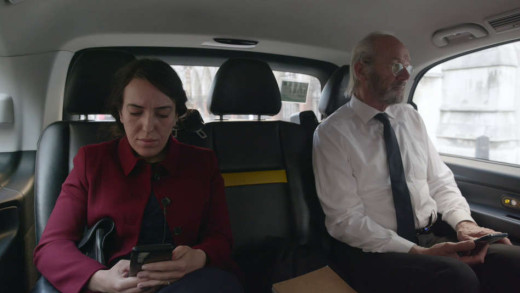
Ithaka depicts the incarceration of WikiLeaks founder Julian Assange through the experience of his wife Stella Assange and his father John Shipton. Julian Assange faces a 175-year sentence if extradited to the United States. His family members are confronting the prospect of losing Julian forever to the abyss of the justice system. This David-and-Goliath struggle is personal, and, with Julian’s health declining in a British maximum-security prison, the clock is ticking. Through this behind-the-scenes view of the extradition hearing, the films grasp the personal cost paid by Julian and the true cost of truth.
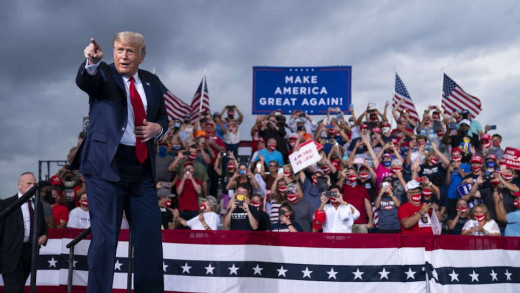
In the United States and elsewhere, both sides of politics have revelled in spectacle and image for many decades. But when Donald Trump, the billionaire reality-television host became president, a new escalation of image and spectacle engulfed dominant culture. The Trump Show is a series that explores the beguiling spectacle of the Trump years, through interviews with former White House staffers, media managers, campaign directors, and other personalities that were close to Trump during his presidency. The series documents how image has now replaced substance in politics in a totalising way, and how false constructions seek to pave over reality through a culture that is deeply rooted in hyper-individualism, fierce and corrupt competition, ideological dogmatism, and post-modern delusions.
 1:28:38
Brazen Hussies documents how a daring and diverse group of women joined forces in Australia to create profound social change, contributing to one of the greatest social movements of the 20th Century. The film weaves archival footage, personal photographs, memorabilia, and lively accounts from the women who reignited the feminist movement in Australia, at times at great personal cost, to show how women began organising around issues such as equal pay, reproductive rights, affordable childcare, and the prevention of family violence and rape. As the story unfolds, these issues go from being dismissed as the outrageous demands of a few “brazen hussies” to becoming crucial elements of mainstream politics. The film documents how ASIO spied on the movement, the pushback from male-dominated media, and the impact of internal struggles, such as the inclusion of lesbians and the relevance of the movement to Aboriginal women. 50 years on, the work of this movement paved the way for where feminism finds itself today. And while the landscape, breadth and diversity of feminism is vastly different, without this movement and the changes it achieved, we wouldn’t be where we are now. Recording and celebrating this important history, offers a valuable opportunity to reassess and discuss where we are now as a society, what gains have been made, what is at risk, and where we are headed.
 1:35:29
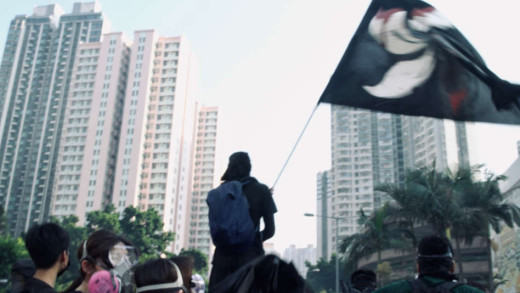
When Hong Kongers took to the streets to protest a controversial extradition bill proposed by China in 2019, it exposed the tensions long brewing in the city. Over two days of conflict, Hong Kong Moments follows a pro-democracy protester, a tea-shop owner, a paramedic, a cab driver, a police officer, and two politicians with conflicting politics as the demonstrations shoehorn the political into the personal. On September 21, 2019, protestors from three districts join forces, resulting in unprecedented violence. Just 10 days later on October 1, the National Day of the People’s Republic of China, previously undecided onlookers show their stripes. Thoughts transform into action in this demonstration of how mercurial and personal Hong Kong’s politics have become.
 1:28:32
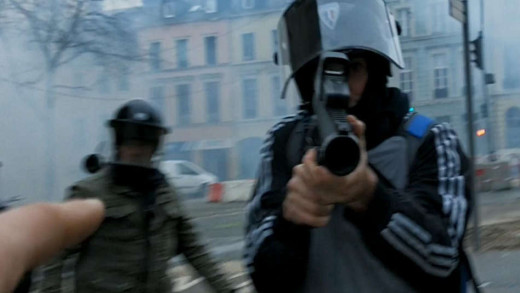
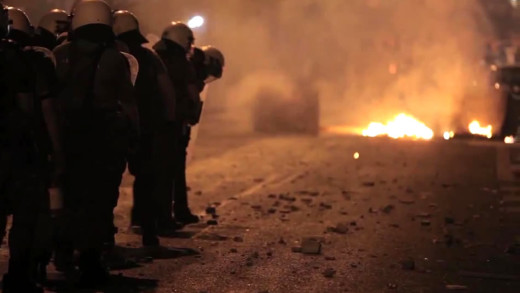
The Monopoly of Violence is a study of police brutality in France, specifically documenting the gilet jaunes protest movement of 2018 and 2019. But the footage could just as easily have been from the United States, or Hong Kong, or Britain. Citing the work of sociologist Max Weber as a starting point, which shows that the state has the monopoly on the legitimate use of physical force, the film expands into the space of questioning a form of policing that descends into systematic brutality and violence. Using footage from demonstrators and independent journalists to ground the analysis, the images are discussed between lawyers, representatives of social movements, academics, police officers, and victims of police aggression. The result is a clarion call for the rights of the citizen, and the accountability and responsibility of the State.
 1:39:18
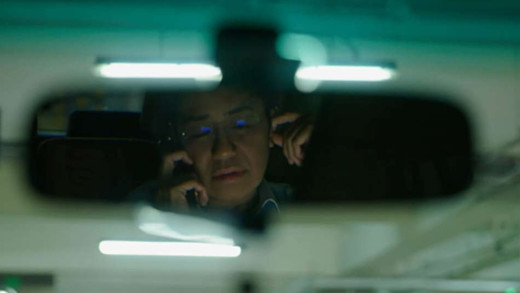
A Thousand Cuts is a timely film about modern-day journalism and freedom of the press inside the Philippines where the political space has been usurped by social media disinformation campaigns, celebrity propaganda spectacle, and direct organised political violence. The film comes as the world awaits the verdict of the case against of Maria Ressa, the CEO and founder of the news network Rappler, who has been vocal about holding president Rodrigo Duterte accountable for his government’s much-criticised and violent “war on drugs.” In what is a salient trend of our time, A Thousand Cuts examines the disinformation campaigns and the crackdown on the media, while journalists Maria Ressa and her team place the tools of their trade—and their freedom—on the line in defence of truth and democracy.
 1:50:13
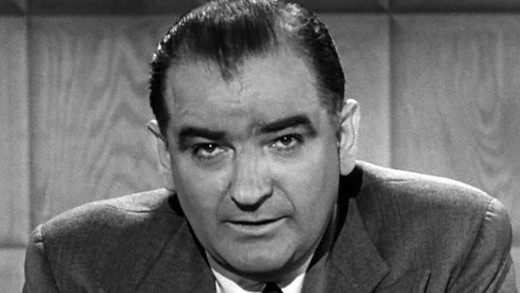
McCarthy chronicles the rise and fall of Joseph McCarthy, the United States senator who came to power after a stunning victory in an election that no one thought he could win. Once in office, he declared that there was a vast conspiracy threatening the United States—not emanating from a rival superpower, but from within. Then, without restraint or oversight, he conducted a vast crusade against those he accused of being “enemies of the state,” a chilling campaign marked by groundless accusations, bullying, intimidation, grandiose showmanship, and cruel victimisation. With lawyer Roy Cohn at his side, McCarthy belittled critics, spinning a web of lies and distortions while spreading fear and confusion. After years in the headlines, he was brought down by his own excesses and overreach.
 1:59:29
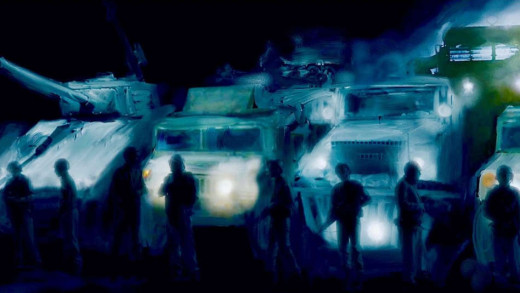
The 1953 Iranian coup d’état was the overthrow of the democratically elected government of Iran in favour of strengthening the monarchical rule of the Shah for the purposes of foreign access to Iran’s oil. BP was at the heart of this story. The operation was orchestrated by the United States under the name TPAJAX Project (Operation Ajax) and the United Kingdom under the name Operation Boot. While making a documentary about this CIA/MI6 coup, Iranian director Taghi Amirani and editor Walter Murch discover never seen before archive material hidden for decades. The 16mm footage and documents not only allow the filmmakers to tell the story of the overthrow of the Iranian government in unprecedented detail, but also leads to explosive revelations about dark secrets buried for 67 years. Working with Ralph Fiennes to help bring the lost material to life, what begins as a historical documentary about four days in August 1953 turns into a live investigation, taking the film-makers into uncharted cinematic territory.
 1:47:27
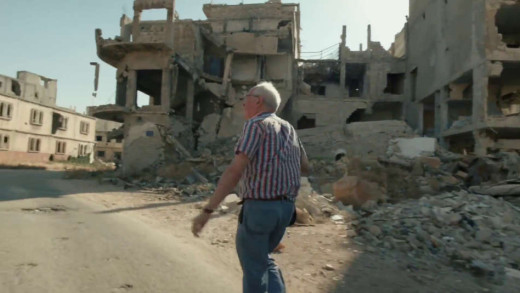
This Is Not a Movie is a profile of the career of Robert Fisk, an influential British war correspondent whose groundbreaking and often game-changing journalism during some of the most violent and divisive conflicts in the world, has been imperative to reporting the reality of war. The film captures Fisk in action, notebook in hand, as he travels into landscapes devastated by war, seeking out the facts on the ground, and firing reports back home to reach an audience of millions. Fisk talks passionately about his process of translating raw experience into incisive and passionate dispatches, while showing his determination to see things first-hand and the tenacity to say what others won’t. In his pursuits of the truth, Fisk has attracted criticism, but in spite of the system stacked against him, and the huge personal risks and dangers, he continues to cover stories as they unfold, talking directly to the people involved. This Is Not a Movie is a homage to Fisk’s legacy to speak truth to power, in an era of fake news, and where journalists are dubbed “the enemies of the people.”
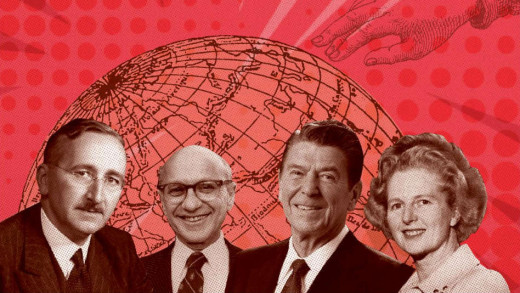
This Is Neoliberalism is a series of video essays that explore the origins and makings of neoliberalism—the dominant ideology of capitalism. The series explains what neoliberalism is and where it came from. Economic liberalisation, privatisation of the public sphere, deregulation of corporations, tax cuts for the rich, “free trade,” “austerity,” and reductions in government spending in order to increase the role of the private sector in society are just some of the many themes of neoliberalism, which as an ideology, fundamentally seeks to increase the power of corporations and ensure wealth remains shifted to the upper class. The series begins in 1918, and takes us up to modern politics, through globalisation, and to the modern ruling economy.
 1:31:50
In 2015, peaceful protests and destructive riots erupted when Freddie Gray, a 25-year-old African American, died in police custody in Baltimore, United States. While the city waited to see the fate of the six police officers involved in the incident, who were all ultimately not punished, Baltimore Rising shows activists, police officers, community leaders, and gang affiliates, who struggled to hold the city together, as the homicide rate hit record levels. The death of Gray by police catalysed the longstanding fault lines in a distraught community, damaged by corruption and inequality. Baltimore Rising chronicles the determined efforts of people on all sides who are working to make their community better, sometimes coming together in unexpected ways.
 57:45
57:45How can we make political change if peaceful demonstration is not effective and violence only brings more violence? War/Peace posits this question by reintroducing two surviving figures from the Weather Underground movement of the late 1960s, Bernardine Dohrn and Bill Ayers. Coming from the hippy counterculture, the Weather Underground was a radical militant organisation, with revolutionary positions characterised by the Black Power and civil rights movements, as well as opposition to the Vietnam War. In 1970, the group issued a “Declaration of a State of War” against the United States government, with the goal to overthrow the government and end United States’ imperialism, culminating in a bombing campaign targeting government buildings along with several banks. War/Peace rewinds to the past to draw out the complexity of these political struggles, and what went wrong, while drawing parallels to the struggles of today, where a lot has changed, but a lot has also remained the same.
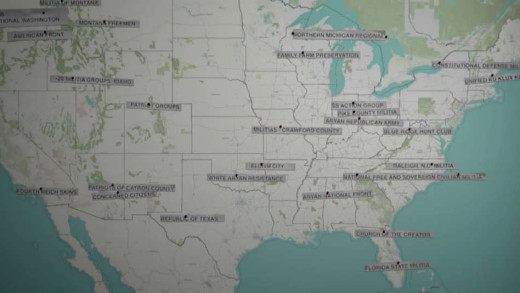
On April 19, 1995, Timothy McVeigh, a former soldier deeply influenced by the literature and ideas of the radical right, parked a truck with a five-ton fertiliser bomb in front of the Alfred P. Murrah Federal building in Oklahoma City. Moments later, 168 people were killed and 675 were injured in the blast. Oklahoma City traces the events that led McVeigh to that day from the perspective of the survivors, first-responders, investigators, and journalists who covered the events. The film provides an exploration of the convergence of various conservative religious movements and white supremacist militias that rose to prominence in the early 1990s, and were catalysed by the actions of government during that time.
 1:12:47
The Great White Hoax contextualises the current day politicking in the United States, with a primary focus on Donald Trump’s race-baiting 2016 campaign for president. The film also widens scope however to show how Trump’s charged rhetoric fits into a long-standing historical pattern in politics in the United States, offering a stunning survey of how racism and racial scapegoating have shaped American politics for centuries. The film becomes a solid resource for a basis on race relations, white privilege, the intersectionality of race, class, and gender identities, presidential politics, and political propaganda in the age of “social media.”
 1:18:01
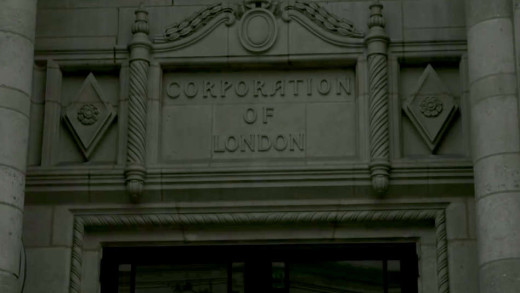
The Spider’s Web: Britain’s Second Empire shows how Britain transformed from a colonial power into a global financial power. At the demise of empire, the City of London’s financial interests created a web of offshore secrecy jurisdictions that captured wealth from across the globe and hid it behind obscure financial structures, and webs of offshore islands. Today, up to half of global offshore wealth may be hidden in British offshore jurisdictions, and these are now the largest players in the world of international finance. Based in part on the book Treasure Islands by expert Nicholas Shaxson, and through contributions from former-insiders, academics, and campaigners for justice, The Spider’s Web reveals how, in the world of international finance, corruption and secrecy have prevailed over regulation and transparency, and how the United Kingdom is a pioneer of the modern corrupt global economy.
 1:53:21
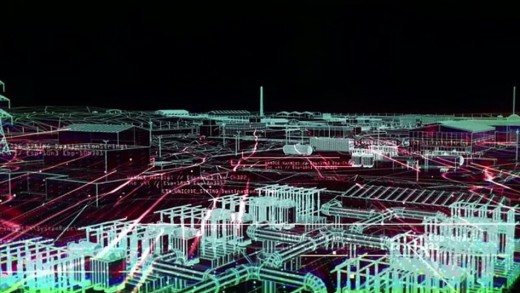
Stuxnet is a malicious computer virus, first identified in 2010, that targets industrial computer systems and was responsible for causing substantial damage to Iran’s nuclear program, as well as spreading across the world. The virus is believed by many experts to be a jointly built American-Israeli cyberweapon, although no organisation or state has officially admitted responsibility. Zero Days covers the phenomenon surrounding the Stuxnet computer virus and the development of the malware software known as “Olympic Games.” It also examines the follow-up cyber-plan entitled ‘Nitro Zeus,’ showing how the United States has opened the Pandora’s Box of cyberwarfare.
 1:32:22
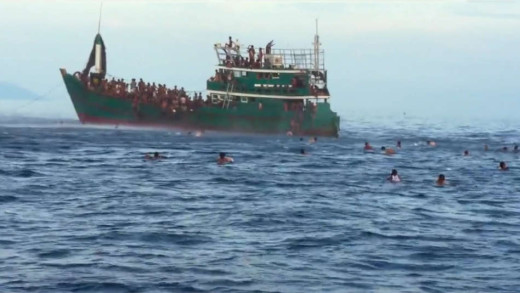
Chasing Asylum explores the human, political, financial and moral consequences of the Australian Government’s “off-shore processing” immigration policy, which is the only country in the world to mandate indefinite detention for adults and children seeking asylum. Since this policy was restarted in 2001, it has grown into an internationally condemned, secretive regime. Inside the detention centres there have been violent deaths, suicides, horrific acts of self-harm, sexual abuse, and mass protests. Composed of footage secretly recorded inside Australia’s offshore detention camps, and explored through the eye-witness accounts of social workers and support workers, Chasing Asylum presents the hidden offshore world, where governments choose detention over compassion, a system of depriving vulnerable people of their basic human rights, and spending huge amounts of money keeping it secret and out of the public eye. The result is a sobering overall picture of a system that asks its citizens to abide by rule of law, but shows little regard to do so itself.
 2:46:31
HyperNormalisation wades through the culmination of forces that have driven this culture into mass uncertainty, confusion, spectacle and simulation. Where events keep happening that seem crazy, inexplicable and out of control—from Donald Trump to Brexit, to the War in Syria, mass immigration, extreme disparity in wealth, and increasing bomb attacks in the West—this film shows a basis to not only why these chaotic events are happening, but also why we, as well as those in power, may not understand them. We have retreated into a simplified, and often completely fake version of the world. And because it is reflected all around us, ubiquitous, we accept it as normal. This epic narrative of how we got here spans over 40 years, with an extraordinary cast of characters—the Assad dynasty, Donald Trump, Henry Kissinger, Patti Smith, early performance artists in New York, President Putin, Japanese gangsters, suicide bombers, Colonel Gaddafi and the Internet. HyperNormalisation weaves these historical narratives back together to show how today’s fake and hollow world was created and is sustained. This shows that a new kind of resistance must be imagined and actioned, as well as an unprecedented reawakening in a time where it matters like never before.
 1:30:37
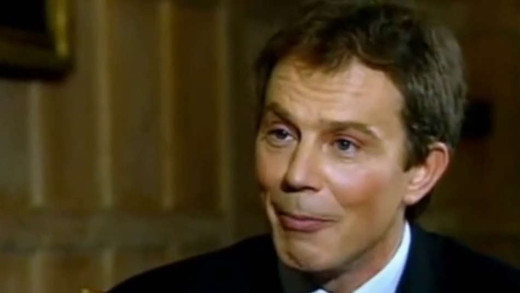
The Killing$ of Tony Blair documents former UK Prime Minister Tony Blair’s well-remunerated business interests since leaving government, and his complicity in the thousands of innocent people who have died following his decision to invade Iraq.
 1:32:33
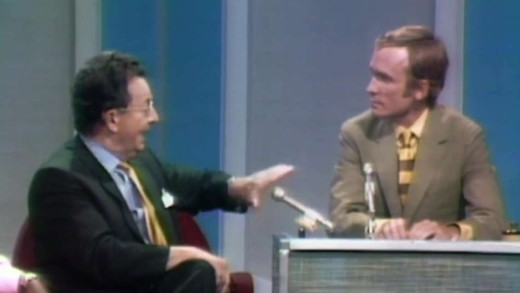
All Governments Lie: Truth, Deception, and the Legacy of I.F. Stone looks at an array of award-winning filmmakers who subscribed to I. F. Stone’s newsletter in their teens, revealing a new wave of independent, investigative, adversarial journalists following in Stone’s footsteps. Reflecting on his work during the era of McCarthyism, a chorus of independent journalists also reflect on today where giant media conglomerates are reluctant to investigate or criticise government policies—particularly on defence, security and intelligence issues. With government deception rampant, and intrusion of state surveillance into our private lives never before more egregious, independent journalists tell their story of being inspired by the iconoclastic Stone, whose fearless, independent reporting from 1953 to 1971 filled a tiny 4-page newsletter. Stone is little known today, but All Governments Lie reveals the profound influence he had on contemporary independent journalism.
 10:15
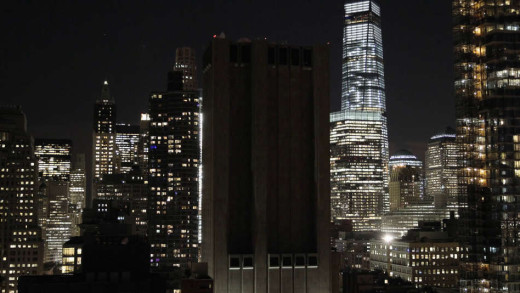
10:15Project X is a short film taking viewers on an undercover journey based on formerly top-secret documents that show a partnership between the National Security Agency and telecommunications corporations such as AT&T and Verizon for mass surveillance and bulk data collection of voice and data. The documents reveal TITANPOINTE, the codename for a large windowless sky scraper in New York, where AT&T and other corporations house vast Internet switching equipment and data centres. The facility is also tied to a nearby FBI building, and its rooftop equipment to the SKIDROWE satellite surveillance system. These findings were possible because of documents released to the public by Edward Snowden and other brave whistleblowers.
 1:12:39
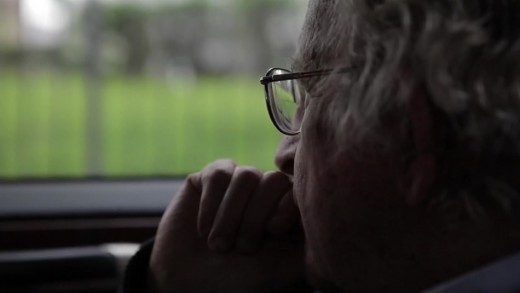
In Requiem for the American Dream, renowned intellectual figure Noam Chomsky deliberates on the defining characteristics of our time—the colossal concentration of wealth and power in the hands of the few and fewer, with the rise of a rapacious individualism and complete collapse of class consciousness. Chomsky does this by discussing some of the key principles that have brought this culture to the pinnacle of historically unprecedented inequality by tracing a half century of policies designed to favour the most wealthy at the expense of the majority, while also looking back on his own life of activism and political participation. The film serves to provide insights into how we got here, and culminates as a reminder that these problems are not inevitable. Once we remember those who came before and those who will come after, we see that we can, and should, fight back.
 2:16:43
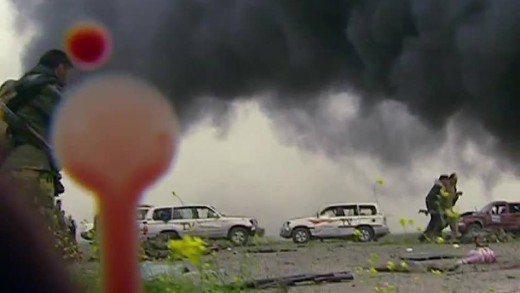
Bitter Lake explores how the realpolitik of the West has converged on a mirror image of itself throughout the Middle-East over the past decades, and how the story of this has become so obfuscating and simplified that we, the public, have been left in a bewildered and confused state. The narrative traverses the United States, Britain, Russia and Saudi Arabia—but the country at the centre of reflection is Afghanistan. Because Afghanistan is the place that has confronted political figureheads across the West with the truth of their delusions—that they cannot understand what is going on any longer inside the systems they have built which do not account for the real world. Bitter Lake sets out to reveal the forces that over the past thirty years, rose up and commandeered those political systems into subservience, to which, as we see now, the highly destructive stories told by those in power, are inexorably bound to. The stories are not only half-truths, but they have monumental consequences in the real world.
 1:10:39
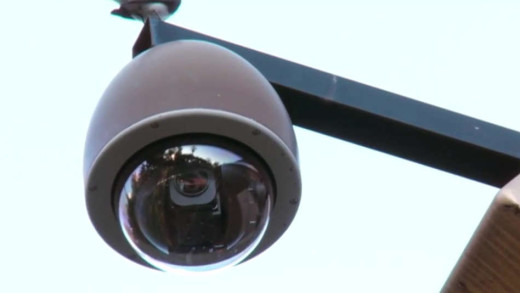
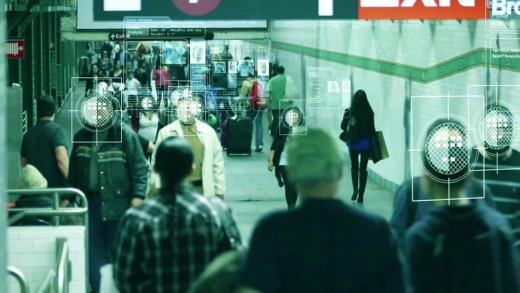
For the past 15 years, the misnomer “War on Terror” has been used by the United States to justify everything from mass surveillance and spying on its own citizens, to the use of secret drone strikes to kill people without trial or sometimes even evidence. Governments have always applied surveillance to those they consider a political threat, but the scale of the clandestine PRISM programme, which collects the data of billions of innocent people all across the globe, is unprecedented. Likewise is the call for the journalists who published the documents revealing the PRISM programme to be prosecuted. In the wake of relations about sustained, systematic abuses of power, it is apparent that in many areas, the United States operates on spurious interpretations of law, often explained in confidential memos, hidden from the public. Other times, the law is disregarded entirely. So what does this mean for resistance? How can citizen rights be reconciled with a rogue state security apparatus?
 1:36:49
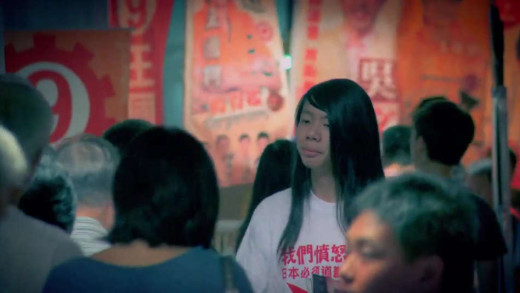
Filmed over 18 months, Lessons in Dissent is a kaleidoscopic portrait of a new generation of Hong Kong democracy activists. 18-year-old Joshua Wong dedicates himself to stopping the introduction of National Education. His campaign begins to snowball when an interview goes viral on social media. With the new school year fast approaching, a showdown with the government seems inevitable. So with a microphone in hand, and still in his school uniform, he takes to the streets to protest, along with 120,000 people in support. Meanwhile, former classmate Ma Jai fights against political oppression on the streets and in the courts. Having dropped out of school and dedicated himself to the movement, he endures the persecution suffered by those not lucky enough to be protected by the glare of the media. Lessons in Dissent catapults the viewer on to the streets of Hong Kong, confronting the viewer with the country’s rising energy of dissent.
 1:18:40
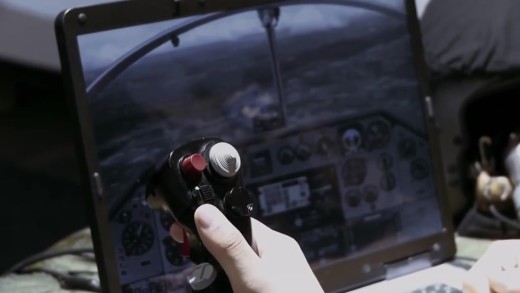
In the wake of the September 11th attacks, amongst the ravaging of war, the United States has been secretly deploying drones to carry out assassinations throughout the Middle East. The drones are increasingly piloted by the likes of young computer gamers groomed by screen culture and computer games of war, where in many cases, the Pentagon is directly involved in the creation of such games as recruitment tools, actively working to lure young people proficient with technology into the new era of the military-industrial-complex. Drone unravels this complex phenomenon while travelling to places such as Waziristan, where innocent civilians, including children and rescue workers are routinely secretly killed, where families and communities ravaged by the drone strikes search for understanding, accountability and adjustment to the daily horrors. The film also takes a look at the young people sitting behind the screens of the new war machines, half a world away, that actually pull the trigger, asking what kind of world is being built in the rise of seemingly endless and lucrative war driven by technological escalation.
 1:31:20
The Hacker Wars explores the strange duality of the modern-day computer-hacker as a mischievous provocateur, but also in some cases, societal activists with underlying political fervour, serious or not. The film explores this by profiling some of the renowned characters that have tickled the secretive inner workings of corporations and government agencies for various reasons—ranging from the nefarious and narcissistic, to the political and scandalous. Some do it for the lulz, others do it to prove a point, and others do it to “speak truth to power.” In any event, many have faced severe punishments as a result. By following through this, The Hacker Wars touches on issues of whistleblowing, social justice, and power relations, in a time where computer technologies represent extreme power and control. But for whom? And what? This poses the question in deciphering the personalities of the hackers themselves. Are they serious activists with good intentions, or are they driven by insane ideologies?
 1:24:30
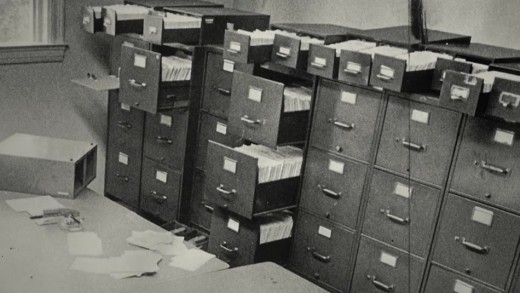
In March 1971, eight ordinary citizens broke into an FBI office in Pennsylvania, took hundreds of secret documents out, and mailed them to newspapers across the country to share them with the public. The group, calling themselves The Citizens’ Commission to Investigate the FBI, undertook the actions at a time where suspicions about systemic abuse and manipulation of social and political movements by intelligence agencies were running high in the context of the Vietnam war and 1960s counter-culture. In doing so, these citizens uncovered the FBI’s vast and illegal regimes, leading to insights about mass surveillance, intimidation, entrapment, and the use of provocateurs and informers for manipulation, and sabotage. Much of this would later go on to be known as part of a covert program called COINTELPRO that was run directly by J. Edgar Hoover to destroy social change movements—a history that is imperative to understand in the context of today, where state repression of social change movements continues.
 1:44:40
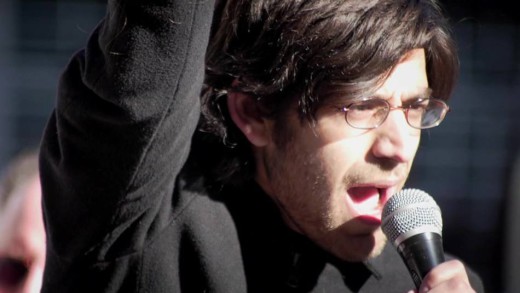
The Internet’s Own Boy is a biographical documentary of the programmer and activist Aaron Swartz, who died at age 26. From his help in the development of the basic Internet protocol RSS at age 14, to the co-founding of the social network website Reddit in 2006, Swartz becomes disillusioned with the grooming of academia to the corporate life presented to him, and turns instead to work on issues of sociology, civic awareness and activism. It then becomes Swartz’s work in social justice issues and political organising, combined with an open and sharing approach to information access that ensnares him in a two year legal battle, in which authorities seek to make an example of him and the work. The battle sadly ends with Swartz taking his own life. This film is a personal story about what we lose when we are tone deaf about technology and its relationship to the political system, civil liberties and human relationships.
 1:23:40
Fascism Inc. examines a series of historical events to compile a view of the past, the present and the future of fascism and its relation to the economic interests of each era—including the current era. The film travels from Mussolini’s Italy, to Greece under the Nazi occupation; the civil war and the dictatorship; and from Hitler’s Germany to the modern European and Greek fascism. Following on from the foundations of earlier films such as Debtocracy and Catastroika which described the causes of the debt crisis, the impact of the austerity measures, the erosion of democracy and the sell-out of the country’s assets; Fascism Inc. aspires to continue to motivate anti-fascist resistance movements across Europe, and the world.
 49:54
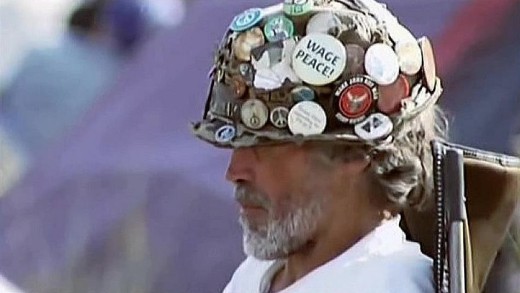
49:54War Matters chronicles a decade of anti-war protest in Britain through the story of veteran peace campaigner Brian Haw, who camped in Parliament Square for over 10 years in protest against the UK government’s policies in the Middle East. Brian began his campaign against war on 2nd June 2001, initially in protest of the sanctions against Iraq. After the September 11 attacks in the United States later on that year, Brian’s campaign took on a whole new level of importance. War Matters documents this shift by examining the larger issue of the British arms trade and the repercussions of the Iraq and Afghanistan wars around the world, as civil rights are being curtailed in so-called democracies. Where does democracy end and tyranny begin?
 43:25
43:25Why did appointed officials of the Australian Reserve Bank and its employees break sanctions in Iraq and cosy up to Saddam Hussein through a frontman during the late 1990s, early 2000s and beyond? Why did a former Deputy Governor and other directors hand-picked by the Reserve Bank to safeguard its subsidiary companies from corruption, end up—over a decade—overseeing some of the most corrupt business practices possible? How did they allow millions of dollars to be wired to third parties in foreign countries—including a known arms dealer—in order to win banknote contracts knowingly using bribery and supporting corruption?
 1:34:02
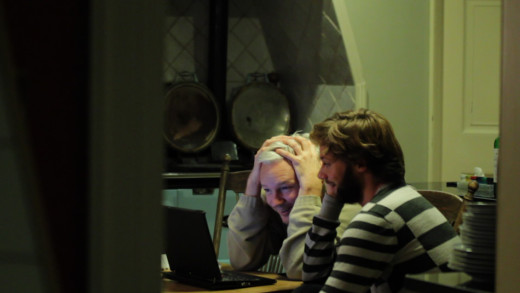
In Mediastan, an undercover team of journalists drive across central Asia interviewing editors of local media outlets to publish secret US diplomatic cables that were provided to WikiLeaks in 2010. Success is varied. And so, after regrouping with Julian Assange in England, questioning the editor of the Guardian, and obtaining candid footage of the New York Times editor and its publisher Arthur Sulzberger, Mediastan closes by leaving the viewer with an informative first-hand overview of the machinations of mainstream media. By venturing into the minds—and actions—of the people and institutions who shape the news, Mediastan shows the system for what it’s worth, and reveals its true motivations…
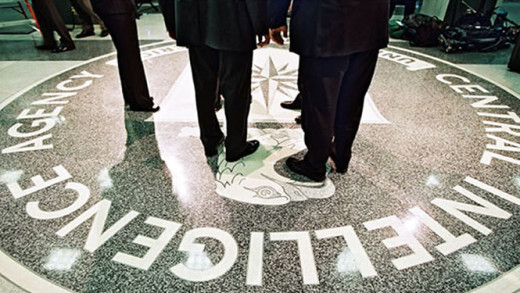
Counter-Intelligence is a 5 part series that explores in-depth, the vast, sprawling and secret National Security State that operates throughout the United States—and indeed the world. The series examines the foundations of the Military-Industrial-Intelligence Complex, charting through to the myriad consequences in today’s world where secret intelligence organisations continue to hijack governments, manipulate elections and commit heinous crimes against humanity—all under the cloak of “National Security”. In the wake of the continued revelations of the NSA PRISM program, this series is now more important than ever to provide a solid historical context to the workings of the rapacious and ever-expanding National Security State…
 33:39
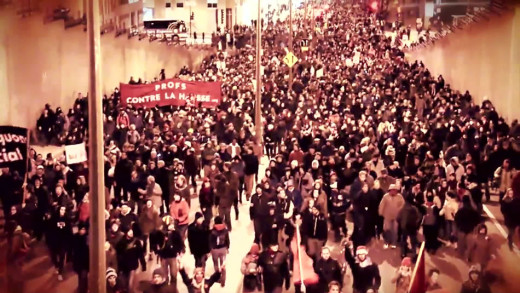
33:39In the spring of 2012, a massive student strike in opposition to a tuition hike, rocked the streets of the Montréal for over six months. Protests and mass direct-action on the street became part of daily and nightly reality. Several times during the tumultuous spring, the numbers in the streets would reach over one hundred thousand. Police routinely clubbed students and their allies, and arrested them by the hundreds. Some were even banned from entering the city. But every time the cops struck, the student movement got bigger and angrier. This is a story about how the arrogance of a government underestimated a dedicated group of students, who through long-term organising, laid the foundation for some of the largest mass demonstrations in Canada’s history.
 1:09:10
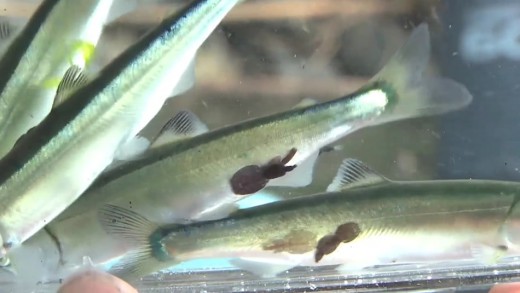
Salmon Confidential follows renowned biologist Alexandra Morton as she finds that wild salmon are testing positive for dangerous European salmon viruses associated with industrial salmon farming worldwide, and then, how a chain of events is set off by the Canadian government to suppress the findings. Scientists are gagged, research suppressed, evidence not allowed. With the industrial fish farms having moved into Morton’s neighbourhood in the late 1980s, since then, there has been a serious decline in wild salmon in the region. So, tracking her findings, the film follows Morton and her team as they move from courtrooms, to Canada’s most remote rivers, Vancouver grocery stores and sushi restaurants, providing insights into the workings of government agencies tasked with managing the ‘safety of fish and food supply,’ that always seem to put industry and the needs of corporations over the natural world, time and time again. Salmon Confidential becomes a call to action to help save the wild salmon from these atrocities, before they’re completely wiped out forever.
 51:35
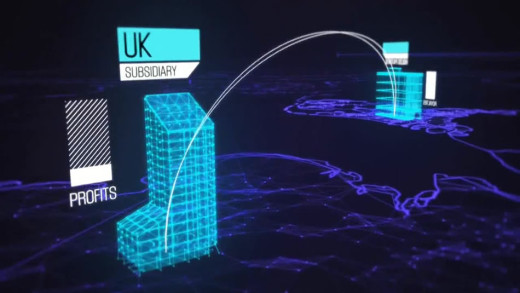
51:35The Tax Free Tour travels the globe to expose the workings of offshore tax havens and the elite banking systems of the world’s billionaires which operate in extreme secrecy. Using examples from multi-national corporations such as Apple Computer and Starbucks, the film traces sizeable capital streams that travel the world literally in milliseconds—all to avoid local laws and paying tax. Such routes go by resounding names like ‘Cayman Special’, ‘Double Irish’, and ‘Dutch Sandwich’. The Tax Free Tour is a sobering look at how the world’s rich live in an entirely different world than the rest of us…